

I still remember the first time I picked up this book and felt my heart squeeze at the opening pages.
The Girl Who Drank the Moon tells a story about lies, love, and what happens when people believe the wrong things for too long.
In this article, you’ll get a complete summary of the plot, themes, and characters. I’ll break down what makes this Newbery Medal winner so special.
You can trust this guide because I’ve read the book and studied its layers carefully.
If you’re looking for a clear understanding of this magical story before reading it (or after), you’re in the right place.
Quick Book Overview
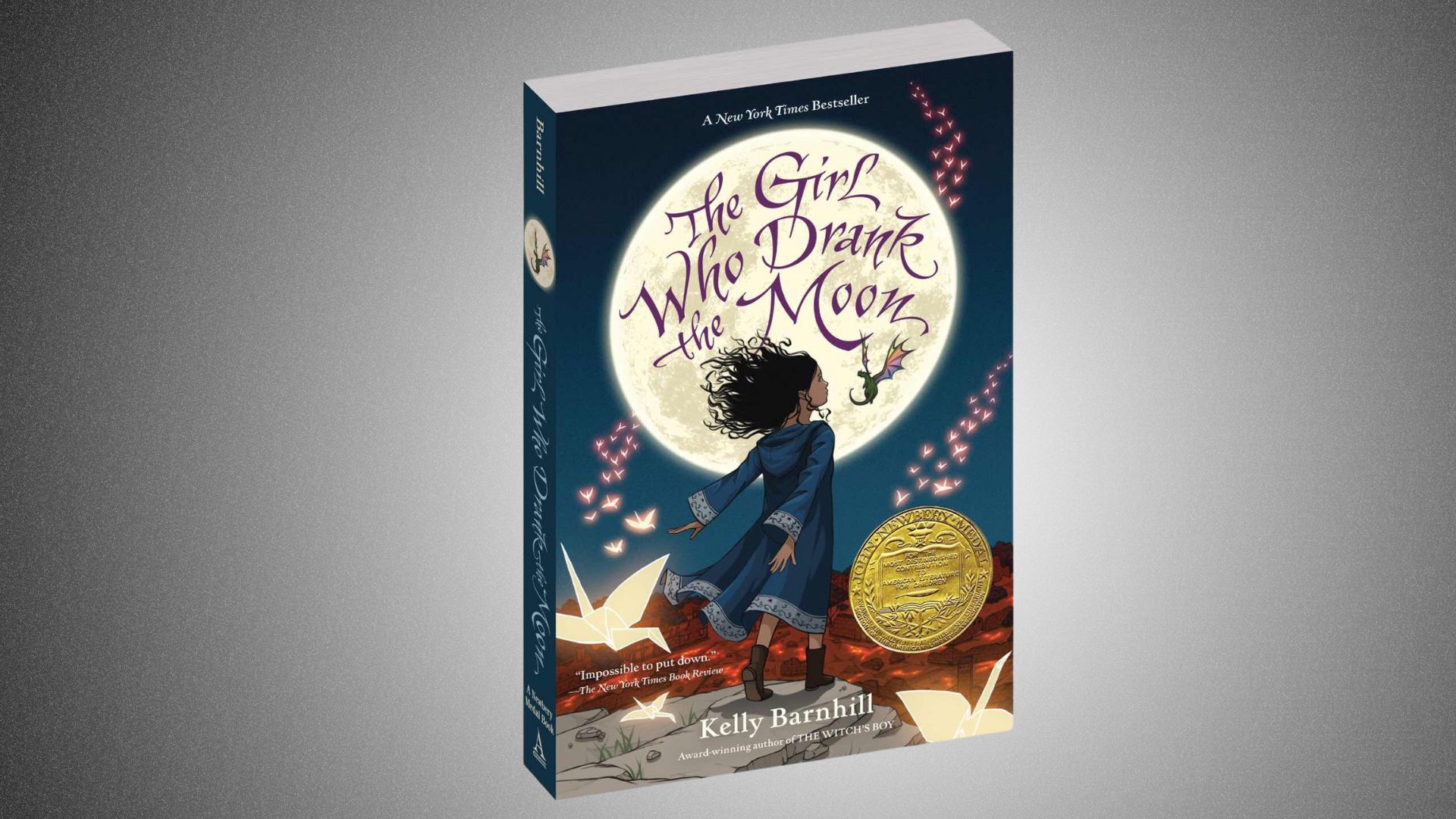
The Girl Who Drank the Moon by Kelly Barnhill came out in 2016 and won the Newbery Medal in 2017.
This middle-grade fantasy tells the story of a baby girl accidentally filled with moon magic and the truth behind a terrible tradition.
The book became popular because it mixes heartwarming moments with deeper questions about fear and control.
Readers loved how it balances darkness with hope while creating memorable characters that stay with you.
Plot Summary (Spoiler-Free)
The people of the Protectorate believe a witch lives in the forest. Every year, they leave their youngest baby as a sacrifice to keep the witch happy.
But Xan the witch is actually kind. She rescues these babies and finds them loving homes. One year, Xan accidentally feeds a baby moonlight instead of starlight.
The baby, Luna, fills with powerful magic. Xan must raise Luna herself while keeping the magic contained. As Luna grows, the truth about the Protectorate’s terrible tradition starts to surface.
Major Themes Showed in The Girl Who Drank the Moon
The novel presents emotional and psychological themes that give the story depth and meaning.
1. Fear as a Tool of Power
The Protectorate’s leaders use fear to control everyone. They tell lies about the witch to keep people obedient.
Fear stops people from asking questions or fighting back. This theme shows how lies can trap entire communities for generations.
2. Love, Motherhood, and Sacrifice
Multiple mothers in this story face impossible choices. Xan loves Luna like her own daughter. Luna’s birth mother never stops grieving.
The book shows different types of maternal love and what parents will do for their children.
3. Truth vs. Lies
The Protectorate survives on a lie told for generations. People accept false stories when they hear them enough times.
The book asks what happens when truth finally breaks through and how communities heal from years of deception.
4. Identity and Growing Up
Luna struggles with her magic and who she’s meant to be. Her powers represent the confusing parts of growing up.
She must learn control and acceptance. The story shows that finding yourself can be scary and glorious at once.
5. Hope and Healing
Despite the darkness, this book ends with renewal. Broken families reconnect. Truth sets people free.
The story proves that healing is possible even after years of pain. Hope wins over fear when people choose courage.
Main Characters & Emotional Depth
The characters drive the emotional weight of the story, each dealing with loss, love, and truth in different ways.
1. Luna
Luna is the girl filled with moon magic. She’s curious, strong, and struggles to understand her powers.
Her growth from child to young woman drives the story. She represents hope and the power of truth and questioning.
2. Xan
Xan the witch seems scary but has a tender heart. She’s been rescuing babies for years, finding them homes.
Her love for Luna transforms her life. She shows that kindness matters more than reputation or fear.
3. Glerk
Glerk is an ancient swamp monster who becomes Luna’s friend and protector. He’s wise, patient, and deeply loyal.
His calm presence balances the story’s emotional intensity. He proves family isn’t just about blood but about love.
4. Fyrian
Fyrian thinks he’s a giant dragon but is actually tiny. He’s brave, funny, and loves Luna fiercely.
His innocence and loyalty add lightness to darker moments. He shows that size doesn’t measure courage or love at all.
5. Adara (Luna’s Birth Mother)
Adara never stops mourning the baby she lost. Her grief turns her into someone powerful. She refuses to forget her daughter when everyone says she should.
Her love survives years of pain and madness without breaking.
6. Antain
Antain grows from a boy following orders to a man questioning authority. He represents people waking up to truth.
His choices show that one person can make a difference. He chooses courage over comfort and safety.
Writing Style & Narrative Technique
Barnhill writes with lyrical prose that feels like a fairy tale. She switches between multiple viewpoints, showing how each character sees the world differently.
The pacing balances quiet moments with action without rushing emotional scenes. Her world-building feels natural magic exists without long explanations.
The forest, swamp, and Protectorate come alive through small details that matter to the story.
Why Readers Love It
Lyrical writing and emotional depth shine, but slow pacing won’t satisfy action seekers.
Strengths
Barnhill handles complex themes without talking down to young readers. Multiple viewpoints add emotional layers. Character development feels earned.
Her balance of darkness and hope creates powerful moments.
Criticism & Limitations
Pacing drags for readers wanting action. Multiple viewpoints feel scattered. Emotional heaviness might overwhelm younger readers.
The middle section slows before picking up.
The Girl Who Drank the Moon Goodreads & Amazon Ratings
Ratings and reviews show why Kelly Barnhill’s fantasy continues to resonate with readers across age groups.
Goodreads Rating: 4.04 out of 5 stars from over 170,000 readers. People praise the wonderful writing and emotional depth.
Some found the pacing slow, but most loved the character development and themes.
Amazon Reviews:4.5 out of 5 stars reviews on Amazon. Readers highlight the powerful message about truth and love.
Parents appreciate how it handles complex themes for younger readers without being too dark.
My Personal Opinion After Reading This Book
This book broke my heart and healed it again. Barnhill’s writing about grief feels achingly real, like she’s lived it.
Luna’s story made me think about how fear controls entire communities. I loved the ending’s hope without pretending everything’s simple or that love fixes deep wounds.
Who Should Read This Book:
- Middle-grade readers who enjoy fantasy with heart
- Fans of magical realism mixed with emotional stories
- Readers who loved books like The Wild Robot or A Wrinkle in Time
- Anyone who appreciates stories about truth defeating lies
- Fantasy lovers who want something deeper than just magic battles
About the Author

Kelly Barnhill is an American author known for writing middle-grade fantasy. She grew up in the mountains and has always loved stories about magic and nature.
Her writing style focuses on emotional truth wrapped in fantasy settings. She doesn’t talk down to younger readers. Instead, she trusts them with complex feelings and moral questions.
Barnhill has won multiple awards, including the Newbery Medal for this book. She’s also written The Witch’s Boy, Iron Hearted Violet, and When Women Were Dragons for adults.
Critics praise her poetic language and ability to balance darkness with hope. She’s become a respected voice in children’s literature.
Conclusion
This story will stay with you long after you finish reading. The way it shows love defeating fear feels both magical and real.
I think about Luna’s courage whenever I face something scary.
If you’re looking for a book that makes you feel and think, this is it. The writing is wonderful. The characters will break your heart. The message matters.
Have you read this book? I’d love to hear what themes resonated with you most. Drop a comment below and share your thoughts.
Frequently Asked Questions
Is The Girl Who Drank the Moon Scary for Kids?
It has sad moments but nothing too frightening. Ages 10 and up handle it well.
What Age Is The Girl Who Drank the Moon Appropriate For?
Best for ages 10-14, though adults enjoy the deeper themes.
Is There a Sequel to The Girl Who Drank the Moon?
No, it’s a standalone book with a complete ending.
Why Did The Girl Who Drank the Moon Win the Newbery Medal?
The committee praised its lyrical writing and emotional depth.
What’s the Main Message of The Girl Who Drank the Moon?
Love and truth can break cycles of fear and pain.