


I read James by Percival Everett and could not put it down. This book flips one of America's most famous stories completely on its head.
In this article, I cover everything you need to know. The plot. The characters. The themes. The symbolism. And my honest take after finishing it.
If you have ever wondered what the story of Huckleberry Finn looks like through different eyes, this book answers that.
I have been reviewing literary fiction for years, and this one stood out. You will leave with a clear picture of the story and whether it is right for you.
Quick Book Overview
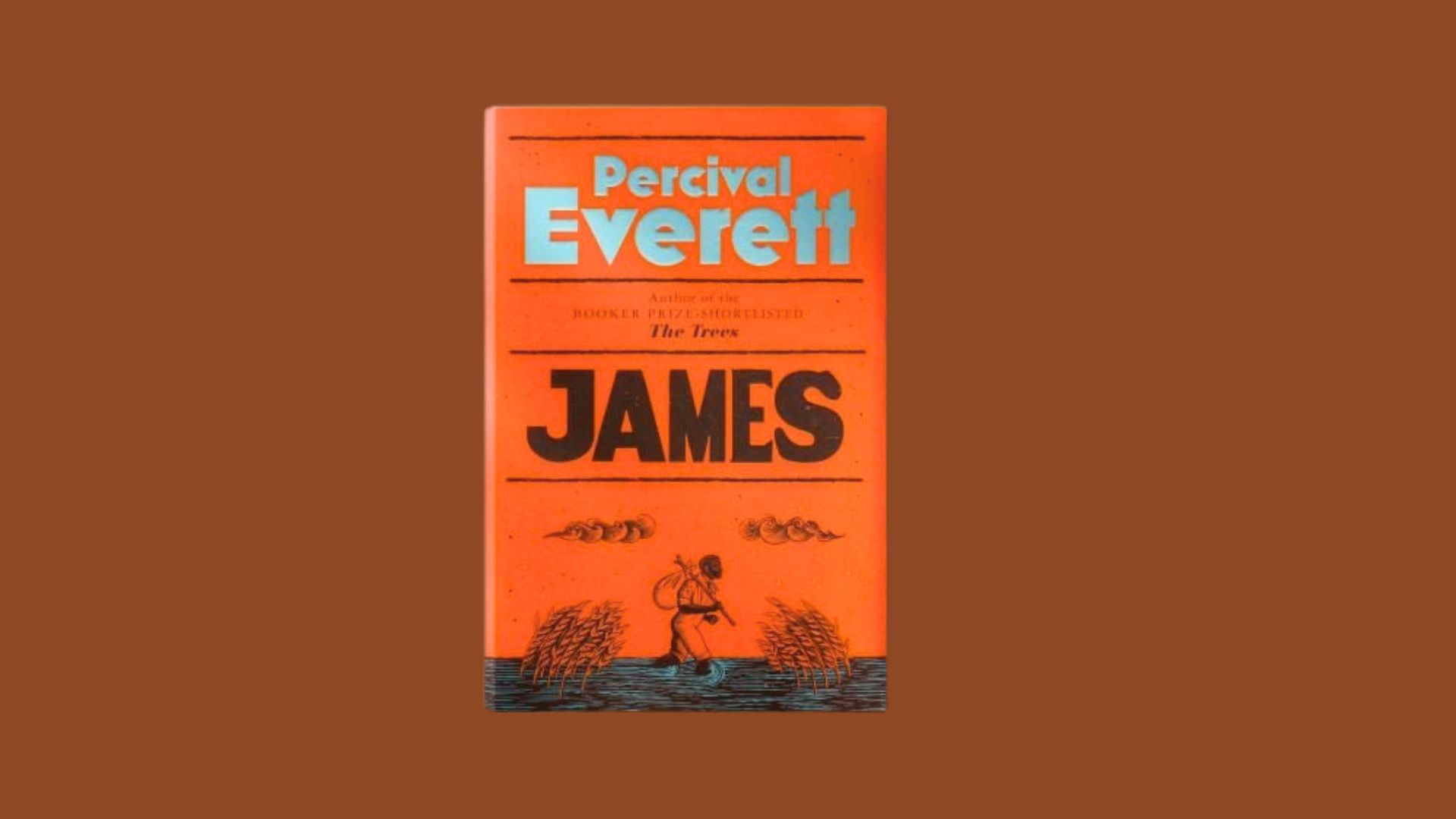
James by Percival Everett is a retelling of Mark Twain's Adventures of Huckleberry Finn, told from the perspective of Jim, the enslaved man.
Set in the antebellum American South, the story follows James as he moves down the Mississippi River seeking freedom.
The novel blends dark humor, sharp social commentary, and deep emotional insight. It asks hard questions about power, language, and what it truly means to be free.
Everett takes a story many readers already know and shifts its center entirely, giving voice and depth to a character Twain largely kept in the background.
James by Percival Everett Summary (Spoiler-Free)
James is the story of an enslaved man named James, known to white characters as Jim.
When he overhears plans to sell him further south, he escapes into the woods and eventually teams up with Huck Finn, a runaway boy.
Together they travel the Mississippi River, hiding from society and facing danger at every turn. The novel keeps the familiar bones of Twain's story but rewrites the interior.
James is no longer a side character. He is the narrator, the thinker, the one the reader follows. His voice is sharp, his inner life rich, and his observations cut deep.
Main Characters
The people who drive this story forward.
James is the narrator and heart of the novel. He is sharp, observant, and performs a simpler version of himself around white people while speaking freely with other enslaved people.
Huck Finn is a white boy fleeing his abusive father. Well-meaning but shaped by his world, he is a companion here, not a hero. James sees him clearly.
Enslaved community members are given real depth. They share a private language and survival strategies, showing every kind of response to oppression.
Authority figures represent the violent machinery of slavery. The novel has no interest in their perspective.
Major Themes
The big ideas running through every page.
Freedom and dignity go beyond physical escape. James wants the right to exist fully as a person, something no one can take or give.
Identity is a constant performance. Exhausting, dangerous, but also one of the few things James controls.
Language and power sit at the novel's core. Reading is resistance. The gap between how James speaks and how he thinks is razor-sharp.
Race and inequality are not background details. They are the operating logic of James's entire world.
Writing Style and Narrative Technique
Percival Everett writes with precision and dry wit. The prose feels controlled and deliberate without ever feeling stiff.
James's voice is layered, moving between public performance and private thought with real skill. Everett uses surreal dream sequences to give the novel room to breathe philosophically.
The tone is serious but never heavy-handed.
It is also, at times, darkly funny. The narrative technique keeps readers close to James's inner world while always reminding them of the gap between what he feels and what he can safely say.
Why Readers Love It
What stands out and what to know before you start.
Strengths
What the novel gets powerfully right.
- The novel gives voice to a character who was largely invisible in the original story. James's inner life is rich, real, and fully realized.
- The writing is sharp and controlled. There is no wasted space.
- It handles its subject matter, slavery and systemic racism, with honesty and without sentimentality.
- The dream sequences add a philosophical depth that makes the book feel larger than its page count.
- It works both as a standalone novel and as a companion to Huckleberry Finn.
Weaknesses
No book is perfect, and this one has a few things worth knowing before you start.
- Readers unfamiliar with Twain's original may miss some of the layering and context.
- The ending is deliberately unresolved. Some readers find this unsatisfying.
- The dry tone may feel distant to readers who prefer more emotionally open prose.
Goodreads and Amazon Ratings
What readers across the web are saying.
Goodreads: 4.4 Out of 5 Stars
Readers on Goodreads praise the book's originality, the depth of James's voice, and the way it handles a familiar story without feeling derivative. Many reviewers note that it changed how they think about the original Twain novel.
Amazon:4.5 Out of 5 Stars
Amazon reviewers highlight the emotional weight of the novel, the quality of the writing, and the way it rewards careful reading. Several note that it is the kind of book that stays with you long after you finish it.
My Personal Opinion After Reading This Book
I came away from James genuinely moved. Everett does something rare here. He takes a story I thought I already knew and makes it feel urgent and completely new.
Who Should Read This Book?
Readers interested in historical fiction will find this one of the most grounded and honest novels in the genre.
Fans of literary fiction will appreciate the layered prose and the intellectual ambition. Students studying modern American literature will find it endlessly discussable.
Book club members will have no shortage of topics to dig into. And readers who enjoy reimagined classic stories will find this one of the best examples of the form done right.
About the Author

Percival Everett was born in 1956 in Fort Gordon, Georgia.
He is a professor at the University of Southern California and has published over thirty novels, story collections, and poetry books over a career spanning four decades.
His writing ranges across genres including satire, westerns, experimental fiction, and literary drama.
Earlier works like Erasure, which was adapted into the film American Fiction, show the same wit and social intelligence that runs through James.
Everett has received the PEN/Jean Stein Book Award and the Hurston/Wright Legacy Award, among others. James brought him his widest readership to date.
Conclusion
James by Percival Everett summary is not easy to sum up in a few lines.
The novel does too much for that. It is about freedom, language, power, and what it takes to hold onto your sense of self when the world refuses to see you.
I found it one of the most rewarding reads I have had in a long time. If you have read it too, I would love to know what you thought.
Leave a comment below and share this with anyone who loves literary fiction worth talking about.
Frequently Asked Questions
Is James by Percival Everett connected to Huckleberry Finn?
Yes, the novel reimagines events from a new perspective while creating its own distinct story.
What is the main theme of James?
The novel explores freedom, identity, language, power, and human dignity.
Is James difficult to read?
The writing is accessible, but its deeper themes reward careful reading and reflection.
Is James based on real events?
No, it is a work of fiction inspired by characters and settings from classic literature.
Who should read James by Percival Everett?
It is ideal for readers who enjoy literary fiction, historical themes, and thought-provoking storytelling.