


A good bookshelf does more than hold books. It keeps your space tidy, shows off your personality, and pulls a room together.
I have spent a lot of time picking the wrong shelves. Too small, too bulky, or just plain ugly. And I know I am not alone in that.
Right now, people want storage that actually looks good. Not just a plank on a wall.
That is why I put this guide together. Here, you will find 7 bookshelf types, what they are best for, and how to pick the right one for your home.
Understanding Bookshelf Types and Their Importance
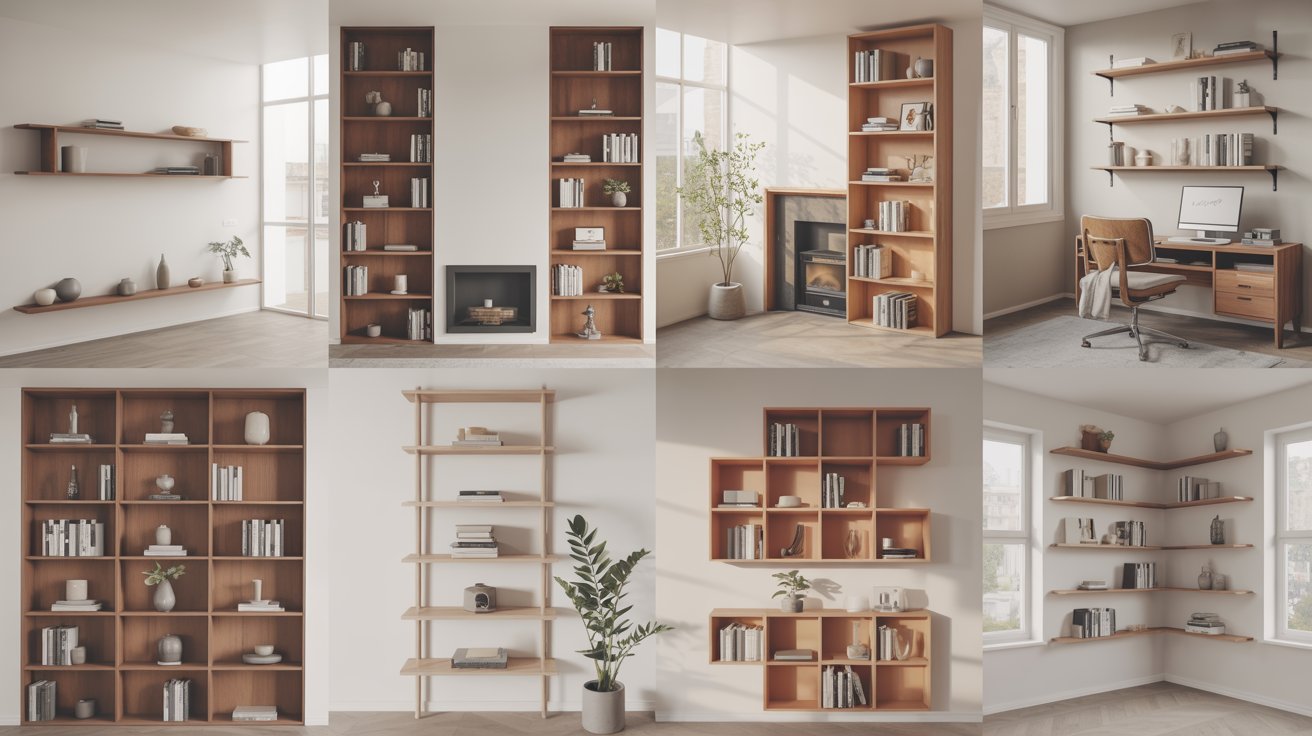
Not all bookshelves are built the same. The right one can make your room feel bigger, neater, and more put together. The wrong one just takes up space.
Different designs work differently. Some give you more storage. Some look great but hold less. It all depends on what you need.
Before you buy, think about four things:how much space you have, what material you want, what style fits your room, and what you plan to store.
1. Traditional Bookshelves
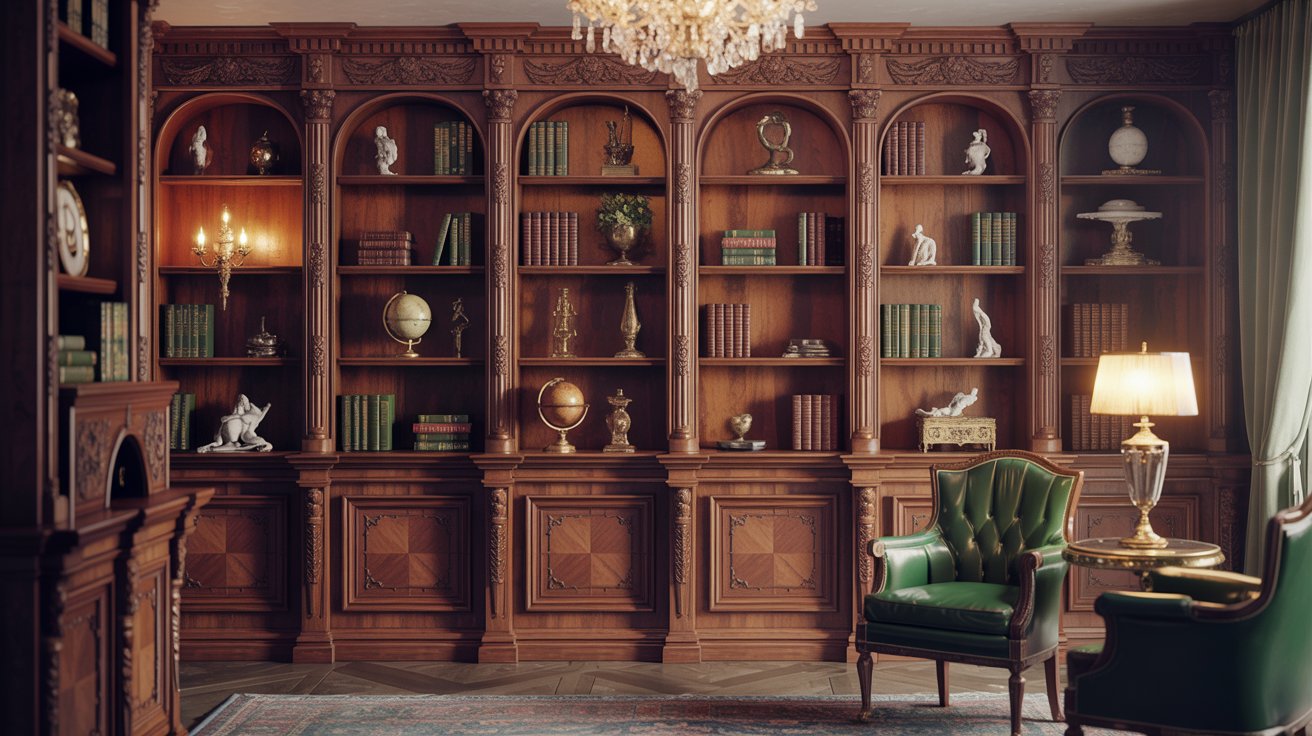
Features of Traditional Bookshelves
Traditional bookshelves are built from solid wood like oak, mahogany, or cherry. They have classic designs with carved detailing and a rich finish that feels timeless. The craftsmanship is hard to match, and every piece looks built to last.
Best Uses
These work best in living rooms, home offices, and personal libraries. They suit spaces with a classic or formal look, especially rooms with wooden furniture or warm tones.
Pros & Limitations
They are strong and built to last for decades. But they are heavy to move and cost more than most other options. They also need occasional polishing to stay in good shape.
2. Modern Bookshelves
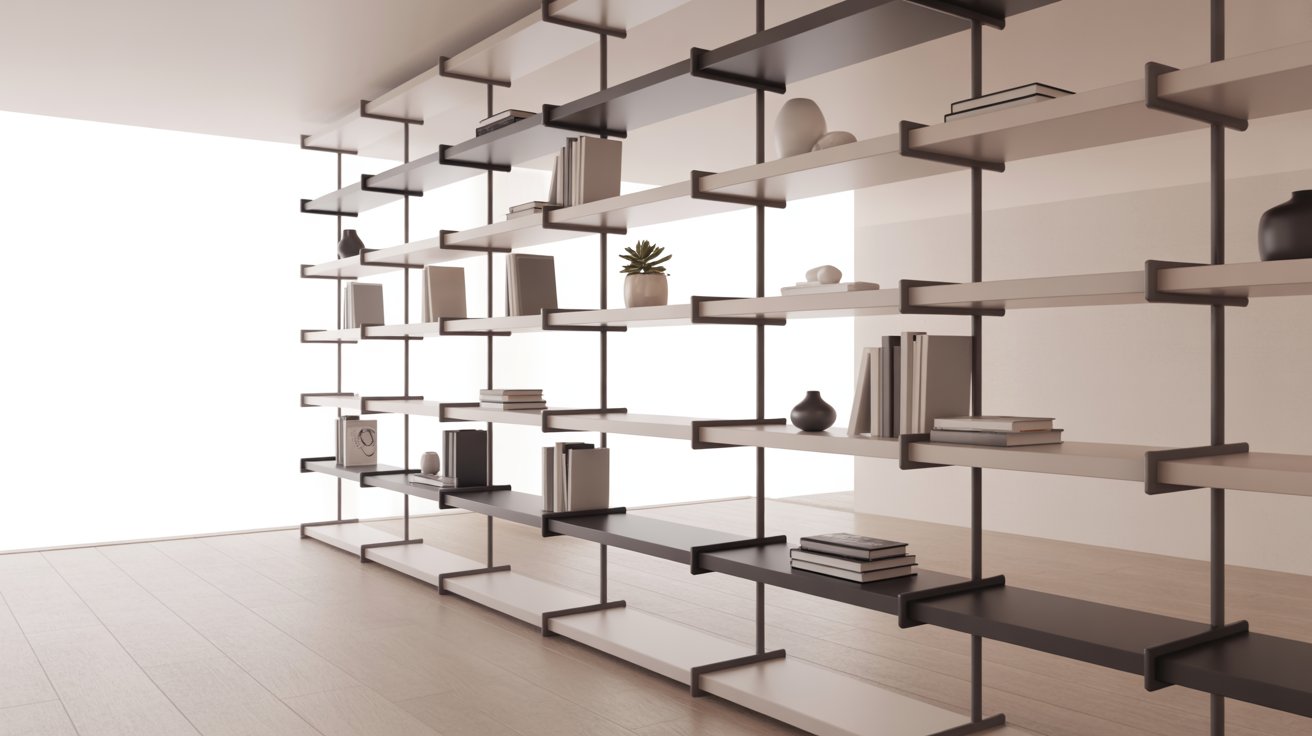
Features of Modern Bookshelves
Modern bookshelves keep things simple. Clean lines, flat surfaces, and minimal detail define the look. Most are made from engineered wood or metal, which keeps them light. They usually come in neutral shades like white, black, or grey.
Best Uses
These are great for small apartments and rooms with a contemporary feel. They fit in without making the space feel crowded or heavy.
Pros & Limitations
They save space and look sharp. But they are not as tough as solid wood over time. Heavy loads can cause bowing, especially with cheaper boards.
3. Open-Back Bookshelves
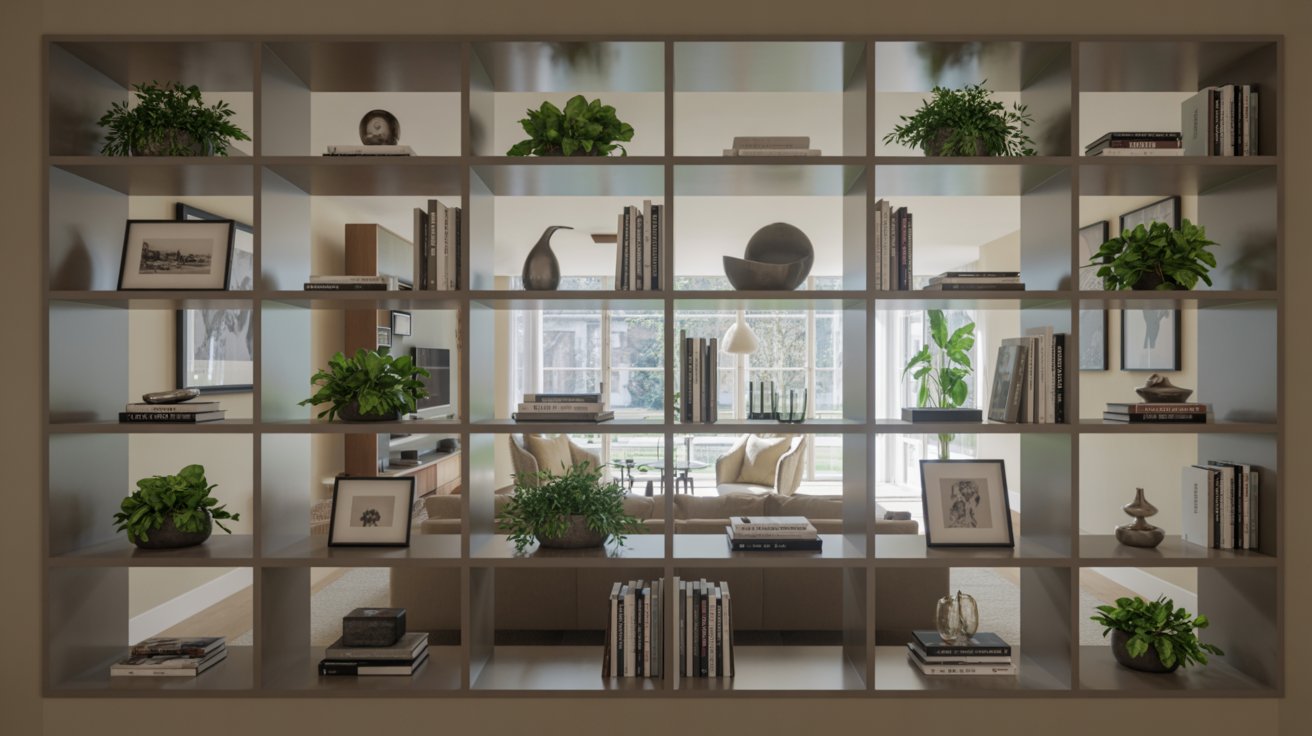
Features of Open-Back Shelving
Open-back bookshelves have no back panel. This gives them an open, airy look and lets light pass through freely. The design feels light and does not make a room feel closed off.
Best Uses
They work well as room dividers in open living spaces. They are also a good way to display plants, frames, or decorative items alongside books.
Pros & Limitations
They look great and are easy to access from either side. But dust settles more easily and items at the back can shift or fall without support.
4. Built-in Bookshelves
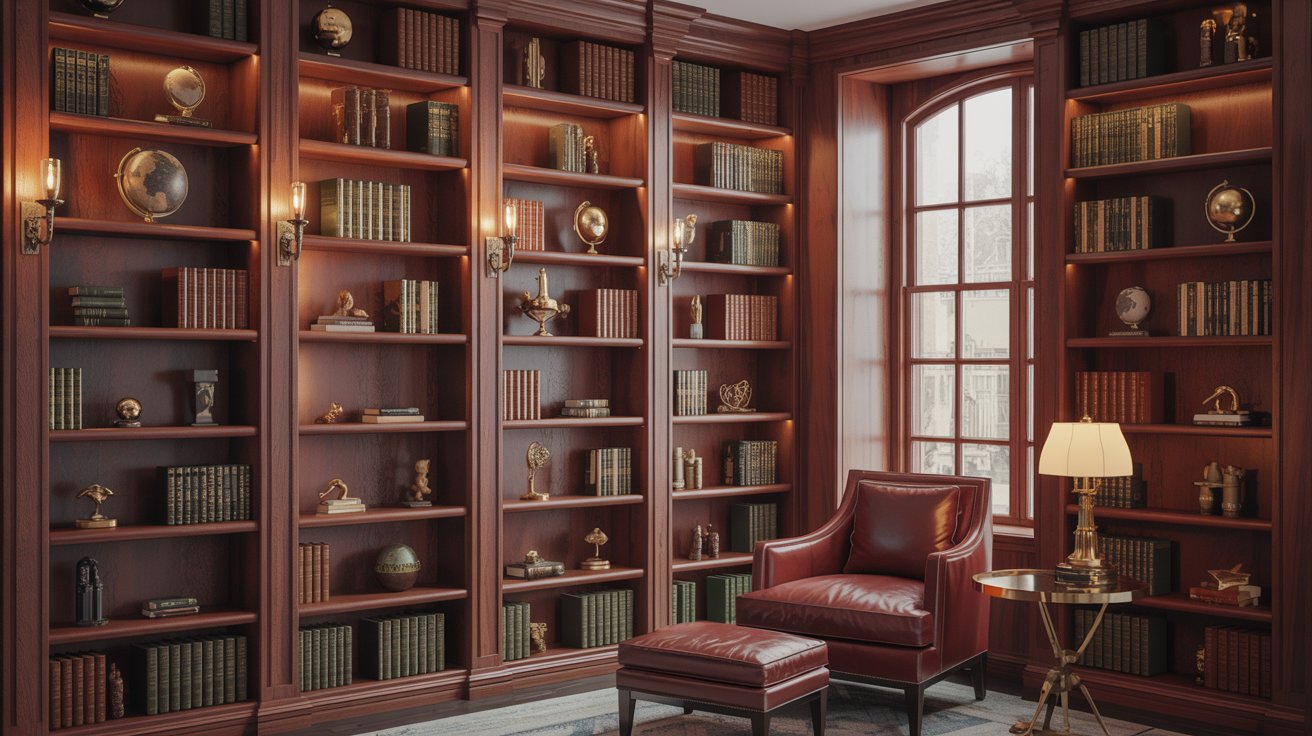
Features of Built-in Designs
Built-in bookshelves are fitted directly into your walls. They are custom-made for the space and installed permanently. Every inch is used well and they look like they were always part of the room.
Best Uses
These suit large homes and high-end interiors. Home libraries, study rooms, and reading nooks are perfect spots for built-in shelving.
Pros & Limitations
They look seamless, are very durable, and add real value to your home. But they cost more, need professional installation, and cannot be moved once in place.
5. Corner Bookshelves
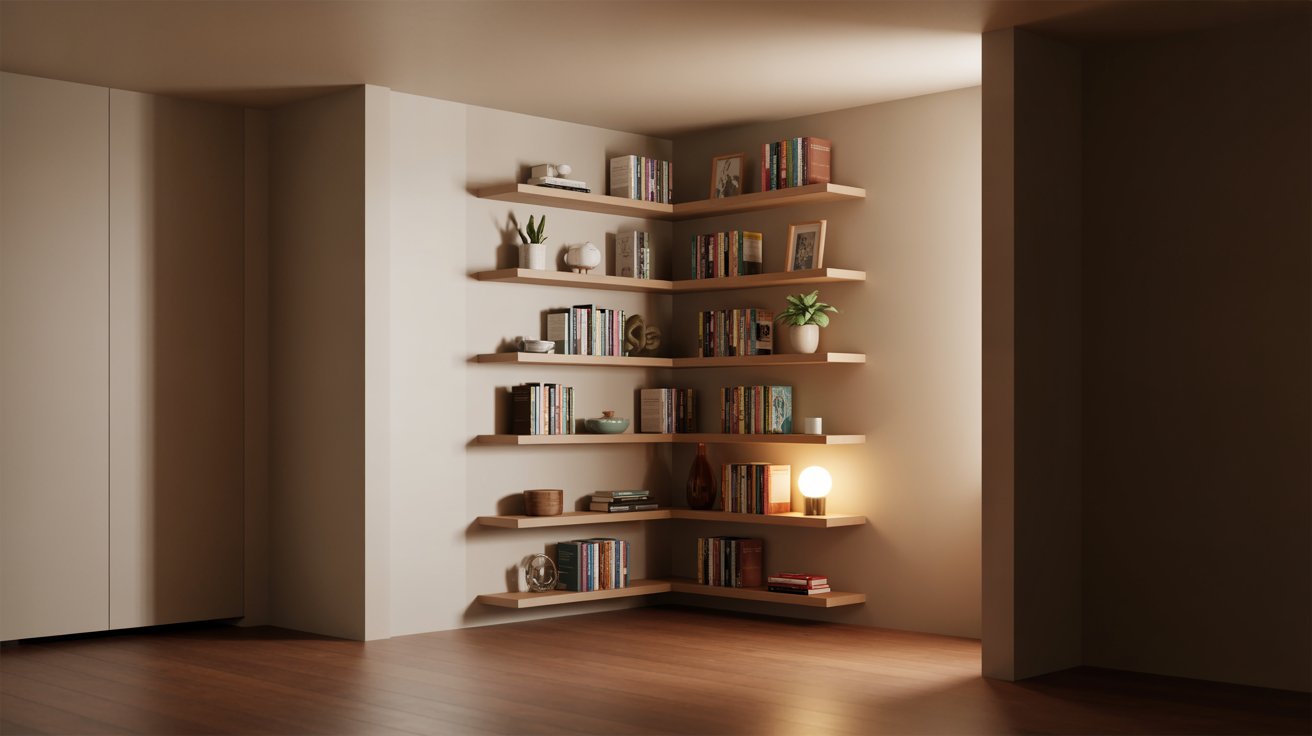
Features of Corner Shelving
Corner bookshelves are built to fit into the corners of a room. They are compact and make use of space that would otherwise sit empty. Most designs are tiered, starting narrow at the top and widening toward the bottom.
Best Uses
They are a smart pick for small rooms and home offices. They also work well in kids' rooms for storing books and small items.
Pros & Limitations
They save space, are usually affordable, and easy to assemble. But they do not hold as much as a full-sized shelf, so they may not suit large collections.
6. Wall-Mounted Bookshelves
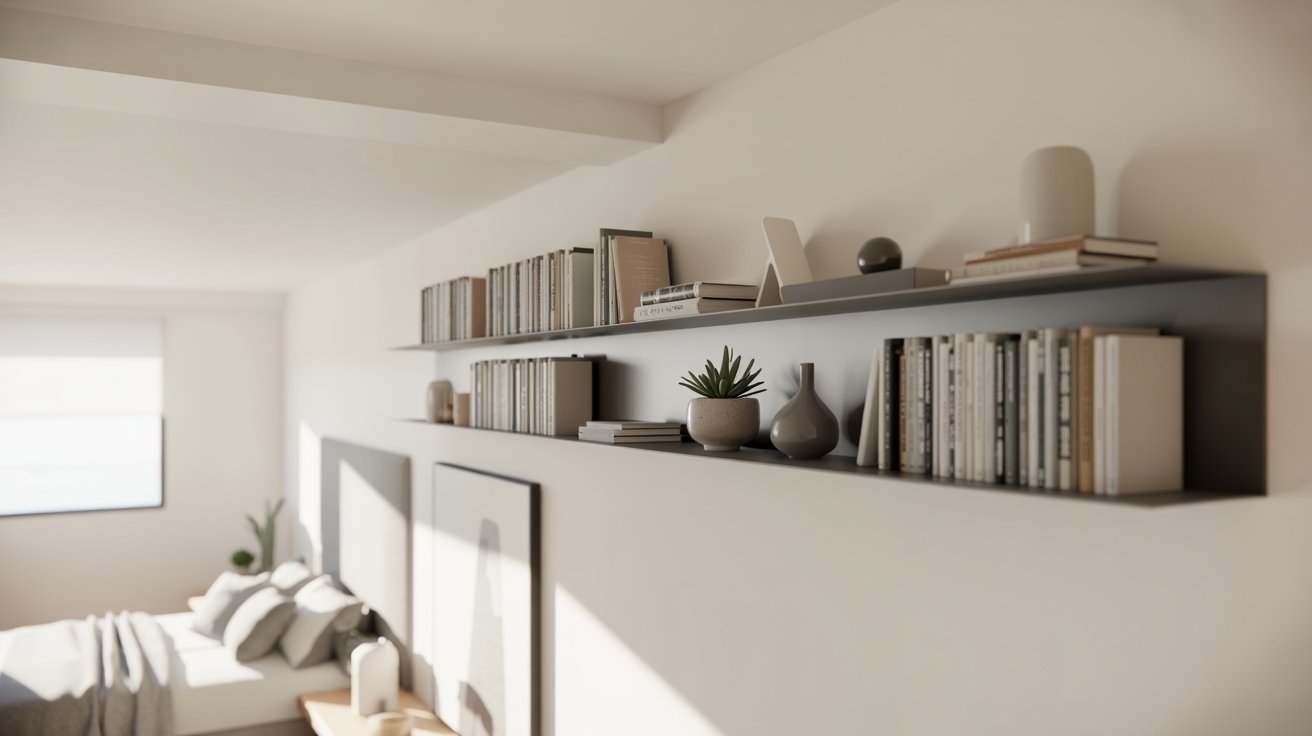
Features of Wall-Mounted Designs
Wall-mounted bookshelves are fixed directly to the wall. They can be floating shelves or bracket-supported ones. The floating style gives a very clean look since the fittings stay hidden.
Best Uses
These work well in modern and compact spaces. Hallways, bedrooms, and home offices are all great spots for wall-mounted shelving.
Pros & Limitations
They free up floor space and make a room feel more open. But they have weight limits and proper wall anchoring is a must for heavier loads.
7. Ladder Bookshelves (Leaning Bookshelves)
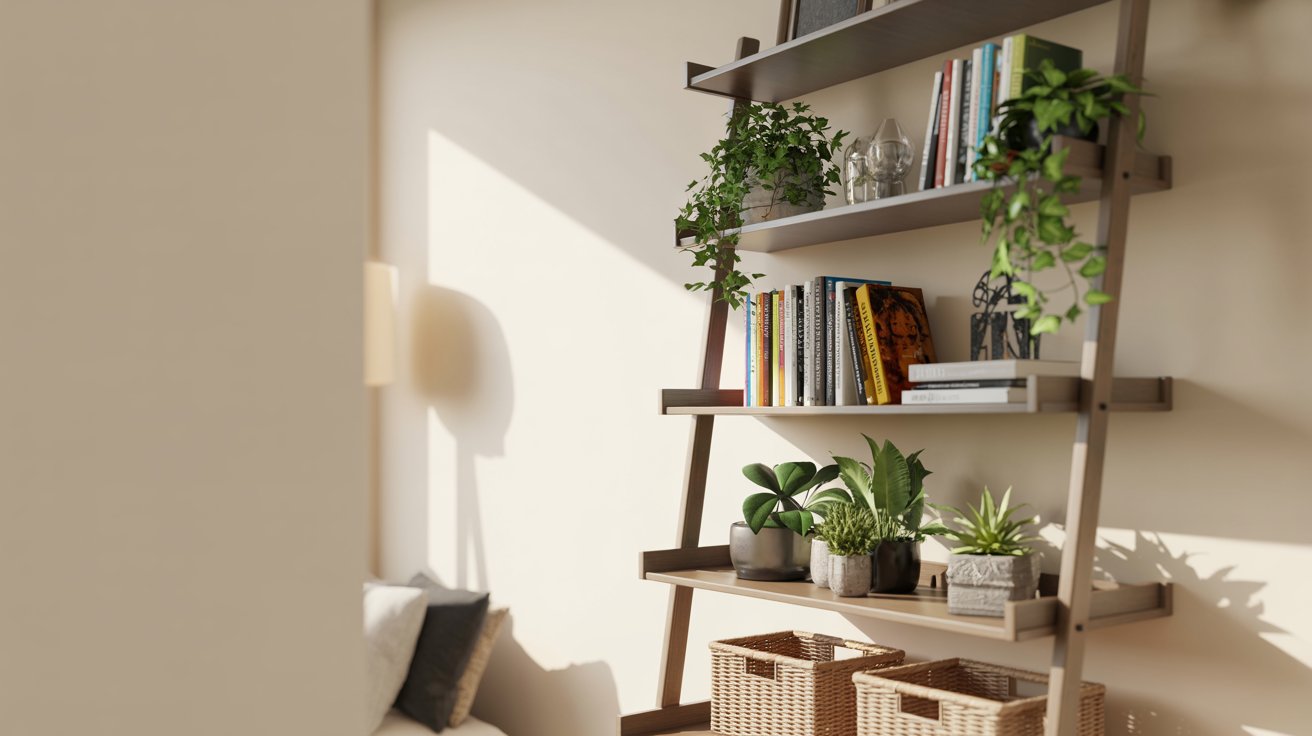
Features of Ladder Shelves
Ladder bookshelves lean against the wall and have tiered shelves that get wider toward the bottom. They are light, easy to move, and most require no drilling or wall fixtures.
Best Uses
These work well in bedrooms, kitchens, and small apartments. They also double up nicely as display shelves for plants, baskets, or decorative pieces.
Pros & Limitations
They are flexible and great for renters since no drilling is needed. But they hold less than most shelf types and can tip if not placed on a flat, stable surface.
How to Choose the Right Bookshelf for Your Space
Start by looking at your room. How much floor or wall space do you actually have? That will narrow things down fast.
Next, think about what you need. More storage or a place to display things? Both needs call for different designs.
Then match the shelf style to your room's overall look. A mismatched shelf stands out for the wrong reasons.
Finally, set a budget and think about how long you want it to last.
Conclusion
There you have it. Seven bookshelf types, each with its own strengths.
The best one is not always the most expensive or the biggest. It is the one that fits your space, holds what you need, and looks right in your room.
I always say, pick function first and let style follow. You will rarely go wrong that way.
Found this helpful? Share it with someone who is shelf shopping right now. And drop a comment telling me which type is your favourite.
Frequently Asked Questions
What is the most durable type of bookshelf?
Traditional bookshelves made from solid wood like oak or mahogany are the most durable. They hold heavy loads well and last for decades with basic care.
Which bookshelf is best for a small room?
Corner bookshelves and wall-mounted shelves work best in small rooms. They use less floor space while still giving you decent storage.
Can I use a ladder bookshelf as a room divider?
Ladder shelves are not ideal for dividing rooms since they lean against a wall. Open-back bookshelves are a much better fit for that purpose.
Are built-in bookshelves worth the cost?
Yes, if you plan to stay in your home long term. They look seamless, last long, and can add real value to your property.
What type of bookshelf is best for displaying decor along with books?
Open-back and wall-mounted shelves are great for mixing books with plants, frames, and other decorative pieces. They give you more visual flexibility than closed designs.


