


A lot of healthcare professionals know functional medicine is the future but have no idea where to start with certification.
Too many programs, too many price points, and not enough honest guidance. That changes here.
This guide breaks down the best functional medicine certification programs in 2026.
I looked at accreditation, cost, clinical depth, and real-world value so you do not have to figure it out alone.
By the end, you will know exactly which program fits your goals.
What Are Functional Medicine Certification Programs?

Functional medicine certification programs train healthcare professionals to treat the root cause of illness, not just the symptoms. They focus on personalized care by looking at lifestyle, genetics, and environment.
Unlike short-term workshops, certification requires deeper study, assessments, and clinical application. It is a serious commitment that prepares you to practice functional medicine with real confidence.
Why Functional Medicine Certifications Are in High Demand
Chronic diseases are rising fast, and the traditional “treat the symptom” approach is not working well enough. More patients want long-term, preventive care that actually addresses what is going wrong in their body.
At the same time, healthcare is shifting toward holistic and personalized treatment. Professionals want tools to offer that kind of care.
Physicians, nurse practitioners, nutritionists, and health coaches are all turning to functional medicine certifications to stay relevant and serve their patients better.
Best Functional Medicine Certification Programs (2026)
There are many functional medicine certification programs out there, but not all are equal. Here are the top ones worth your time and money in 2026.
1. The Institute for Functional Medicine (IFM)

IFM is the most recognized name in functional medicine education. Their flagship certifications, FMCP and FMCP-M, require 100+ hours of training that includes real case studies. The cost is on the higher side, but the global recognition makes it worth it for serious practitioners.
2. Kalish Institute

This program puts a strong focus on lab testing and one-on-one mentorship. It also includes business and practice-building modules, which is rare. It works best for practitioners who want hands-on, practical application from day one.
3. Functional Medicine University (FMU)
FMU offers a 200-hour self-paced certification that fits around your schedule. It is one of the more affordable options and is CE-approved across multiple disciplines. A solid pick if flexibility and cost matter to you.
4. School of Applied Functional Medicine (SAFM)
SAFM uses case-based training that mirrors real clinical situations. The program has strong peer collaboration and mentorship built in. It sits in the mid-range for pricing but delivers high clinical depth.
5. Integrative and Functional Nutrition Academy (IFNA)

IFNA is built around nutrition-focused functional medicine. It is the go-to option for dietitians and nutrition professionals who want to bring a functional lens to their practice.
6. American Academy of Functional Health (AAFH)

AAFH is self-paced and comes with built-in business tools. The program focuses on fast clinical implementation, so you can start applying what you learn right away.
7. Fitzgerald Health Education Associates + Elite Nurse Practitioner

This certification is made specifically for nurse practitioners. It covers clinical training along with business strategies, all in a fully online, affordable format.
How to Compare the Best Functional Medicine Certification Programs

Not every program will be the right fit for you. Here is what to look at before you decide.
Accreditation and Credibility
Check if the program is accredited and offers CE credits. A recognized certification carries more weight with employers, patients, and licensing boards. It also holds up better long-term as the field grows.
Program Cost and ROI
Cost matters, but so does what you get in return. A pricier program may open doors to higher-paying clients or positions. Think about long-term earning potential, not just the upfront price tag.
Duration and Learning Format
Some programs are self-paced, others run on a cohort schedule. Self-paced works well if you have a busy practice. Cohort-based programs offer more structure and peer interaction. Pick the format that fits your life.
Clinical Training and Lab Interpretation
Good programs go beyond theory. Look for hands-on protocols, real case work, and lab interpretation training. These are the skills you will actually use with patients every single day.
Business and Practice Support
This is something most people overlook. The best programs include guidance on marketing, setting your fees, and setting up your clinic. That kind of support can make a real difference when you are starting or growing your practice.
Key Features to Look for in a Top Program
- Evidence-based curriculum: The program should be built on solid research, not trends. Look for courses that back every concept with clinical evidence.
- Case-study and real-world application: Theory alone is not enough. A good program puts you through real patient scenarios so you are ready to apply what you learn.
- Mentorship and community support: Learning alongside experienced practitioners and a strong peer group makes a big difference in how fast you grow.
- Ongoing education and certification renewal: The field keeps moving. A top program will offer continued learning so your certification stays current and relevant.
How to Choose the Right Functional Medicine Certification
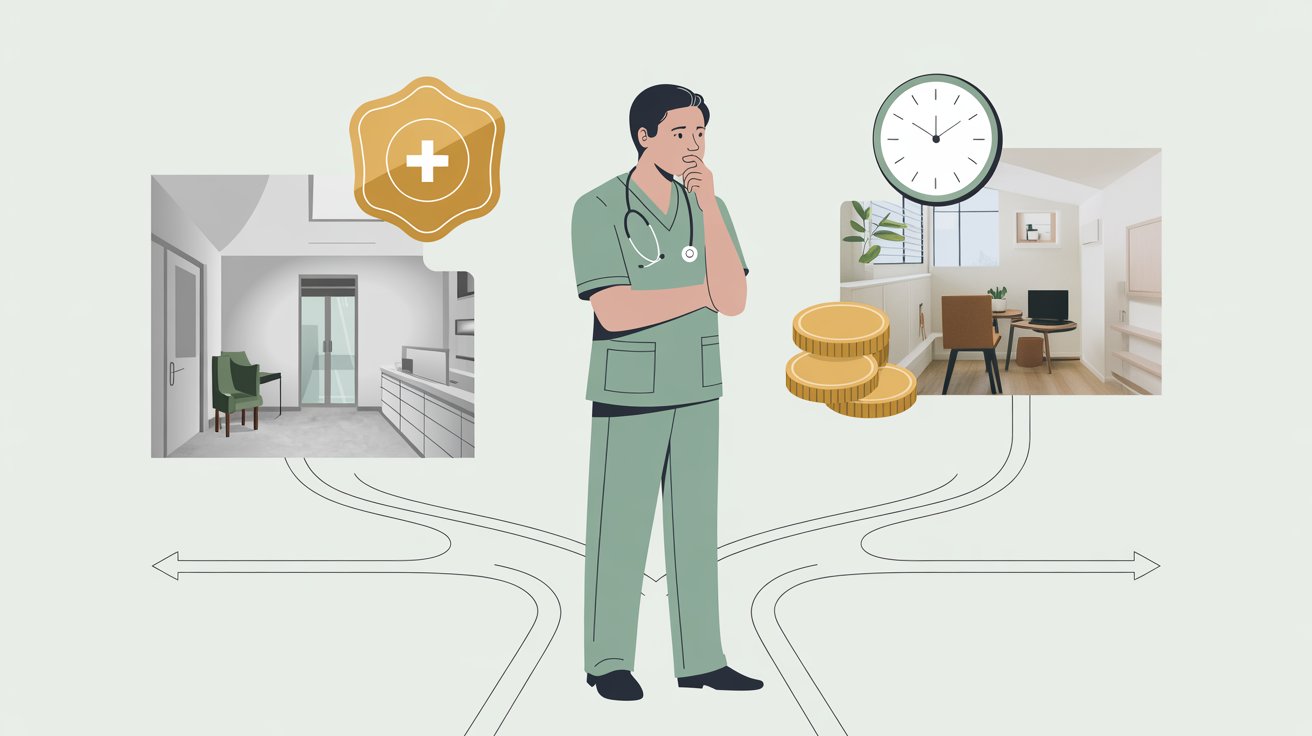
Start by making sure the program fits your license and scope of practice. Not every certification works for every profession.
Next, think about where you want to go. Are you focused on clinical work or building your own practice? Your goal should guide your choice.
Finally, be honest about your budget and time. A higher upfront cost can pay off, but only if the timing works for you.
Benefits of Getting Certified in Functional Medicine
- Getting certified means you treat the root cause, not just the symptoms. Your patients see real, lasting results instead of short-term fixes.
- Certification opens doors to specialization and niche practice growth. You stand out in a crowded healthcare space.
- Certified practitioners often move to cash-based or hybrid practice models. This can significantly increase your income compared to insurance-based work.
- A recognized certification adds serious weight to your professional profile. Patients and peers trust you more when your credentials back up your approach.
- The healthcare industry is shifting toward personalized, preventive care. Being certified puts you ahead of that shift and keeps your career moving forward.
Conclusion
After looking at all the options, the right program comes down to three things: your goals, your budget, and how deep you want to go clinically.
Do not just pick the cheapest or the most popular one. Pick the one that actually fits where you are headed.
Real outcomes matter more than price tags. Take your time, compare carefully, and make a move. The best time to get certified is now.
Frequently Asked Questions
What is a functional medicine certification program?
A functional medicine certification trains healthcare professionals to treat the root cause of illness, not just the symptoms. It covers nutrition, lifestyle, genetics, and whole-body health in depth.
Who should get a functional medicine certification?
It is best suited for doctors, nurses, dietitians, and other licensed health professionals looking to expand their practice. Some programs also accept health coaches and wellness practitioners.
How long does it take to get certified in functional medicine?
Most programs take anywhere from a few months to two years to complete. The time depends on the program format, your pace, and whether it includes clinical training.
Are functional medicine certification programs available online?
Yes, many top programs are fully online or offer a hybrid format. This makes it easier for working professionals to study without stepping away from their current practice.
Is a functional medicine certification worth it in 2026?
Absolutely. Patient demand for root-cause, whole-body care is growing fast. A certification puts you ahead and gives you real tools to get better results for your clients.


