


ALT TEXT: Colorful poster displaying fun science fair project ideas for kids, featuring experiments and creative concepts.
I remember standing in front of my high school course list, completely unsure which science class to pick. Nobody really explained how it all worked or why it mattered.
If you are in that same spot right now, this guide is for you. High school science courses do more than fulfill graduation requirements.
They build the way you think, prepare you for college, and open doors to careers you might not even know exist yet.
Let me walk you through everything, from required courses to smart elective choices, so you can plan with confidence.
What Are High School Science Courses?

High school science courses are classes that teach you how the natural world works. They cover topics like living things, matter, energy, and space.
Most schools require science credits to graduate. That means you have to pass a set number of science classes before you can get your diploma.
Science classes fall into two types. Core classes like Biology and Chemistry are required. Electives like Astronomy or Environmental Science are optional but worth considering.
Standard High School Science Curriculum Structure
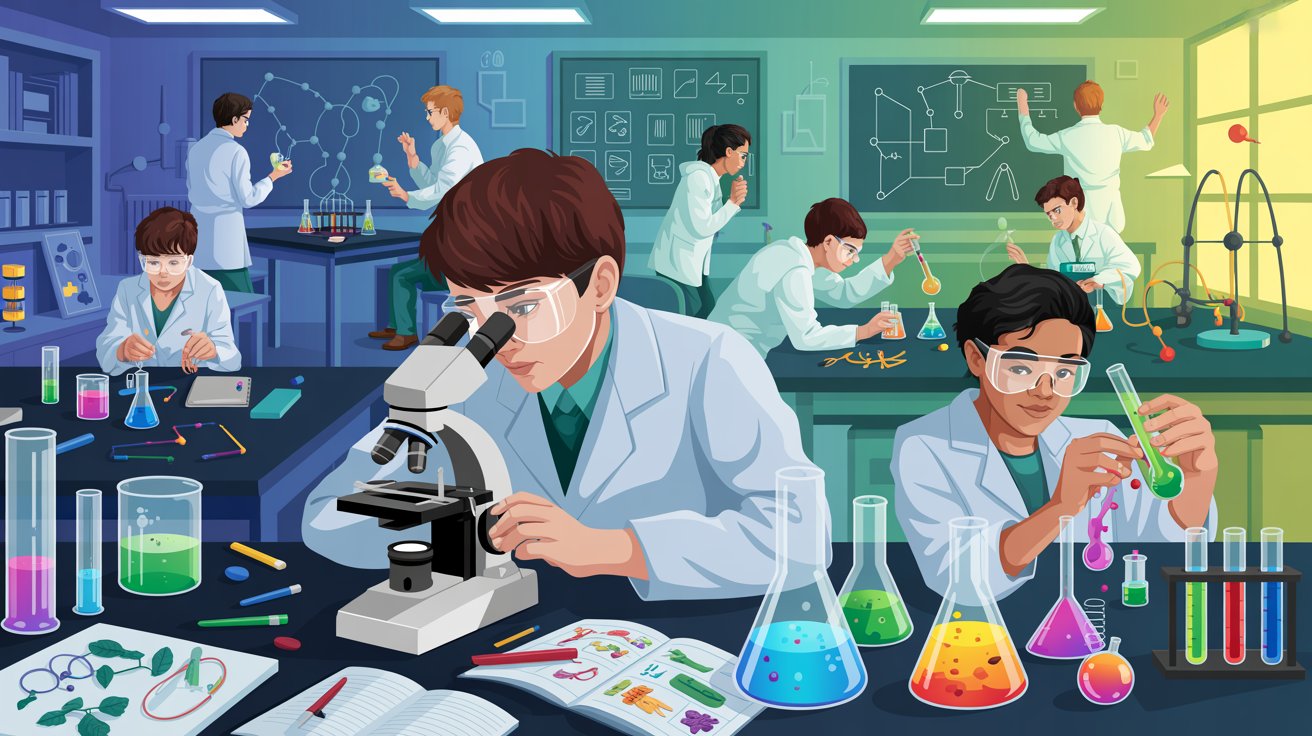
A breakdown of how high school science classes are structured, sequenced, and why they matter for your future.
Typical Course Sequence
Most high schools follow the same basic order: Biology in 9th grade, Chemistry in 10th, and Physics in 11th or 12th.
Some schools do it differently. A few start with Earth Science in 9th grade. Others use a Physics-first model, where students take Physics before Chemistry or Biology.
How Many Science Credits Are Required?
Most schools require 2 to 3 years of science to graduate. If you are planning for college, 4 years is the better choice. It shows colleges you are serious and keeps your options open.
Importance of Lab-Based Learning
Science is not just reading from a textbook. A big part of it is hands-on lab work. You run experiments, record results, and figure out what went wrong when things do not go as planned.
This kind of work builds real skills. You learn how to think critically, solve problems, and pay close attention to detail. These are skills that help you inside and outside the classroom.
Core High School Science Courses (Required Subjects)
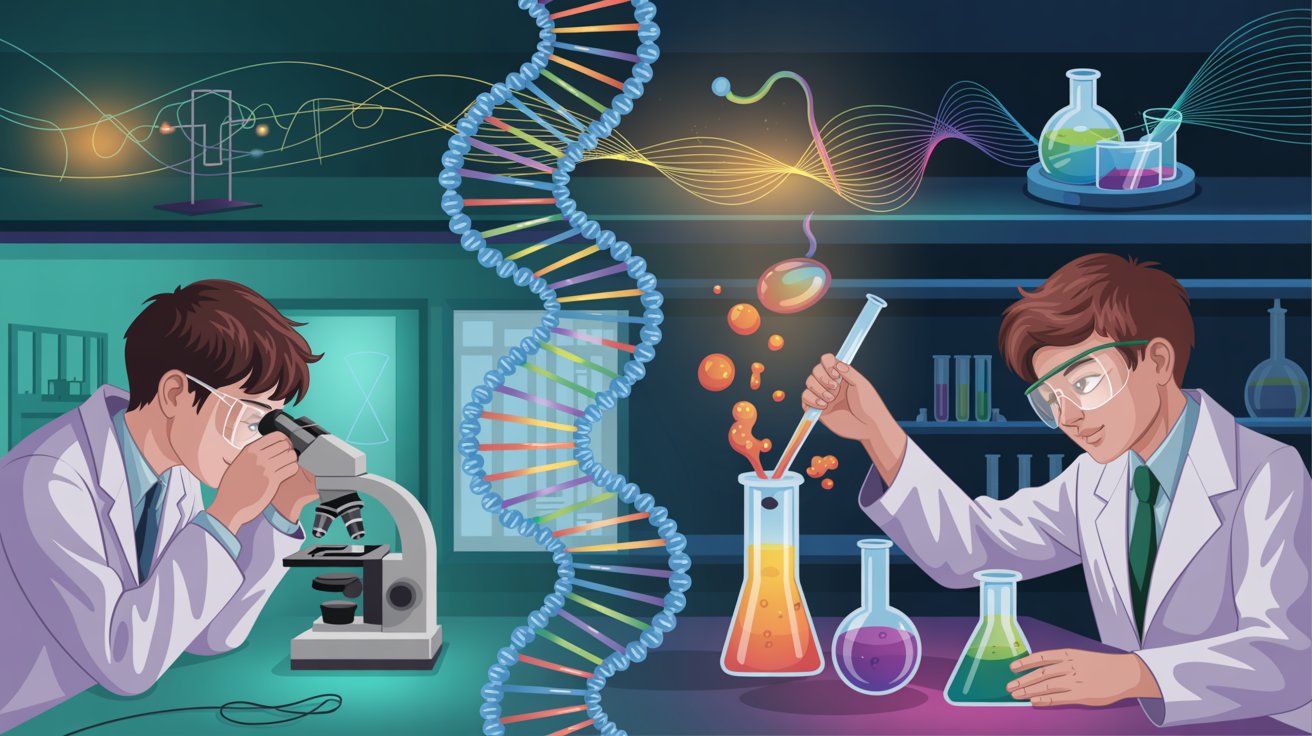
A look at the three required science classes most high school students take and what each one covers.
Biology
Biology is usually the first science class you take in high school. It covers how living things work, from tiny cells to entire ecosystems. You will study genetics, evolution, and how species interact with their environment. It is a great starting point because it connects to everyday life.
Chemistry
Chemistry comes next for most students. It focuses on matter and how it changes. You will learn about atomic structure, chemical bonding, acids, bases, and how reactions work. A lot of the learning happens in the lab, so expect hands-on experiments alongside classroom lessons.
Physics
Physics is the study of motion, energy, and forces. You will look at how objects move, how electricity works, and what magnetism is all about. Topics like mechanics and energy transfer might sound complex at first, but they explain things you see in real life every day.
Common High School Science Electives
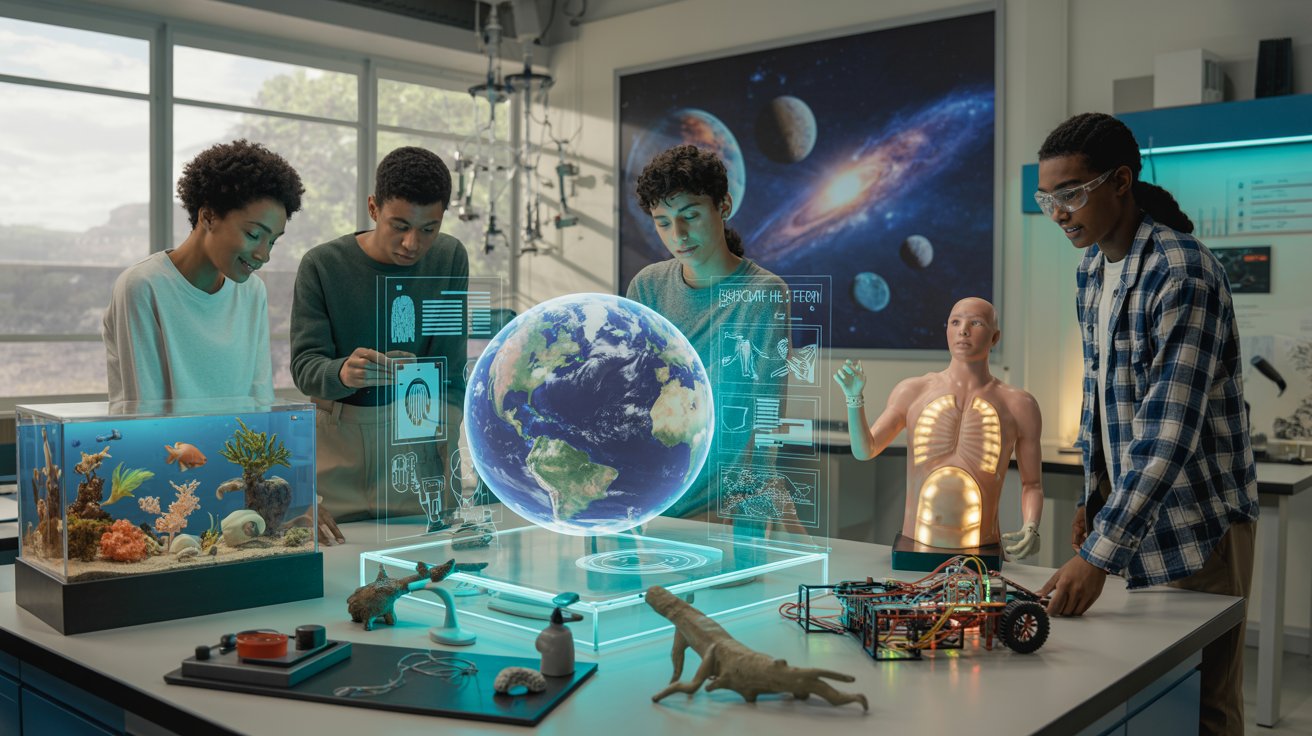
A list of optional science classes that go beyond the basics and match different interests and career goals.
1. Environmental Science
Environmental Science looks at how ecosystems work and how human activity affects them. You will study topics like climate, pollution, and sustainability. It is a good pick if you care about the planet and want to understand real-world environmental issues.
2. Forensic Science
This one is popular for a reason. Forensic Science uses biology and chemistry to study crime scenes. You learn how evidence is collected, tested, and analyzed. It is hands-on, interesting, and gives science a very practical application.
3. Astronomy
Astronomy is the study of space, stars, planets, and the universe as a whole. If you have ever looked up at the night sky and wondered what is out there, this class gives you real answers backed by science.
4. Zoology
Zoology focuses on animals, how they live, and how they fit into ecosystems. You will study animal behavior, biology, and the role different species play in the natural world.
5. Oceanography
Oceanography covers oceans, marine life, and water systems. You will learn how oceans function, what lives in them, and how they affect the planet’s climate and environment.
6. Anatomy and Physiology
This course breaks down how the human body works. You will go through major body systems like the digestive, nervous, and cardiovascular systems. It is a great choice if you are thinking about a future in healthcare.
7. Engineering Courses
Engineering electives give you a taste of mechanical, electrical, or computer engineering. You work on projects, solve design problems, and get an early look at what an engineering career actually involves.
How to Choose the Right High School Science Courses

Start with what interests you. If you like hands-on work, go for lab-heavy courses. If you are heading toward a STEM career, prioritize Physics and advanced classes.
Competitive colleges prefer students who take 4 years of science, so plan ahead. Also think about difficulty.
Mixing regular, honors, and AP classes keeps your schedule manageable without holding you back. Pick courses that challenge you but do not burn you out.
Benefits of Taking Science Courses in High School
- Sharpens Your Thinking: Science teaches you to question, test, and analyze. These critical thinking skills carry over into every area of life.
- Prepares You for College: Strong science grades and course choices make your application stand out. Many college programs require a solid science background.
- Opens Up Career Options: From medicine to engineering, science courses lay the foundation. The earlier you start, the more prepared you will be.
- Connects Classroom to Real Life: You start to understand how the world actually works. Weather, health, and technology science explain it all.
- Builds Problem-Solving Habits: Labs and experiments teach you to work through challenges step by step. That skill is useful no matter what field you go into.
Conclusion
High school science shaped how I think, not just what I know. A good mix of core and elective courses builds a strong academic base.
Picking the right sequence early makes college applications and career planning much easier. If you can, go for advanced options too.
They push you and make your profile stronger. Start planning your science courses now and give yourself the best shot at what comes next.
Frequently Asked Questions
What science classes are required in high school?
Most high schools require Biology, Chemistry, and Physics as core science classes. The number of credits needed varies by school, but 2 to 3 years is the standard minimum.
How many years of science should I take in high school?
Most schools require at least 2 to 3 years of science to graduate. Taking 4 years is a smart move if you are planning to apply to competitive colleges.
Can I take science electives along with required courses?
Yes, most schools allow you to take electives on top of your required science classes. Options like Forensic Science, Astronomy, and Environmental Science are popular choices.
Which high school science course is the hardest?
AP Physics and AP Chemistry are generally considered the most challenging science courses. They cover advanced material and require strong math skills alongside lab work.
Do high school science courses help with college admissions?
Yes, colleges pay close attention to your science course history and grades. A strong science background, especially with honors or AP courses, can make your application more competitive.


