
Looking for an honest summary and review of As Long as the Lemon Trees Grow? You are in the right place.
Zoulfa Katouh’s 2022 debut does something very few war narratives attempt it places an ordinary young woman at the center of extraordinary devastation and refuses to let horror or hope cancel each other out.
Set inside the Syrian civil war, it earns every emotion it asks for. I read it across three sittings, quietly undone by the end.
The questions it raised about duty, survival, and what we owe the living stayed with me long after the final page.
Synopsis of As Long as the Lemon Trees Grow
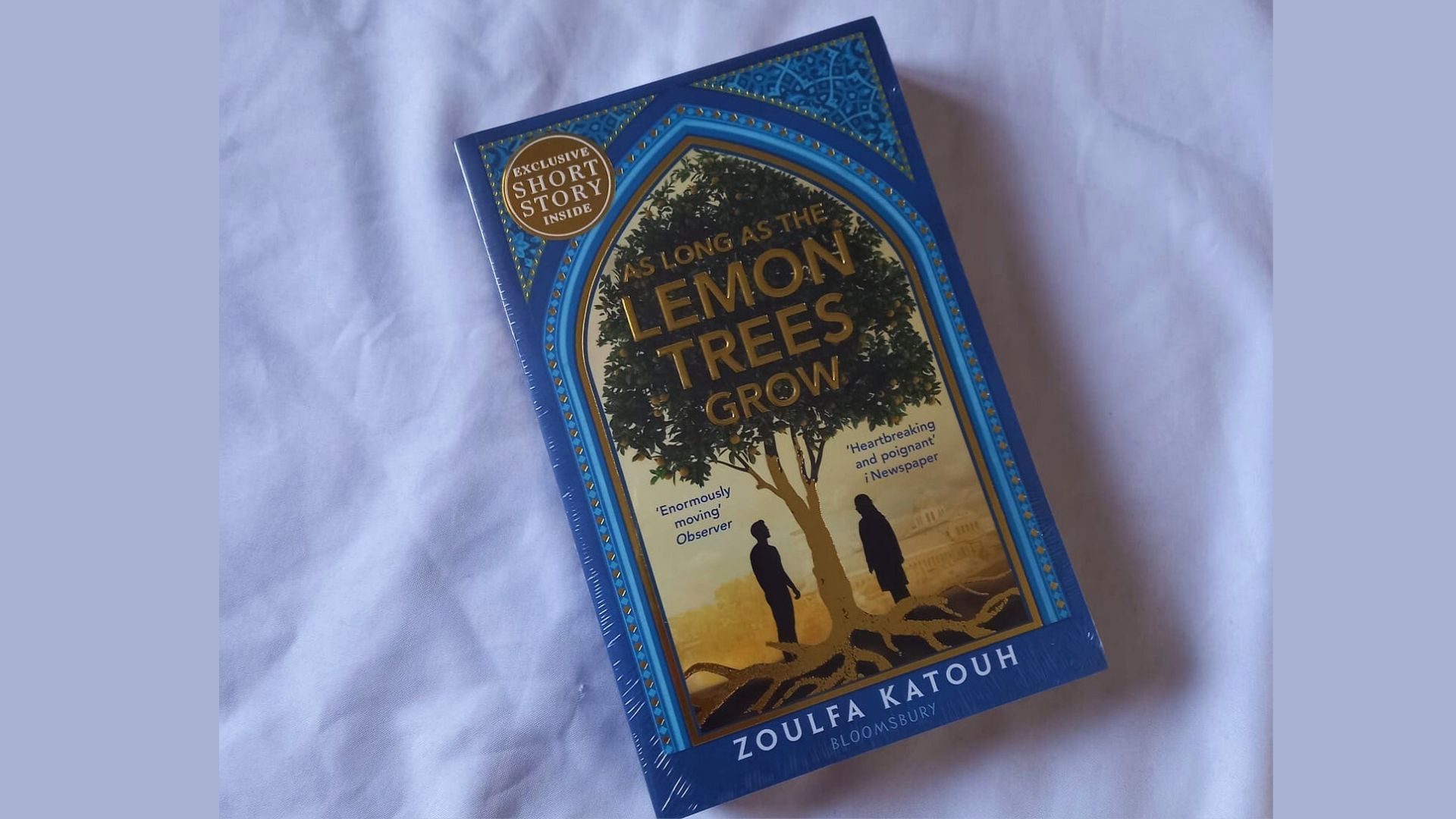
As Long as the Lemon Trees Grow follows Salama Alameldeen, a twenty-year-old pharmacy student turned medical worker in a makeshift hospital in Homs, Syria.
Her parents are dead, her brother Hamza has vanished into a government prison, and she is desperately trying to get herself and his pregnant wife Layla to Germany. Yet she cannot bring herself to leave.
Into this impossible situation comes Kenan, a young man documenting the revolution, and Khawf, a hallucination only Salama can see, the physical shape of her fear, who follows her through hospital corridors, arguing with her about survival.
Major Themes in As Long as the Lemon Trees Grow
A searching examination of survival guilt, hope under siege, collective grief, and the cost of bearing witness when the world is not watching.
Staying When Leaving Is Possible
The novel’s central question is what it means to stay when leaving is an option. Salama has a way out and she knows it.
Every chapter examines why she cannot take it, and the answer shifts constantly between love, guilt, duty, and something harder to name. Katouh does not resolve this tension cheaply.
Grief That Belongs to Everyone
This is not a novel about one person’s private loss. The grief belongs to a city, a generation, a people. Katouh situates Salama’s personal devastation inside a wider historical wound, and the effect is cumulative.
By the midpoint, the reader understands why Salama cannot simply choose to be fine.
Hope as Defiance
The lemon trees of the title stand for the stubborn persistence of ordinary life inside extraordinary destruction.
Characters keep returning to small acts of normalcy, not because they are naive, but because refusing to let those things die is itself a form of resistance.
The Duty to Record
Kenan’s insistence on filming what is happening to Homs reflects a theme running through the entire book. Refusing to let atrocity go unseen is framed as both dangerous and necessary.
Salama’s role as a medical worker carries the same logic. Someone has to stay and see. Someone has to stay and say.
Character Analysis
Through fractured psychology and impossible choices, the novel examines what remains of a person when everything familiar is stripped away.
Salama Alameldeen
Salama is brilliant, exhausted, and operating at the edge of what a person can endure. Her arc is not conventional. She does not become braver or harder.
She becomes more honest with herself, which is the more difficult and interesting change.
Kenan
Kenan is both a romantic interest and an ideological counterpoint. Where Salama is searching for a reason to leave, Kenan has already decided to stay.
He is warmly written without being idealised, and their relationship develops with a patience that suits the novel’s tone.
Khawf
Khawf is Salama’s fear given a face and a voice. He argues with her, warns her, and tells her things she does not want to hear.
He makes her internal state visible without lengthy introspection. He is frightening and, by the end, almost sympathetic.
Layla
Pregnant, grieving, and determined to survive for her unborn child, Layla is the novel’s clearest argument for hope.
She has chosen, repeatedly, to keep going. Watching her make that choice gives Salama something to hold onto.
Writing Style and Narrative Voice
Built on close third-person narration, the novel is emotionally precise in ways that serve the story rather than simply displaying sensitivity for its own sake.
Katouh’s Use of Detail
The novel’s specificity is one of its great strengths. The hospital, the streets, the food, the prayers, the small rituals of daily life under bombardment, all of it is rendered with a concreteness that makes the world feel inhabited rather than constructed.
This detail earns the emotional weight the story asks you to carry.
Tone and Register
Katouh moves between tenderness and horror without losing control of either. The love story sits inside a war story without softening it.
The grief is real and the hope is real, and she refuses to let one swallow the other. This tonal balance is the hardest thing to achieve in this kind of fiction, and she achieves it consistently.
Critical Reception
As Long as the Lemon Trees Grow was published in September 2022 and received strong attention from both critics and readers within the young adult literary community.
Reviewers praised Katouh’s ability to make a specific historical crisis feel immediate and personal without reducing it to backdrop.
The Syrian setting was widely noted as handled with care and authority. Several reviews highlighted the Khawf device as one of the more original narrative choices in recent YA fiction.
Reader response was largely enthusiastic, with emotional intensity cited as its defining quality.
Notable Reviews and Ratings
Goodreads: 4.4 out of 5 stars based on over 80,000 ratings
Amazon: 4.6 out of 5 stars across thousands of reviews
Awards: Nominated for the 2023 William C. Morris YA Debut Award; listed among the best YA novels of 2022 by multiple major publications
My Personal Reading Experience
As Long as the Lemon Trees Grow was not what I expected, and I mean that entirely as a compliment. I had anticipated something more conventionally structured, with a clearer emotional arc and a tidier resolution.
What I got instead was a novel that sits with its impossibilities rather than resolving them.The Khawf sections hit hardest for me.
There is something about externalised fear, given a name and a face and the ability to argue back, that cuts through the usual defences a reader builds against difficult material.
What stayed with me most was Katouh’s insistence that hope is not the opposite of grief. The two exist together throughout this novel, and neither one is permitted to win. That felt true in a way that a great deal of war fiction does not.
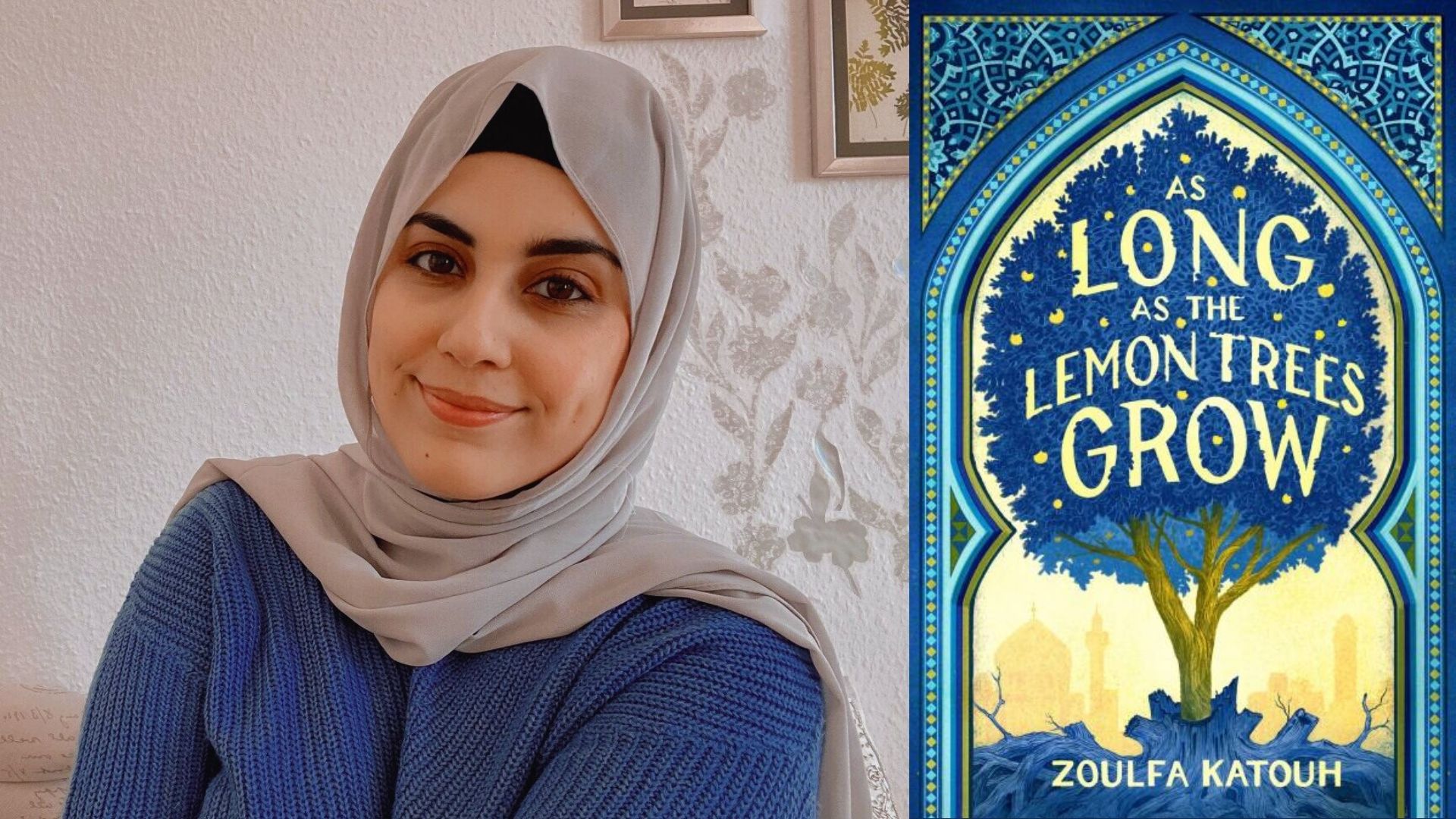
About the Author Zoulfa Katouh
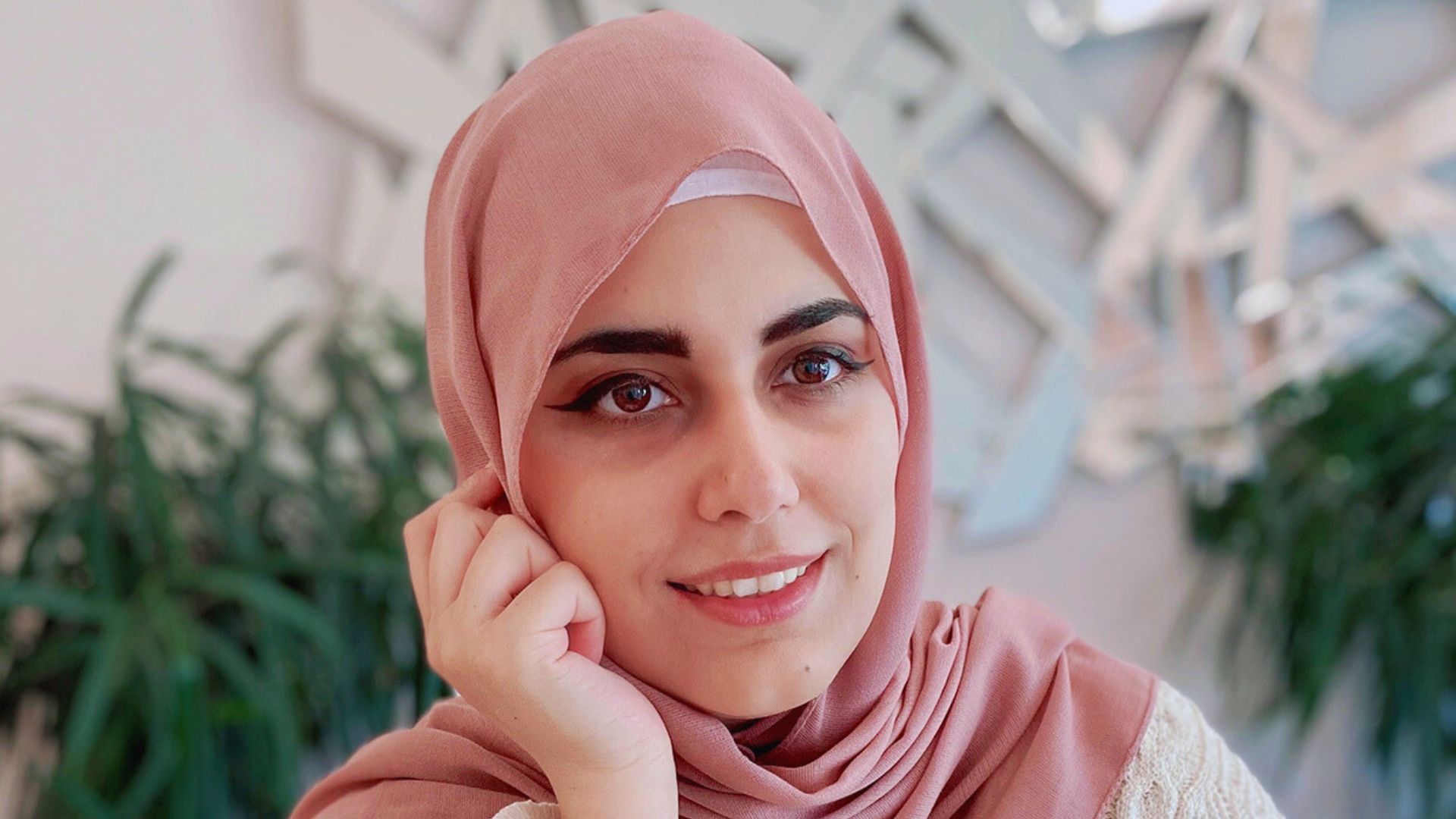
Zoulfa Katouh was born on March 29, 1994, in Calgary, Canada, to Syrian parents. She grew up between Dubai and Switzerland and is trilingual in English, Arabic, and German.
A pharmacist working in cancer research, she describes herself as someone whose heart has always had two sides, science and stories.
She began writing As Long as the Lemon Trees Grow during a NaNoWriMo group in Switzerland in 2017.
The book sold to Little, Brown in four days. She made history as the first Syrian YA author published in the US and UK and won the Amy Mathers Teen Book Award 2023.
Conclusion
I hope this summary and review gave you what you needed. This is a novel that asks a great deal of its readers and offers something proportionate in return.
It is emotionally serious, historically grounded, and written with a voice that takes both its subject and its audience seriously.
The Syrian civil war is not the backdrop here. It is the beating heart of everything Katouh puts on the page.
If you are looking for something that treats grief, hope, and survival as equally complicated and equally real, this one is absolutely worth your time.
Frequently Asked Questions
Is As Long as the Lemon Trees Grow based on a true story?
It is not a memoir, but it is grounded in real historical events. The Syrian civil war and the siege of Homs form the novel’s backdrop, and the author has drawn on personal and community memory in writing it.
How long does it take to read?
The novel runs to approximately 400 pages. Most readers complete it across five to eight hours, often across a few sittings.
What age is it appropriate for?
The novel is aimed at readers aged 14 and up. It contains war violence, death, grief, and mature emotional content, all handled with care throughout.
Is there a sequel?
As of early 2026, no sequel has been announced. The novel concludes in a way that feels complete.
Is it available in other languages?
Yes. The novel has been translated into several languages since its 2022 publication, reflecting its wide international readership.