
I picked up this book expecting something light. What I got was a story that stuck with me for days.
If you need a solid Eleanor Oliphant Is Completely Fine summary before reading, you’re in the right place.
I’ll cover the full plot, key characters, major themes, and my honest take.
I’ve read a lot of literary fiction. This one hit differently.
By the end, I wasn’t just summarizing a book. I was thinking about loneliness, kindness, and how long it takes to face the past.
Quick Book Overview

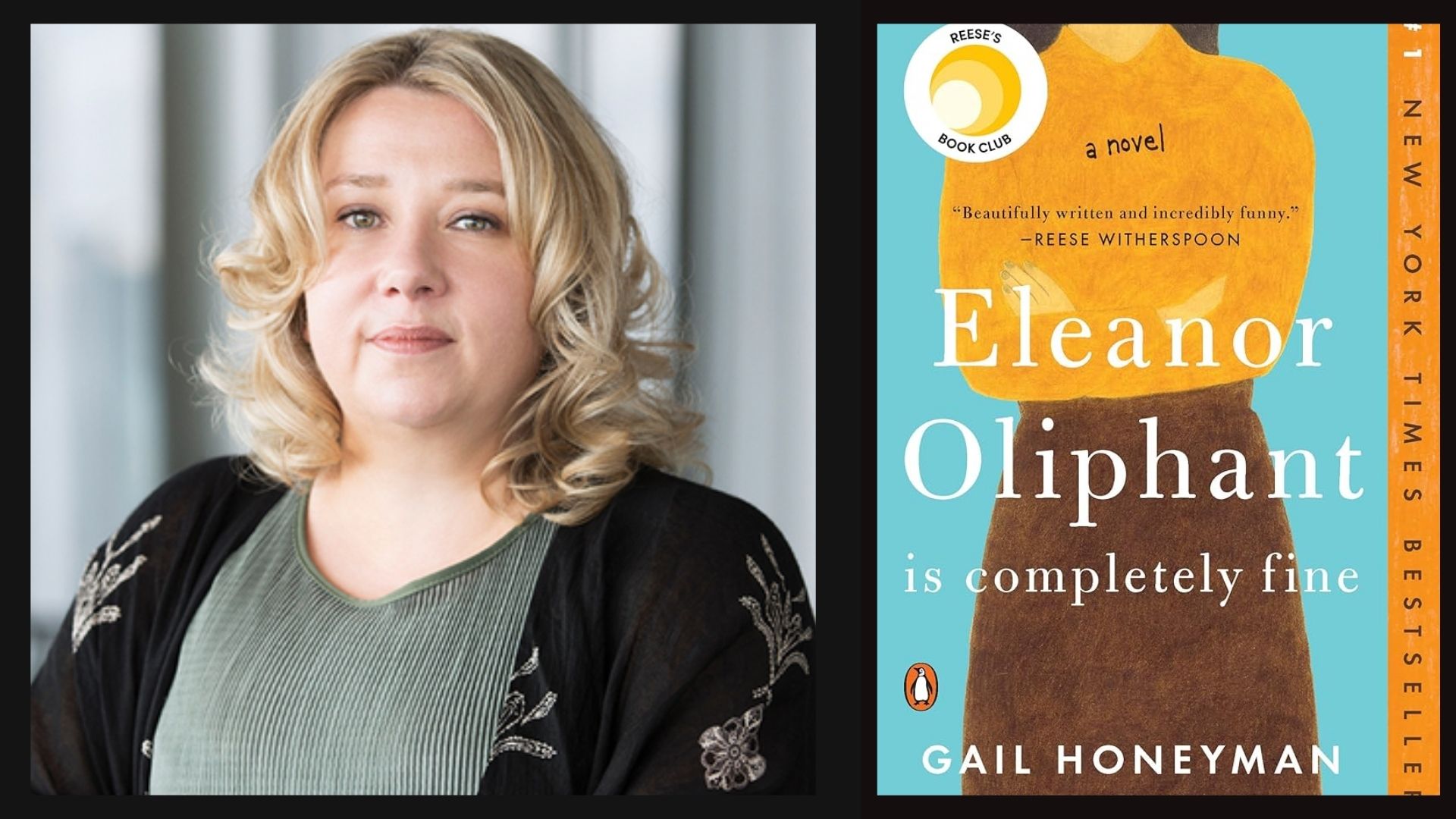
Eleanor Oliphant Is Completely Fine was written by Gail Honeyman and published in 2017.
It falls under contemporary and literary fiction. The story is set in Glasgow, Scotland, and runs about 320 pages.
On the surface, it reads quickly. But the emotional weight of it catches you off guard.
Honeyman blends dark humor with deep sadness in a way that feels honest rather than forced.
It’s the kind of book that looks simple from the outside but carries a lot beneath the surface.
Eleanor Oliphant Is Completely Fine Summary (Spoiler-Free)
Eleanor lives alone, follows the same routine every week, and keeps almost no human contact.
She works at a small company, buys the same groceries, and speaks to no one unless she has to.
Then she meets Raymond, a coworker, and together they help an elderly man named Sammy after he collapses on the street.
That small act of kindness starts to crack her walls open.
There are hints of a painful past she hasn’t fully faced. The story is hard in places but ends with real hope.
Main Characters
Here’s a quick look at who drives this story.
1. Eleanor Oliphant
Eleanor is rigid, blunt, and socially out of step with everyone around her. She says exactly what she thinks, which is often uncomfortable.
Behind her strange behavior is a history she has buried deep. She is hard to understand at first, but easy to root for.
2. Raymond Gibbons
Raymond works in IT at Eleanor’s office. He is warm, patient, and easy to like. He doesn’t push Eleanor to be someone she isn’t.
His quiet friendship becomes the most important relationship in the book.
3. Sammy
Sammy is an elderly man who collapses on the street near Eleanor and Raymond. He plays a small but important role.
His kindness and his family open Eleanor up to what normal human connection can look like.
4. Eleanor’s Mother
Eleanor’s mother appears through phone calls. She is cold, manipulative, and cruel. She holds a dark place in Eleanor’s life.
Her presence in the story reveals a lot about why Eleanor is the way she is.
Major Themes
This book carries more weight than its size suggests.
Loneliness and Isolation
Eleanor’s loneliness isn’t just about being alone. It’s about feeling cut off from the world in a deep, long-term way.
The book shows how a person can function on the outside while being completely disconnected on the inside.
Trauma and Mental Health
There is real trauma at the center of this story. Honeyman handles it carefully.
The book shows how unprocessed pain shapes daily behavior without ever feeling like a lecture or a textbook case.
Human Connection
Small moments of kindness matter a great deal in this book. Eleanor’s relationship with Raymond shows that connection doesn’t have to be dramatic to be meaningful.
Sometimes it just takes someone showing up consistently.
Self-Acceptance and Healing
Eleanor doesn’t fix herself overnight. The progress is slow and real. The book is honest about how hard it is to face your own past.
Healing here looks messy and hard, not neat or fast.
Reality vs Illusion
Eleanor builds a fantasy life in her head around a man she has never spoken to. It keeps her going, but it also keeps her stuck.
The gap between what she imagines and what is real becomes one of the key tensions in the story.
Writing Style and Literary Craft
Gail Honeyman writes in first person from Eleanor’s point of view. The voice is sharp, dry, and often funny in unexpected ways.
Eleanor observes the world with a strange kind of precision that makes you laugh and then feel guilty for laughing.
The writing never overexplains. It trusts the reader to pick up on what’s being left unsaid.
The pacing moves steadily without feeling rushed. Honeyman knows when to hold back and when to let something land.
It’s a controlled, confident style that makes the emotional moments hit harder.
Why Readers Love It
This book gets under your skin, in the best way possible.
Strengths
Eleanor’s voice is completely her own. You have never read a character quite like her.
The emotional payoff at the end feels earned, not forced. It lingers long after the last page.
Honeyman manages to say more in 320 pages than most authors do with twice the length.
Criticisms and Limitations
Some readers find the middle section slow. Eleanor is not easy to warm up to at first.
And the fantasy subplot, while interesting, can start to feel repetitive before it resolves.
The heavy focus on one woman’s inner world can feel isolating if you prefer plot-driven stories.
Goodreads & Amazon Ratings
Readers across the world have given this book high marks, and it shows.
Goodreads Rating: 4 out of 5, based on hundreds of thousands of ratings. A strong score for a debut novel.
Readers consistently point to Eleanor’s character and her emotional arc as the standout strengths.
Amazon Rating: 4.5 out of 5, with reviewers praising how relatable the story feels, even when Eleanor herself seems anything but.
Many readers say the book changed the way they think about loneliness and mental health.
The numbers reflect what the writing already tells you: this book connects.
My Personal Opinion After Reading This Book
I did not expect to care this much. Eleanor annoyed me at first, then made me laugh, then broke my heart. That shift is the whole point.
By the last few pages, I wasn’t ready to let her go. This book does something rare — it makes you feel seen through someone else’s pain.
Who Should Read This Book:
This book won’t be for everyone. But for some readers, it will be exactly right.
- You enjoy character-driven stories where the plot takes a backseat to internal growth.
- You’re drawn to books that deal honestly with mental health without being preachy.
- You like dark humor mixed with real emotional weight.
- You want a book that’s easy to read but hard to forget.
- You’re okay with a slow build that pays off strongly at the end.
If even two of those describe you, pick it up.
About the Author

Gail Honeyman is a Scottish author born in 1974. She studied at the University of Glasgow and later at Oxford.
Before publishing her debut novel, she worked in business development.
Eleanor Oliphant Is Completely Fine was her first book, and it became an international bestseller almost immediately after its 2017 release.
The novel won the Costa First Novel Award and was longlisted for the Women’s Prize for Fiction.
Reese Witherspoon chose it for her book club, which brought it to an even wider audience. Honeyman spent years working on the manuscript quietly before it found its publisher.
She writes with a precision and restraint that is rare in debut fiction.
Conclusion
If you’ve read this far, you already know this book is worth your time. Eleanor is not easy to like right away.
But she’s very easy to care about by the end.This Eleanor Oliphant Is Completely Fine summary only tells you so much.
The book does the rest.Drop a comment below if you’ve already read it.
And if you’re looking for your next read, check out our other book reviews right here.
Frequently Asked Questions
What is Eleanor Oliphant Is Completely Fine about?
A lonely, socially awkward woman learns to open up after an unexpected friendship changes her life.
Is Eleanor Oliphant Is Completely Fine based on a true story?
No, it’s fiction. But the themes of loneliness and trauma are very real.
Is this book appropriate for young readers?
It’s best for readers 16 and older due to mature themes.
Does Eleanor Oliphant Is Completely Fine have a happy ending?
Yes, it ends on a hopeful note.
Why is the book called Eleanor Oliphant Is Completely Fine?
Because “fine” is Eleanor’s shield. It’s what she says to keep people away.