

If your phone rang today and told you this was your last day, what would you do next? I found myself thinking about that question while reading They Both Die at the End.
In this They Both Die at the End summary, you and I will go through the full plot, major themes, ratings and much more.
As someone who regularly reviews young adult fiction with a close eye on story depth and emotional truth, I focus on what truly matters to readers.
By the end, you’ll clearly know what the book offers and whether it’s worth your time.
Overview of They Both Die at the End
They Both Die at the End by Adam Silvera is a young adult novel that mixes contemporary fiction with light speculative elements.
The story takes place in a world where a service called Death-Cast tells people the day they will die. That single idea drives the entire plot.
The novel follows Mateo Torrez and Rufus Emeterio, two teens who receive the call on the same day.
The story is told in dual perspectives, so we see events through both boys’ eyes. This style makes their fears, regrets, and hopes feel real. At its core, the book focuses on living fully, even when time is short.
They Both Die At the End Summary & Plot
In this world, a company called Death-Cast calls people on the exact day they will die. Mateo and Rufus are strangers who receive that call on the same morning.
What follows is one final day filled with fear, honesty, and unexpected connection. Here is how their story unfolds.
Mateo’s Story
Mateo Torrez is shy, anxious, and afraid of taking risks. He spends most of his life playing it safe.
When Death-Cast calls, he feels panic and deep regret for chances he never took. Over the day, he slowly steps outside his comfort zone and allows himself to truly live.
Rufus’s Story
Rufus Emeterio appears bold and confident, but he carries pain from losing his family in a tragic accident.
When he gets the call, he reacts with anger and restlessness. Instead of hiding, he looks for connection. Through an app, he meets Mateo, and their unexpected bond begins.
Their Day Together
Mateo and Rufus choose not to face their final hours alone. They visit the city, share personal fears, and talk about the lives they wish for.
Their friendship turns into love. By the end of the day, both boys grow in ways they never imagined possible.
Major Themes
This novel may talk about death, but its heart is about life. While reading, I felt the themes were simple yet deeply moving. Here are the main ideas that shape the story.
Carpe Diem and Mortality
The book strongly reflects the idea of living fully, even when time is short. Mateo and Rufus know they will die before midnight.
That knowledge pushes them to take risks and speak honestly. It shows how fear of death can actually teach people how to live.
Friendship and Love
Under extreme pressure, real bonds form quickly. Mateo and Rufus begin as strangers but grow close within hours.
Their connection feels intense because time is limited. The story shows how friendship can turn into love when people choose honesty, trust, and emotional openness.
Identity and Self-Discovery
Both boys learn more about themselves on their final day than ever before. Mateo finds courage he did not know he had.
Rufus allows himself to be vulnerable. In facing death, they understand who they truly are and who they wish they had been.
Key Characters
The novel feels powerful because of its strong characters. Each one adds emotion and depth to the final day.
Mateo Torrez
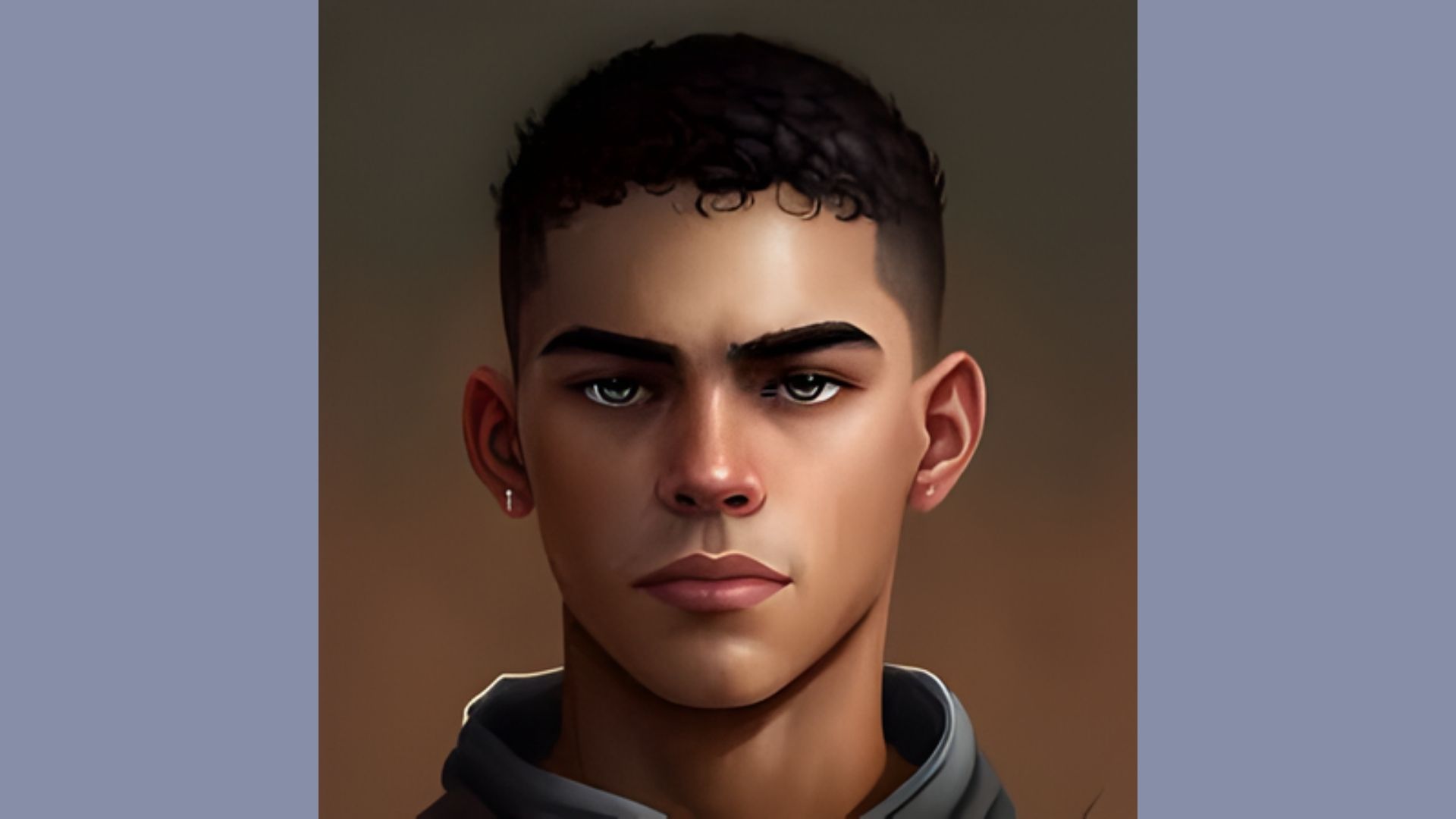
Mateo is shy, anxious, and afraid of taking risks. He spends much of his life hiding from the world.
After getting the call, he feels regret and fear. Over the day, he slowly becomes braver, speaks honestly, and allows himself to experience love and connection.
Rufus Emeterio
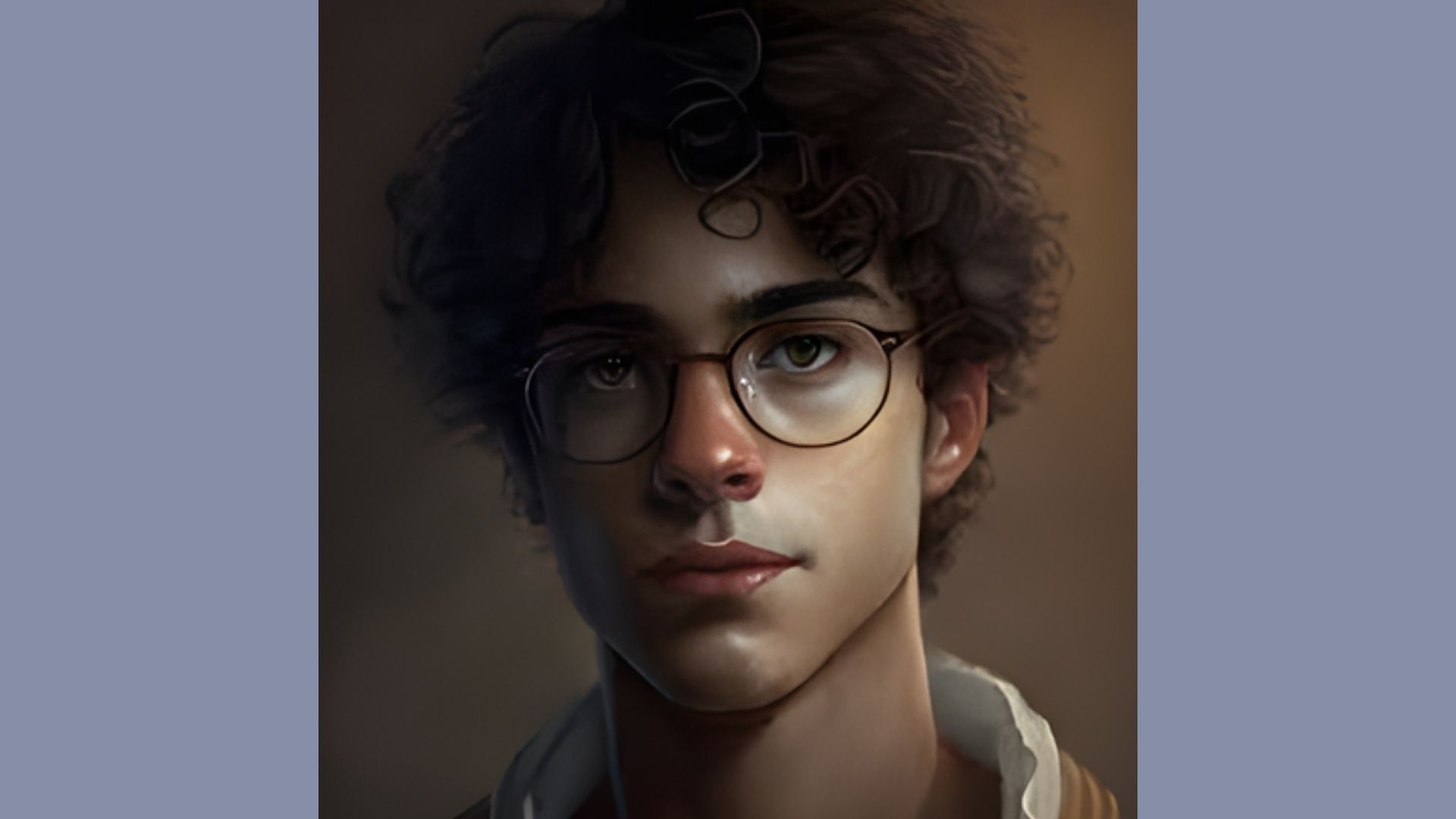
Rufus is charismatic, impulsive, and shaped by deep loss after his family’s death. He often acts tough but hides pain inside.
When he gets the call, he chooses action over fear. His bold personality balances Mateo’s caution, helping both boys grow stronger together.
Supporting Characters
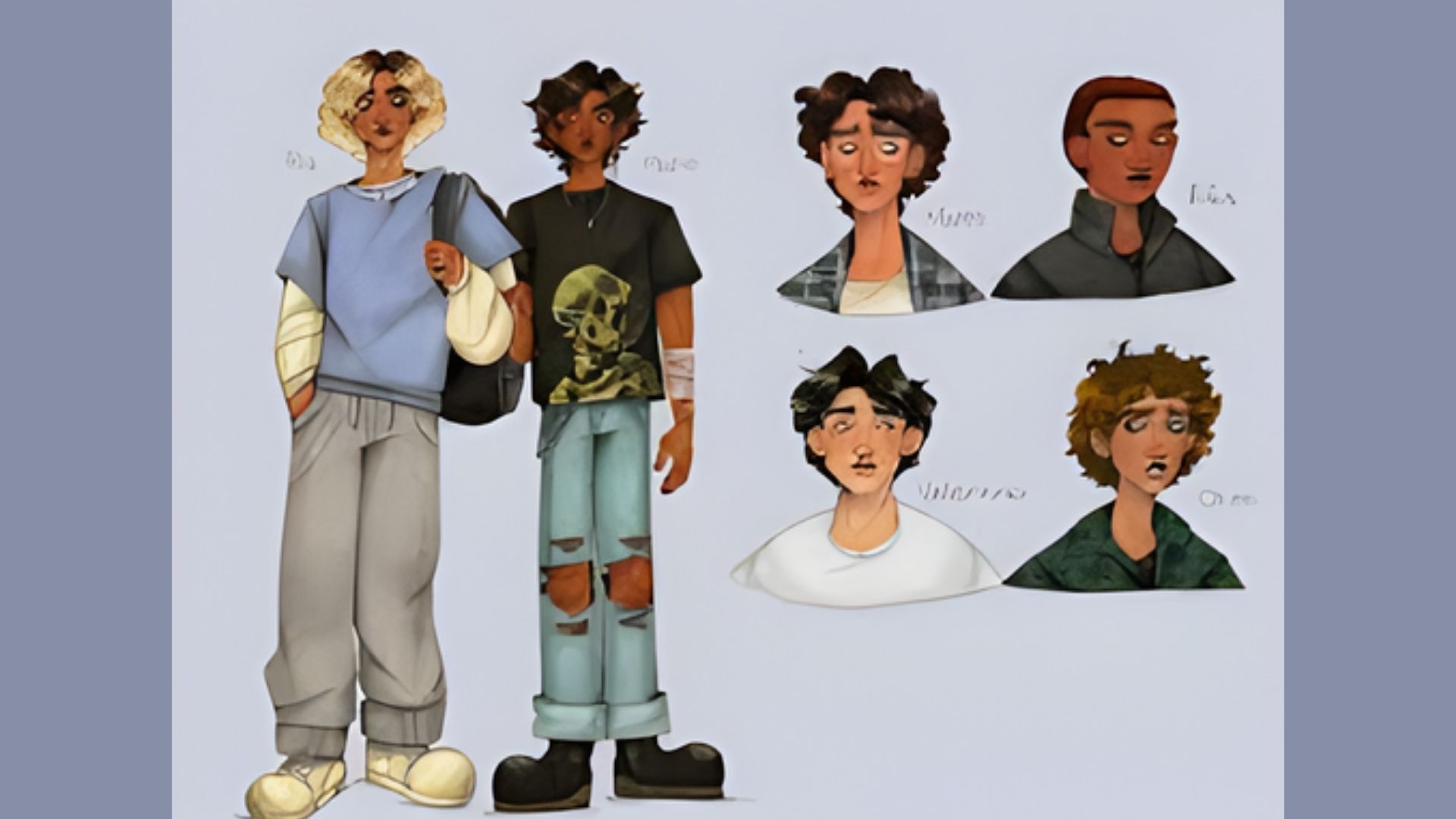
Lidia, Mateo’s best friend, shows loyalty and quiet strength. Rufus’s friends offer support, even in hard moments.
Aimee brings emotional tension from Rufus’s past. These characters shape key decisions and make the boys’ final day feel real and connected.
Romance and Spoilers
The romance develops within a single day. It is direct, honest, and shaped by limited time.
Slow-Building Connection: Mateo and Rufus meet through the Last Friend app after receiving the Death-Cast call. They share personal fears and regrets.
Their bond develops through honest conversation and shared experiences, leading to mutual romantic feelings.
Emotional Intensity: Knowing they will die removes hesitation. They speak openly about love and fear. Their relationship forms quickly because of limited time, but it is based on emotional clarity and trust.
Spoiler Alert , Final Moments: They confess their love before the end. Mateo dies in a gas explosion at home. Rufus later dies after being struck by a car, fulfilling the title.
Writing Style and Narrative Technique
Adam Silvera writes the novel in dual POV, switching between Mateo and Rufus in short, clear chapters.
This style helps readers understand both characters deeply. The prose is simple but emotionally strong, making the feelings direct and real.
The story moves at a steady pace across one single day. Short chapters maintain tension. Dialogue feels natural and believable.
The emotional tone stays consistent, allowing readers to connect closely with the characters’ fear, honesty, and growing love.
Reader Ratings & Reception
I checked both major reader platforms to see how They Both Die at the End by Adam Silvera was received, and this is what the ratings show.
Goodreads rating: 3.9/5. Readers praise the emotional impact, diverse representation, and meaningful themes. Some feel the pacing is uneven and say certain side characters could have been developed more.
Amazon rating: 4.5/5. Many highlight the heartbreaking romance and simple writing style. A few readers mention that the ending feels predictable because the title reveals the outcome.
Fans connect deeply with Mateo and Rufus. Criticisms mainly focus on pacing and expectations about the plot’s tension.
About the Author
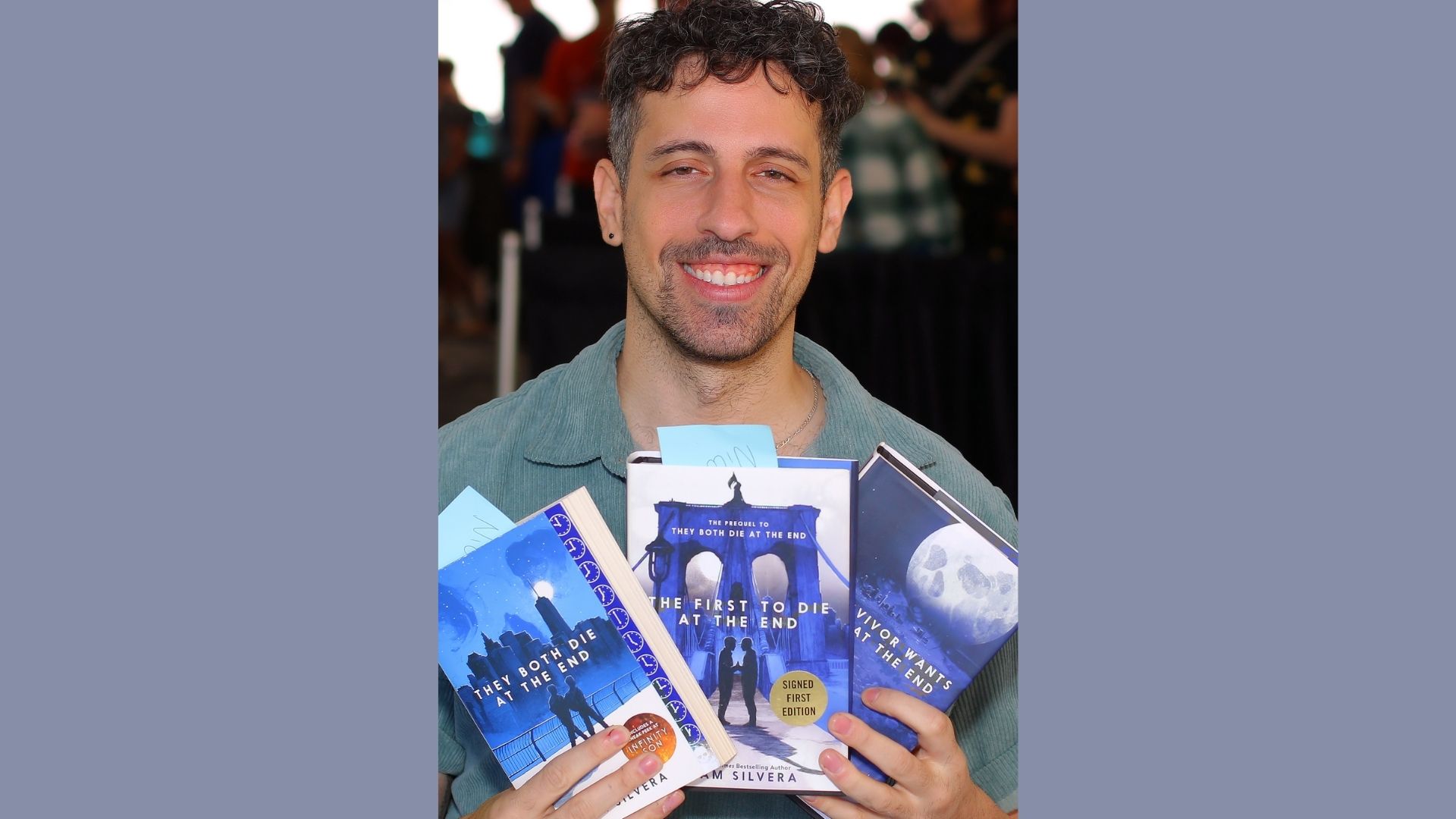
Adam Silvera is an American young adult writer known for emotional and character-driven stories. Before becoming a full-time author, he worked in publishing and as a bookseller.
His debut novel, More Happy Than Not, gained attention for its honest portrayal of memory, identity, and mental health.
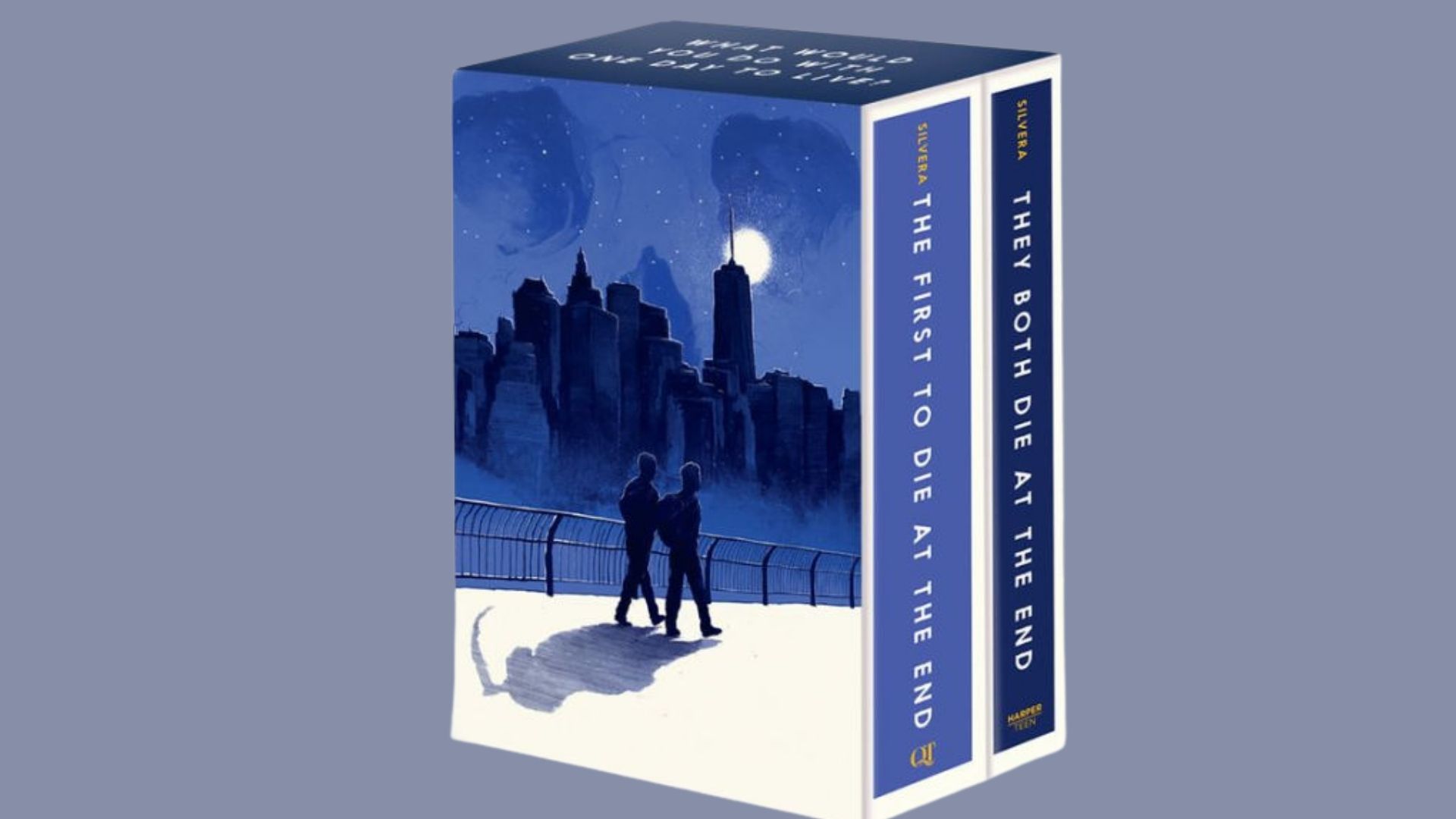
He also wrote the fantasy series beginning with Infinity Son and later returned to the Death-Cast world with The First to Die at the End.
Silvera’s writing style is direct and heartfelt. He often focuses on queer identity, grief, love, and the impact of loss.
His stories center on flawed teens learning who they are under difficult circumstances.
Conclusion
After reading They Both Die at the End, I felt how strongly one day can change everything.
Through Mateo and Rufus, you see how fear, love, and choice shape a life, even when time is limited.
This They Both Die at the End summary shows that the story is less about dying and more about how you live.
If you’ve read the book, think about what stayed with you. If you haven’t, maybe this is the sign to pick it up and feel it for yourself.
Frequently Asked Questions
Is They Both Die at the End Part of a Series
Yes. The novel has a prequel titled The First to Die at the End. It takes place in the same Death-Cast universe but follows new characters and events from an earlier timeline.
Is The Book Suitable For Younger Teens
It is written for young adults. The language is accessible, but the story deals with death, grief, and emotional loss, which may feel heavy for very young readers.
Is There A Movie Or TV Adaptation
There is no released film or television series yet. Adaptation rights have been reported to be in development, but no official release has been announced.
Does The Story Focus More On Plot Or Emotions
The novel centers more on emotional growth and relationships. The main tension comes from internal struggles rather than action or dramatic twists.
Why Do Readers Connect With Mateo And Rufus
Their fears and regrets feel realistic. Many readers relate to their desire to take chances and express love when time feels limited.