

Some books stay with you long after you finish them. Dark Places by Gillian Flynn is one of those books. I read it cover to cover, and this article offers a clear, honest breakdown of what to expect.
You’ll find a spoiler-free overview of the story, a section with clearly marked spoilers, a look at the main themes, and my personal opinion after reading it. I focus on what the book does well and where it may not work for every reader.
There’s no hype and no harsh criticism here. Just a straightforward take to help you decide if Dark Places is worth your time. If you’re unsure about reading it, this guide will help you make a confident choice.
Synopsis of Dark Places
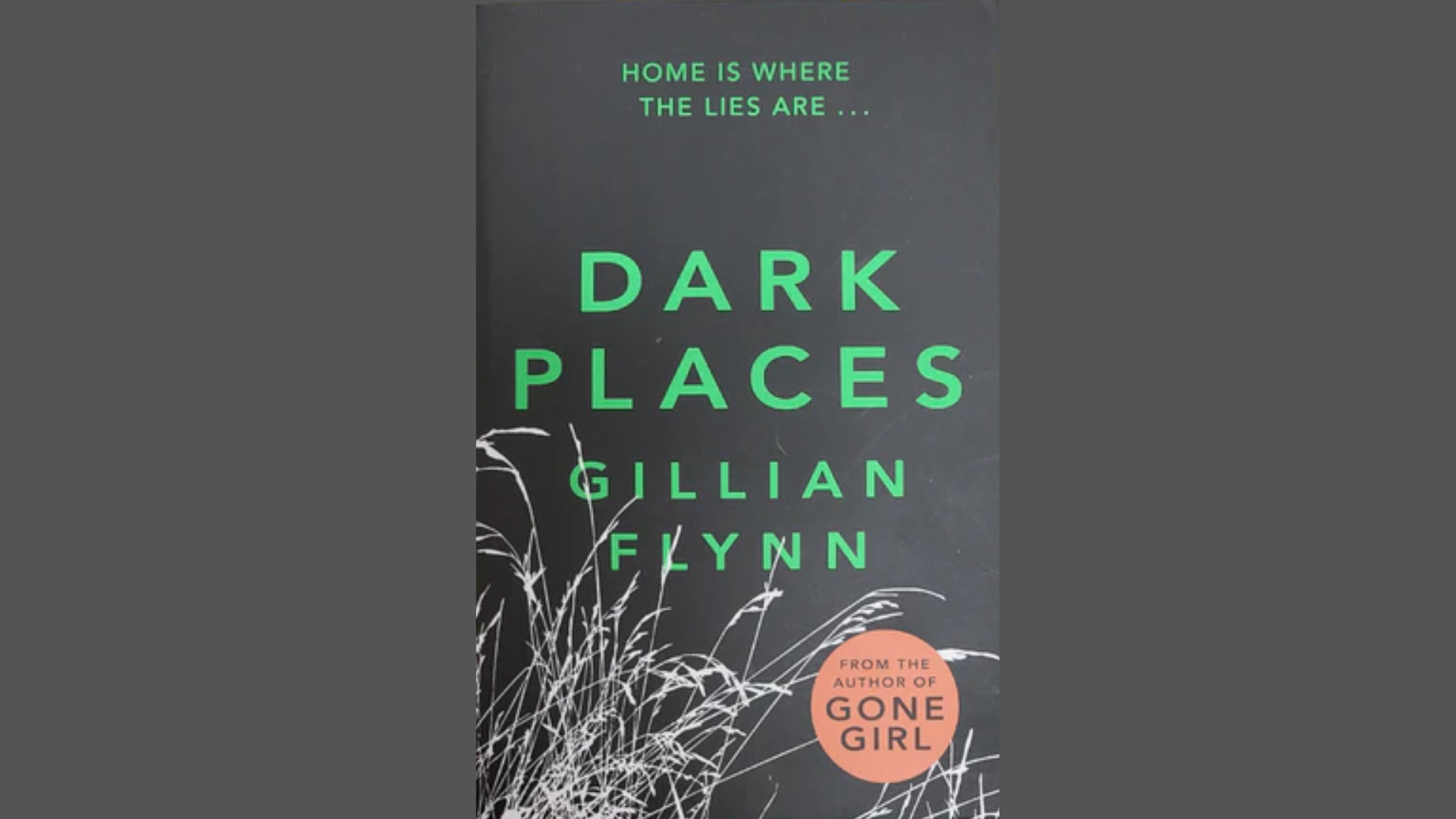
The story starts in 1985 in rural Kansas. Seven-year-old Libby Day survives the brutal murder of her mother, Patty, and her two sisters, Michelle and Debby. Her testimony helps convict her teenage brother, Ben. He goes to prison. Libby moves on or tries to.
Fast forward to 2009. Libby is 31 and running out of money. A true crime group called the Kill Club reaches out to her. They believe Ben is innocent. She doesn’t want to dig up the past. But she needs the cash. So she agrees to reexamine the case.
What follows is not a clean investigation. The novel jumps between past and present, slowly pulling back the curtain on what really happened that night. The deeper Libby digs, the more uncomfortable the truth becomes. This is not a story that wraps up neatly.
Major Themes in Dark Places
Dark Places is not just a thriller. It is a novel packed with ideas that reflect real human fears and failures. These themes are what make it stick with you long after you finish.
The Satanic Panic and Moral Hysteria
The story is rooted in the real 1980s Satanic Panic. Communities across America convinced themselves that devil worship was everywhere. Fear replaced logic. That fear helped put Ben Day in prison.
Flynn shows how quickly public hysteria can destroy a person’s life. No solid evidence needed. Just enough paranoia and a child’s testimony. It is one of the most chilling parts of the book.
Trauma and Memory
Libby carries her childhood with her everywhere. It shapes how she thinks, how she behaves, and how she sees other people. She is not easy to like. But she is easy to understand.
Her memories are also unreliable. The novel asks a quietly unsettling question. How much can you trust what you remember? That question runs through every chapter.
Poverty and Desperation
The Day family is broken. The farm economy has collapsed, and Patty is drowning in debt. Desperation drives the whole story forward. It pushes ordinary people toward decisions that cannot be undone.
Flynn does not judge these characters for their choices. She just shows what happens when there are no good options left. That honesty is what makes it feel real.
Female Complexity and Rage
Flynn writes about women who are messy, difficult, and fully human. Patty is exhausted. Diondra is manipulative. Libby is bitter and emotionally shut down. None of them is easy to root for.
That is the point. These are not simple characters built for your sympathy. They are complicated people making complicated choices. Flynn does not apologize for that.
Exploitation of Tragedy
Libby has lived off her trauma for years. Donations from strangers kept her going. The Kill Club turns real murders into weekend entertainment. The novel quietly calls all of this out.
It also points the finger at the reader. True crime is massively popular. Dark Places asks whether that fascination comes at someone else’s expense. It is an uncomfortable question. Flynn wants it to be.
Character Analysis
Dark Places has no heroes. Every character is flawed, damaged, or both. That is exactly what makes them feel real.
Libby Day
Libby is not easy to like. She is angry, careless with money, and emotionally shut off from everyone around her. But once you understand what she has been through, she makes complete sense.
Her story is not about becoming a better person. It is about facing the truth instead of running from it. That is a harder path than it sounds.
Ben Day
Ben is awkward and misunderstood. As a teenager, he drifts toward the wrong crowd at exactly the wrong time. The Satanic Panic is at its peak. And Ben looks the part.
Whether he actually committed the murders is the question the whole novel builds toward. Flynn keeps you guessing. She does it well.
Patty Day
Patty is a single mother holding everything together with nothing left. The farm is failing. The bills are piling up. Her love for her children is real, and so is her exhaustion.
She is not a victim in the simple sense. She is a woman out of options. That distinction matters.
Diondra Wertzner
Diondra is selfish, volatile, and dangerous. She pulls Ben into her world at the worst possible moment. She does not cause the tragedy alone. But she makes it much worse.
She represents the kind of chaos that hides in plain sight. No one sees her clearly until it is too late.
Writing Style and Narrative Structure
Flynn tells this story from multiple points of view. Present-day Libby narrates in the first person. The 1985 chapters follow Patty and Ben in third person. Switching between timelines keeps you off balance. That is entirely the point.
Each chapter drops a new piece of the puzzle. You never get the full picture at once. Flynn controls what you know and when you know it. The tension builds slowly and quietly until it does not.
The prose is sharp and unsparing. The violence is graphic. The tone is bleak from the first page to the last. Rural Kansas feels isolated and suffocating throughout the novel, and that atmosphere is not accidental. Flynn uses the setting to mirror how trapped every character feels. It is a deliberate creative choice, and it works.
Critical Reception
Dark Places earned serious critical attention and strong reader ratings across the board.
Goodreads: Around 4 out of 5 stars based on a large volume of reader ratings. The majority of readers rated it 4 or 5 stars. Many describe the twist and dual timeline as what sets it apart from other thrillers.
Amazon: 4.5 out of 5 stars across multiple editions. Readers consistently praise Flynn’s psychological depth and her ability to write morally complex characters. The pacing draws frequent mention in positive reviews.
Awards and Recognition: Dark Places appeared on The New York Times Bestseller list after its release. It cemented Flynn’s reputation as one of the sharpest voices in modern crime fiction.
The novel was adapted into a 2015 film starring Charlize Theron, though most readers agree the book goes deeper.
What Reviewers Are Saying:
Readers on Goodreads call it darker and more disturbing than Gone Girl. Many say it stayed with them for days after finishing. The structure and slow reveal are the most praised elements.
Critics highlighted Flynn’s ability to write damaged women without softening them. The character work, especially Libby and Patty, is what most reviewers remember longest. Some found the darkness overwhelming, but very few called it gratuitous.
Notable Reviews and Recognition
Dark Places received strong critical attention upon release and was widely discussed by major publications in 2009. It was not a quiet release. Critics took notice fast, and readers followed.
The novel is widely discussed for its portrayal of the Satanic Panic. That alone set it apart from other thrillers at the time. It is frequently compared to Gone Girl, though many readers find it darker and harder to shake. The comparison is fair, but it does not tell the whole story.
Readers often describe it as disturbing but unforgettable. The flawed characters are a major strength for fans of the book. These are not clean, polished people. They are messy and real. That is what stays with you.
My Personal Reading Experience
I did not expect this book to get under my skin the way it did. Libby’s bitterness feels genuine. The shifting timelines kept me second-guessing everything. Flynn never takes the easy route, and I respect that.
Some scenes are hard to sit through. The violence is blunt. The emotional coldness is just as heavy. But that discomfort is doing something. It keeps you invested in a way that comfortable books never could.
The ending does not wrap things up neatly. It does not try to. What it gives you instead is truth, and that feels like a deliberate choice. Flynn is not writing to make you feel better. She is writing to make you think. That stayed with me.
The Movie Adaptation
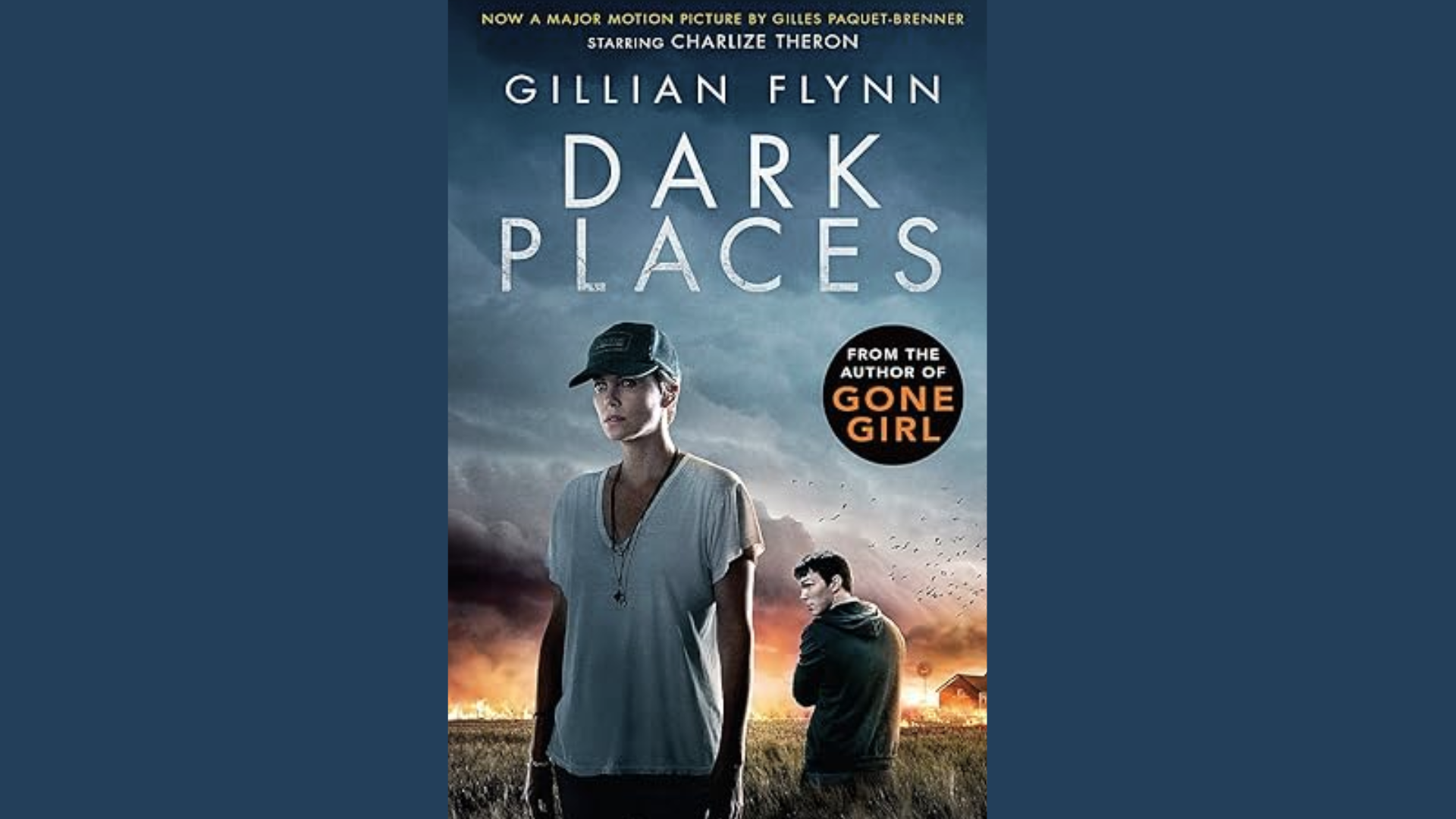
Dark Places was adapted into a 2015 film directed by Gilles Paquet-Brenner.
The film stars Charlize Theron as Libby Day, with Nicholas Hoult as Lyle and Christina Hendricks as Patty Day. The adaptation attempts to stay faithful to the novel’s dark tone and dual timeline structure.
While the movie captures the core mystery and bleak atmosphere, it condenses several subplots and psychological layers. The book provides deeper insight into Libby’s internal struggles and the emotional weight of the past.
The film offers a more streamlined thriller experience but lacks some of the novel’s complexity.
Reading the book first allows for a fuller understanding of the characters’ motivations and the layered truth behind the murders. The movie works as a companion piece, but the novel remains the more powerful version of the story.
About the Author: Gillian Flynn

Gillian Flynn writes dark psychological thrillers. Her characters are flawed, complicated, and impossible to look away from. Before she became a bestselling novelist, she worked as a television critic.
Flynn changed what psychological thrillers could look like. She put morally complex women at the center of her stories. Not victims. Not heroes. Just real, messy, difficult people. That was a shift the genre needed.
If Dark Places is your first Flynn novel, it will not be your last. Her writing gets under your skin. It stays there.
Conclusion
I hope this Dark Places book summary gives you a clear picture of what you are getting into. This is not a comfortable read. It is dark, violent, and emotionally heavy from start to finish.
If you enjoy psychological thrillers that deal with trauma, unreliable memory, and social hysteria, this one is worth your time. Flynn does not hold back. She does not wrap things up cleanly either. That is what makes it hit harder than most thrillers.
Have you read Dark Places? I would love to hear your thoughts in the comments below.
Frequently Asked Questions
Is Dark Places based on a true story?
No. The novel is fictional, but it draws inspiration from the real 1980s Satanic Panic, when false accusations and hysteria influenced criminal investigations and trials.
How dark is Dark Places compared to Gone Girl?
Dark Places is generally darker and more disturbing than Gone Girl, with graphic violence, child murder, and a heavier emotional tone throughout.
Is Ben Day innocent?
The novel reveals a layered truth involving manipulation, desperation, and more than one person playing a role in the tragic events.
What genre is Dark Places?
It is a psychological thriller with elements of crime fiction and mystery. The story blends investigative suspense with deep character study and social commentary.
Should I read the book before watching the movie?
Yes. The novel provides deeper psychological insight and backstory than the 2015 film adaptation starring Charlize Theron.