


Spelling practice does not have to feel like a chore.
I have seen kids go from dreading word lists to actually asking for more practice, and the difference was simple:the right activity.
In this guide, I am sharing 11 of the best spelling word activities that work for all ages, from early learners to older students. You will find hands-on ideas, movement-based games, and creative methods that make words stick.
These activities are built on real classroom and home practice, not guesswork. Whether your child is a visual learner or loves to move around, there is something here that will work.
Why Creative Spelling Word Activities Improve Learning

Creative approaches to spelling go far beyond flashcards and drills. When students use more than one sense, like writing in sand or clapping each letter, words stick better.
Kids who move during learning stay focused and feel less frustrated. Spelling is also connected to reading, phonics, and vocabulary, so stronger spelling leads to better overall language skills.
A six-year-old and a twelve-year-old need different approaches, and matching the right activity to the right learner makes all the difference in how well and how fast they improve.
11 Best Spelling Word Activities for Kids and Students
These tried-and-tested spelling word activities make practice engaging, effective, and enjoyable for learners at every level.
1. Mind's Eye Visualization Activity

Ask the student to close their eyes and mentally see the word written out. Then ask them to spell it forward, then backward.
This builds visual memory and helps students recall words during tests without needing to physically write them first.
2. Color Coding Spelling Words
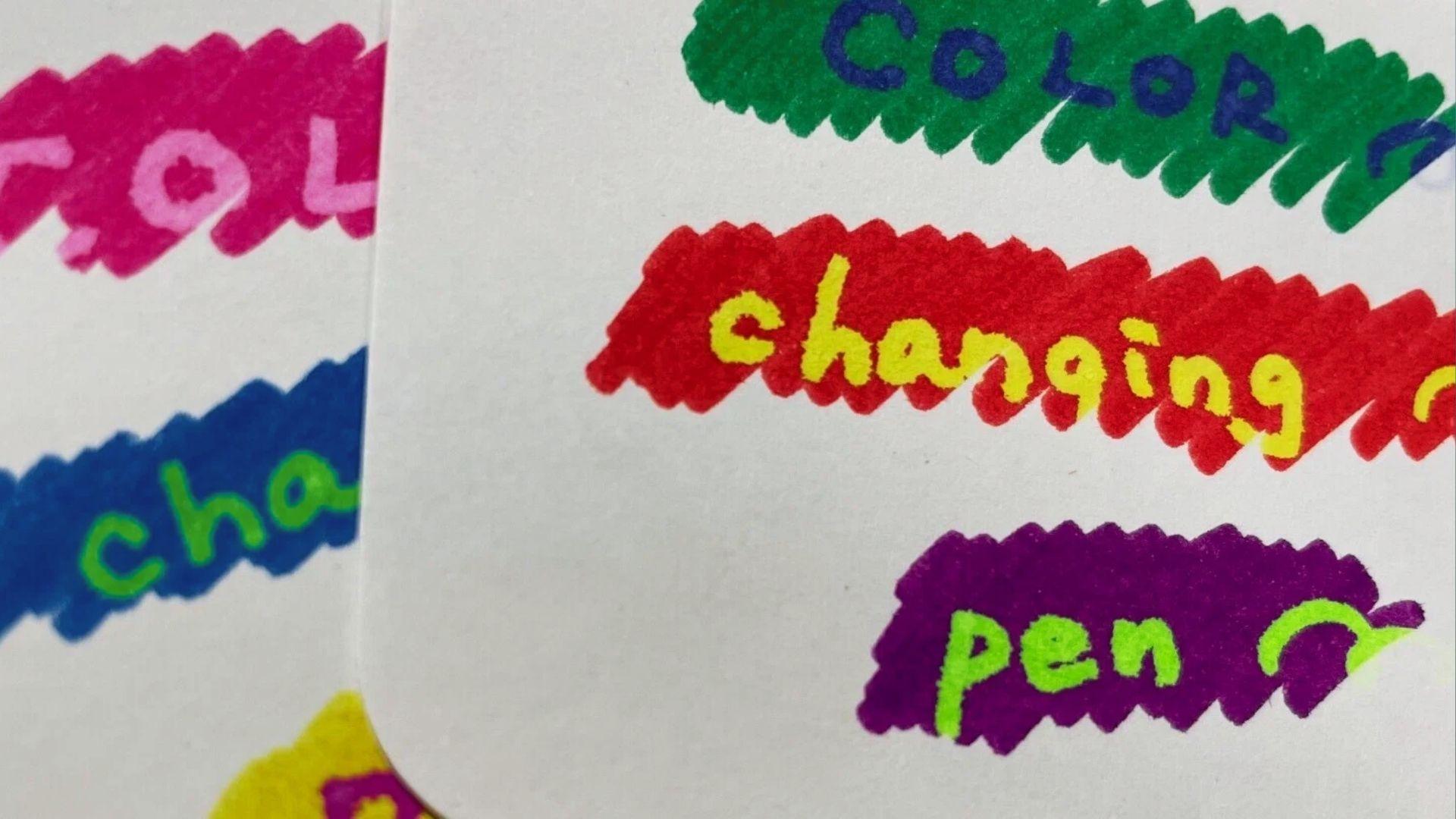
Give students colored pens or markers. Ask them to write vowels in one color and consonants in another.
This visual separation helps students notice word patterns, making it easier to remember tricky spellings over time.
3. Air Writing and Finger Tracing

Have students write spelling words in the air with their full arm, or trace letters on a textured surface like sandpaper.
The muscle movement creates a physical memory of how the word is formed. This works especially well for students who struggle with pencil-and-paper drills.
4. Magnetic Letter Word Building
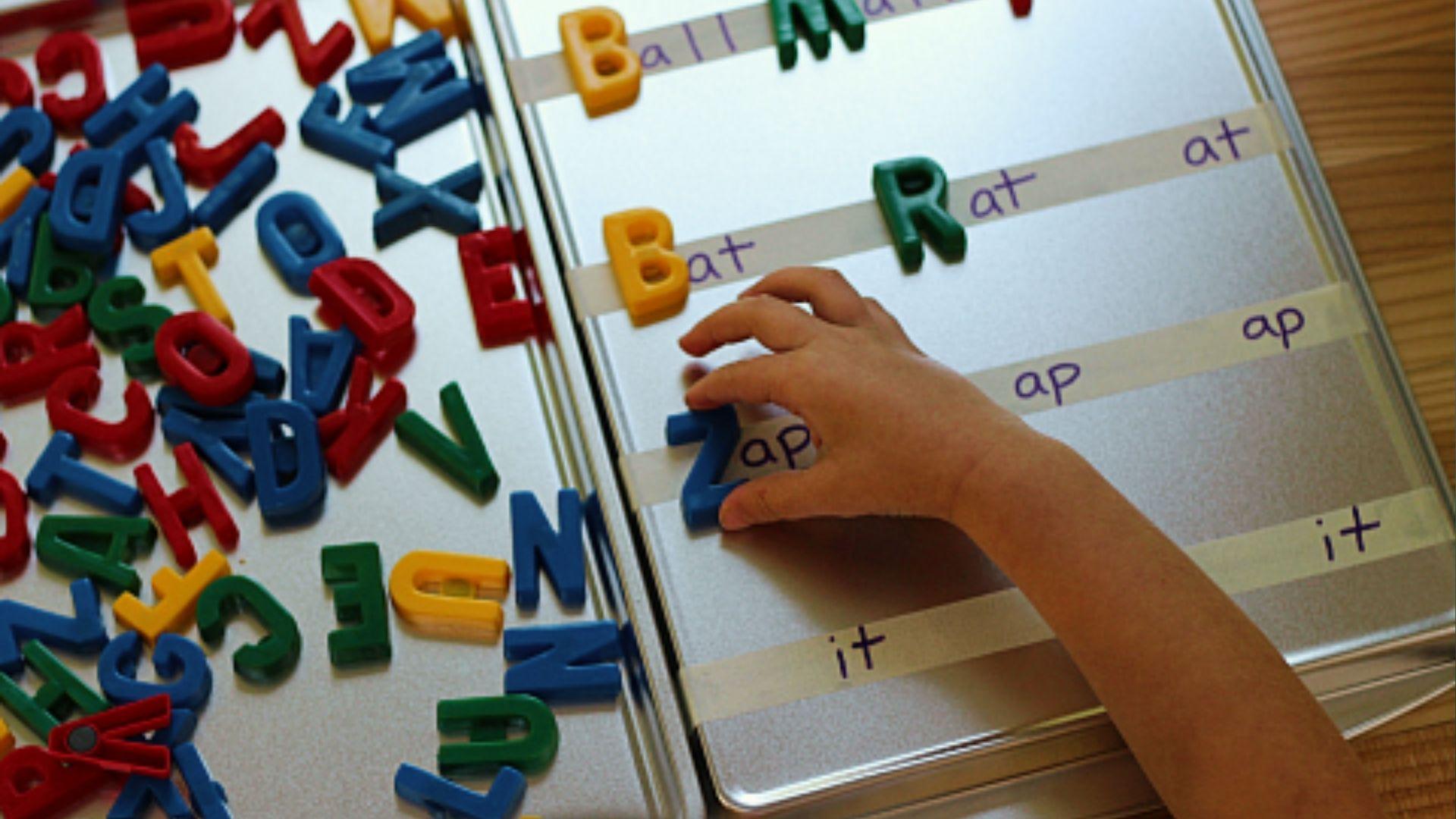
Use a magnetic board or fridge magnets to let students build their spelling words letter by letter.
The hands-on process of placing each letter slows down the learning just enough to make each word stick.
5. Bounce and Spell Game

Give the student a ball and ask them to bounce it once for each letter as they spell the word out loud.
This adds rhythm to the process, which helps with memorization. It also makes spelling feel more like play than work.
6. Body Letter Spelling Challenge

Students use their arms, legs, or whole body to form the shape of each letter. Then they put the letters together to spell the word.
This is great for kinesthetic learners and works well in group settings where energy is high.
7. Spelling Relay Race

Divide students into two teams. Call out a spelling word and have one student from each team race to write a letter on the board.
They alternate letters until the word is complete. The first team to spell it correctly wins. This activity builds both speed and accuracy.
8. Ghost Spelling Activity

Have students write spelling words with a white crayon on white paper. Then they use a watercolor wash over the page to reveal the hidden words.
This creative activity makes spelling feel like an art project and keeps students excited about practice.
9. Context Clue Sentence Challenge

Ask students to use each spelling word in a sentence that gives a clear context clue for its meaning.
This goes beyond memorization. It connects spelling to real language use and builds vocabulary at the same time.
10. Word Search and Puzzle Activities
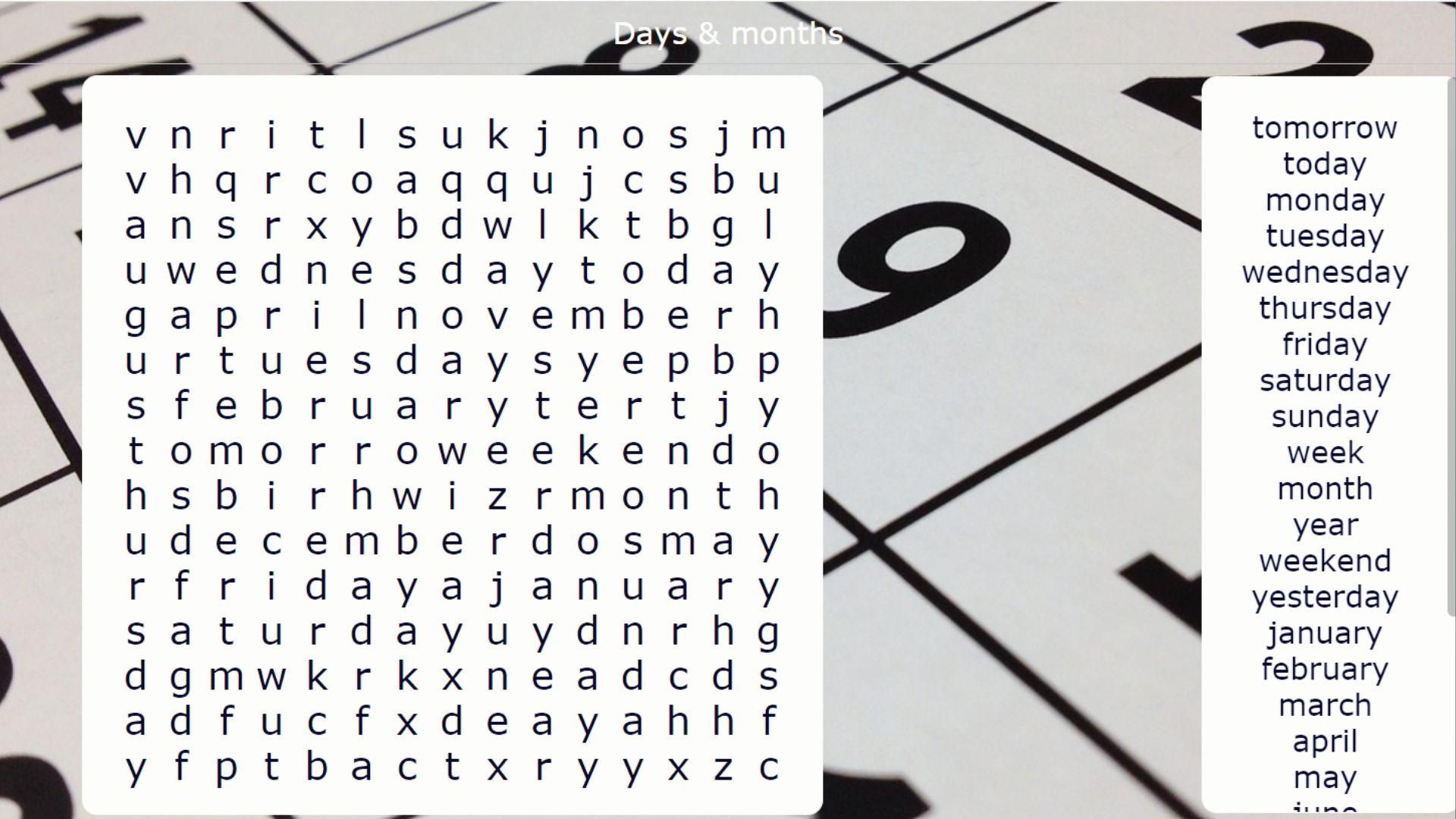
Create or print word searches using the current spelling list. Searching for words visually strengthens recognition and recall.
Students also enjoy the puzzle format, which removes the pressure of a formal quiz.
11. Add-On Story Spelling Game
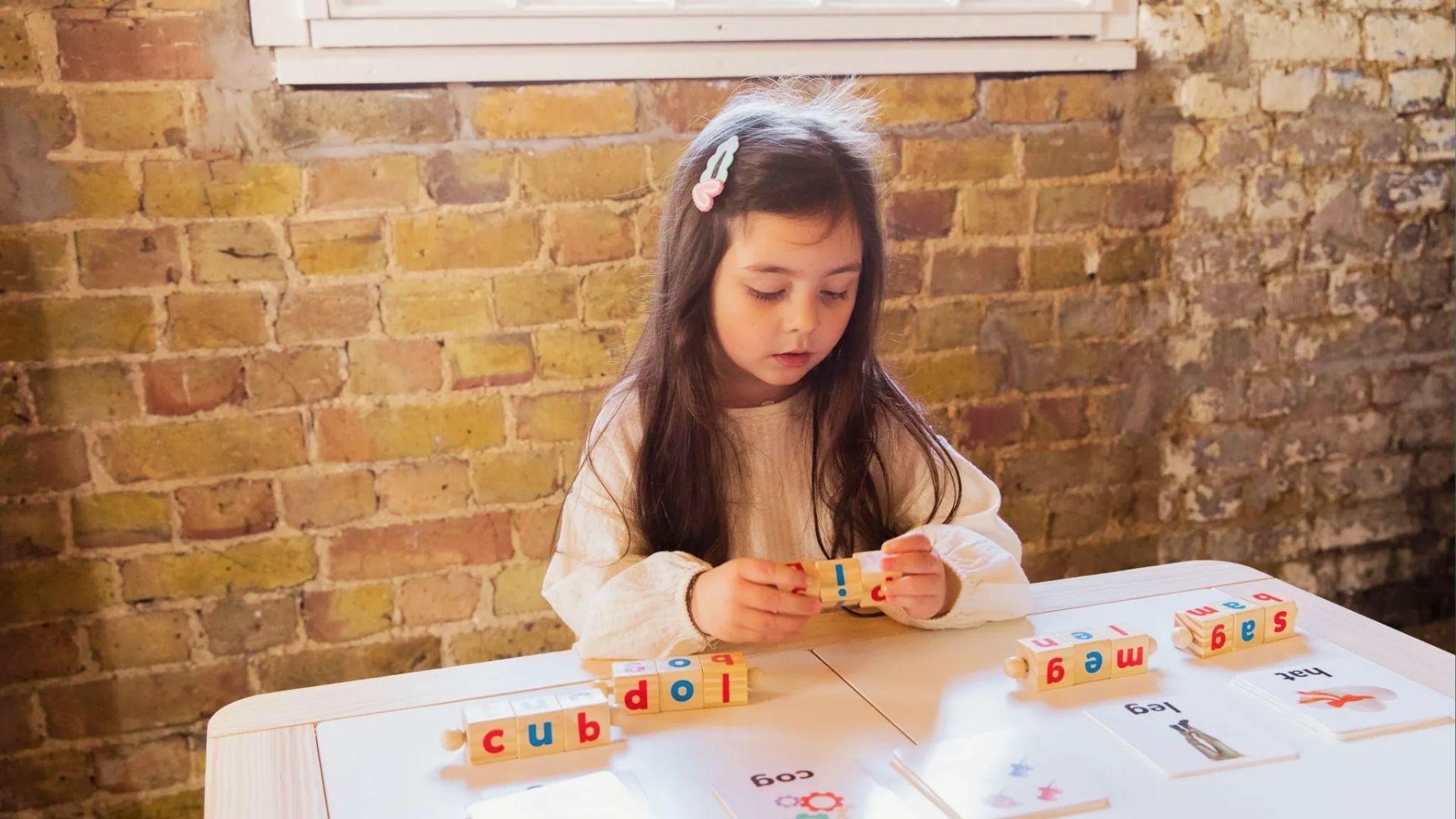
One student starts a story using a spelling word. The next student adds a sentence using another word from the list.
Keep going until all words are used. This builds spelling confidence and creativity at the same time.
Common Mistakes to Avoid During Spelling Practice

Avoiding these common errors can save time and keep students from losing interest in spelling.
Depending Only on Memorization
Memorizing a list for Friday's test and forgetting it by Monday is a very common pattern.
Without connection to meaning or sound, words do not stay in long-term memory. Pair memorization with activities that build deeper understanding.
Repeating the Same Spelling Drills Every Week
Using the same worksheet every week leads to boredom and disengagement.
Rotate through different activity types to keep practice feeling fresh. Students who look forward to spelling time learn more without even realizing it.
Ignoring Phonics and Pronunciation Support
Spelling and phonics go together. If a student is mispronouncing a word, they will likely misspell it too.
Always say words out loud, break them into syllables, and connect letters to their sounds during practice.
Making Spelling Practice Too Long or Frustrating
Long spelling sessions lead to mental fatigue. Keep practice to 10 to 15 minutes and stop before frustration sets in. A short, positive session is always better than a long, stressful one.
Tips for Making Spelling Word Activities More Effective
Small adjustments to how you run spelling practice can lead to big improvements in results.
- Mix visual, auditory, and hands-on approaches in the same week to reach different learning styles.
- Teach spelling patterns like silent letters or vowel pairs so students can apply rules to new words.
- Keep each spelling session to 10 to 15 minutes to maintain focus and avoid burnout.
- Celebrate progress with verbal praise, stickers, or a small reward system to build positive associations with spelling.
- Use the words in context by having students write original sentences or short stories, so they practice spelling within meaningful, memorable phrases rather than in isolation
Conclusion
When spelling practice is connected to movement, creativity, and meaning, words move into long-term memory. Students stop dreading word lists and start owning them.
I started using these spelling word activities with my own students after noticing how quickly traditional drills lost their attention. The shift was immediate. More engagement, fewer tears, and stronger test scores.
Try one new activity this week and see how your student responds. Small changes add up fast.
If this guide helped you, share it with another parent or teacher who could use it. Drop a comment below with your favorite activity from the list. I would love to hear how it goes.
Frequently Asked Questions
What Are the Best Spelling Word Activities for Kids?
The best activities use movement, color, or hands-on materials. Bounce and spell, magnetic letter building, and ghost writing are all strong options that keep kids engaged and learning.
How Can I Make Spelling Practice More Fun?
Switch up the format every few days. Use games, art-based activities, or team challenges instead of the same worksheet. Variety keeps motivation high and makes practice feel less like work.
Which Creative Spelling Word Activities Work Best for Students?
Activities that connect spelling to meaning, like context clue sentences or add-on stories, tend to produce the strongest results. They build vocabulary and comprehension alongside spelling skills.
Are Movement-Based Spelling Activities Effective?
Yes. Research and classroom experience both show that physical movement during learning helps with focus and memory. Body spelling and relay races are especially effective for active learners.
How Often Should Students Practice Spelling Words?
Short sessions four to five times a week work better than one long weekly session. Consistent, brief practice builds stronger spelling habits over time and reduces test anxiety.