

I picked up Yellow Wife expecting a straightforward historical fiction story.
What I got was something far heavier and far more human.
If you are looking for a clear Yellow Wife summary, want to know if it is worth reading, or just need a simple breakdown before you decide, you are in the right place.
In this post, I’ll cover the full plot, major themes, key characters, writing style, and my honest opinion.
No fluff. Just a trustworthy, no-nonsense breakdown so you can make up your own mind.
Quick Book Overview
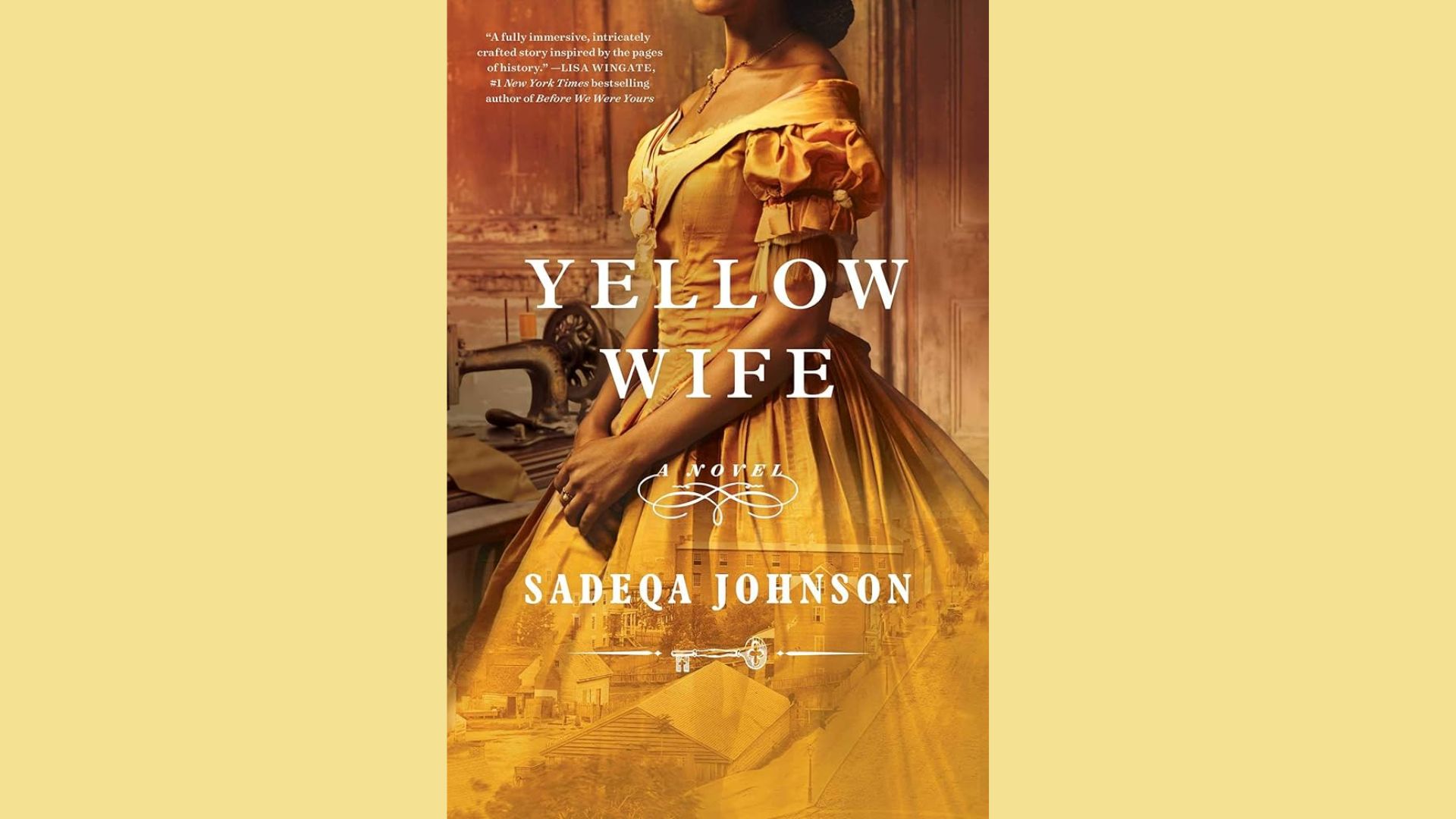
Yellow Wife by Sadeqa Johnson is a historical fiction novel published in 2021, set in pre-Civil War Virginia.
It is inspired by the real conditions of slave jails like the Devil’s Half-Acre in Richmond, which gives the story a haunting sense of reality.
The book follows Pheby Brown, a mixed-race enslaved woman who grows up with the promise of freedom, only to have that promise ripped away.
What follows is a raw, emotionally heavy story about survival, motherhood, and the brutal mechanics of a system built to destroy people from the inside out.
Yellow Wife Summary (Spoiler-Free)
Pheby Brown grows up believing she is different from other enslaved people. She is educated, protected, and promised freedom at the age of 18.
But when that promise is broken, her world falls apart fast. She is sold and taken to a notorious slave jail where people are bought, punished, and controlled under extreme violence.
There, she is forced into a relationship with the jail owner while witnessing cruelty she was never prepared for.
She becomes a mother and must make impossible choices to protect her children at every turn. The story follows her through love, loss, and survival in a system designed to take everything from her.
Major Themes
The core ideas that run through every page of this book.
Slavery and Brutality
This book does not soften slavery. It shows it as a violent system built on control, punishment, and emotional destruction.
Johnson puts you directly inside that world, and it is deeply uncomfortable in a way that feels necessary and honest.
Motherhood and Sacrifice
Pheby’s identity as a mother shapes every decision she makes. Her children are her reason for surviving.
That emotional core is what makes this story hit so hard, even in its quietest moments.
Power and Control
The relationship between Pheby and the jail owner shows how power works in oppressive systems. It is not just physical.
It is psychological, calculated, and constant. That dynamic runs through the entire story.
Identity and Mixed-Race Struggle
Pheby’s mixed heritage puts her in an uncomfortable in-between space. She is treated differently, but never freely.
That tension shapes how she moves through the world and how she survives within it.
Survival vs Freedom
The book constantly asks what survival actually costs. Pheby stays alive, but at what price? That question sits with you long after the last page.
Johnson never gives you an easy answer, and that honesty is what makes this theme hit the hardest.
Main Characters
A look at the people who carry this story forward.
Pheby Brown
Pheby is intelligent, emotionally strong, and deeply resilient. She is forced into a life she never chose and must find ways to hold herself together while everything around her breaks down.
She is the kind of character you feel deeply, not just follow.
Rubin Lapier (The Jailer)
Rubin owns the slave jail and represents the worst of the system. He is violent, controlling, and manipulative.
He is not a one-note villain. He is something more unsettling, a man who believes his behavior is justified.
Essex Henry
Essex is Pheby’s love interest and her emotional tie to her earlier life.
He represents hope in a story that doesn’t offer much of it. His presence reminds Pheby, and the reader, of what was taken from her.
Monroe Brown
Monroe is Pheby’s son and her strongest reason to keep going. He is not just a plot device.
He is the emotional center of her survival, and his safety drives some of the book’s most tense and painful moments.
Writing Style and Narrative Technique
Johnson’s writing style is simple, direct, and easy to follow even when the subject matter is heavy.
She uses short chapters and a fast-moving pace that keeps you reading even when the content is difficult.
The narration stays close to Pheby’s perspective, which makes the emotional impact feel personal rather than distant. The prose never overcomplicates things.
It is clear and accessible, which works well given the weight of the story. That contrast between easy readability and deeply hard subject matter is what makes this book stay with you.
Why Readers Love It
What this book gets right and where it falls short.
Strengths
The emotional focus on motherhood is what sets this book apart. Pheby feels real and fully formed. The historical detail is grounded and impactful.
The pacing moves quickly, which makes it easy to finish in a few sittings. And the central story of survival under impossible conditions is told with honesty and care.
Criticism and Limitations
Some parts of the book feel rushed, and a few emotional moments don’t get the space they deserve. Certain plot points are left without full resolution, which can feel frustrating.
The heavy subject matter is also not easy to sit with, and some readers find it hard to get through certain sections without needing a break.
Goodreads and Reader Opinions
Here is what readers across platforms have said.
Goodreads:4.0 out of 5. Most readers praise the emotional depth and Pheby’s character.
Several note that the pacing makes it more readable than other books on similar topics. A few felt some scenes needed more development.
Amazon: 4.4 out of 5. Reviewers highlight the readability and emotional impact as the book’s biggest strengths. Many mention finishing it in one or two sittings.
One thing is consistent across both platforms. Readers find this book hard to forget.
My Personal Opinion After Reading This Book
Yellow Wife is not an easy read, but it earns every difficult moment. Pheby stayed with me long after I finished. The emotional weight of her choices as a mother hit harder than I expected.
Some scenes felt slightly rushed, but the core of the story is strong, honest, and genuinely moving in a way that few historical fiction books manage to pull off.
Who Should Read This Book:
This book connects with a specific kind of reader. Here is a quick way to tell if that is you.
- You enjoy historical fiction that is grounded in real events and real pain.
- You like character-driven stories where emotional depth matters more than plot twists.
- You can handle heavy and dark themes without needing a lighter read in between.
- You are interested in slavery-era narratives told from an intimate, personal perspective.
- You may not enjoy it if you prefer fast plots with clear resolutions and lighter emotional content.
If most of that sounds like you, this book deserves a spot on your list.
About the Author

Sadeqa Johnson is an American author known for writing historical fiction that centers on African American history, motherhood, and resilience.
She has a background in public relations and began writing fiction after years of working in communications.
Her other works include Second House from the Corner and A Long Way Gone, both of which focus on emotional and cultural identity.
Johnson draws from history to tell stories that often go untold, and her writing puts human experience at the center of every narrative.
Her approach is grounded, personal, and deeply focused on the emotional lives of women in difficult circumstances.
Conclusion
Yellow Wife stays with you long after you close it. Pheby’s story is hard to read at times, but also hard to put down.
The parts about motherhood and survival hit harder than I expected.
If you’ve already read it, drop a comment below and tell me your thoughts.
Found this helpful? Share it with someone who loves historical fiction. And check out more honest book breakdowns right here on the blog.
Frequently Asked Questions
Is Yellow Wife based on a true story?
It is inspired by real historical conditions, including the Devil’s Half-Acre slave jail in Richmond, Virginia.
Is Yellow Wife suitable for sensitive readers?
It contains heavy depictions of slavery and violence, so it may be difficult for sensitive readers.
How long does it take to read Yellow Wife?
Most readers finish it in two to three sittings due to its short chapters and fast pacing.
Is Yellow Wife part of a series?
No, it is a standalone novel with no sequel or connected books.
What age group is Yellow Wife written for?
It is written for adult readers due to its mature and emotionally heavy subject matter.