
My niece handed me this book for her homework. I figured I’d skim it and help her with the summary. Big mistake.
I sat down to read a few chapters. Four hours later, I was sobbing into my coffee at midnight.
The War That Saved My Life is about a girl locked in a room by her own mother. When the bombs start falling, she finally escapes.
But here’s the twist: the war becomes her salvation. Students constantly search for the war that saved my life summary and study guide breakdowns. You’re probably doing that right now.
I’m giving you the full story.
But fair warning: Ada’s voice will stay with you long after you finish reading. Ready?
Overview of The War That Saved My Life

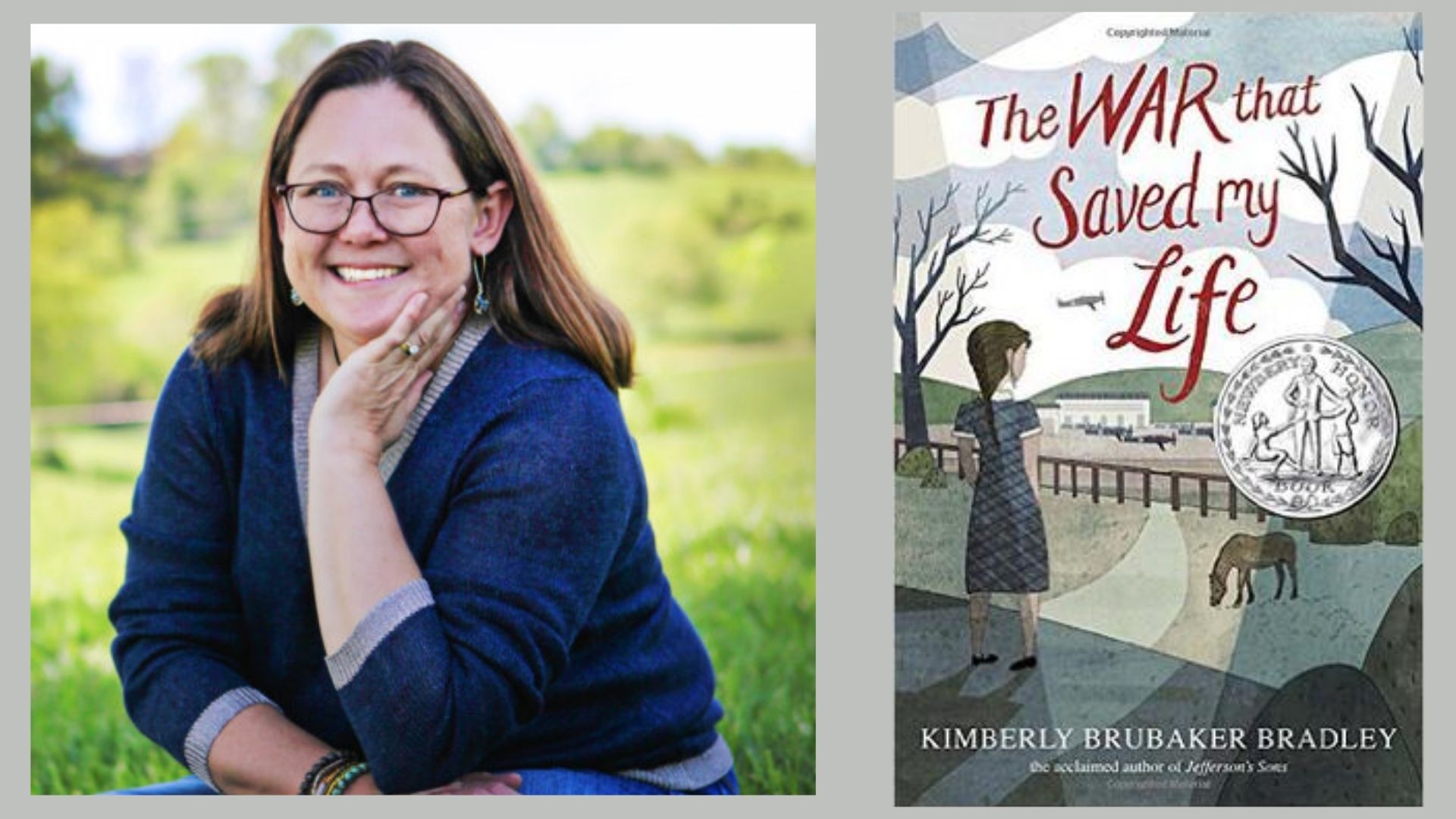
Kimberly Brubaker Bradley wrote this historical fiction novel set during World War II in England. It won the Newbery Honor in 2016.
The book targets middle-grade readers but hits adults just as hard. Teachers assign it constantly because it handles trauma, disability, and resilience with care.
The story follows Ada, a ten-year-old with a clubfoot, and her brother Jamie. They’re evacuated from London during the Blitz and placed with Susan Smith, a reluctant guardian.
Study guides interpret this story differently. Some focus on historical context. Others dig into the psychological aspects. This the war that saved my life summary covers both angles.
Character Analysis
The characters drive this story’s emotional power. Each one represents different aspects of trauma, healing, and human complexity.
Ada Smith
Ada starts the book broken, angry, and convinced she’s worthless. Her clubfoot is secondary to the emotional scars Mam inflicted.
Her resilience is the heart of the story. Ada survives by being tough, suspicious, and independent. Those survival skills both help and hurt her.
Watching Ada learn to accept love is painful and hopeful. She sabotages good things because she expects them to disappear. Her character arc shows how trauma reshapes a person’s ability to trust.
She’s not a perfect victim. Ada is angry, sometimes cruel, and makes mistakes. That honesty makes her real. Her journey from self-hatred to self-acceptance drives the entire narrative.
Susan Smith
Susan doesn’t want children. She’s dealing with her own grief and depression when Ada and Jamie arrive.
Her transformation mirrors Ada’s. Susan learns to open her heart again. She goes from reluctant caretaker to fierce protector.
What makes Susan compelling is her emotional complexity. She’s not naturally maternal. She struggles. She makes mistakes. But she shows up consistently, and that consistency heals Ada.
Susan represents the quiet strength of choosing love even when it’s inconvenient. She could have given up on these kids. Instead, she fights for them.
Jamie Smith
Jamie is Ada’s younger brother, sunny and innocent despite their difficult home life. He adapts to Susan’s house quickly.
His loyalty to Ada never wavers. Even when Ada pushes him away, Jamie stays connected. Their sibling bond provides Ada’s first experience of unconditional love.
Jamie serves as a contrast to Ada. He wasn’t locked away like she was. His easier adjustment highlights how deeply Ada’s isolation damaged her.
He’s more than just “the cute kid.” Jamie’s perspective reminds readers that trauma affects everyone differently.
Mam (Ada’s Mother)
Mam is the villain, but Bradley doesn’t make her a cartoon. She’s a single mother, poor, and dealing with her own issues.
Her cruelty toward Ada is inexcusable. She physically and emotionally abuses her daughter. She treats Ada’s disability as a personal embarrassment.
The book doesn’t excuse Mam’s behavior, but it acknowledges her humanity. She’s not pure evil. She’s damaged and damaging, trapped in her own cycle of poverty and shame.
Mam’s psychological depth makes the story more realistic. Real abuse often comes from people who are themselves broken, and that complexity matters.
Strengths of the Book
The emotional authenticity makes this worth reading. Bradley doesn’t sugarcoat trauma or speed up healing.
The historical setting adds depth without overwhelming the story. WWII provides context, but Ada’s journey stays central.
The writing stays accessible for middle-grade readers while handling complex themes. Bradley trusts her audience to understand difficult concepts.
Ada’s voice carries the entire narrative. First-person perspective puts you inside her head, feeling every fear and breakthrough.
The disability representation matters. Ada’s clubfoot is treated as one aspect of her life, not her defining characteristic.
Criticisms & Limitations
The War That Saved My Life has weaknesses that some readers notice.
- The pacing drags in the middle. Long stretches focus on daily life without major plot movement.
- Some secondary characters feel underdeveloped. The villagers blend together without distinct personalities.
- The ending feels too neat for some readers. Ada’s healing happens faster in the final chapters than seems realistic given her trauma.
- Historical details occasionally get simplified. The war serves more as backdrop than fully realized setting.
- The focus on individual healing ignores systemic issues. Ada gets saved by one good person, but what about other abused children?
These don’t ruin the story. But they keep it from reaching its full potential.
Notable Reviews & Ratings
The War That Saved My Life sits around 4.4 stars on Goodreads. That’s exceptionally high for middle-grade fiction.
School Library Journal gave it a starred review, praising the emotional depth. Publishers Weekly called it “a feel-good story about overcoming adversity.”
The book won the Schneider Family Book Award for its disability representation. It was also a Newbery Honor book in 2016.
Teachers love it for classroom discussions about empathy, trauma, and resilience. Some parents worry about the abuse themes for younger readers.
Critics appreciated how Bradley handles dark topics without being gratuitous. The story never exploits Ada’s suffering for shock value.
Personal Thoughts
After finishing, I immediately wanted to hug my kids. That’s the mark of a book that changes your perspective.
Trauma shapes us, but it doesn’t have to define us. Ada proves that healing is possible even after severe abuse.
Bradley doesn’t give easy answers. Ada’s recovery takes years, and the book acknowledges she’ll always carry scars.
My frustration: the sequel exists, but this book works as a standalone. I appreciate that Bradley gave Ada’s story proper closure while leaving room for more.
About the Author: Kimberly Brubaker Bradley

Kimberly Brubaker Bradley has written children’s and young adult fiction for over two decades. She tackles difficult topics with age-appropriate care.
Her most famous work is The War That Saved My Life and its sequel, The War I Finally Won. Both won multiple awards.
She’s received the Newbery Honor, the Schneider Family Book Award, and numerous state book awards. She handles trauma, disability, and historical events with research and sensitivity.
Bradley has interest in history, particularly WWII. Her books make readers feel deeply while teaching important lessons.
She continues writing historical fiction for middle-grade audiences. Her work consistently earns critical acclaim and reader devotion.
Conclusion
I ugly-cried reading this. Twice. And I’m not apologizing for it.
Here’s what I need to know: Did the ending wreck you too? Because I have opinions about Susan’s choice, and I want to hear yours.
Drop a comment right now. Tell me if you’ve ever felt like Ada. Share this with your book club and tag me when the debate starts. Teachers, tell me how your students reacted to chapter 15.
This the war that saved my life summary is your starting point, not the finish line.
Reading it for class? Bookmark this page. Read it years ago? Time for a reread. Never heard of it? Go grab it today.
Let’s talk about the books that change us.
Frequently Asked Questions
What is The War That Saved My Life mainly about?
It’s about Ada, a ten-year-old girl with a clubfoot who escapes her abusive mother during WWII evacuations and learns to heal with her new guardian, Susan Smith. The war becomes her path to freedom and self-worth.
Is The War That Saved My Life based on a true story?
No, it’s historical fiction with fictional characters, though the WWII setting and London evacuations are real historical events. The emotional themes of abuse and healing reflect real experiences many children face.
Why is the title The War That Saved My Life significant?
The war forced evacuations that gave Ada her only chance to escape her abusive home. Without WWII, she would have remained trapped, so the war literally saved her life by providing freedom.
Is this book suitable for children or young adults?
Yes, it’s written for middle-grade readers (ages 8-12) but handles heavy themes like abuse and trauma with age-appropriate care. Teachers often use it to discuss difficult topics thoughtfully.
How does this summary compare to study-guide explanations like Shmoop or SparkNotes?
This the war that saved my life summary sparknotes-style breakdown focuses on character growth and emotional themes rather than just plot points. It combines clear chapter summaries with deeper analysis of why the story matters.