

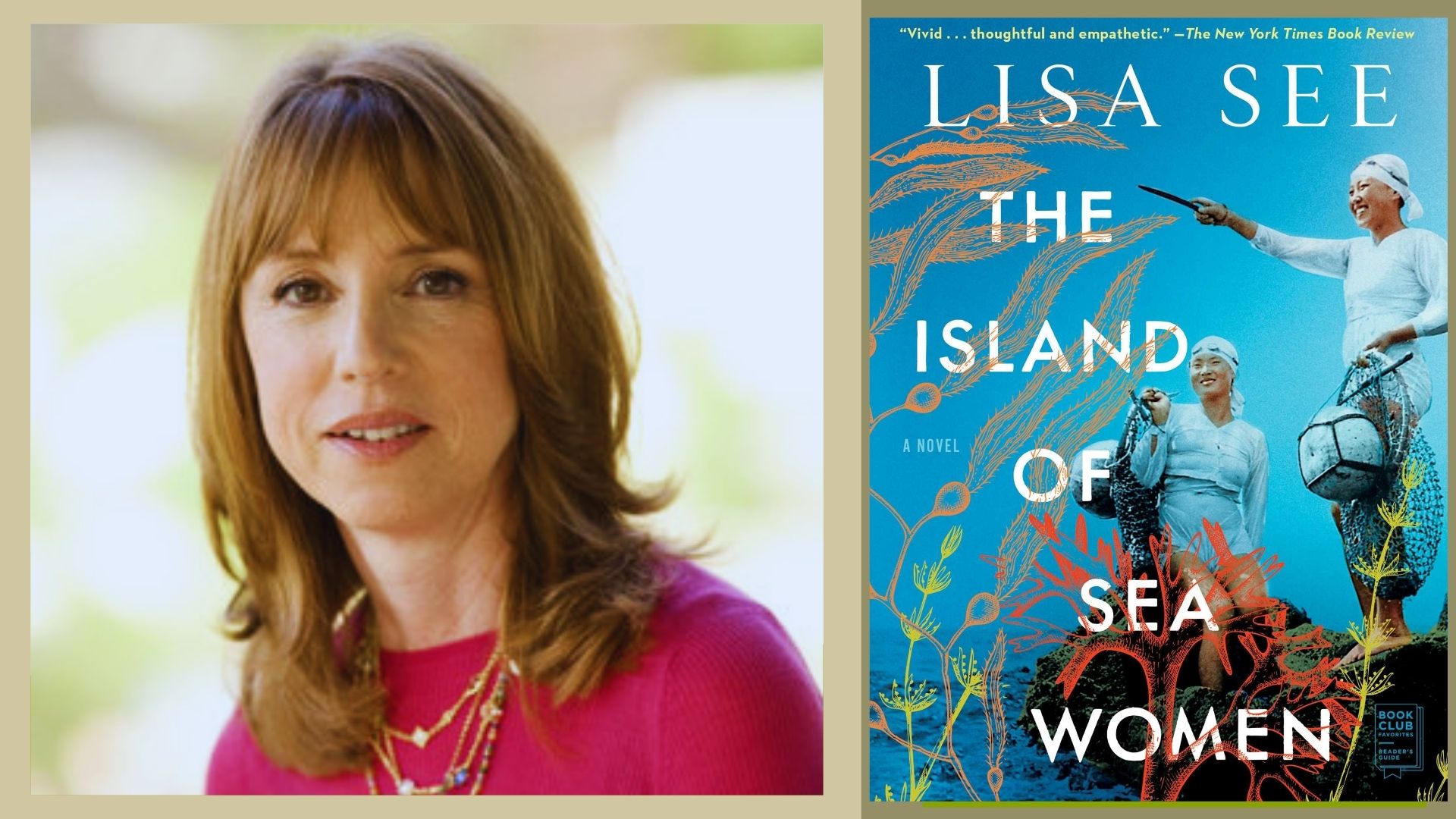
I picked up The Island of Sea Women because I wanted a book that would genuinely move me. It did, and it stayed with me long after the last page.
This is a story about two best friends, Young-sook and Mi-ja, who are part of the haenyeo, the legendary female divers of Jeju Island, South Korea.
War, loss, and loyalty slowly tear their bond apart over decades.I read a lot of historical fiction. This one holds up.
Here, I cover the summary, themes, characters, a full critical review, and everything else you need before picking it up.
Quick Book Details
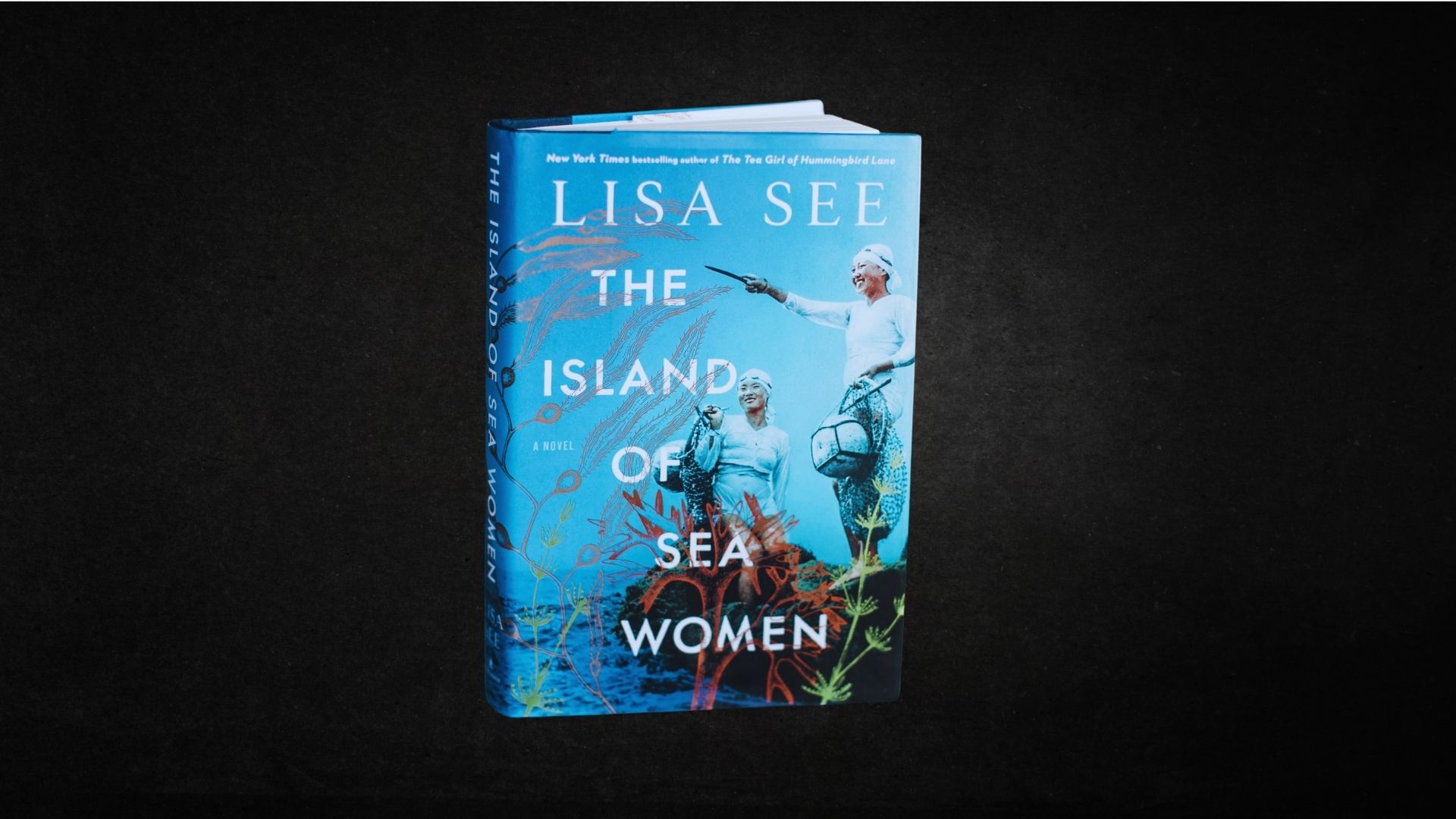
The Island of Sea Women is a historical fiction novel by Lisa See, published in 2019.
It is set on Jeju Island, South Korea, and follows the lives of the haenyeo, women who free-dive for seafood and abalone.
The story centers on two lifelong friends across several decades of hardship and history. The genre blends rich cultural detail with deeply personal storytelling.
The Jeju setting gives the book a strong, vivid sense of place from the very first page.
The Island of Sea Women Summary
The novel follows Young-sook and Mi-ja, two young women from Jeju Island who grow up diving together as part of the haenyeo collective.
They are close friends through poverty, Japanese occupation, and personal hardship. But a single devastating moment during the Jeju April 3rd Incident, a political massacre that tore communities apart, drives a wedge between them that lasts a lifetime.
The story unfolds in two timelines: the present, where an elderly Young-sook unexpectedly meets Mi-ja again, and the past, where we see exactly how their friendship shattered.
Major Themes in The Island of Sea Women
This novel goes deep into themes that feel personal and historical at the same time.
Friendship, Loyalty, and Betrayal
Young-sook and Mi-ja’s bond is the heart of the book. Their friendship is tested by war, politics, and one unforgivable act.
Lisa See shows how loyalty can crack under impossible pressure. The book asks hard questions about what we owe the people we love most.
Memory, Trauma, and Healing
The story moves between past and present to show how trauma lives in the body and mind for decades. Young-sook carries the weight of what happened for her entire life.
The novel is honest about how healing is slow, nonlinear, and sometimes never fully arrives.
Women’s Strength and Cultural Identity
The haenyeo are not just a backdrop, they are the point. These women run their own economic lives, support each other, and pass down traditions across generations.
Lisa See shows their strength not as dramatic heroism, but as daily, grinding, determined survival.
Main Characters in The Island of Sea Women
The characters are the soul of this story. Each one carries a history that shapes how the story unfolds.
Kim Young-sook
Young-sook is the story’s anchor. She is determined, deeply loyal, and proud of her haenyeo identity.
Raised by a respected diving mother, she carries both tradition and heartbreak with her. Her perspective as an old woman looking back gives the book its emotional weight.
Mi-ja
Mi-ja is an outsider on the island, her father collaborated with Japanese occupiers, which marks her in the community.
She is warm and devoted to Young-sook but lives under a shadow she cannot shake. Her choices at a critical moment change everything between them.
Young-sook’s Mother
She is the leader of the haenyeo collective, tough, fair, and deeply respected. She serves as a model of what women’s leadership looks like in a community built on shared labor and trust.
Her presence shapes Young-sook’s values from childhood into adulthood.
Critical Review of The Island of Sea Women: Reader Opinions and Literary Analysis
Readers have a lot to say about this novel, most of it strongly positive, with a few honest criticisms worth knowing before you start.
What Readers Love About the Novel
The emotional storytelling hits hard. Readers consistently mention how the female friendship at the center of the book feels real and layered.
The cultural detail about the haenyeo is rich without being a lecture. Many readers say they learned more about Jeju Island and Korean history than they expected from a novel.
Common Critiques from Readers
Some readers find the historical sections slow, especially in the middle of the book. The emotional weight of the story, which covers war crimes, loss, and grief, can feel heavy to push through at times.
A few readers also felt the pacing dipped before picking up strongly again toward the end.
Overall Reader Reception
Readers have spoken, and the numbers back it up.
Goodreads Rating: 4.3/5 A strong community rating from readers who value literary depth and emotional storytelling.
Amazon Rating: 4.6/5 One of the higher scores you will see for historical fiction, driven largely by readers who felt the ending paid off.
Both ratings confirm what most readers feel: this is a well-crafted, emotionally honest book. The high Amazon score in particular suggests that readers who finish it tend to feel it was worth every page.
Historical Context Behind the Story
Jeju Island was occupied by Japan from 1910 to 1945. After liberation, Cold War tensions led to a severe political crisis on the island.
In 1948, South Korean forces and right-wing groups killed thousands of Jeju residents suspected of communist ties.
This event, known as the April 3rd Incident, is one of the darkest chapters in Korean history and was largely suppressed for decades.
Lisa See uses this real historical turning point as the moment that breaks Young-sook and Mi-ja’s friendship apart.
The haenyeo tradition itself dates back centuries and was largely female-led because men faced higher taxes on their income from diving.
About the Author

Lisa See is an American author of Chinese heritage, best known for writing novels that center on the lives of Chinese and Asian women across history.
She was born in Paris in 1955 and raised in Los Angeles. Her other well-known works include Snow Flower and the Secret Fan and Peony in Love.
See is known for doing thorough research before writing her historical novels.
For The Island of Sea Women, she spent time on Jeju Island, spoke directly with haenyeo divers, and studied the April 3rd Incident in depth.
Her books have been translated into dozens of languages and have appeared on multiple bestseller lists worldwide.
Conclusion
I went into The Island of Sea Women expecting a good story. I came out thinking about it for days.
The friendship between Young-sook and Mi-ja felt so real that the moment it breaks is genuinely painful to read.
I kept thinking about what I would have done in their place. That is the mark of a book that does its job well.
If you love historical fiction driven by real human emotion, this one is for you. Drop your thoughts in the comments, I would love to know what you took away from Young-sook’s story.
And if you found this review helpful, share it or check out my other book breakdowns.
Frequently Asked Questions
What is The Island of Sea Women about?
It follows two best friends, Young-sook and Mi-ja, who are haenyeo divers on Jeju Island. Their bond is torn apart by war and one unforgivable act during a political massacre.
Is The Island of Sea Women based on a true story?
The haenyeo tradition and the April 3rd Incident are both real. The characters are fictional, but the story is built on documented history and real cultural practices from Jeju Island.
Who are the haenyeo in the book?
They are women who free-dive to harvest seafood on Jeju Island. Their female-led community structure, passed down for centuries, sits at the heart of the novel.
Is The Island of Sea Women a sad book?
Yes, it deals with war, grief, and betrayal. But it is also about resilience and community, so it does not leave you feeling only despair.
How long does it take to read The Island of Sea Women?
It is around 360 pages, most readers finish in four to six hours. The middle slows slightly, but the ending delivers a strong emotional payoff.