

Have you ever written something you never sent? I have. That feeling of words stuck between honesty and fear is exactly what The Correspondent is about.
I picked this book up not knowing what to expect. By the last page, I was sitting quietly, thinking about every letter I never finished.
In this post, I'll walk you through the full story, key characters, major themes, and my honest take on Virginia Evans' debut novel.
You'll also find out why this quiet book turned into a word-of-mouth sensation that hit the top of the New York Times bestseller list.
No fluff. No spoilers where they don't belong. Just a clear, honest guide to help you decide if this book deserves a spot on your shelf. It does.
Quick Book Overview
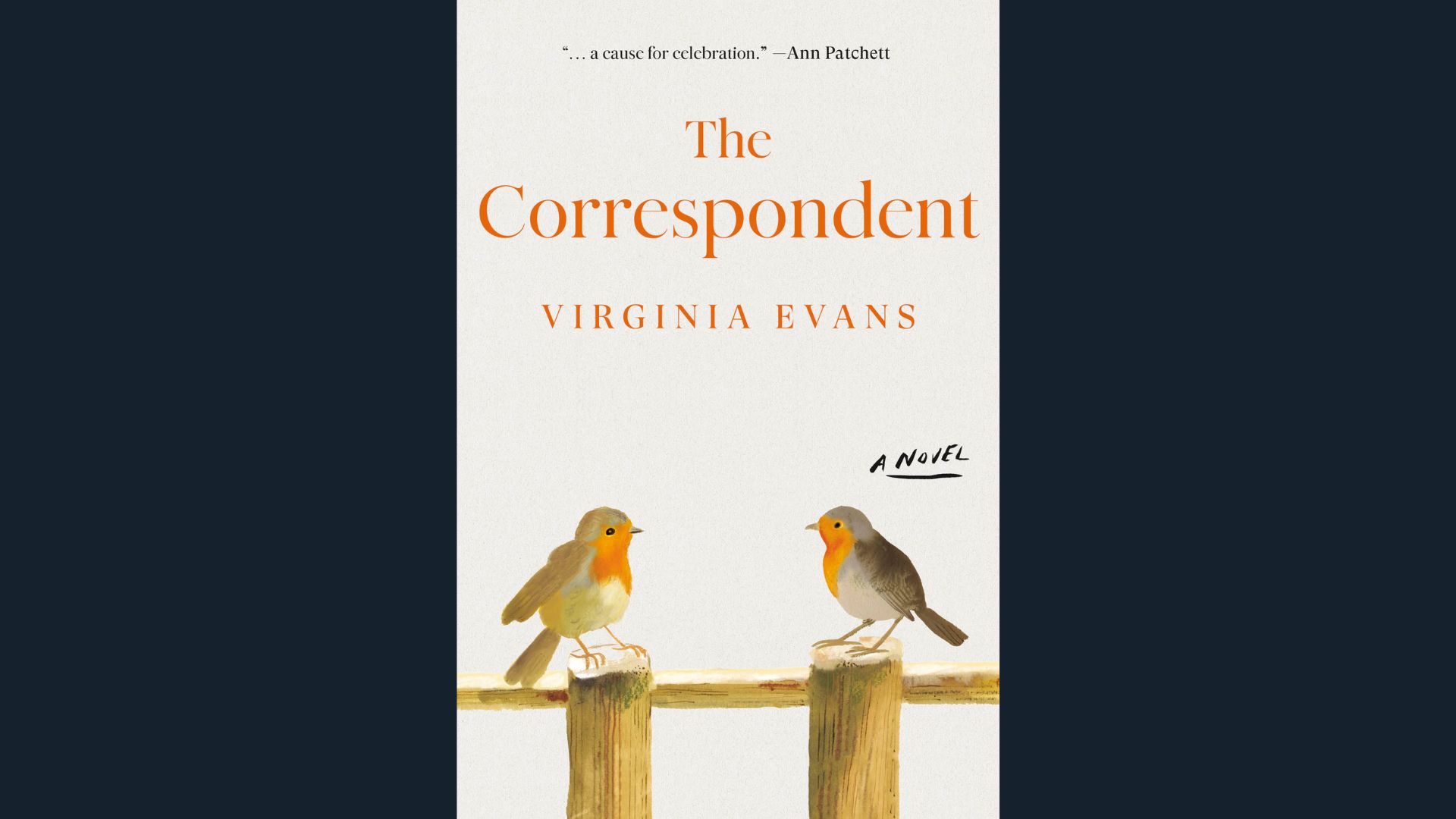
The Correspondent by Virginia Evans is a 304-page epistolary novel published on April 29, 2025, by Crown Publishing Group.
It follows Sybil Van Antwerp, a retired lawyer in her early seventies, who has spent her life writing letters to friends, family, authors, strangers, and even one person she never actually sends her letters to.
The story spans from 2012 to 2022. During this time, Sybil loses her sight, repairs broken bonds, carries deep guilt, and faces a letter from her past that forces her to reopen her most painful wound.
What begins as a quiet character study slowly builds into something emotionally overwhelming. This book earned its place at the top of the New York Times bestseller list.
The Correspondent Summary (Spoiler-Free)
Sybil Van Antwerp wakes up each morning and writes letters. That's her life.
She corresponds with her best friend, her brother, her estranged daughter, a troubled young boy named Harry, several authors she admires, and even customer service departments.
Through these letters, we learn who Sybil really is: sharp, funny, private, and deeply wounded. She is losing her eyesight but refuses to admit it fully.
She carries guilt over the death of her son Gilbert. She keeps people close through words but holds them at arm's length emotionally.
Then one letter arrives from her past and changes everything. This is not a fast book. But it is a deeply honest one.
Main Characters
Meet the people who shape Sybil's world, one letter at a time.
Sybil Van Antwerp (Main Narrator)
Sybil is a retired lawyer in her early seventies. She is sharp, witty, and deeply private. Her letters reveal far more than she intends. She is losing her sight.
She is estranged from her daughter Fiona. She is haunted by her son Gilbert's death. Sybil uses correspondence to stay connected, but also to stay in control.
She chooses every word carefully. That control is both her strength and her wall.
The Recipients of Her Letters
Some of Sybil's correspondents write back. Others don't. But all of them serve a purpose. Her best friend grounds her.
Her brother reminds her of who she used to be. Young Harry represents a second chance she never got with her own child.
The one recipient she never sends letters to is the most powerful presence in the book: a ghost she writes to but can never fully release.
Family Figures (Background Presence)
Sybil's family shapes every page, even when they are not present. Her daughter Fiona and she are often at odds.
Her late husband casts a long shadow. Her son Gilbert, who died when he was eight, is the emotional wound at the center of the story.
Even Sybil's own adoption as a child plays a quiet but meaningful role. Family here is not comfortable. It is complex.
Major Themes
This book is about more than letters. It is about what we say, what we avoid, and why.
Communication vs. Emotional Distance
Sybil writes to everyone. Yet she is deeply alone. That contradiction is the heart of this book. She uses letters to reach out, but also to keep people from getting too close.
You can be a great communicator and still be completely isolated. Evans makes this point without ever stating it directly. It lives in every line Sybil writes.
Memory and Regret
Sybil does not remember the past clearly. She reinterprets it constantly through how she feels now. A decision she made decades ago looks different at seventy-three than it did at forty.
The book does not present memory as truth. It presents it as a living thing that shifts and changes. That is what makes Sybil's grief feel so real.
Isolation and Identity
Sybil lives alone. She has a neighbor. She has "the birds," her two close friends. But she is fundamentally alone inside herself.
The book asks a quiet but sharp question:Who are you when no one truly knows you?
Sybil has spent decades crafting her image through letters. But the person behind those letters is messier, guiltier, and more tender than she ever lets on.
Truth Through Writing
Sybil writes to confess. But she also writes to hide. That duality is what makes this book so layered. Her letters are honest, but selectively honest.
She controls what she reveals. Writing, for Sybil, is not just communication. It is armor. And by the end, she slowly starts to put it down.
Writing Style and Narrative Technique
Virginia Evans wrote this novel entirely in letters and emails. There is no traditional narrator. There are no chapters in the usual sense.
Everything you know about Sybil, you learn from what she writes, and sometimes from what others write back. The prose is quiet and precise.
Evans gives Sybil a very specific voice: sharp, a little formal, dry, funny at unexpected moments, and quietly heartbroken. The pacing is slow. That is intentional.
You settle into Sybil's rhythm. By the time the emotional gut-punch arrives, you have been living with this woman long enough that it genuinely hurts.
Why Readers Love It
Honest, slow, and impossible to forget: here is what works and what does not.
Strengths
Deep emotional realism is the biggest strength here. Sybil does not feel like a fictional character. She feels like someone you know, or someone you might become.
The letter-based format forces you to read between the lines, which keeps you engaged even when nothing dramatic is happening.
There is also real psychological depth to how Sybil handles guilt, grief, and self-deception. You will recognize things in her that you might not want to admit about yourself.
Weaknesses
This book moves slowly. Very slowly. If you need plot momentum, action, or suspense, this is not the book for you. There are long stretches where nothing happens externally.
The story lives entirely inside Sybil's inner world. Some readers also wish they had more direct scenes rather than just letters.
The format, while powerful, can occasionally feel limiting when you want to see rather than be told.
Goodreads and Amazon Ratings
The ratings for this book tell a consistent story across both platforms.
Goodreads: 4.47 out of 5 starsbased on over 619,000 ratings and 79,000 reviews, making it one of the most-rated debut novels of 2025.
Amazon: 4.5 out of 5 starsreaders consistently praise the emotional depth, Sybil's voice, and the quiet power of the ending.
My Personal Opinion After Reading This Book
I did not expect this book to stay with me. But it did. Sybil reminded me that the things we avoid saying are often the most important. I sat with this book long after I closed it.
Who Should Read This Book:
This book is not for everyone, but for the right reader, it is a rare find.
- You enjoy character-driven stories with no rush to plot
- You have ever felt close to someone while still feeling deeply alone
- You are drawn to books told in letters, journals, or non-traditional formats
- You like stories about grief, memory, and the complexity of family
- You want a book that rewards patience and leaves a real emotional mark
About the Author
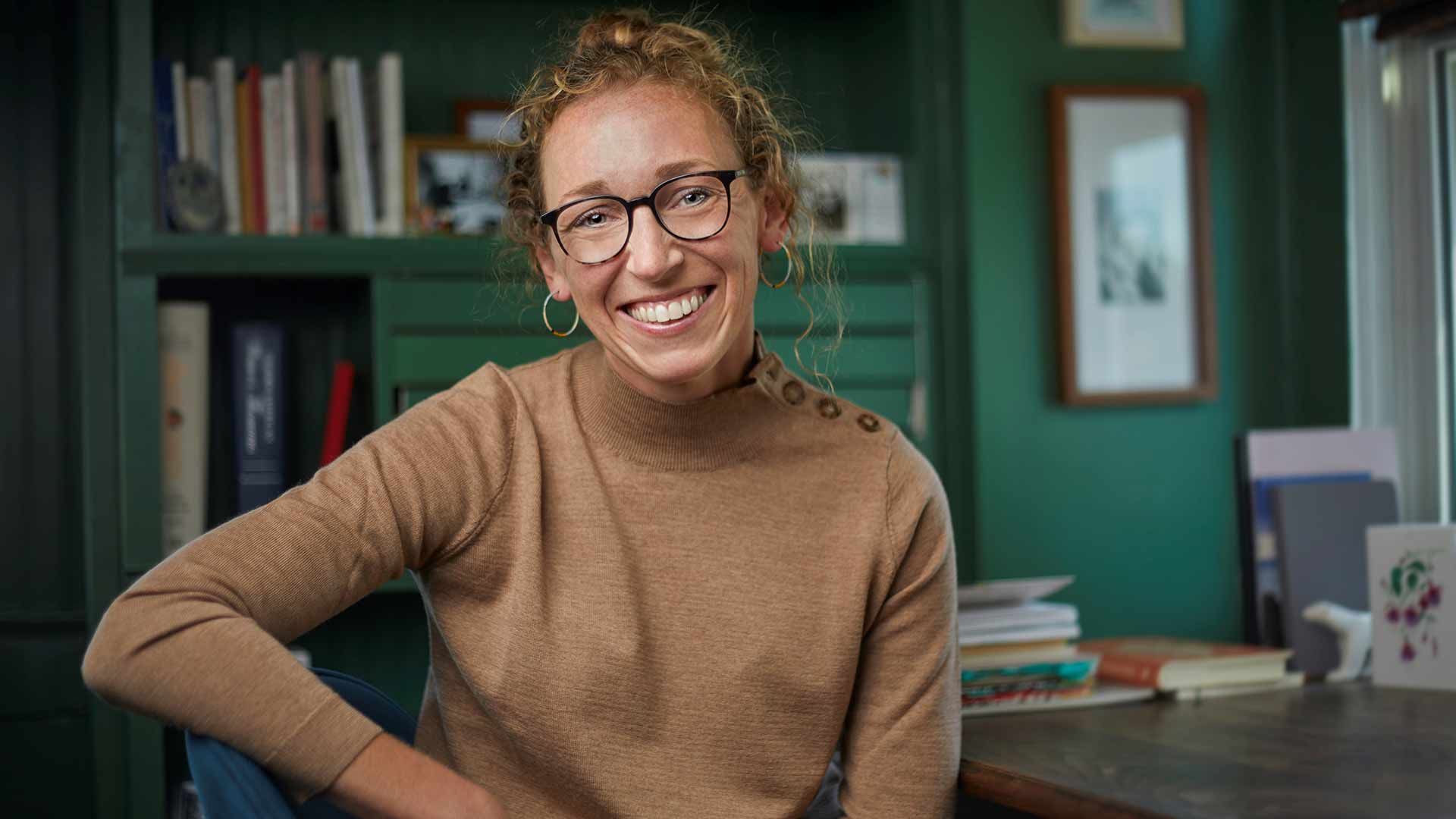
Virginia Evans is from the northeastern United States. She attended James Madison University, where she earned a bachelor's degree in English literature, and later studied at Trinity College in Dublin, Ireland, for a master's of philosophy in creative writing.
The Correspondent is her first published novel, but it was not her first attempt. She had written seven previous novels that never found a publisher.
She wrote this book during one of the hardest periods of her life, when her father-in-law was seriously ill and the world had gone into lockdown.
She had nearly given up writing entirely. The novel sold over one million copies and spent 17 weeks on the New York Times bestsellers list.
She now lives in Winston-Salem, North Carolina, with her husband, two children, and her Red Labrador, Brigid.
Conclusion
I picked up The Correspondent expecting a quiet read. I did not expect it to make me rethink how honest I am in my own letters, messages, and conversations.
Sybil Van Antwerp is not easy to like, but she is impossible to forget.
If you enjoy books that respect your intelligence and sit with you after the last page, give this one a try.
And if you have already read it, I'd love to know what you thought.
Drop your take in the comments below, or share this post with someone who needs a good book recommendation right now.
Frequently Asked Questions
What is The Correspondent about?
It follows Sybil Van Antwerp, a retired lawyer in her seventies, who communicates with the world entirely through letters and emails over a decade.
Who wrote The Correspondent?
Virginia Evans, a debut author from the northeastern United States, wrote the novel after completing seven previously unpublished books.
Is The Correspondent based on a true story?
No, it is a work of fiction, though Evans drew from her own emotional experiences during a difficult period in her life.
Is there a movie adaptation of The Correspondent?
Yes, Lionsgate has acquired the film rights, and Jane Fonda is attached to star as Sybil Van Antwerp, with no release date announced yet.
Is The Correspondent suitable for all readers?
It suits readers who prefer slow, emotionally deep stories. Those looking for fast action or plot twists will likely find the pacing too slow.