
I remember reading “That’s Not My Name! ” by Anoosha Syed and thinking, “This one’s different.” It’s not just a cute picture book. It says something real.
In this blog, I cover the plot, themes, characters, and honest ratings. Everything you need before picking up this book.
If you’re a parent, teacher, or librarian looking for a book that handles identity and cultural respect in a simple, honest way, you’re in the right place.
I’ve reviewed dozens of children’s books over the years. Few of them handle this topic as cleanly as this one does. This one genuinely earns its praise.
Let’s get started.
Quick Book Overview
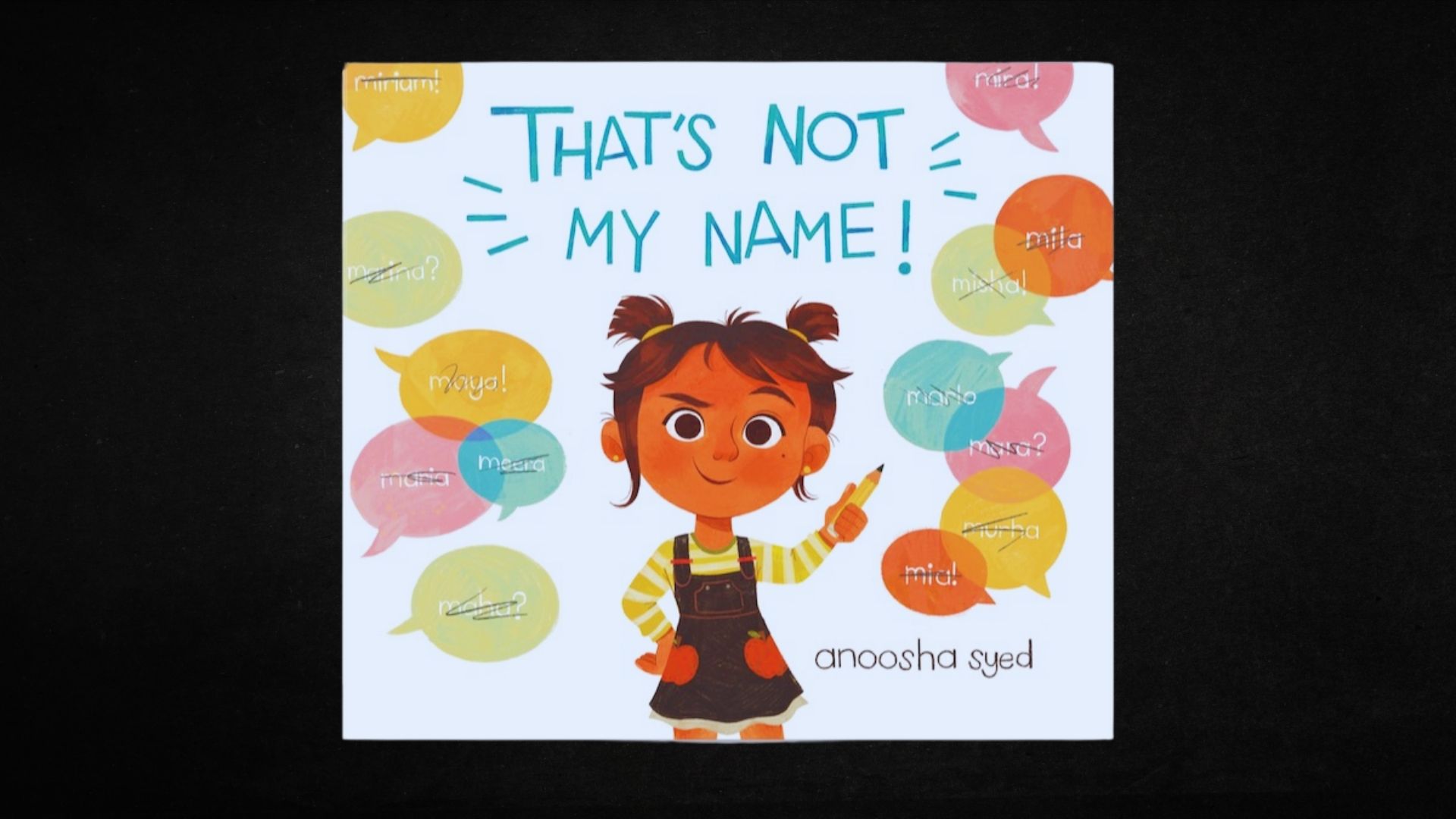
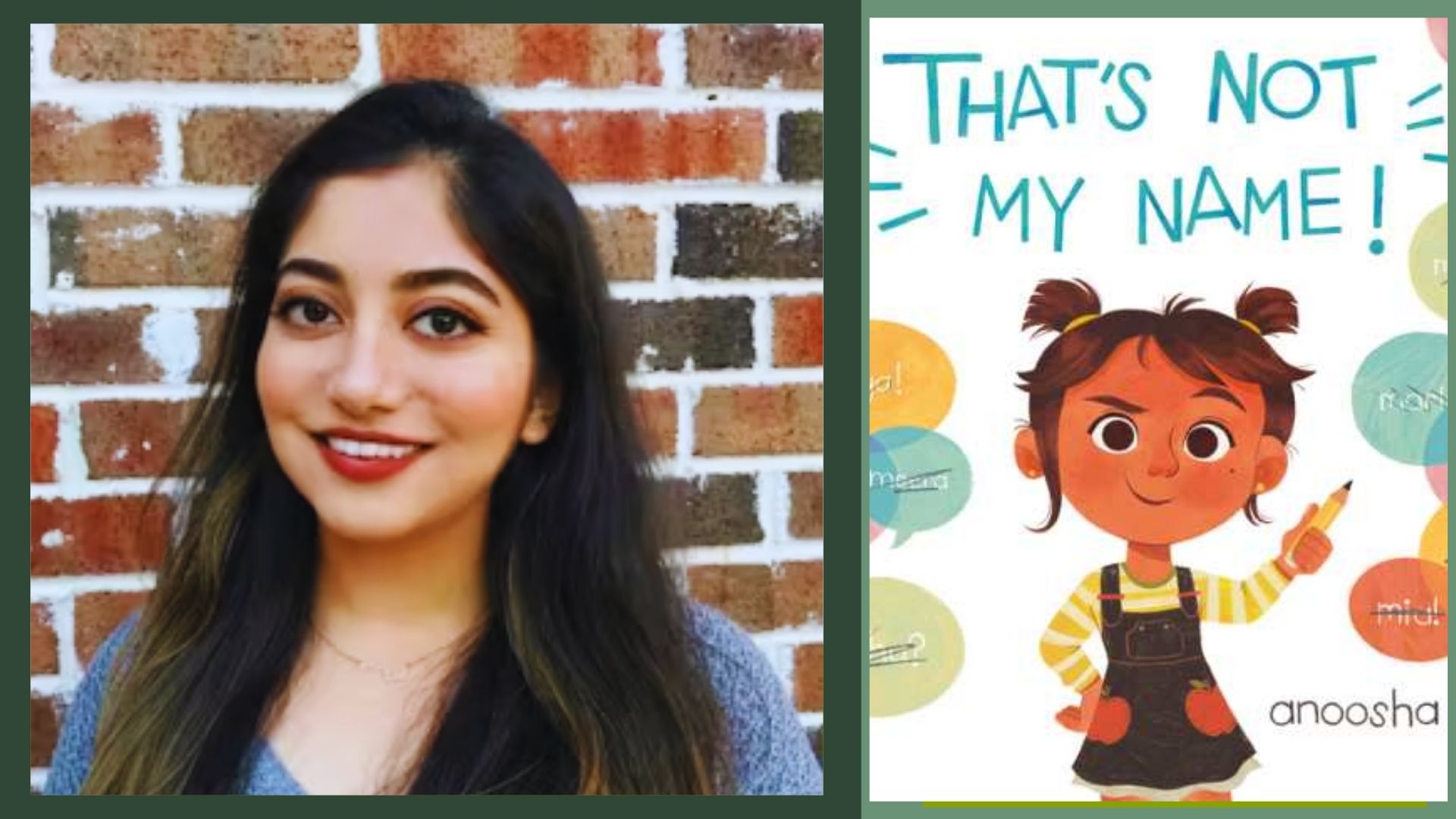
That’s Not My Name! is a children’s picture book published in 2022 by Balzer + Bray, written and illustrated by Anoosha Syed.
Syed is a Pakistani-Canadian illustrator known for creating books that center diverse voices.
The story follows a young girl whose name keeps getting mispronounced at school and how she learns to stand up for herself. Warm and affirming in tone, it targets children ages 4 to 8.
It fits squarely in the social-emotional learning space and speaks directly to kids from immigrant and multicultural families who rarely see their experience in print.
Plot Summary (Spoiler-Free)
Mirha starts the day excited for school. But things turn frustrating fast. Her classmates and teacher keep getting her name wrong, calling her Mary, Mira, or something that isn’t her at all.
She feels invisible. Like her real name simply doesn’t matter. The story tracks that quiet emotional weight with honesty.
Then, slowly, Mirha finds her footing. She speaks up, explains her name, and owns it.
The ending is simple but lands well: getting someone’s name right isn’t a big ask. It’s just basic respect, and it changes everything.
Major Themes in That’s Not My Name!
The book covers more ground than you’d expect from 40 pages.
Identity & Self-Respect
At its heart, this book is about names as identity. Mirha’s name isn’t just a label. It’s who she is. When people get it wrong, it chips away at her sense of self.
The book makes it clear: pronouncing someone’s name correctly is a form of respect. It teaches kids early that their name has meaning, and they have every right to correct others.
Cultural Representation
Mirha’s story speaks to kids from South Asian, Middle Eastern, and other non-Western backgrounds who’ve grown up hearing their names mispronounced.
Seeing themselves in a book, a main character who looks like them and has a name like theirs, matters. Representation in children’s literature isn’t just nice to have. For many kids, it’s the first time they feel seen.
Confidence & Self-Expression
The book gently pushes kids to speak up when they’re misunderstood. Mirha doesn’t yell or make a scene. She simply says, “That’s not my name.”
That quiet act of confidence is something every child can learn from. It tells kids: your voice matters, and using it isn’t rude. It’s right.
Respect & Empathy
For the classmates and teachers in the story, the lesson is about awareness. Getting a name right takes effort, but it’s worth it.
The book is a gentle nudge for parents and educators to slow down, listen, and try. It promotes a classroom culture, and a home culture, built on understanding.
Major Characters in the Book
A closer look at who drives this story forward.
1. Mirha, The Main Protagonist
Mirha is the heart of the story. Her name is repeatedly mispronounced throughout the book, and we follow her emotional experience.
The quiet hurt, the growing frustration, and finally the confidence to speak up. She’s not dramatic about it, which makes her relatable.
Her growth from feeling invisible to feeling seen is the core message of the book. She carries the story’s emotional weight perfectly.
2. Classmates
The classmates aren’t villains. They’re just careless. They call Mirha by whatever name feels easiest, without thinking about how it makes her feel.
They create the conflict in the story not through cruelty, but through a lack of awareness. By the end, they become part of the learning, showing young readers that doing better is always possible once you know better.
3. Teacher / Authority Figure
The teacher plays an important role in guiding the classroom toward resolution.
When the teacher acknowledges Mirha’s name and encourages others to say it correctly, it signals something powerful: adults set the tone.
For kids reading this, seeing a teacher lead by example makes respect feel like the norm, not the exception.
4. Family Members
Mirha’s family is her safe space. They say her name right, warmly and lovingly, and that contrast is meaningful. At home, she is fully seen and heard.
Her family gives her the emotional grounding she needs to face the world outside. They remind her, and the reader, that belonging starts at home.
Writing Style & Illustration Review
Anoosha Syed’s writing is clean and direct. No fluff, no fuss. The sentences are short, and the language is accessible for young readers without being dumbed down.
Syed’s illustrations are the real showstopper: soft, warm watercolor tones paired with expressive characters that tell as much of the story as the words do.
Mirha’s face says everything on the pages where dialogue falls short.
The art style feels personal and culturally grounded, giving the book a visual identity that matches its emotional one.
Ratings From Goodreads & Amazon
Here’s what readers are actually saying about this book.
Goodreads: 4.4 / 5 , Most readers praise the book for its honest, simple approach to a topic many kids rarely see addressed.
Amazon: 4.8 / 5 , Buyers consistently call it a must-have for diverse classrooms and multicultural households.
Common praise: Parents and teachers love how it opens conversations about names and cultural identity without being preachy. Many reviewers mention reading it repeatedly with their kids and seeing real-world results, with children speaking up about their own names.
Constructive criticism: A few readers felt the resolution came a little too quickly, and that the story could have spent more time on Mirha’s internal process.
Some also noted that adults who cause the mispronunciation don’t face enough accountability in the narrative.
Critical Viewpoint
The book does what it sets out to do, and does it well. The conflict resolves a bit neatly, and the adults who get it wrong aren’t really held to account.
Real-life name mispronunciation runs deeper than the story shows. But for ages 4 to 8, that’s fine. You can’t pack everything into a picture book.
It introduces the issue clearly and honestly, and gives parents, teachers, and kids a solid starting point for deeper conversations at home or in class.
Who Should Read This Book?
This book is a strong pick for children between ages 4 and 8, especially those in diverse classrooms or multicultural households.
It works well as a classroom read-aloud and as a bedtime book that sparks conversation.
Teachers handling social-emotional learning will find it practical and easy to build lessons around.
Parents of kids with non-Western names will see their child’s experience reflected honestly.
And honestly, adults who work with kids, including coaches, counselors, and librarians, can learn something from it too.
About the Author
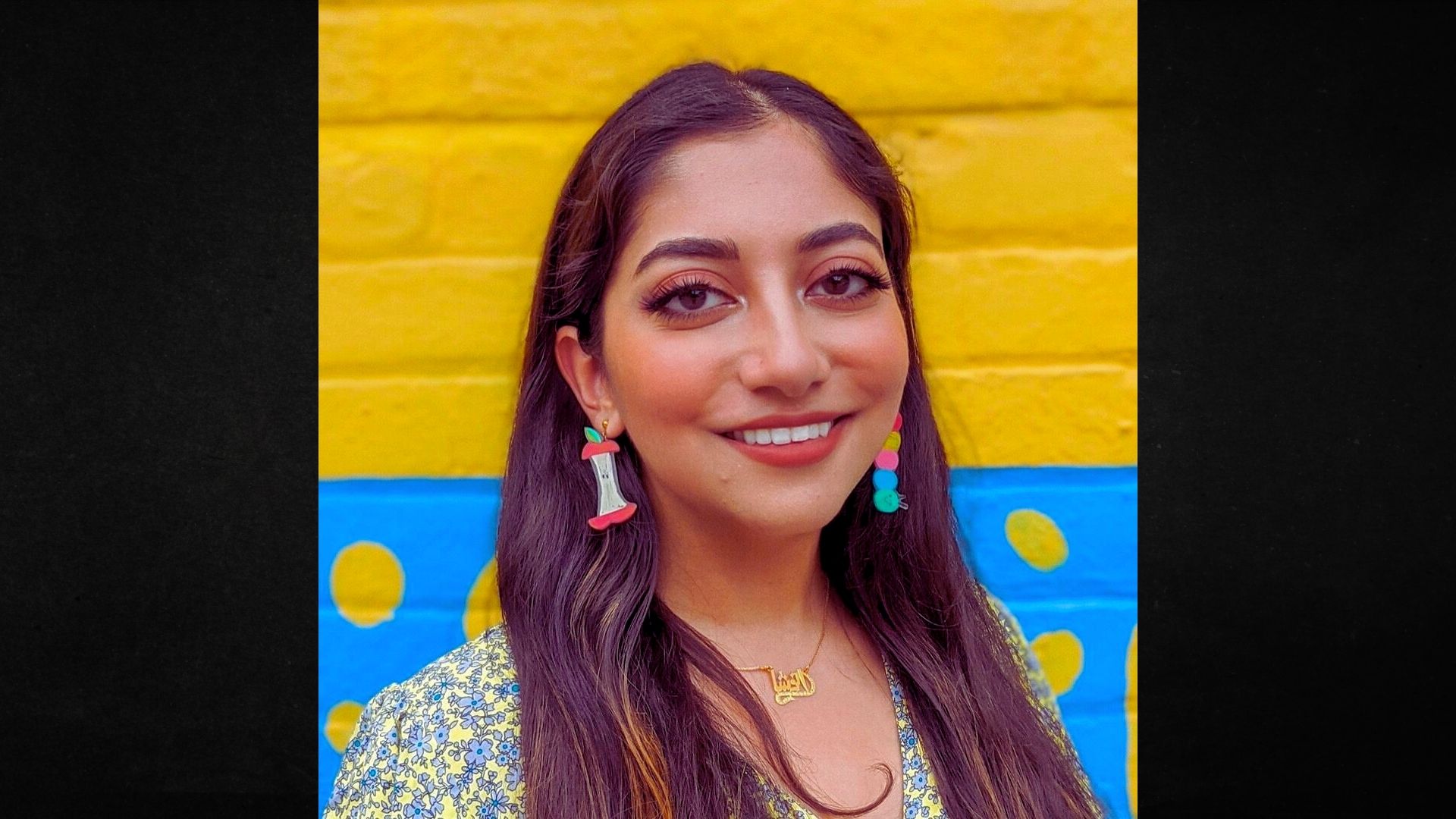
Anoosha Syed is a Pakistani-Canadian author and illustrator with a background in animation.
She studied at Sheridan College and worked in the animation industry before turning her focus to children’s books.
Her debut picture book, Bilal Cooks Daal, was widely praised for bringing South Asian food and family life into mainstream children’s literature.
Syed creates her illustrations digitally, drawing on her cultural background to produce art that feels both personal and universal.
She’s a vocal advocate for diversity in publishing and has spoken widely about the need for more authors of color in children’s media. Her work continues to grow in reach and impact.
Conclusion
I genuinely think That’s Not My Name! is one of those books every classroom needs on its shelf.
I’ve seen firsthand how much it means to a child when they see their experience reflected in a story.
I’ve had my own name mispronounced more times than I can count, and it stings every time. Anoosha Syed didn’t overcomplicate it.
She just told the truth, and that’s what makes it land.
Give it a read, share it with a child you care about, and drop a comment below. I’d love to know what you think.
Frequently Asked Questions
What is That’s Not My Name! about?
It’s a picture book about a girl named Mirha whose name keeps getting mispronounced at school. She learns to speak up, reclaim her name, and feel seen.
Who is the author of That’s Not My Name!?
Anoosha Syed wrote and illustrated it. She’s a Pakistani-Canadian creator known for stories that center South Asian and diverse characters.
What age group is That’s Not My Name! best for?
It’s best for children ages 4 to 8. It works well as a classroom read-aloud or a bedtime story in multicultural households.
What are the main themes in the book?
Identity, self-respect, cultural representation, confidence, and empathy. It shows kids their name matters and teaches others to get it right.
That’s Not My Name! good for classroom use?
Yes. Teachers can use it to start conversations about names and respect. It fits naturally into social-emotional learning and works well for group reading.