


A small living room does not have to feel cramped. I have seen so many compact spaces go from cluttered to clean with just one simple change: the right bookshelf.
Bookshelves do more than hold books. They give you storage, personality, and a put-together look, all at once.
Going vertical helps you use wall space you are already ignoring. And when a piece does double duty, your room breathes better.
This list has 27 ideas that actually work in tight spaces.
Let's get into it.
How Bookshelves Change Small Living Room Spaces
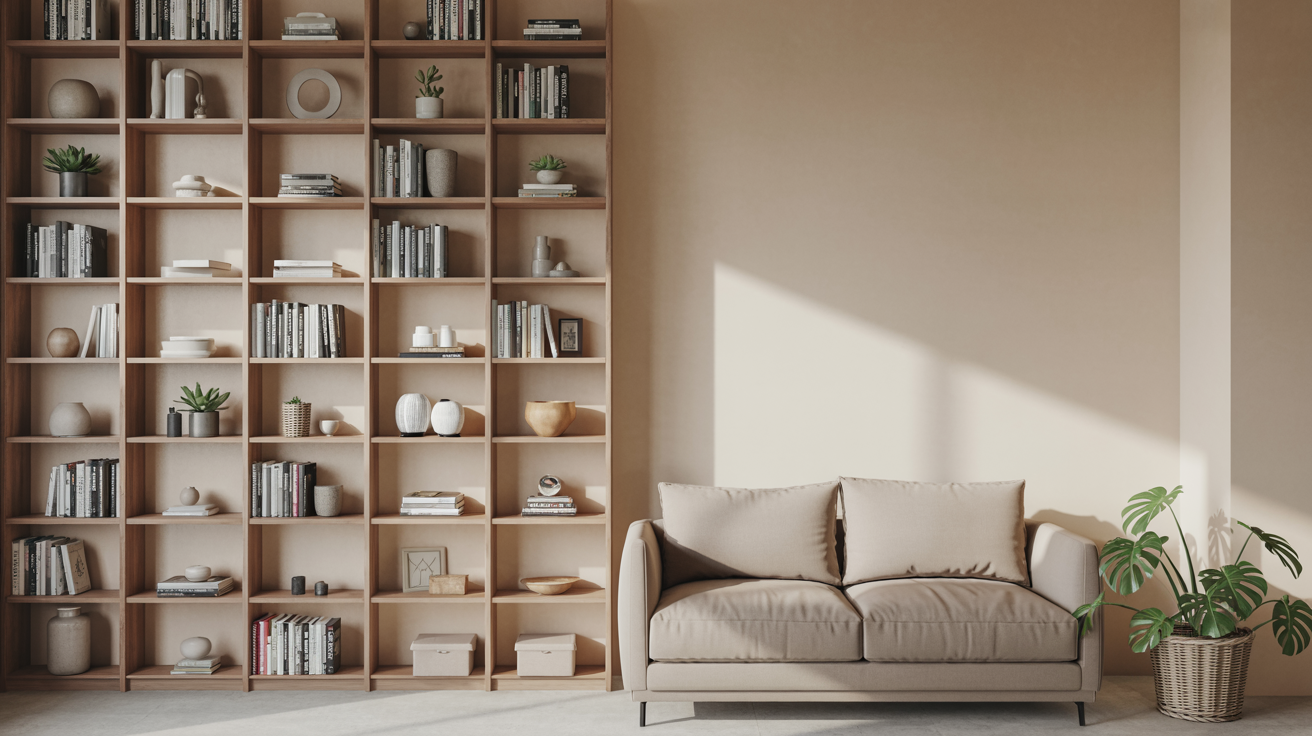
A bookshelf does a lot of heavy lifting in a small room. It pulls clutter off the floor and puts it somewhere it actually looks good.
Tall shelves draw the eye upward, which makes the ceiling feel higher and the room feel bigger.
The best part? You get storage and style in one spot. No extra furniture needed.
A well-placed bookshelf makes a small space feel cozy, organized, and put-together without any extra effort.
List of 27 Small Living Room with Bookshelves Ideas
Here are 27 bookshelf ideas made for small living rooms. Find what fits your space and makes it work better.
1. Floor-to-Ceiling Bookshelves
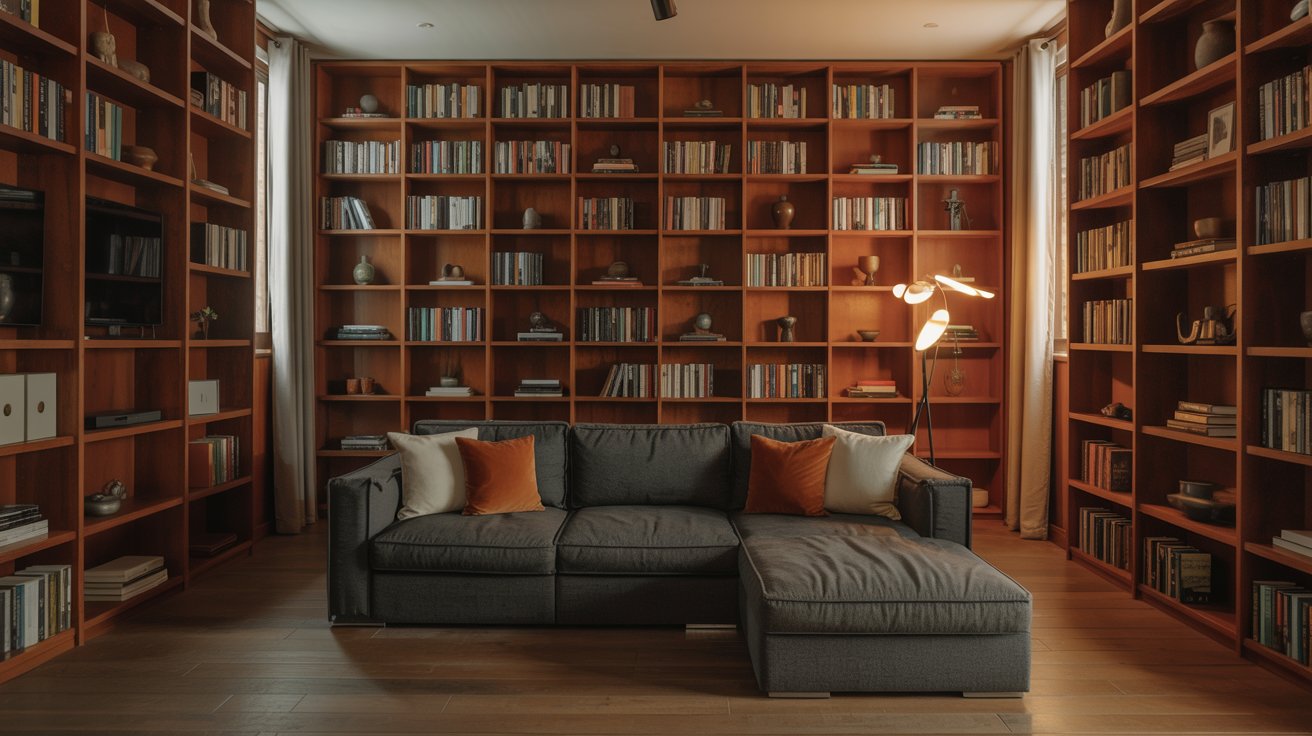
These shelves use every inch of vertical wall space you have. They pull the eye upward, which makes your ceiling feel higher. For a small living room, that sense of height makes a big difference in how open the room feels.
2. Floating Wall-Mounted Shelves
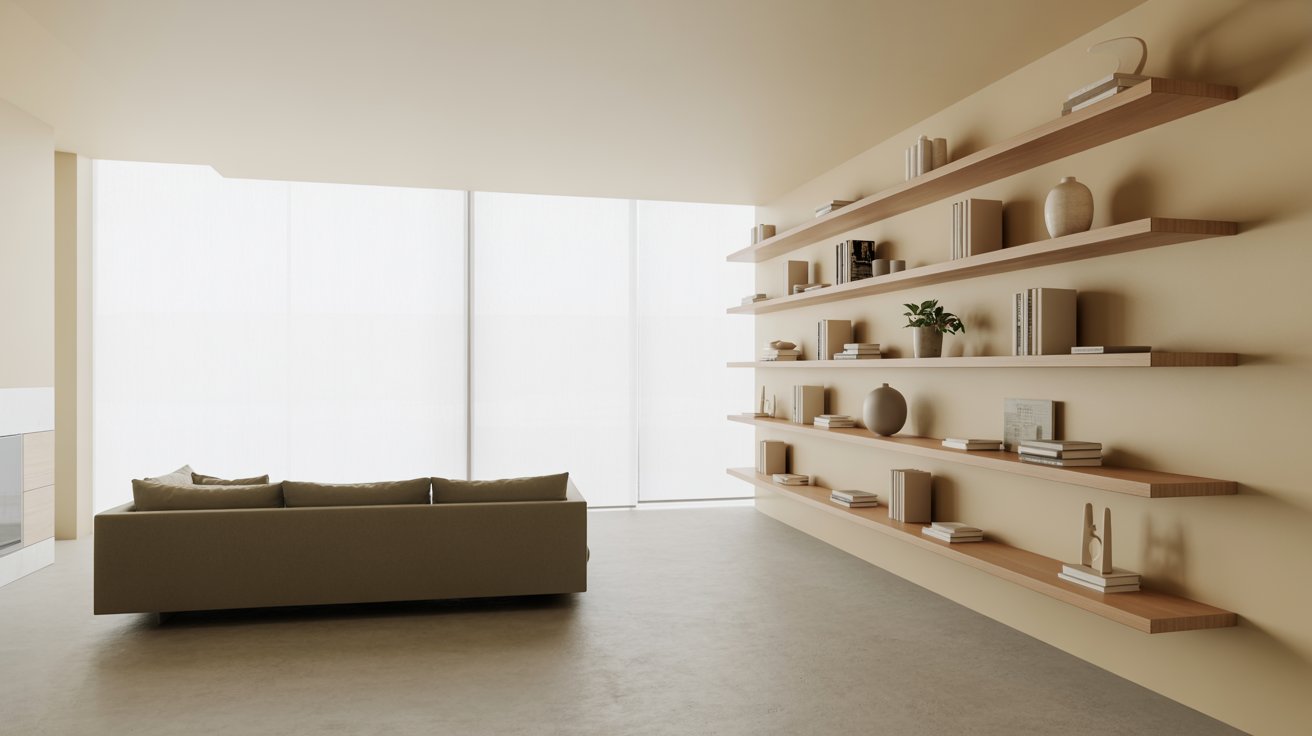
These shelves attach directly to the wall with no legs or base. That keeps your floor completely clear, which is a big win in a tight space. They work well on narrow walls and give the room a clean, light look.
3. Slim Vertical Bookshelves
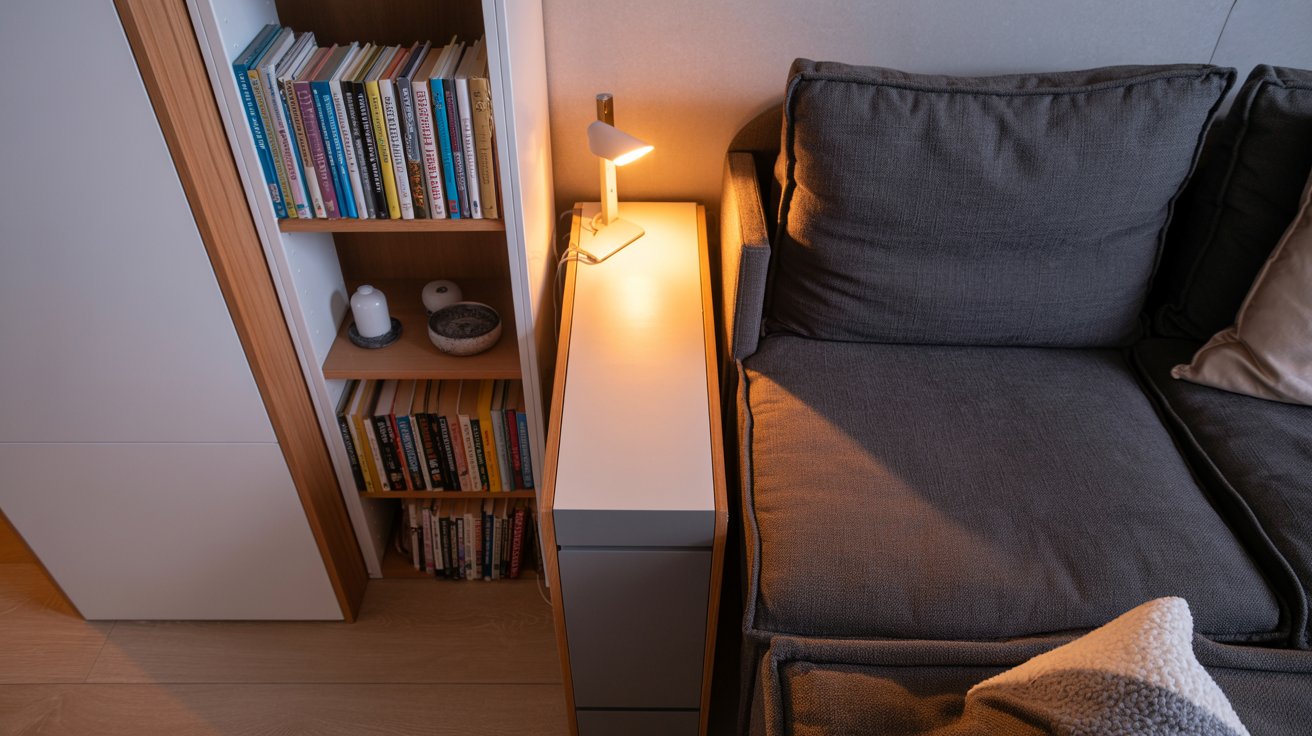
These narrow units fit into spaces most furniture cannot. A small gap beside the sofa or a tight corner suddenly becomes useful storage. If you live in a compact apartment, a slim vertical shelf is one of the smartest buys you can make.
4. Built-In Bookshelves Around TV
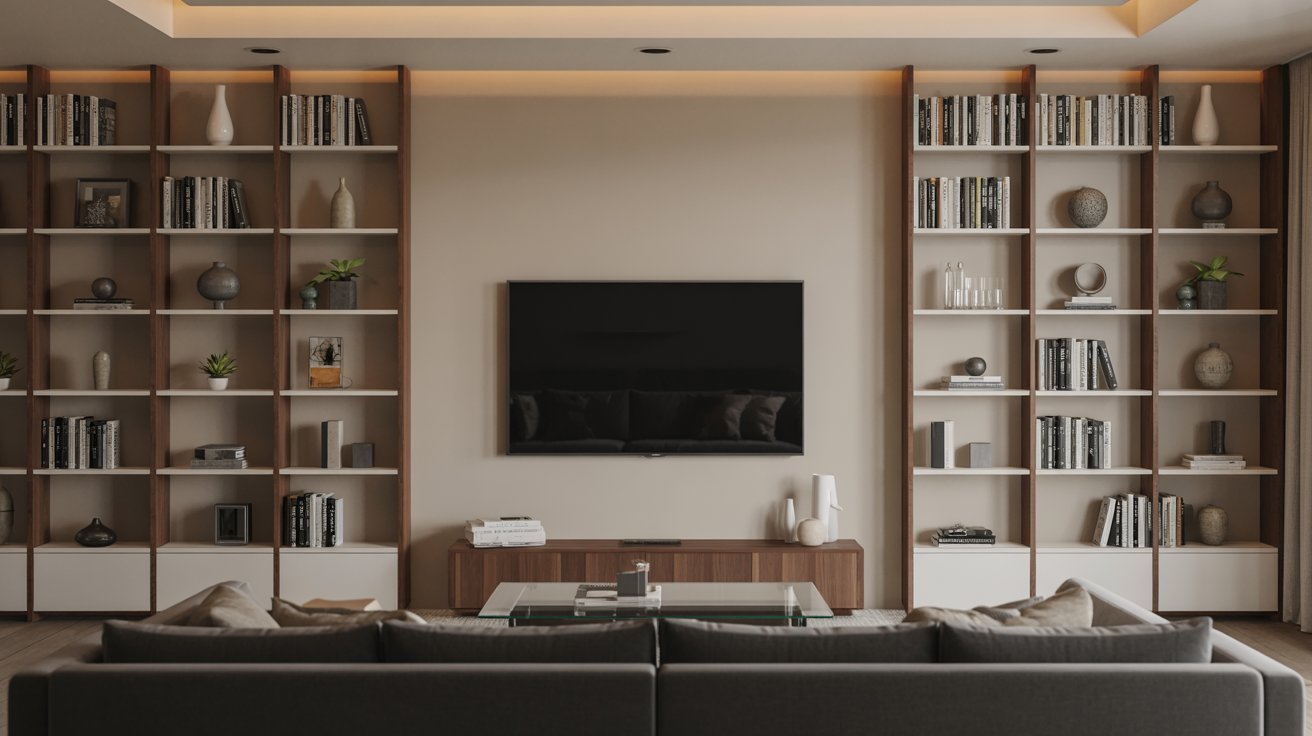
Instead of treating your TV wall as just a screen, wrap it with shelves. You get your entertainment setup and your storage all in one place. It uses the wall well and keeps the rest of the room from feeling overloaded.
5. Corner Bookshelves
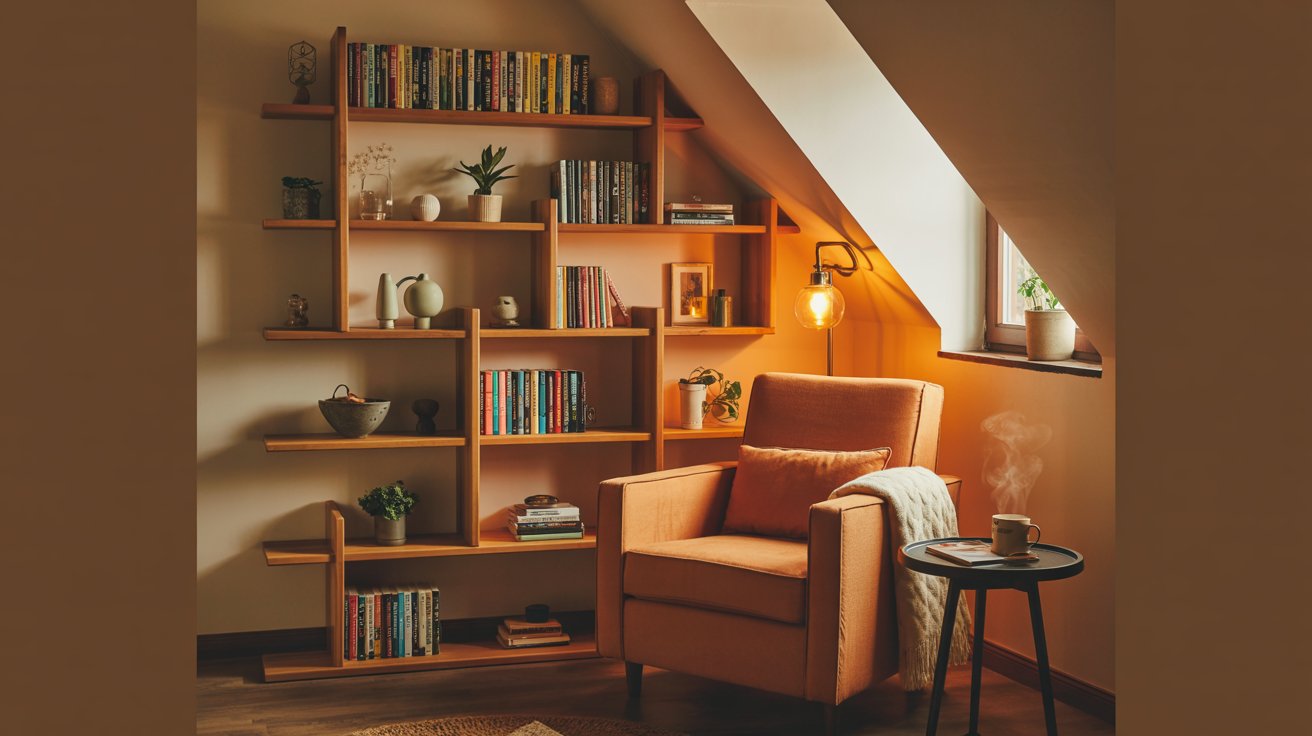
Corners are some of the most wasted spots in a small room. A corner bookshelf fits right into that space and makes it functional. It works especially well in rooms with awkward layouts where regular furniture just does not fit properly.
6. White Minimalist Bookshelves
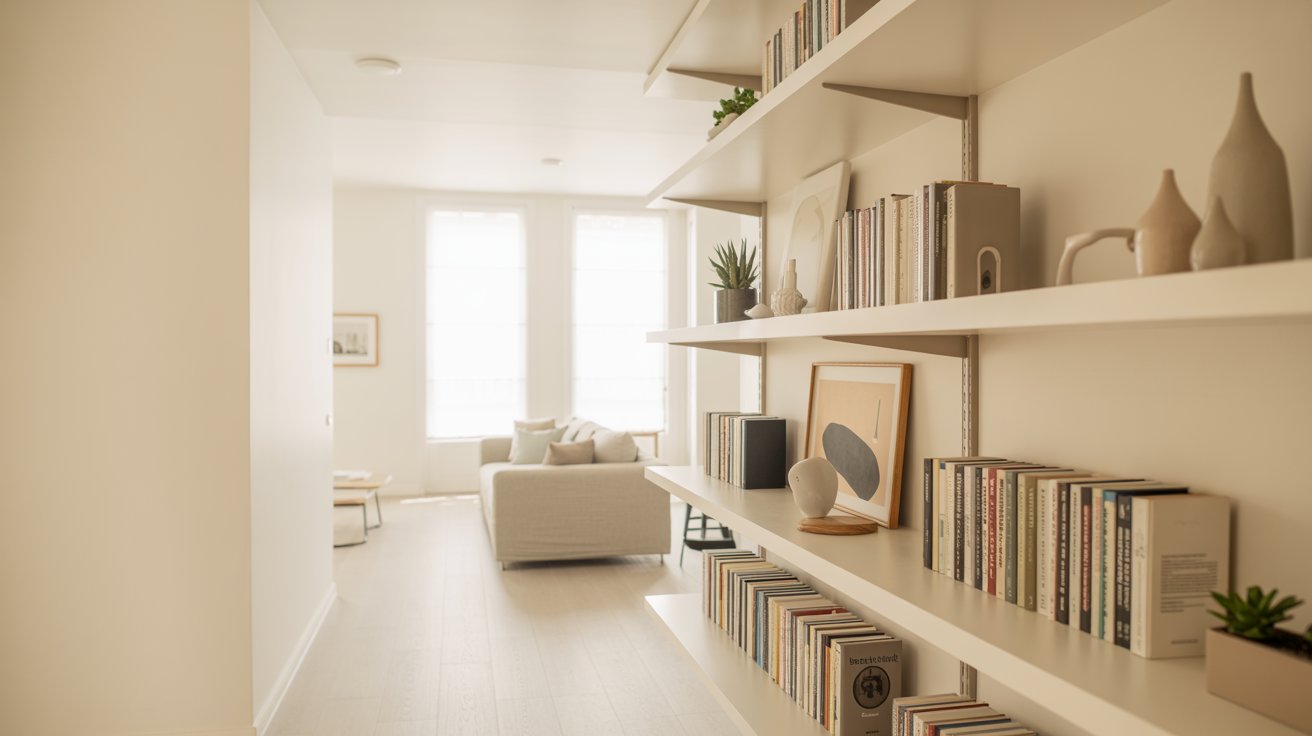
White shelves blend into light-colored walls and make the room feel more open. They reflect light instead of absorbing it, which keeps the space from feeling heavy. If your room is small and dark, white shelving is a simple fix.
7. Dark Accent Bookshelves
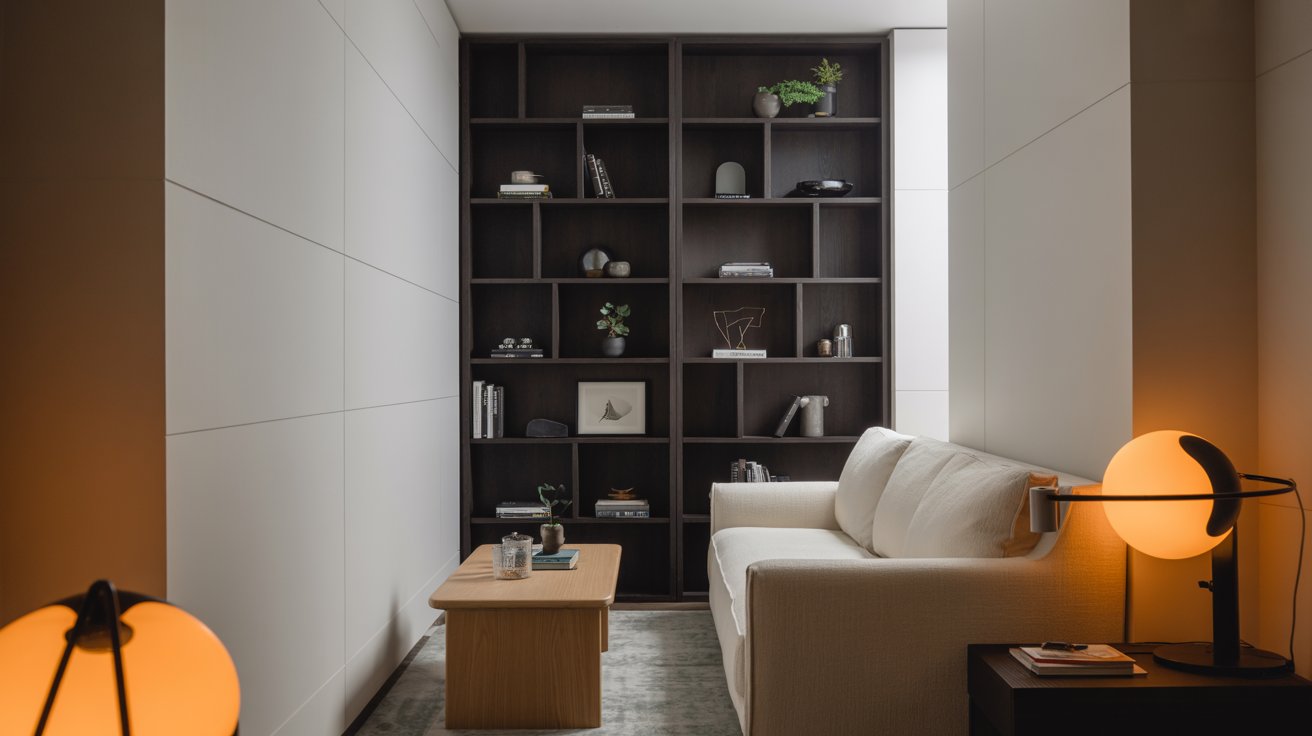
A dark bookshelf adds real contrast to a room. It becomes a natural focal point without you having to do much else. In a small space, one bold piece like this creates depth and keeps the room from looking too flat or plain.
8. Natural Wood Bookshelves
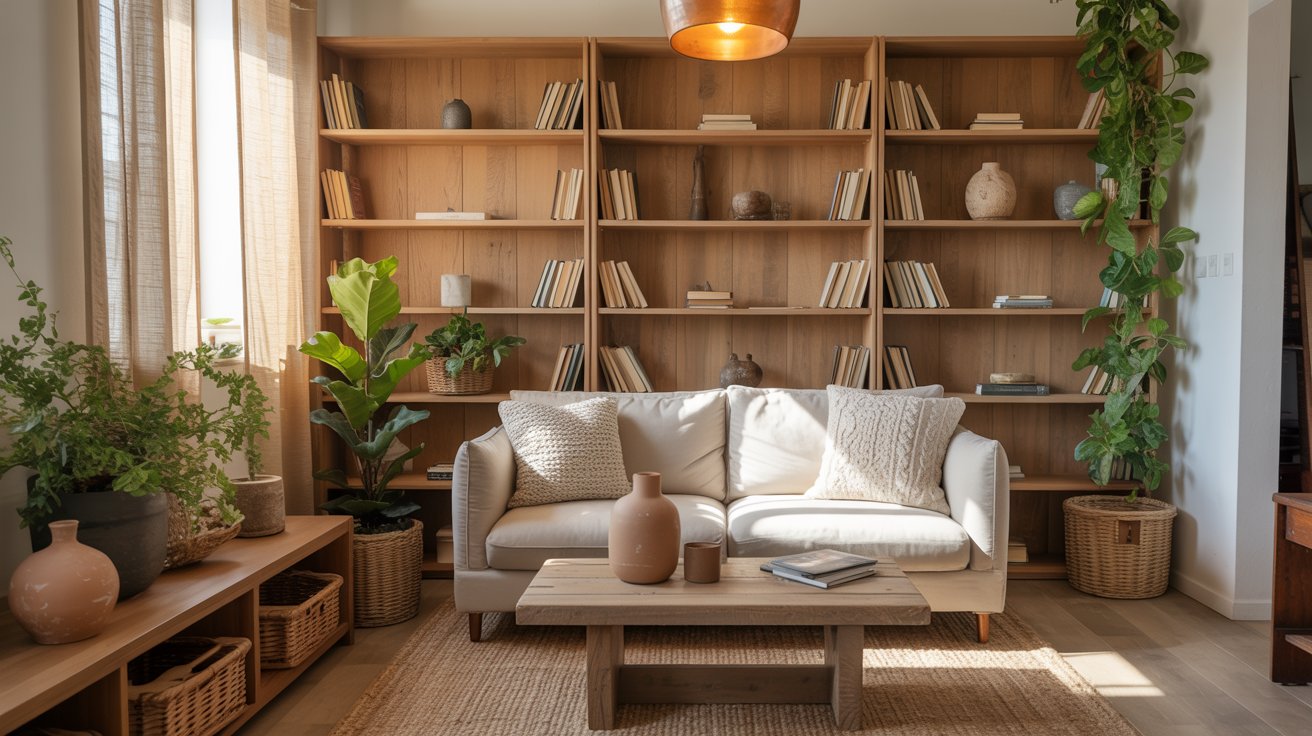
Wood shelves bring a warm, grounded feeling to a living room. They work just as well in a modern setup as they do in a more classic one. If your space feels cold or too minimal, natural wood adds the right kind of coziness.
9. Black Modern Bookshelves
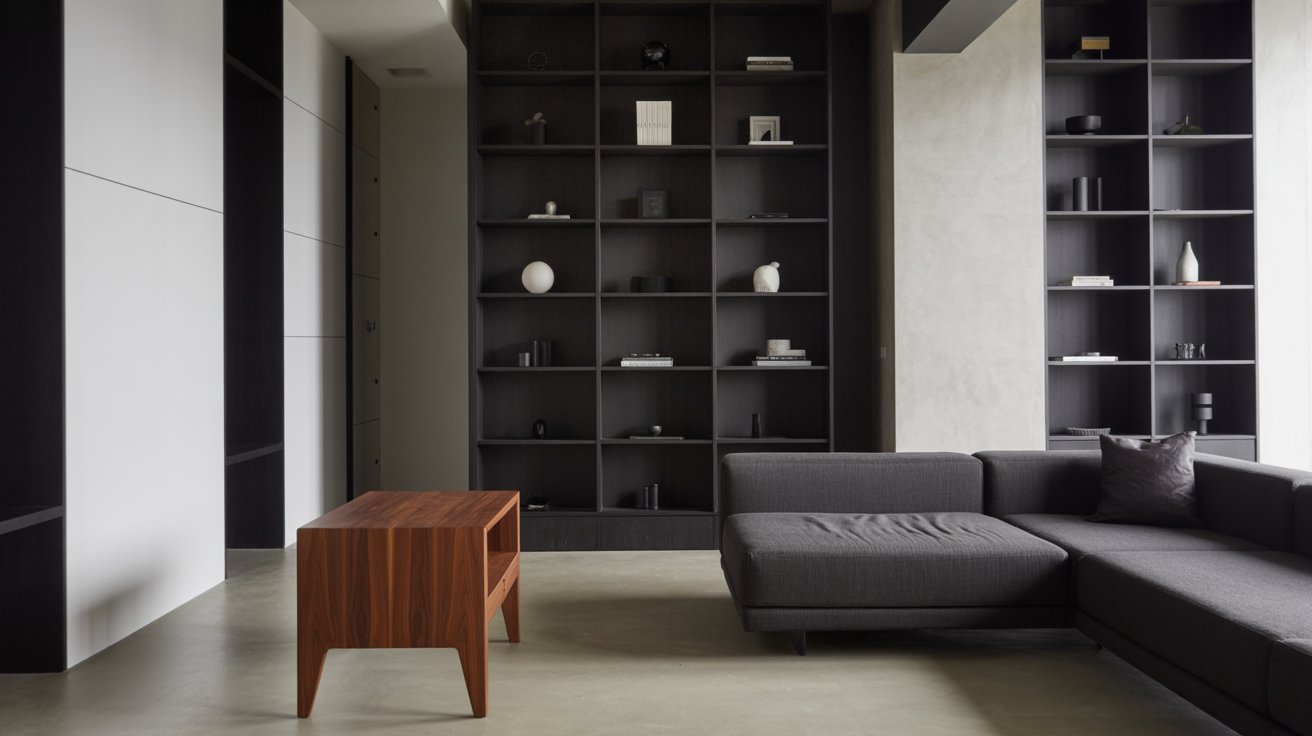
Black shelving gives any living room a sharp, put-together look. It pairs well with most color schemes and adds a strong visual anchor to the space. Even in a small room, a black unit can feel sleek rather than heavy when styled right.
10. Color-Coordinated Bookshelf Styling
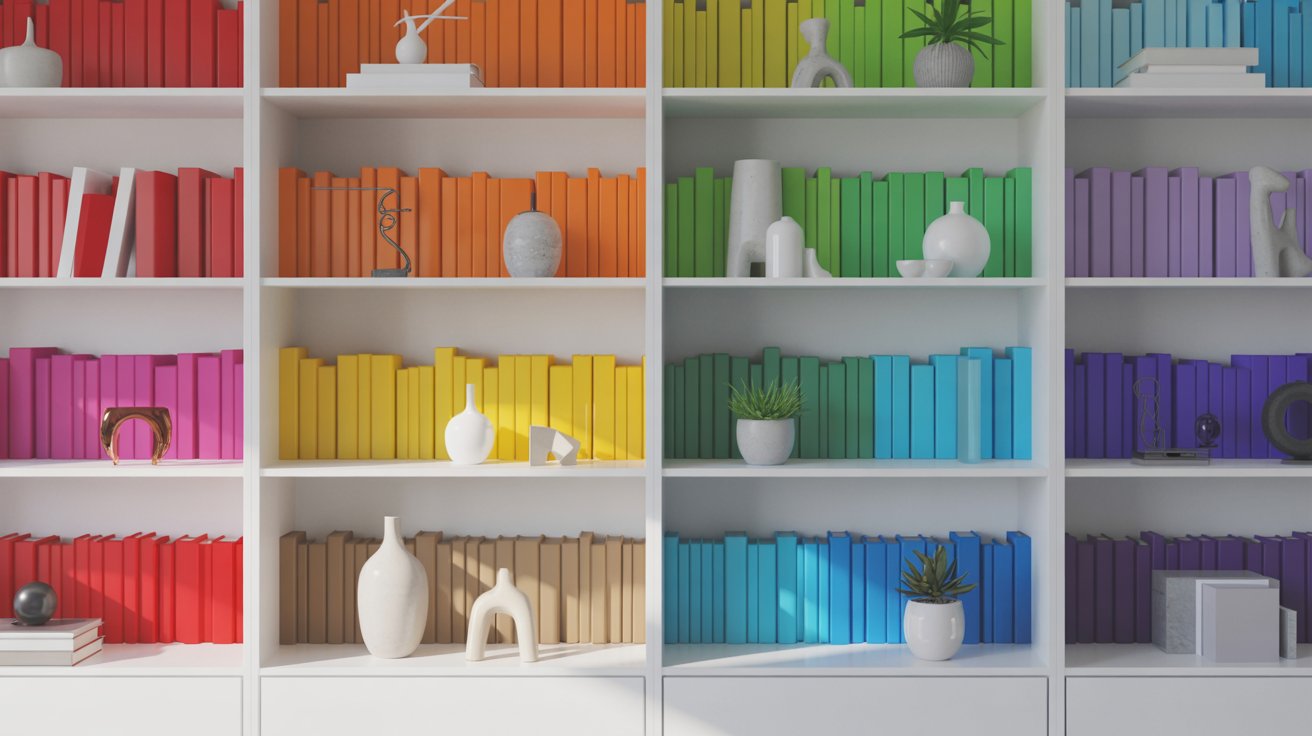
Arranging your books by color is one of the easiest ways to make a bookshelf look intentional. It turns a regular shelf into something that looks almost like wall art. You do not need to buy anything new, just rearrange what you already own.
11. Bookshelf with Window Seat
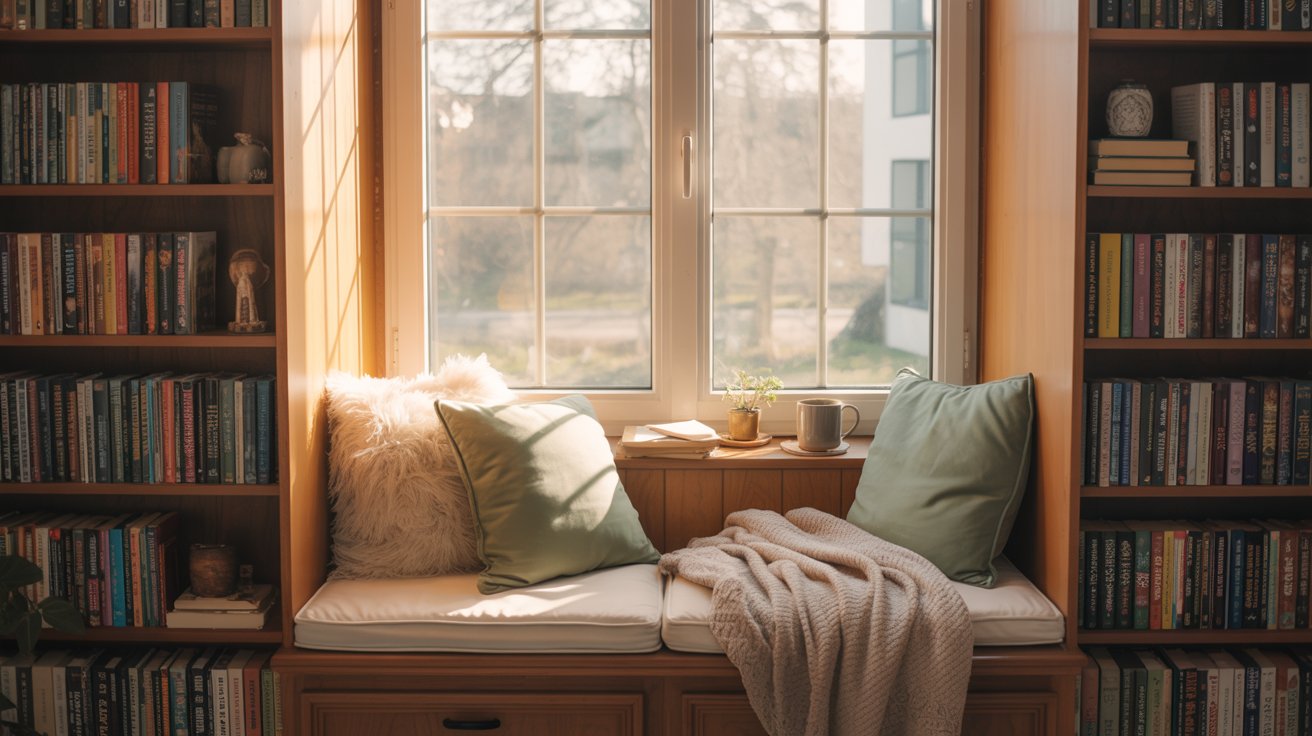
A built-in bench under a window with shelves on the sides gives you seating and storage in one setup. It creates a cozy reading spot that actually earns its place in a small room. This is one of those ideas that looks great and works even better.
12. Bookshelf + Desk Combo
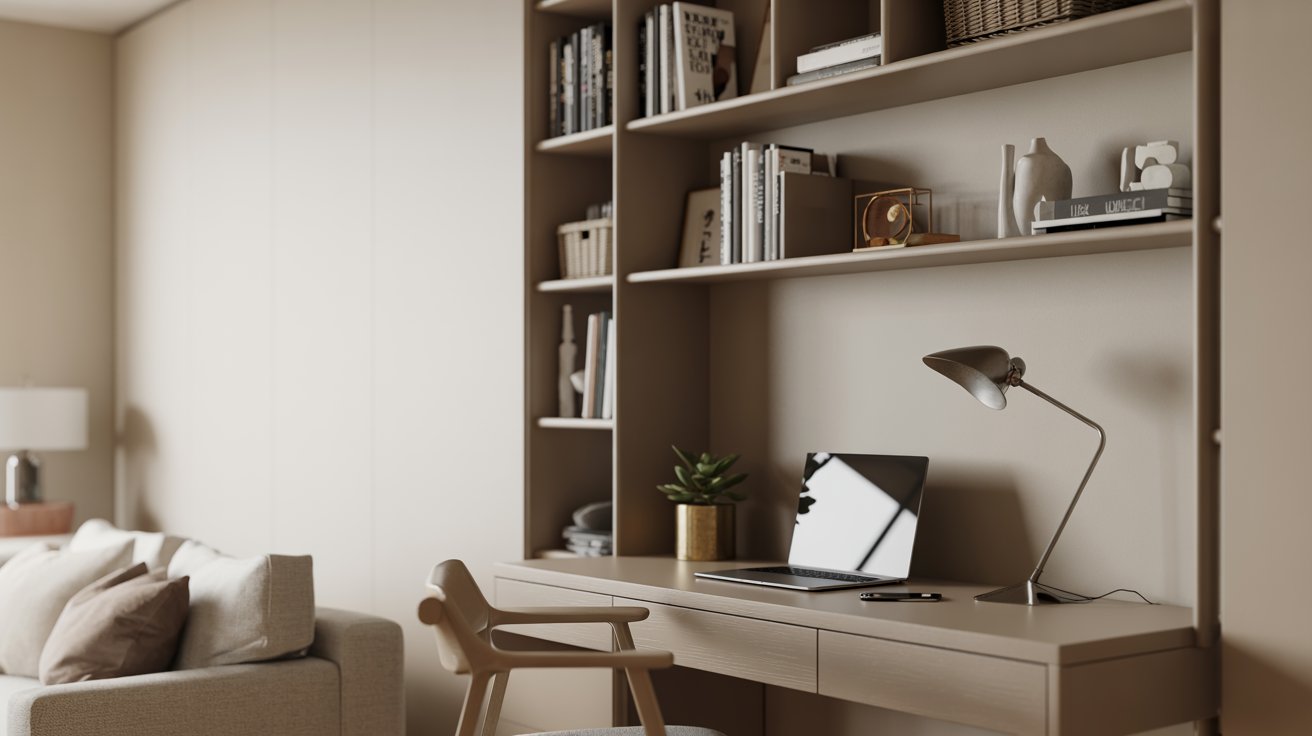
If you work from home and live in a small space, this combo is worth considering. You get a proper desk and shelving in a single footprint. It keeps your work area organized and saves you from needing two separate pieces of furniture.
13. Bookshelves with Cabinets Below
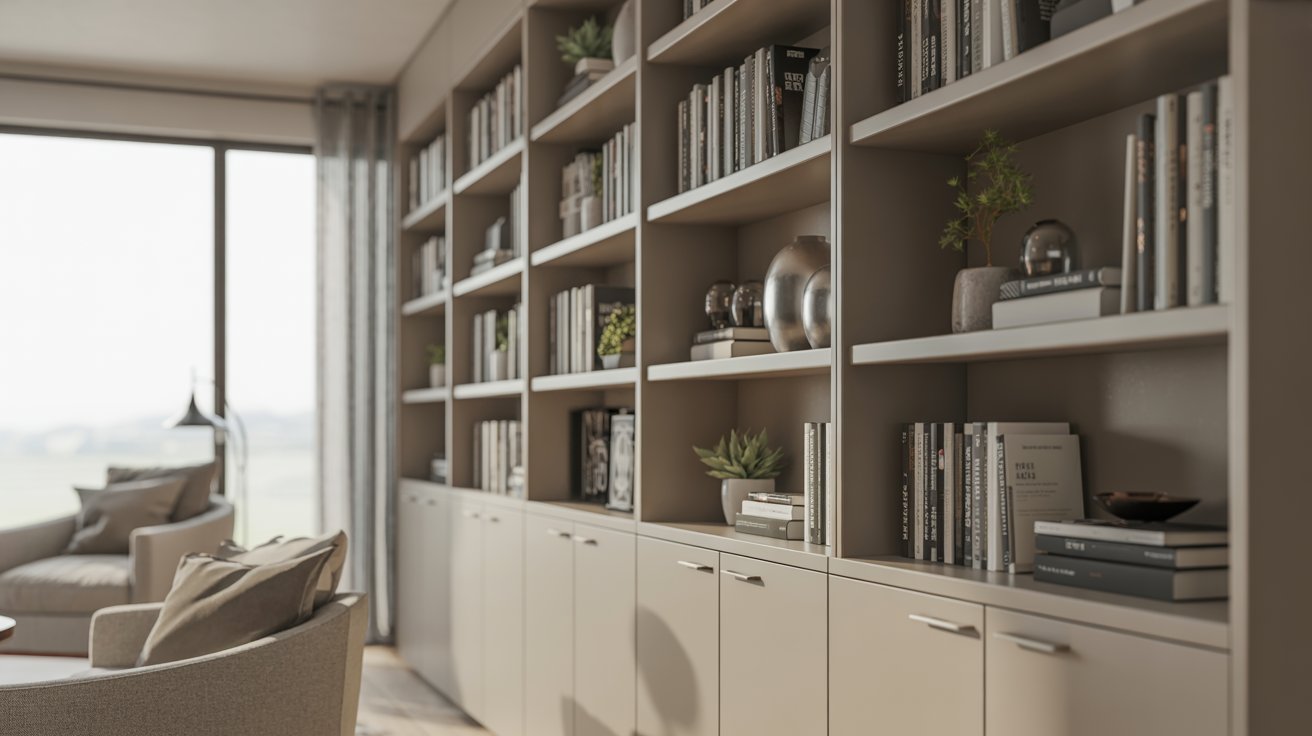
Open shelves on top, closed cabinets below. This setup lets you display the things you want seen and hide the things you do not. It keeps the room looking neat without forcing you to get rid of anything you actually need.
14. Bookshelf Room Divider
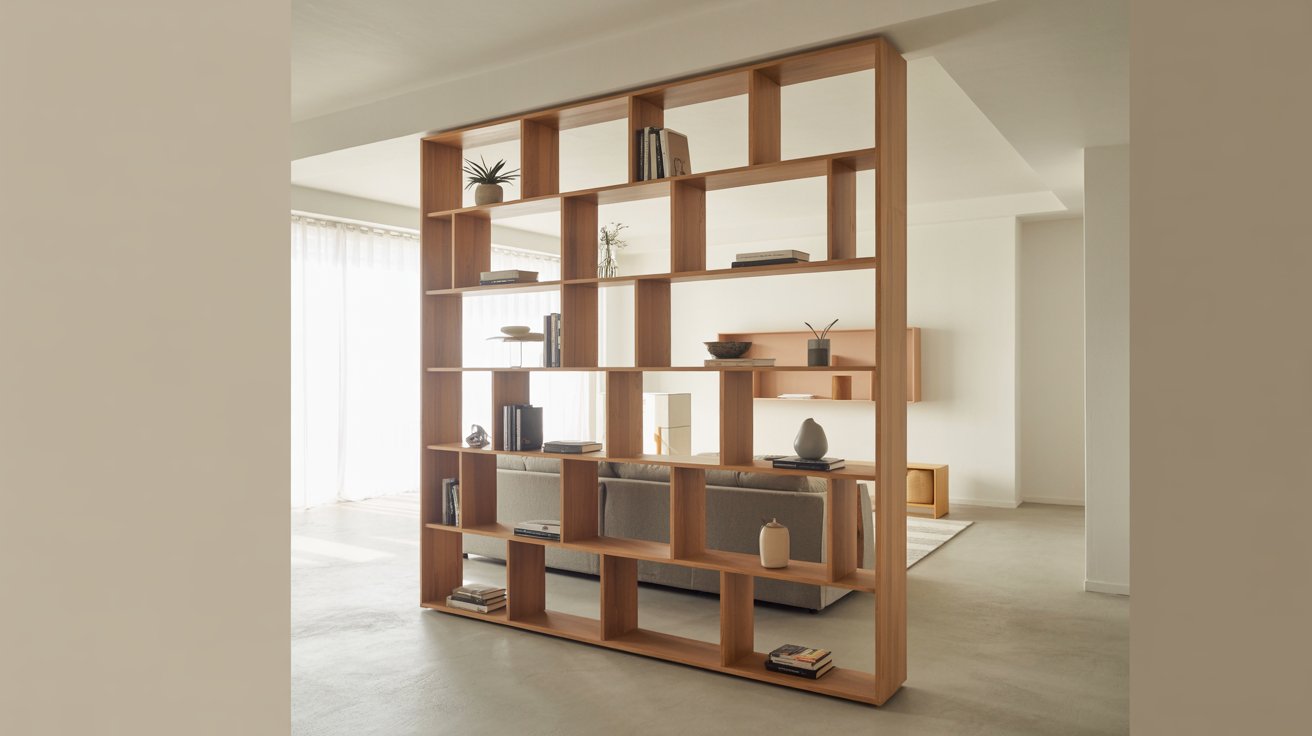
A tall open bookshelf can split a room into two zones without closing the space off completely. Light and air still pass through, so the room does not feel cut in half. It is a practical option for studio apartments or open-plan layouts.
15. Bookshelf with Hidden Storage
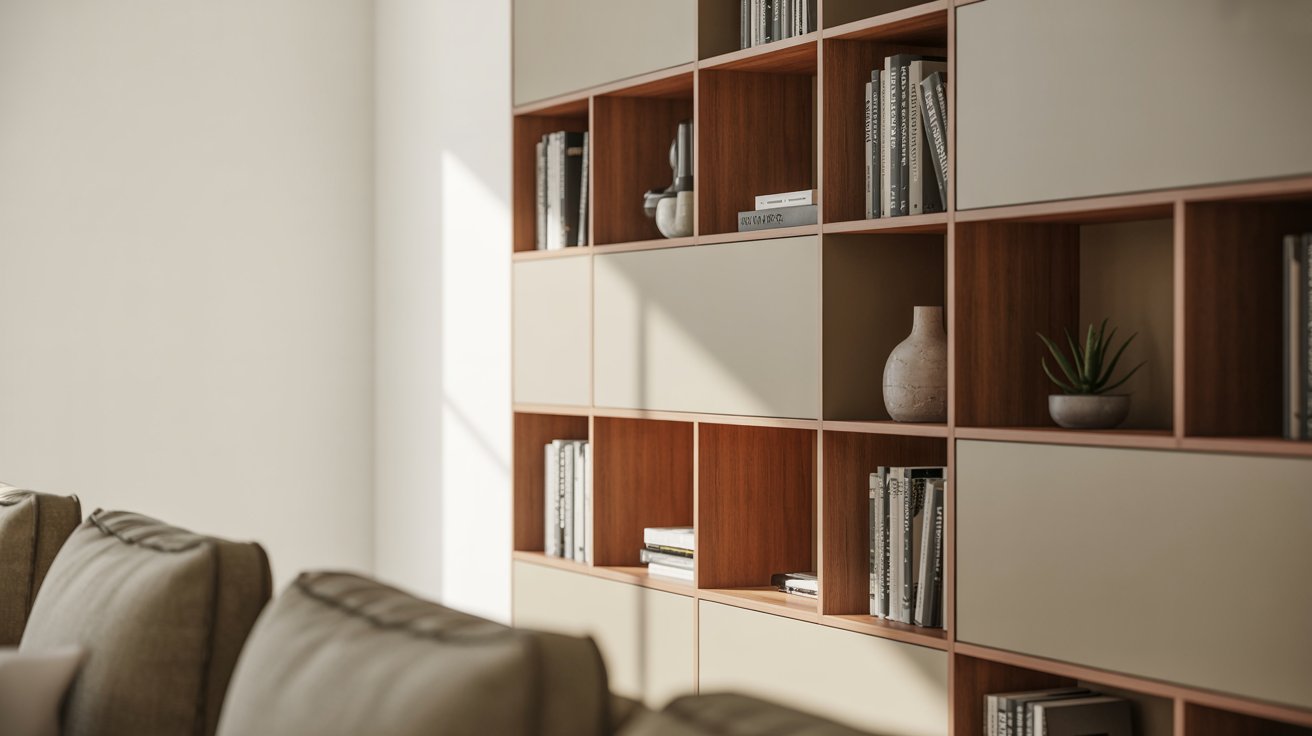
Some shelves come with built-in compartments that are not immediately visible. These hidden sections are great for storing things you need but do not want on display. It keeps the shelf looking clean while still giving you the extra storage you actually need.
16. Bookshelves Around Doorways

The wall space above and beside a doorway is almost always ignored. Framing a doorway with shelves turns that dead space into usable storage. It looks intentional and built-in, even if it is not, and adds storage without taking up any floor space.
17. Wall-to-Wall Bookshelf Unit

Covering an entire wall with shelving makes storage a design feature rather than an afterthought. It gives you serious capacity and creates a strong visual statement at the same time. In a small room, this approach keeps everything organized and in one contained area.
18. Asymmetrical Shelf Layouts
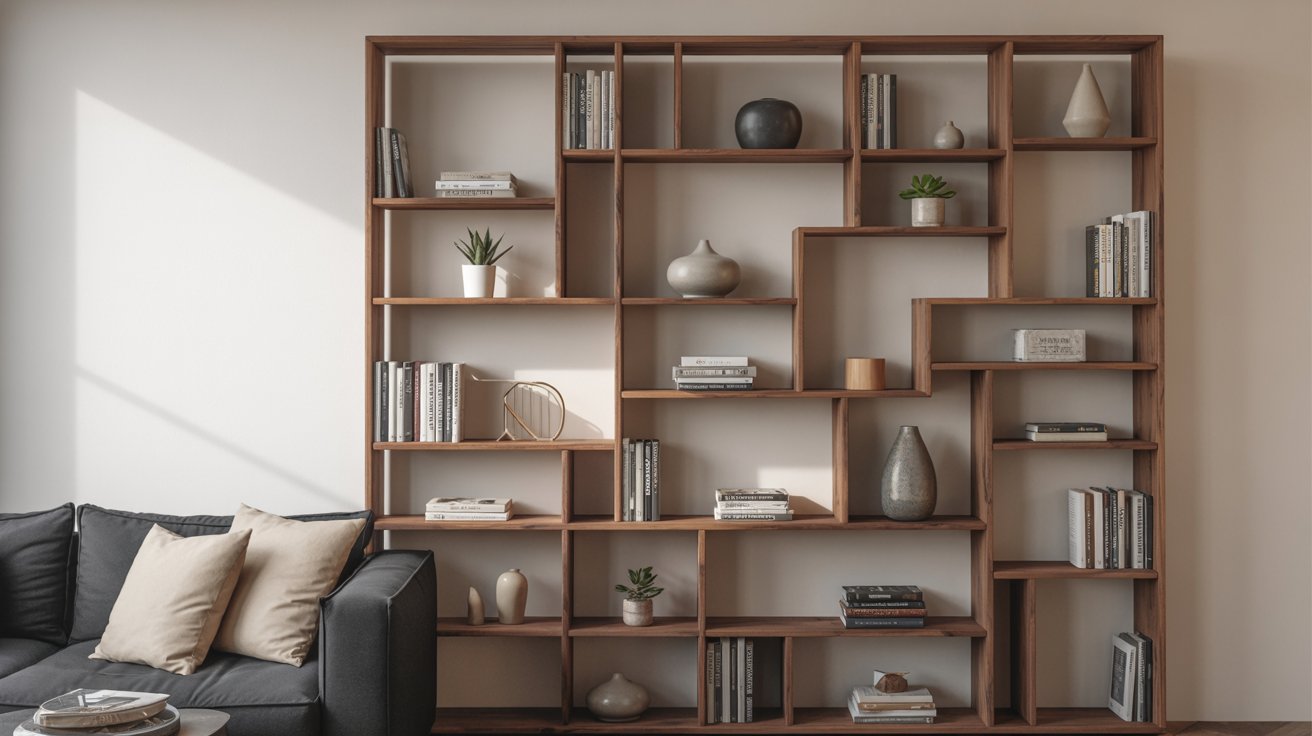
Not all shelves need to be the same size or evenly spaced. Mixing shelf heights and positions creates a more dynamic, modern look. It also gives you more flexibility in how you arrange books, plants, and decor across the unit.
19. Geometric Bookshelf Patterns
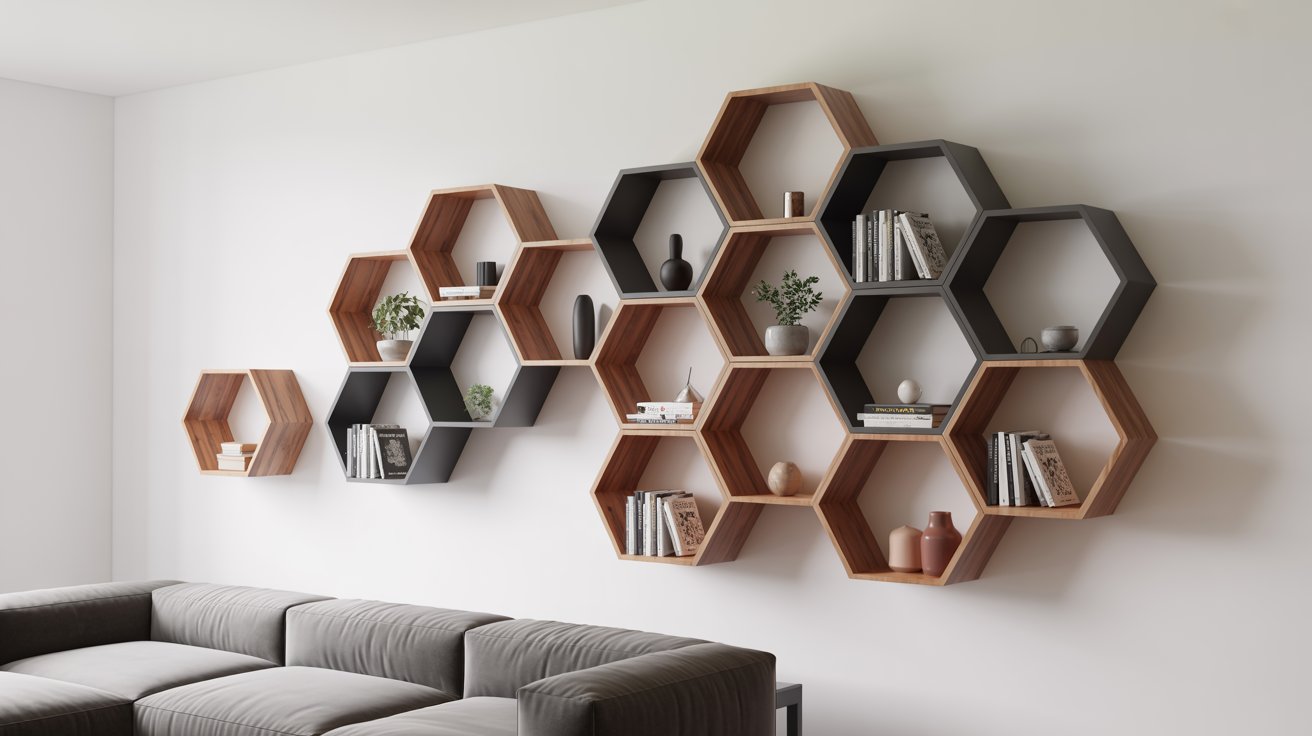
Shelves shaped into hexagons, diamonds, or angular forms add something extra to a plain wall. They work as storage and as wall decor at the same time. In a small room, a geometric shelf keeps things interesting without adding bulk to the space.
20. Floating Shelf Stacks
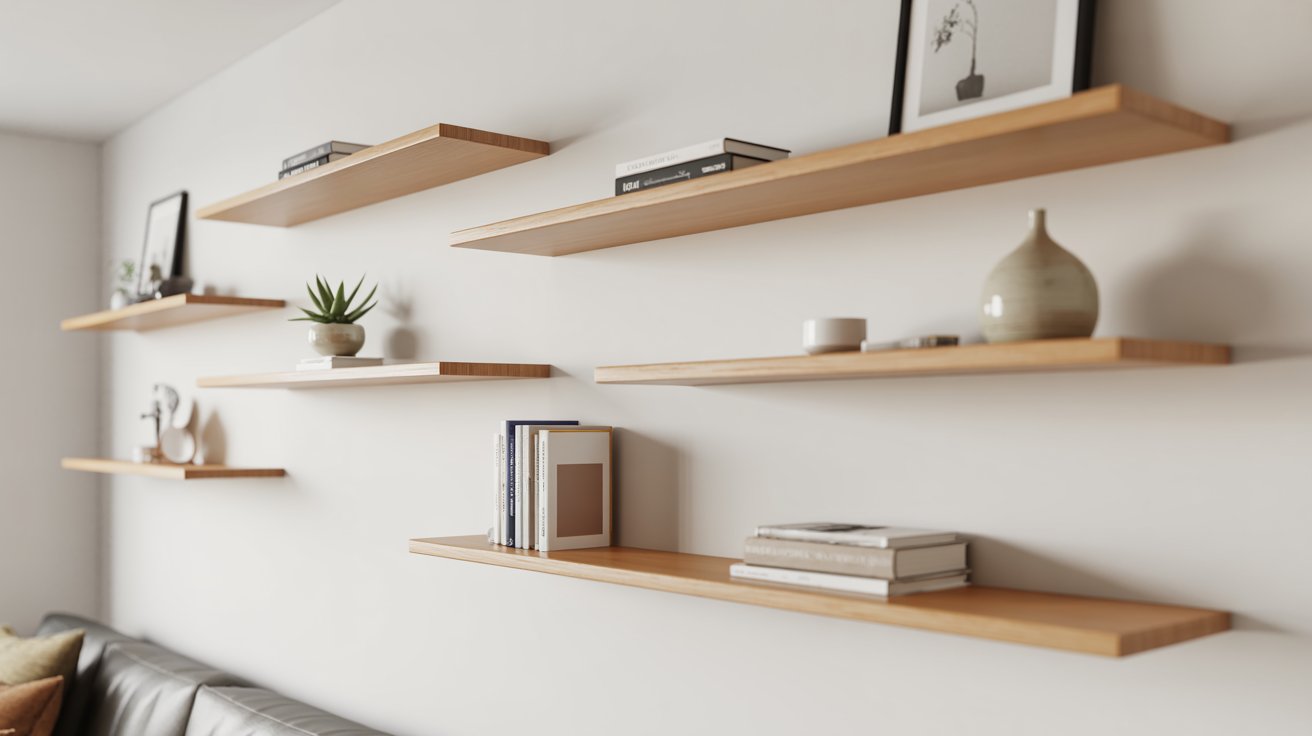
Multiple floating shelves layered at different heights create a flexible, open display system. You can rearrange things easily and add or remove shelves as needed. Because there is no solid back or frame, the setup keeps the wall feeling light and open.
21. Mix Books with Plants

Adding small plants between books makes a shelf feel more lived-in and fresh. The greenery breaks up the rows of spines and adds color that feels natural rather than forced. It is a small change that makes a bookshelf look much more personal.
22. Decorative Objects and Art Pieces
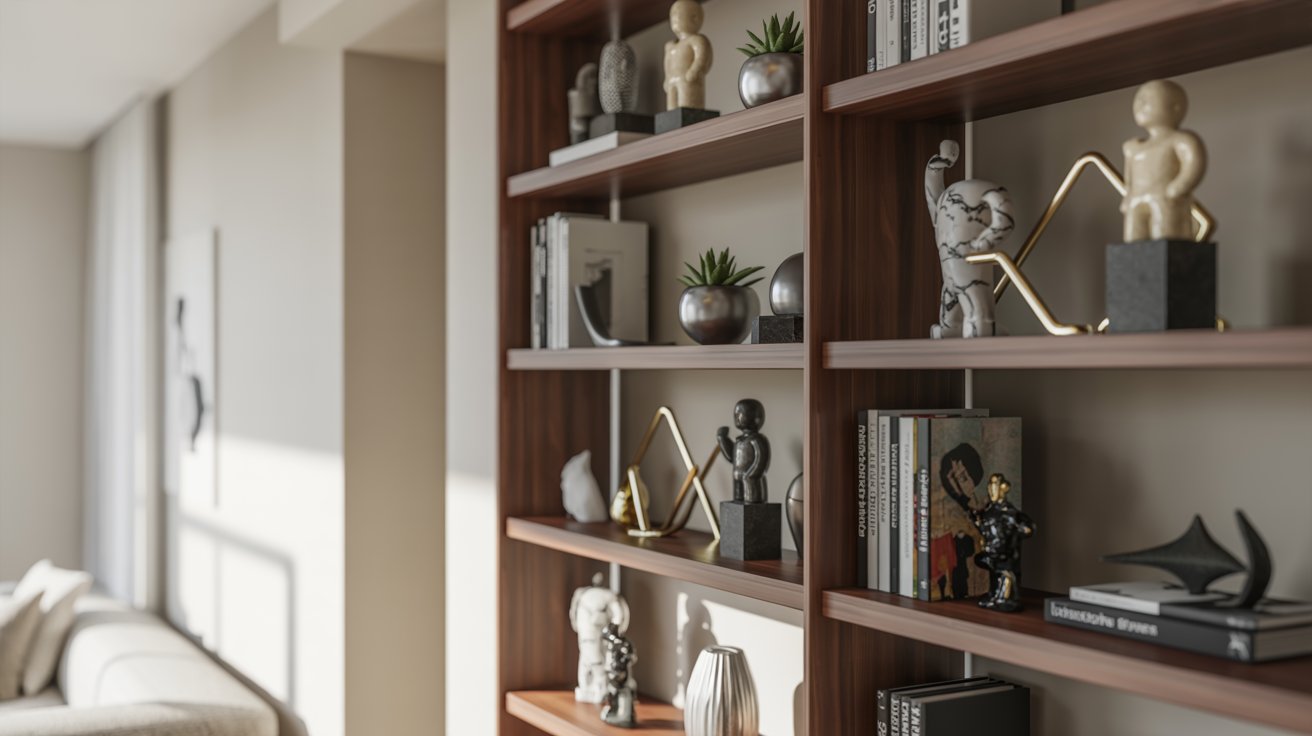
A shelf full of only books can start to look flat. Mixing in a few art pieces, small sculptures, or decorative objects adds personality. Keep the number of items controlled so the shelf looks curated rather than cluttered. Less is usually more here.
23. Creative Bookends
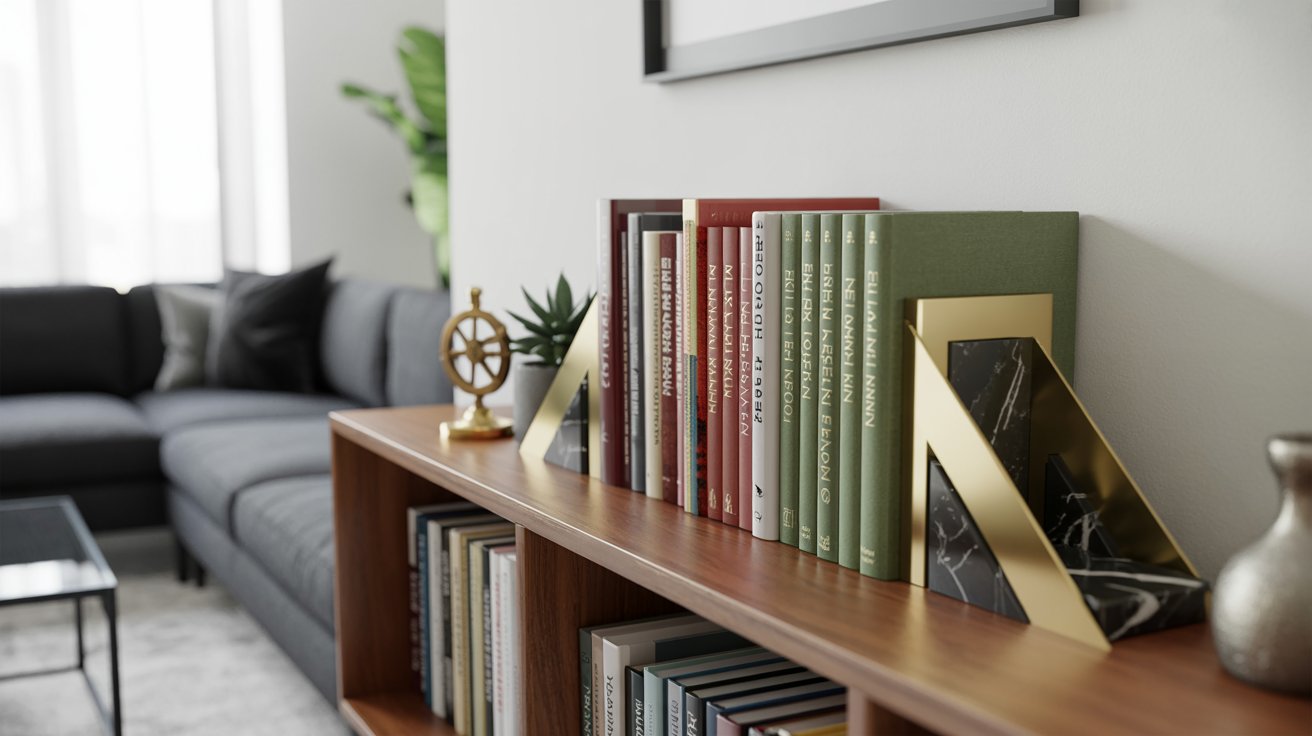
Bookends are easy to overlook, but the right pair makes a real difference. They keep your books upright and add a small decorative moment to the shelf. Look for shapes or materials that match the rest of your room for a more pulled-together result.
24. Wallpaper Backing for Shelves
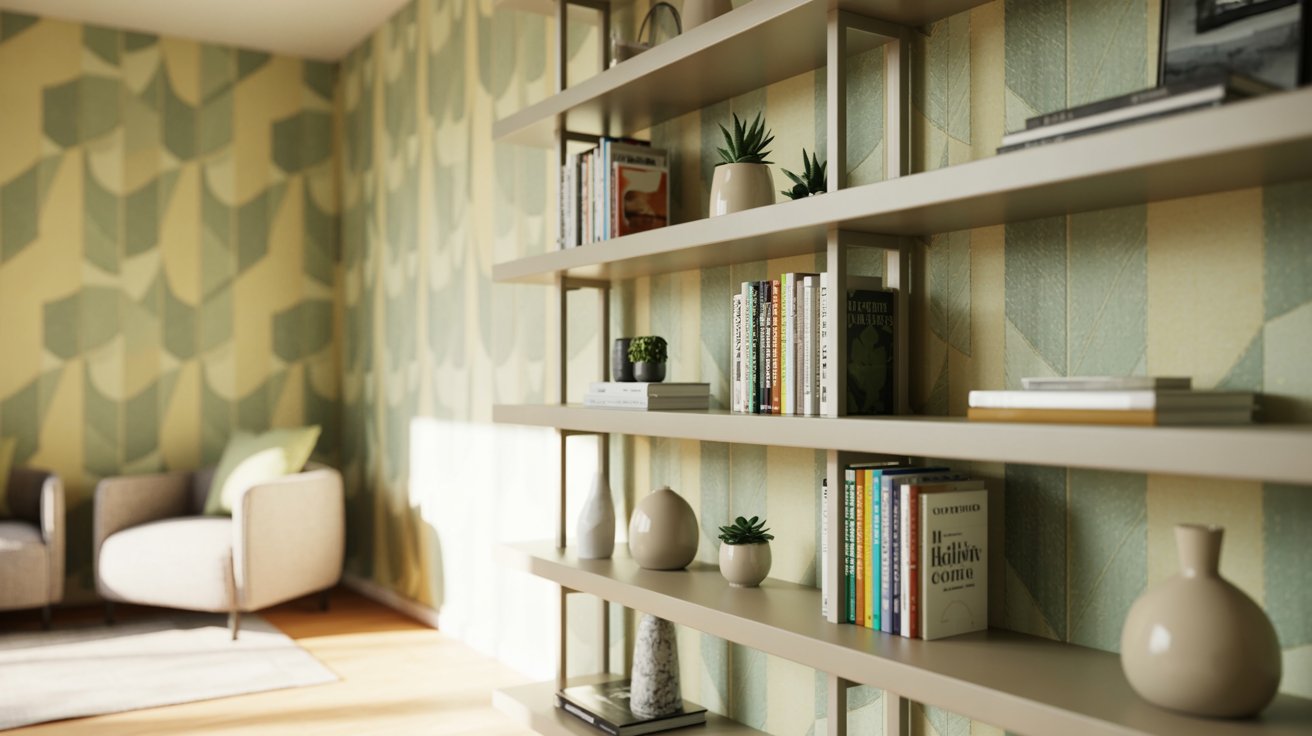
Adding wallpaper or patterned paper to the back panel of a bookshelf adds depth and texture. It makes the shelf feel more finished and custom. Even a simple pattern behind your books can completely change how the whole unit looks on the wall.
25. Integrated Shelf Lighting
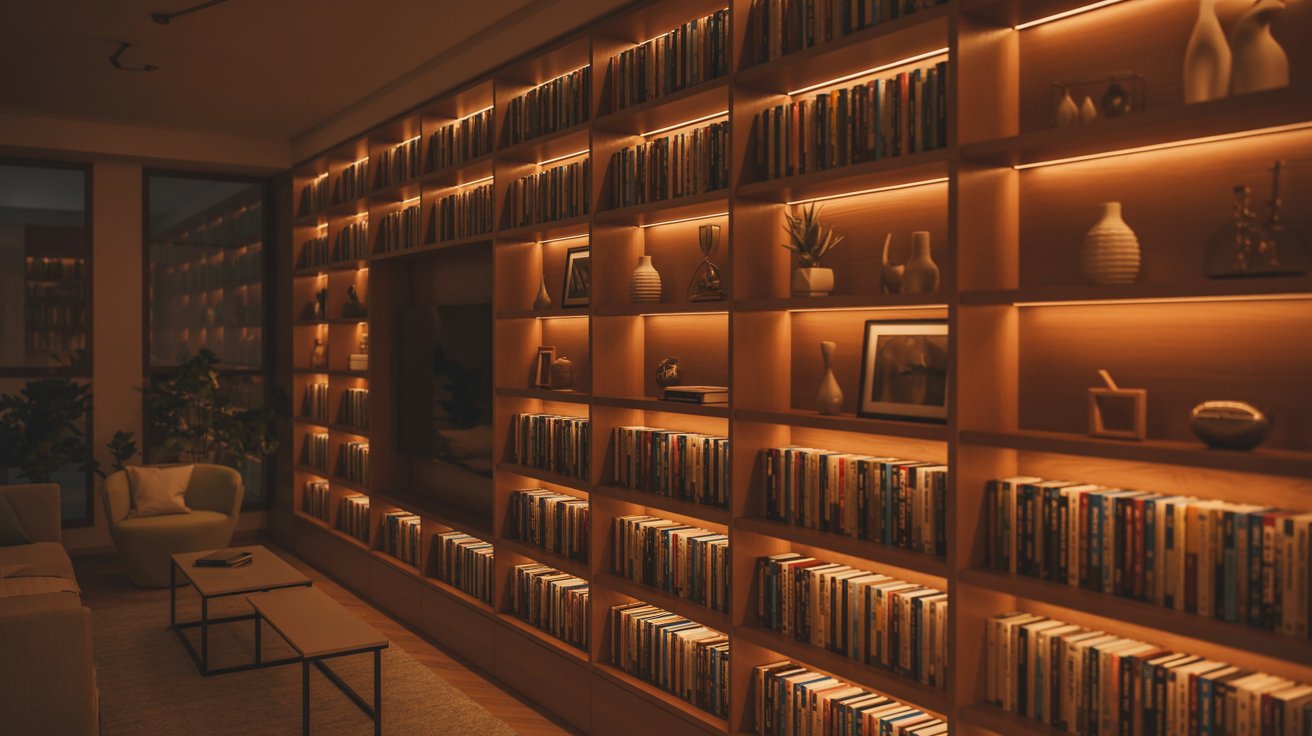
Small LED strips or puck lights mounted inside shelves draw attention to your books and decor. They also add warmth to the room in the evening. It is a low-cost addition that makes a big difference in how polished and intentional the shelf looks.
26. Minimal Single-Layer Shelves
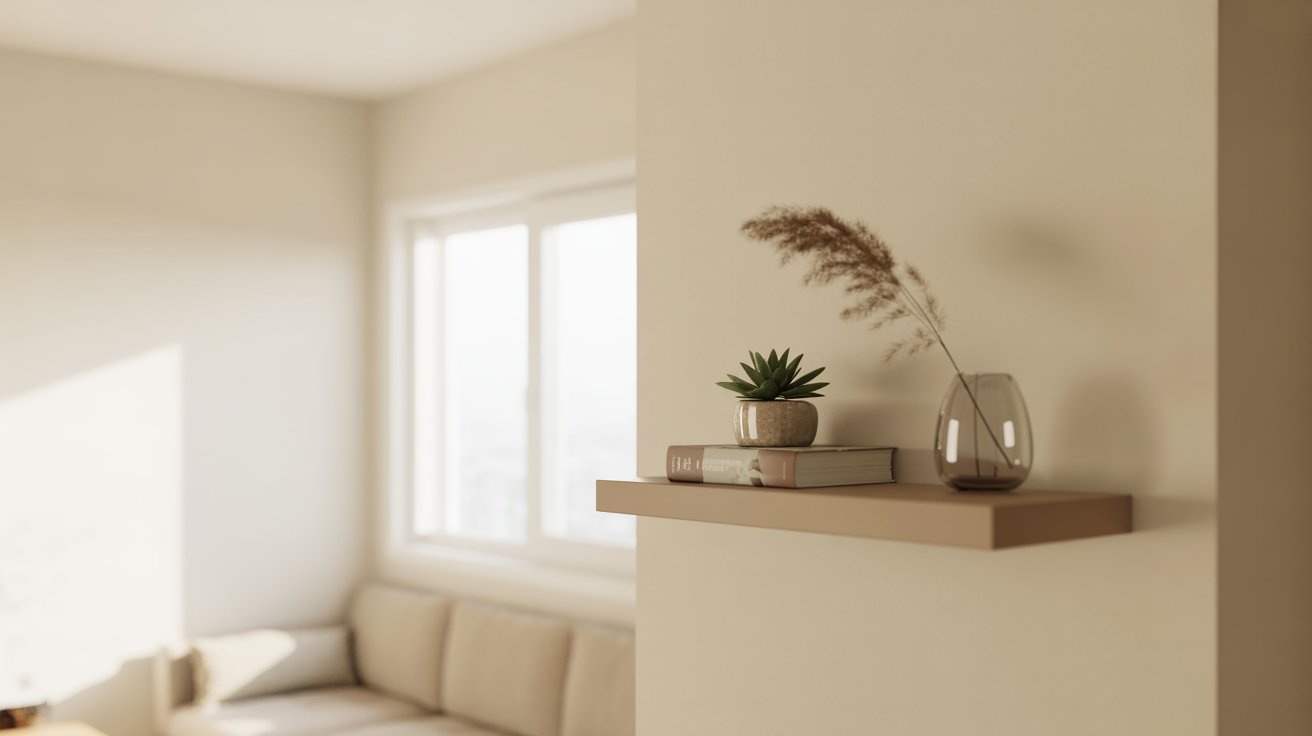
One shelf with a few carefully chosen items keeps things simple and clean. This works well in rooms that already have a lot going on visually. Less clutter on the shelf means the room feels calmer. Sometimes a single shelf is all a small space really needs.
27. Curated Book Display Style
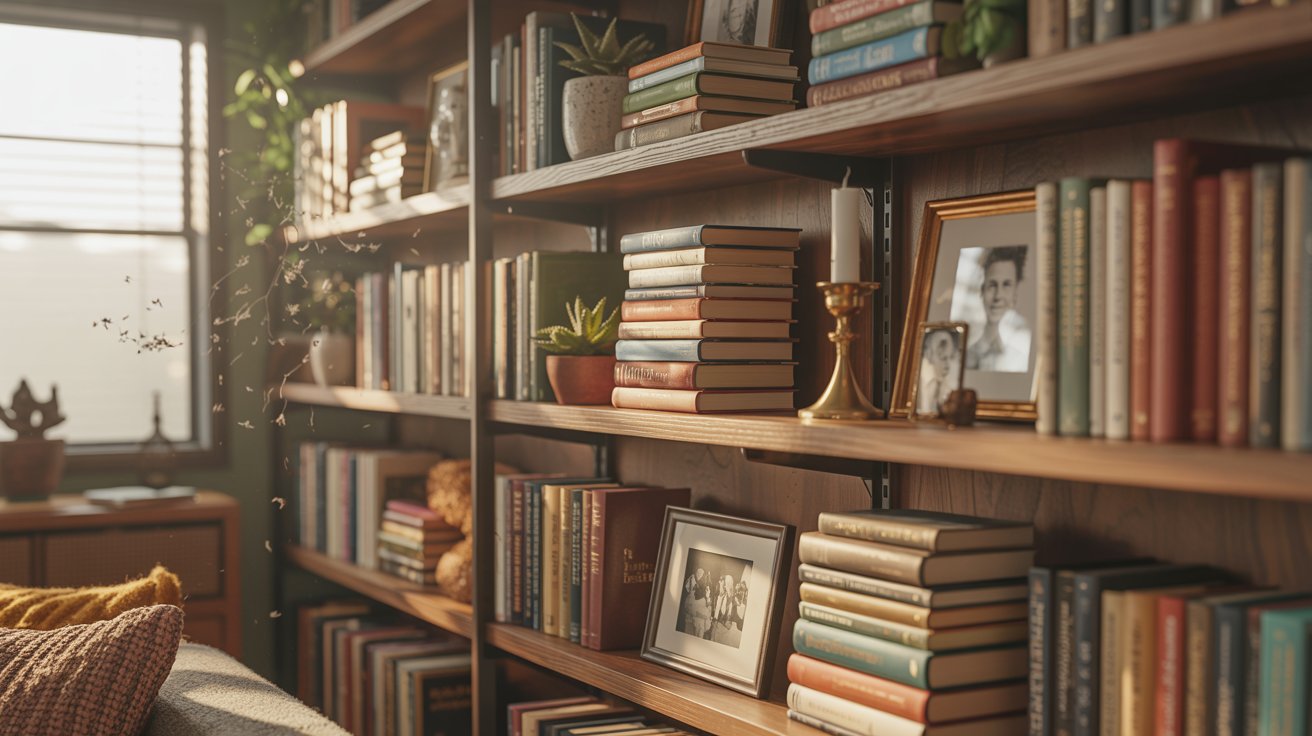
Choosing which books go on display, rather than just putting everything out, makes the shelf look more considered. Mix upright books with a few stacked horizontally for variety. Add one or two personal items. The goal is a shelf that looks like you chose it, not just filled it.
Tips for Designing Bookshelves in Small Living Rooms
- Go vertical with your shelves instead of spreading out across the floor. Wall space is your best friend in a small room.
- Stick to light or neutral colors for your shelving. It keeps the room feeling open and does not weigh the space down.
- Mix open shelves with closed storage below. Display what looks good and hide what does not.
- Do not pack every shelf to the edge. A little breathing room makes the whole setup look more put-together.
- Add small lights inside or above your shelves. It draws attention to your decor and makes the room feel warm in the evening.
Conclusion
A bookshelf is not just storage. It is one of the smartest design moves you can make in a small living room.
The right placement and a little thought in styling can completely change how your space looks and feels.
I hope these ideas give you a clear starting point. Pick what works for your room, make it your own, and enjoy the process.
Ready to get started? Save this post and come back to it when you shop.
Frequently Asked Questions
What type of bookshelf works best in a small living room?
Floating wall-mounted shelves and slim vertical units work really well in tight spaces. They keep the floor clear and make the room feel less crowded.
How do I style a bookshelf without making it look cluttered?
Keep only what you actually want people to see on the shelves. Mix books with a plant or two and a small decor piece, and leave some empty space in between.
Can a bookshelf make a small room look bigger?
Yes, tall shelves draw the eye upward and create a sense of height. Light-colored shelving also helps the room feel more open and airy.
What is the best color for a bookshelf in a small living room?
White or light wood tones are a safe pick for small spaces. They blend into the wall and do not make the room feel closed in.
How do I use a bookshelf as a room divider in a small space?
Pick a tall, open-back unit and place it between two areas. Light passes through both sides, so the room stays connected while the zones feel separate.


