


I didn’t expect this book to hit me the way it did. Ordinary Grace by William Kent Krueger feels quiet on the surface but carries real weight underneath.
I picked it up looking for a mystery and found a story about grief, faith, and a summer that changes a person forever.
In this blog, I’ll give you a full Ordinary Grace summary and review covering the plot, themes, characters, and my honest take.
I’ve been reviewing literary fiction for years, and this one genuinely stands out.
By the end, you’ll know exactly whether it belongs on your list.
Book Overview
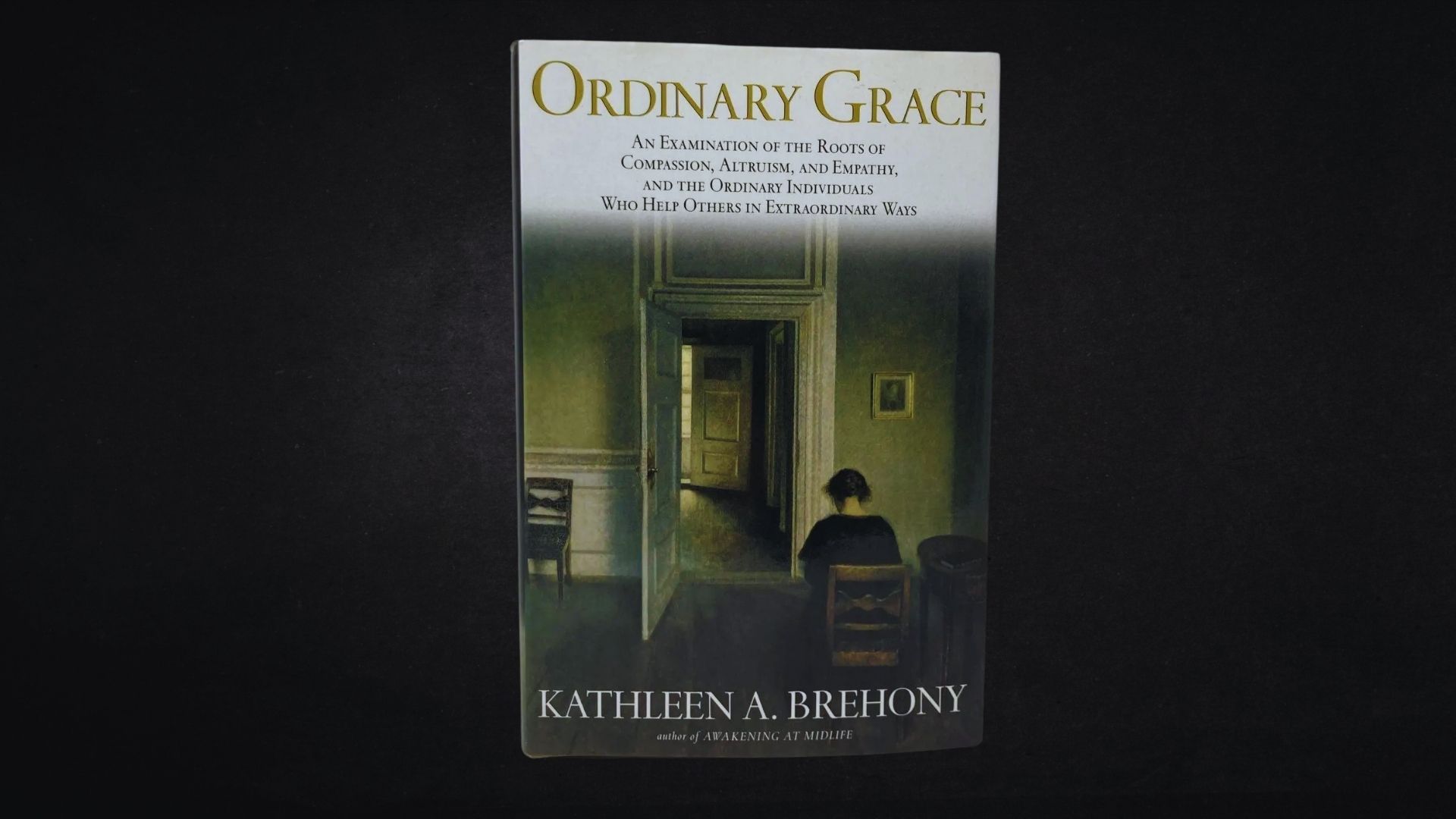
Ordinary Grace is a 2013 historical fiction novel by William Kent Krueger. It is set in New Bremen, Minnesota during the summer of 1961.
The story follows 13-year-old Frank Drum as tragedy strikes his small town again and again.
The book blends literary mystery with a coming-of-age narrative, told through the reflective voice of an adult looking back.
It sits at the crossroads of family drama, faith, and loss, and it stands as Krueger’s most celebrated work to date.
Plot Summary (Spoiler-Free)
The story takes place over one intense summer in New Bremen, Minnesota. Frank Drum is 13 years old. His father Nathan is the town’s Methodist minister.
From the opening pages, death is already present. Several people die under mysterious and troubling circumstances.
Frank and his younger brother Bobby try to make sense of what’s unfolding while their family quietly strains under the pressure.
Frank watches his father hold onto faith, his mother wrestle with anger, and his older sister Ariel live freely and boldly.
The mystery grows. So does Frank’s understanding of the world around him.
Major Themes in Ordinary Grace
The ideas that make this novel linger long after you finish it.
Faith and Doubt
The story looks closely at how belief can offer comfort during tragedy while also being pushed to its limits. Nathan’s faith never disappears, but it gets tested hard.
Frank watches his father hold onto God even when it makes no sense to. The novel doesn’t give easy answers.
It simply shows how faith and doubt can exist side by side and how some people need both just to survive.
Loss and Grief
Grief shows up differently in every character. Some get angry. Some go quiet. Some lean into work or faith or silence.
Krueger captures how loss reshapes people without being sentimental about it. The Drum family doesn’t grieve together.
Each person carries it alone. That’s exactly what makes it feel true and hard and real.
Innocence to Experience
Frank is 13 when the story happens, but by the end he carries the weight of someone much older.
He sees things no child should see. He asks questions no one wants to answer. His shift from boyhood to awareness is the emotional spine of the entire book.
It’s painful and honest and handled with real care.
Forgiveness Over Revenge
When the truth finally comes out, the characters face a choice between justice and mercy. The novel leans toward forgiveness, not in a preachy way but in a thoughtful one.
It raises the question of whether punishing someone always makes things better and leaves that question open enough for the reader to sit with long after the last page.
The Meaning of Grace
Grace in this novel isn’t dramatic. It doesn’t arrive through miracles. It comes through small moments.
A hand on a shoulder. A minister who shows up when no one else does. A family that stays together even when everything pulls it apart.
The title points to this exact idea: grace lives in the ordinary.
Main Characters & Emotional Depth
The people who carry this story and why each one matters.
Frank Drum
Frank is the heart and emotional center of the novel. He narrates the story as an adult looking back on that summer, which gives the writing a bittersweet quality throughout.
You feel his youthful confusion and his grown-up clarity at the same time. His voice is one of the most compelling and memorable parts of the entire book.
Nathan Drum
Nathan is Frank’s father and New Bremen’s Methodist minister. He is steady, thoughtful, and deeply faithful. But this summer tests every part of that.
Watching him hold his family together while quietly breaking inside is one of the most affecting threads in the story.
He’s not perfect. That’s what makes him feel real.
Ariel Drum
Ariel is Frank’s older sister. She is confident, free-spirited, and full of energy. She plays the piano. She has dreams that go far beyond New Bremen.
Her presence brings real warmth to the story. Her role in the plot carries significant emotional weight, and Krueger handles her character with genuine sensitivity and care.
Supporting Characters
The residents of New Bremen bring moral complexity and realism to the story. From troubled locals to figures tied to dark secrets, each one adds layers that make the town feel lived-in and authentic.
No one here is simply good or simply bad, and that moral ambiguity is part of what makes the mystery feel so grounded.
Writing Style & Narrative Technique
Krueger writes in a clean, understated style. The sentences are short and precise. He doesn’t over-explain emotions. He shows them through action and dialogue instead.
The dual timeline works well here. Frank as a 13-year-old experiencing events in real time, and Frank as an adult reflecting on them with distance.
This gives every scene an added layer of meaning. You’re always aware the narrator survived, which makes the tension feel both urgent and bittersweet.
The pacing is slow by thriller standards, but it earns every quiet moment.
Awards and Critical Reception
What readers and critics have said about Ordinary Grace.
Award: Winner of the Edgar Award for Best Novel (2014)
Goodreads Rating: Approximately 4.3/5 stars
Amazon Rating: Approximately 4.6/5 stars
Readers consistently praise the novel for its emotional storytelling, rich character development, and a deeply satisfying ending.
Some mention the middle section moves a little slowly. Most find the overall pacing thoughtful and well worth the patience it asks for.
Critics point to Krueger’s restraint as one of his greatest strengths in this book.
My Personal Opinion After Reading
I finished this book in two sittings. The last 60 pages, I couldn’t put it down. What surprised me most was how quietly emotional it got.
I didn’t expect to feel this much. Frank’s voice feels lived-in and real. Nathan’s faith never felt forced to me.
If anything, it felt earned through every hard scene. I’ve read faster, flashier mysteries. This one is slower, but it left a mark.
I still think about the ending more than I expected to. That says everything.
Who Should Read Ordinary Grace?
This book is for you if you love quiet, character-driven stories. If you enjoyed novels like To Kill a Mockingbird or A Prayer for Owen Meany, this will feel familiar in the best way.
It’s also great for readers who want mystery without the usual thriller pace. If you’re looking for fast action and a twist every chapter, this might feel slow.
But if you want a book that lingers with you for days, this is a strong pick.
About the Author

William Kent Krueger was born in 1950 in Grants Pass, Oregon. He grew up across various parts of the American Midwest and West. He studied at Stanford University but left before finishing his degree.
For years, he worked a range of jobs while writing fiction on the side. He is best known for his Cork O’Connor mystery series, set in Minnesota, which has run for over 20 books.
But Ordinary Grace, published in 2013, is widely regarded as his finest work. It won the Edgar Award for Best Novel in 2014. Krueger lives in Saint Paul, Minnesota, with his wife Diane.
He often writes in a local coffeehouse, and his love for the state comes through on every page.
Conclusion
I’ll be straight with you: Ordinary Grace is not a fast read. But it is a full one.
It reminded me why I started reading in the first place. Not for speed. For feeling. For stories that make you sit quietly when the last page is done.
Frank Drum’s summer in New Bremen stays with you. The grief, the faith, the small moments of grace, they all add up to something that feels genuinely true.
If you’ve read this book, I’d love to know what you thought. Drop a comment below. And if this review helped you decide, share it with a fellow reader who might love it too.
Frequently Asked Questions
What is Ordinary Grace about?
It follows 13-year-old Frank Drum during a tragic summer in 1961 Minnesota, blending coming-of-age storytelling with literary mystery, centered on death, faith, and family.
Is Ordinary Grace a mystery novel?
It has mystery elements but reads more like literary fiction. The focus is on character and grief. Emotion drives the story more than plot.
Does Ordinary Grace have a happy ending?
The ending is bittersweet. There is resolution, but it comes with loss and acceptance. Most readers find it moving rather than simply uplifting.
Why did Ordinary Grace win the Edgar Award?
It won in 2014 for its exceptional writing, emotional depth, and the way it blended literary fiction with mystery.
How long does it take to read Ordinary Grace?
It’s around 300 pages. Most readers finish it in two to four sittings. It moves steadily and rewards patience.