


A full MBA at a top US school costs between $80,000 and $150,000. That’s a serious investment with a very slow return for most people.
But here’s what I’ve learned after reading 40+ business books over the years. The sharpest business minds didn’t all go to business school.
Many of them just read the right books and applied them in real work.
In this blog, I’ll cover the 21 best mba books across strategy, finance, marketing, leadership, startups, and decision-making.
I’ll show you how to build your own learning plan, compare books against a degree, and tell you exactly which book to pick based on your goal.
No tuition required.
Can MBA Books Really Replace an MBA Degree? (What You Need to Know)

An MBA at a top US school costs between $80,000 and $150,000. According to GMAC reports, the average time to see a meaningful return on that investment is four to six years.
These 21 books cost less than $500 combined.
So the real question isn’t whether books can replace an MBA. It’s whether you actually need one.
Warren Buffett, a student of Benjamin Graham, used the principles in Graham’s books to build Berkshire Hathaway into a $700 billion company. He didn’t need a business school to do it. He needed the right frameworks and the discipline to apply them.
If your goal is a credential for a Wall Street career or a corporate hiring filter, the degree still matters. But if you want to build a business, lead better, or make smarter decisions, these books get you there faster and cheaper.
How We Selected These Best MBA Books (Practical + Real-World Focus)
I didn’t pull popular names from a generic list.
I looked at what top MBA programs like Harvard Business School, Wharton, and INSEAD actually teach. Then I matched the best books to each subject area.
Every book had to pass three checks:
- Is it referenced or taught in real MBA programs?
- Does it give you frameworks you can use right away?
- Has it proven itself in real business outcomes, not just theory?
The final list covers seven core subjects. Business fundamentals, strategy, finance, marketing, leadership, entrepreneurship, and decision-making.
Quick Picks: Best MBA Books by Goal
Not sure where to start? Here’s a fast reference based on what you’re trying to do:
- Best overall: The Personal MBA by Josh Kaufman
- Best for strategy: Competitive Strategy by Michael Porter
- Best for finance: The Intelligent Investor by Benjamin Graham
- Best for marketing: This Is Marketing by Seth Godin
- Best for leadership: The Hard Thing About Hard Things by Ben Horowitz
- Best for startups: The Lean Startup by Eric Ries
- Best for productivity: Atomic Habits by James Clear
- Best for decision-making: Thinking, Fast and Slow by Daniel Kahneman
Pick the one that matches where you are right now and work outward from there.
21 Best MBA Books to Master Business Without Business School
Here are some of the best MBA books for your school:
1. The Personal MBA by Josh Kaufman
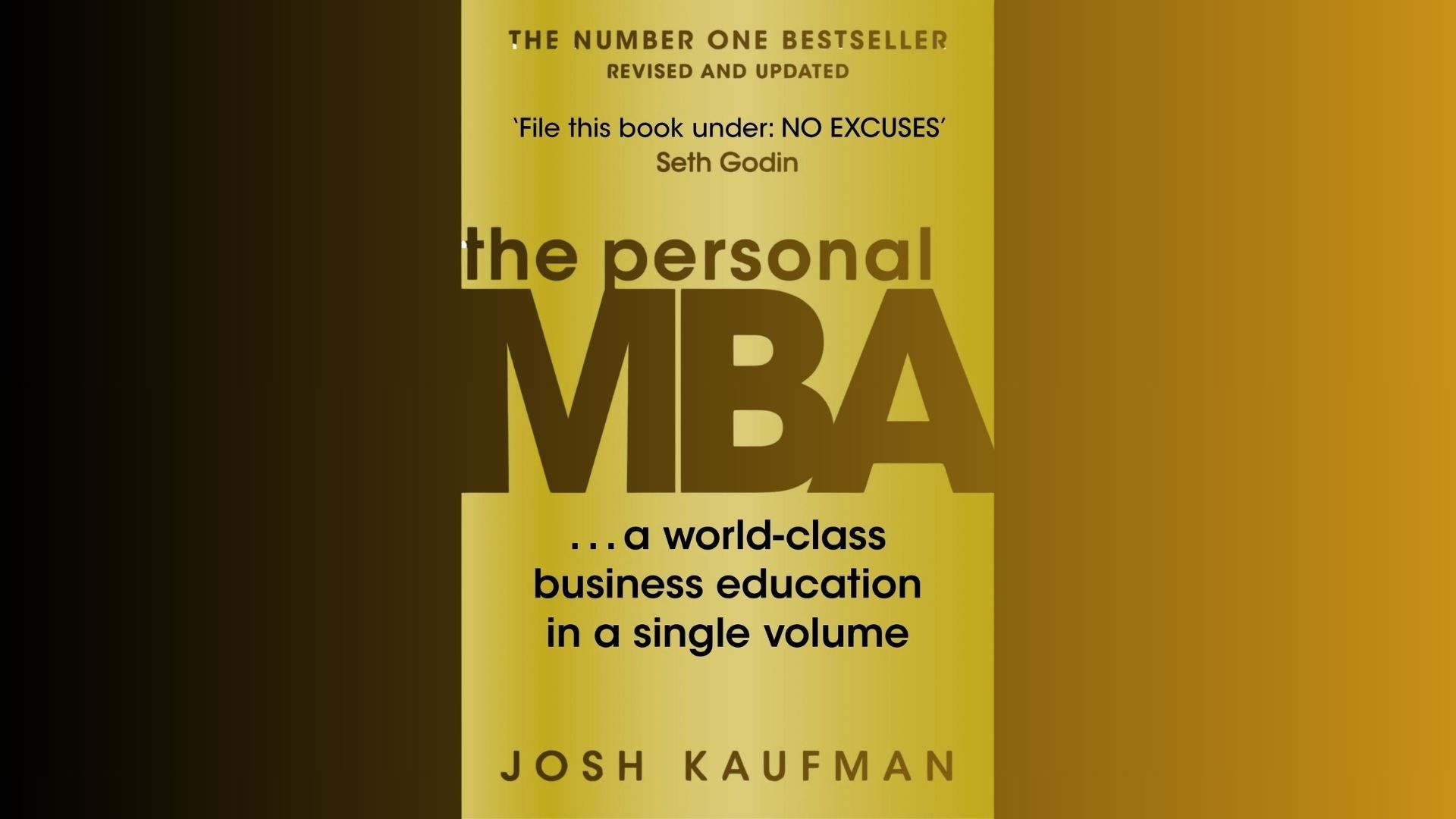
The closest thing to a complete MBA in a single book.
Kaufman spent years studying business without attending school. He mapped every core concept, from value creation to pricing to marketing, into one readable guide. Widely recommended by startup founders and business educators as the single best entry point into business education.
Best for: complete beginners who want a full-picture foundation before going deep on any one subject.
2. Good to Great by Jim Collins

Research-backed answers to what separates great companies from good ones.
Collins and his team, funded by a multi-year research project, studied 28 companies to find what made the top performers stand out. The findings are still used in MBA strategy courses at Stanford and Harvard today. The data holds up decades later.
Best for: managers and founders who want to understand long-term organizational performance.
3. Built to Last by Jim Collins

How some companies outlast everyone else by decades.
Collins studied 18 visionary companies, including Disney, Hewlett-Packard, and 3M, to find what made them last for generations. The research is as strong here as in Good to Great, and the insights are just as relevant for modern companies.
Best for: executives and founders thinking about building companies that survive past the first growth phase.
4. Competitive Strategy by Michael Porter
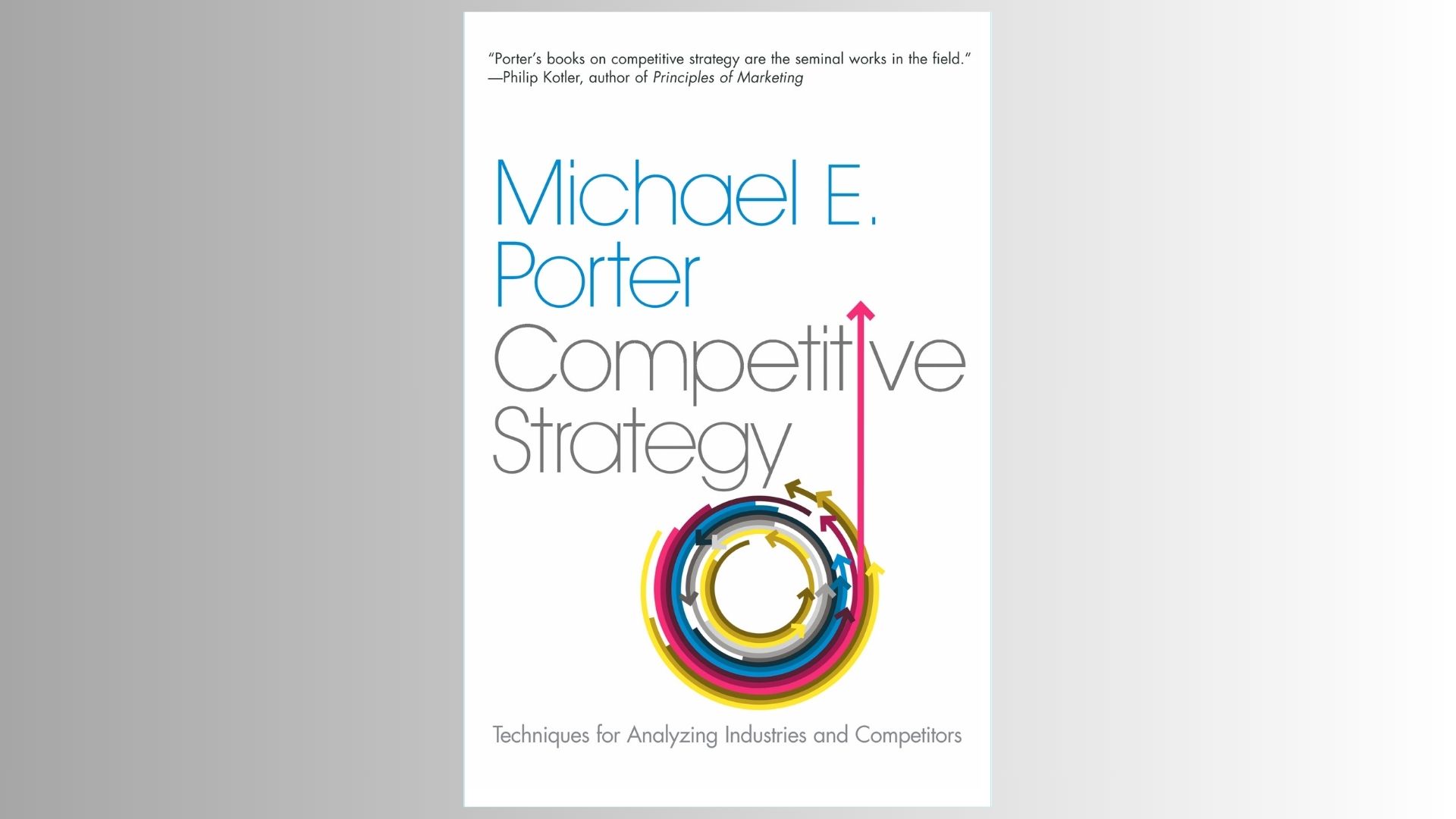
The book that built the foundation of modern business strategy.
Porter created the Five Forces framework while at Harvard Business School, and it is still taught in MBA programs at Harvard, INSEAD, and London Business School today. Fortune 500 companies use it to assess markets before making major moves. If you want to think seriously about strategy, this is where you start.
Best for: anyone responsible for business decisions, market entry, or competitive positioning.
5. Blue Ocean Strategy by W. Chan Kim & Renée Mauborgne
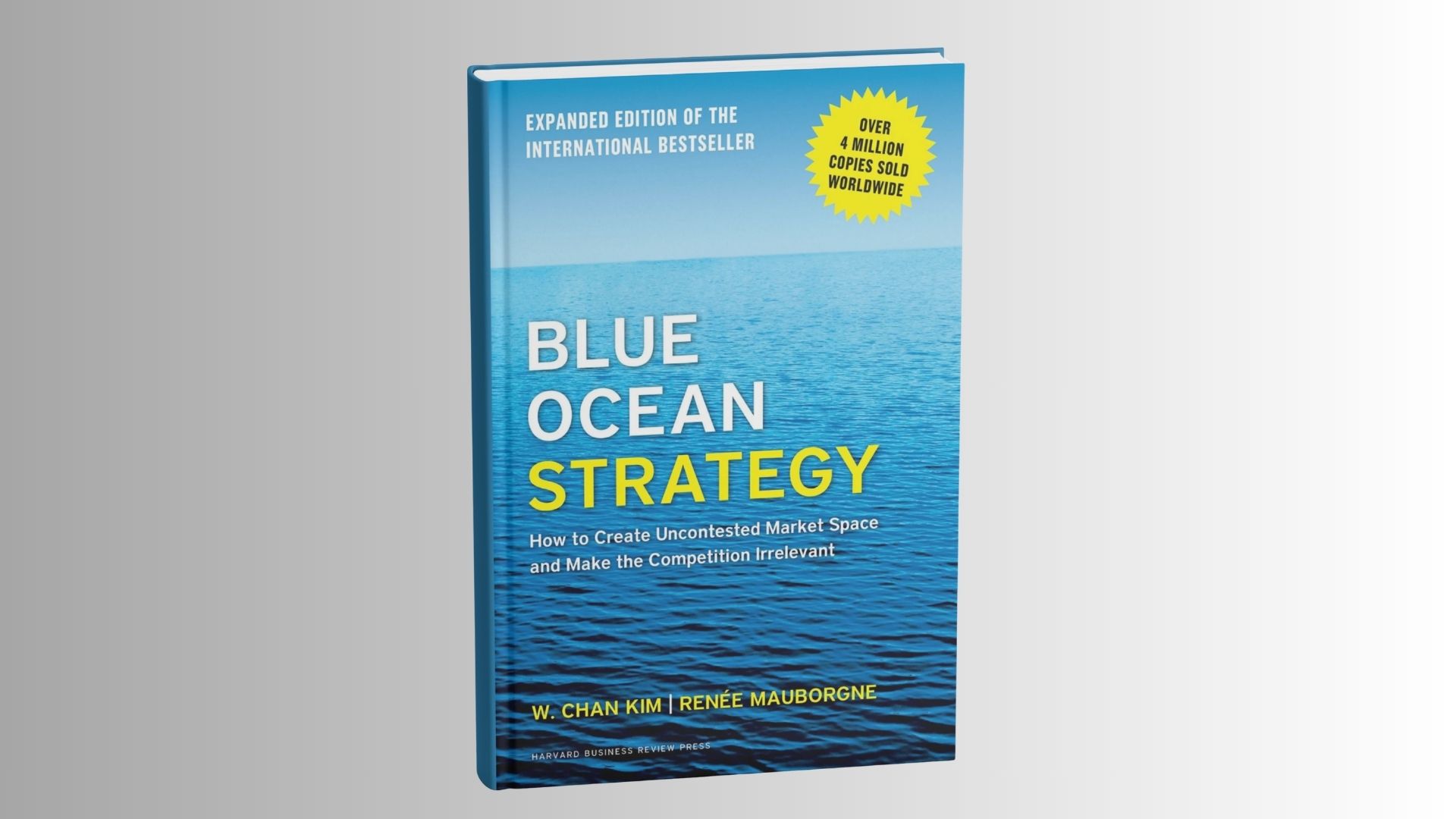
Stop fighting in crowded markets. Create your own instead.
Kim and Mauborgne, both professors at INSEAD, studied over 150 strategic moves across 30 industries. The book has been adopted by governments, startups, and global corporations in over 40 countries. The thinking shifts how you look at your entire market.
Best for: founders, product leaders, and strategists who feel stuck competing in saturated spaces.
6. Playing to Win by A.G. Lafley
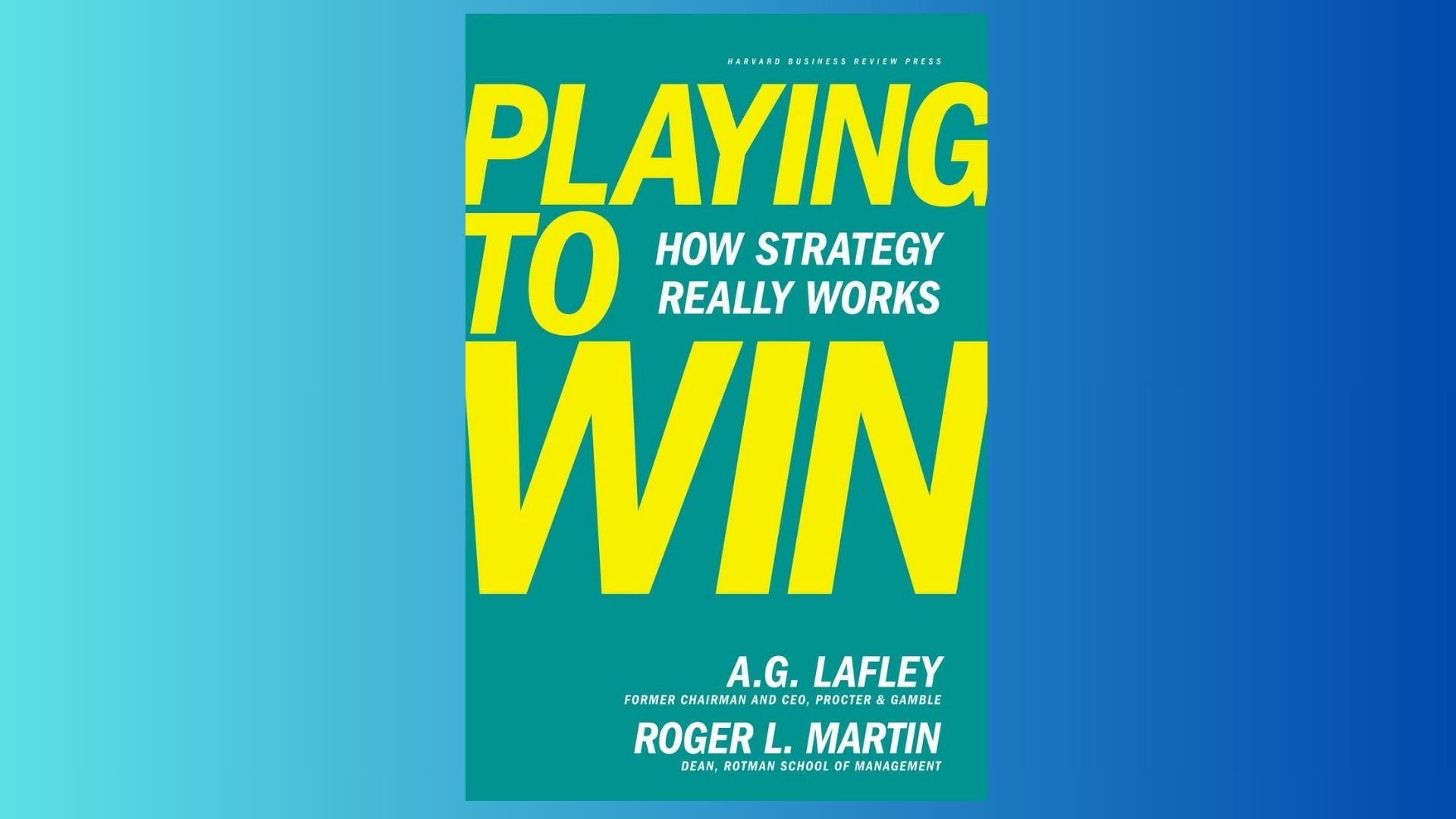
Real strategy from the CEO who doubled Procter & Gamble’s revenue.
Lafley led P&G through two separate stints as CEO and grew annual revenue past $80 billion. He co-wrote this with strategy expert Roger Martin, who teaches at Rotman School of Management. The framework here is grounded, actionable, and built on real decisions at scale.
Best for: senior leaders and MBAs who want strategy thinking that works in large organizations.
7. The Intelligent Investor by Benjamin Graham

The book Warren Buffett has publicly called the best investing book ever written.
Graham developed value investing as a discipline at Columbia Business School, where Buffett was his student. Buffett used these principles to build Berkshire Hathaway into a $700 billion company. This book is required reading in finance courses at top business schools worldwide.
Best for: anyone managing money, building a business, or making capital allocation decisions.
8. Principles by Ray Dalio

The decision-making system behind a $150 billion hedge fund.
Dalio built Bridgewater Associates into the world’s largest hedge fund using a system of written principles for every major decision. The book is used as a leadership and management reference by executives at major institutions. Dense in places, worth every page.
Best for: leaders and investors who want a repeatable system for making high-stakes decisions under uncertainty.
9. Financial Intelligence by Karen Berman
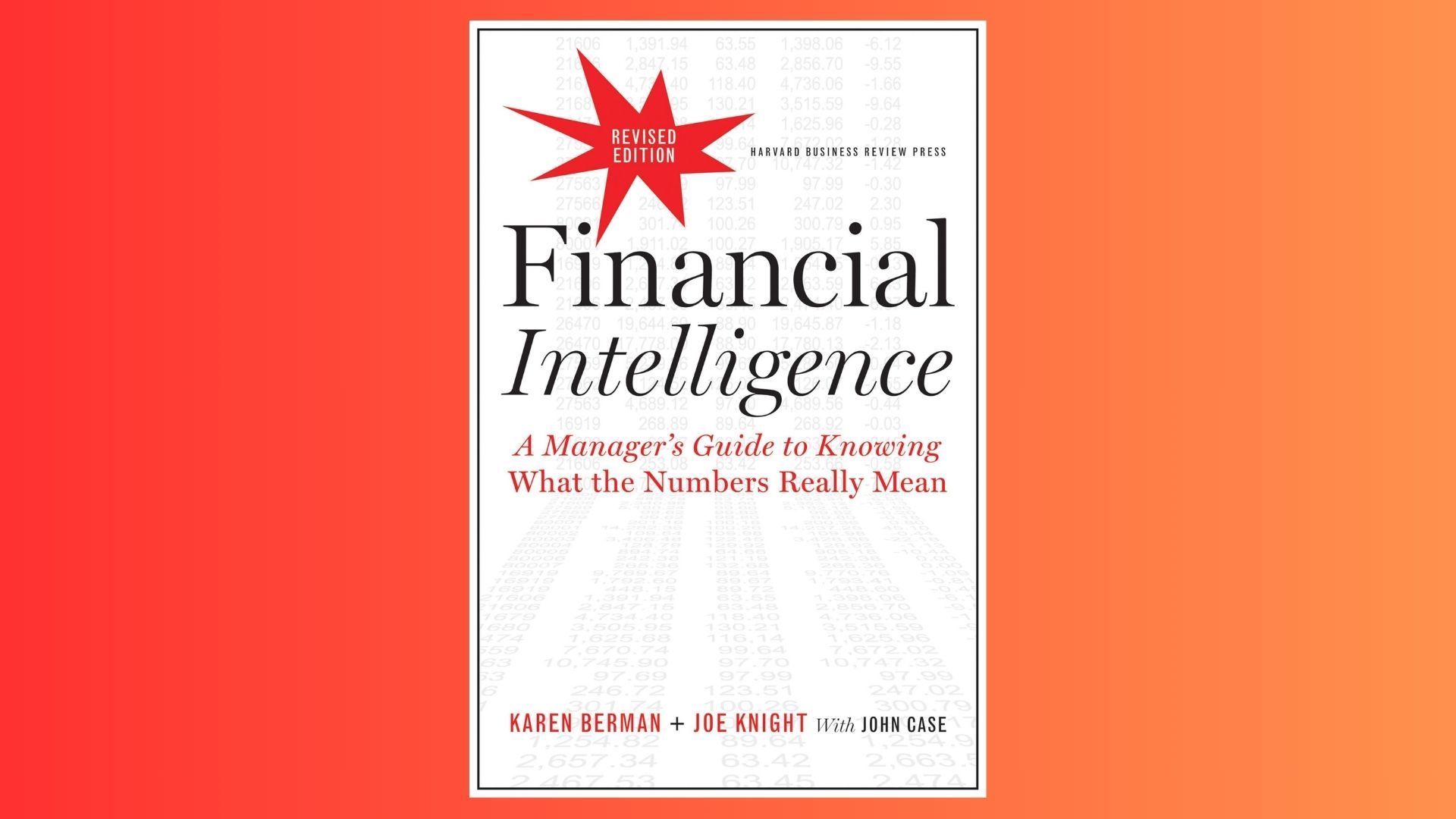
Finance made clear for people who run businesses but hate numbers.
Berman and co-author Joe Knight built a consulting practice around teaching finance to non-finance executives at companies like Google and Boeing. MBA programs use this as a core text for students without finance backgrounds. If numbers feel intimidating, this is your starting point.
Best for: founders, marketers, and operators who need to read financial statements but never studied accounting.
10. This Is Marketing by Seth Godin
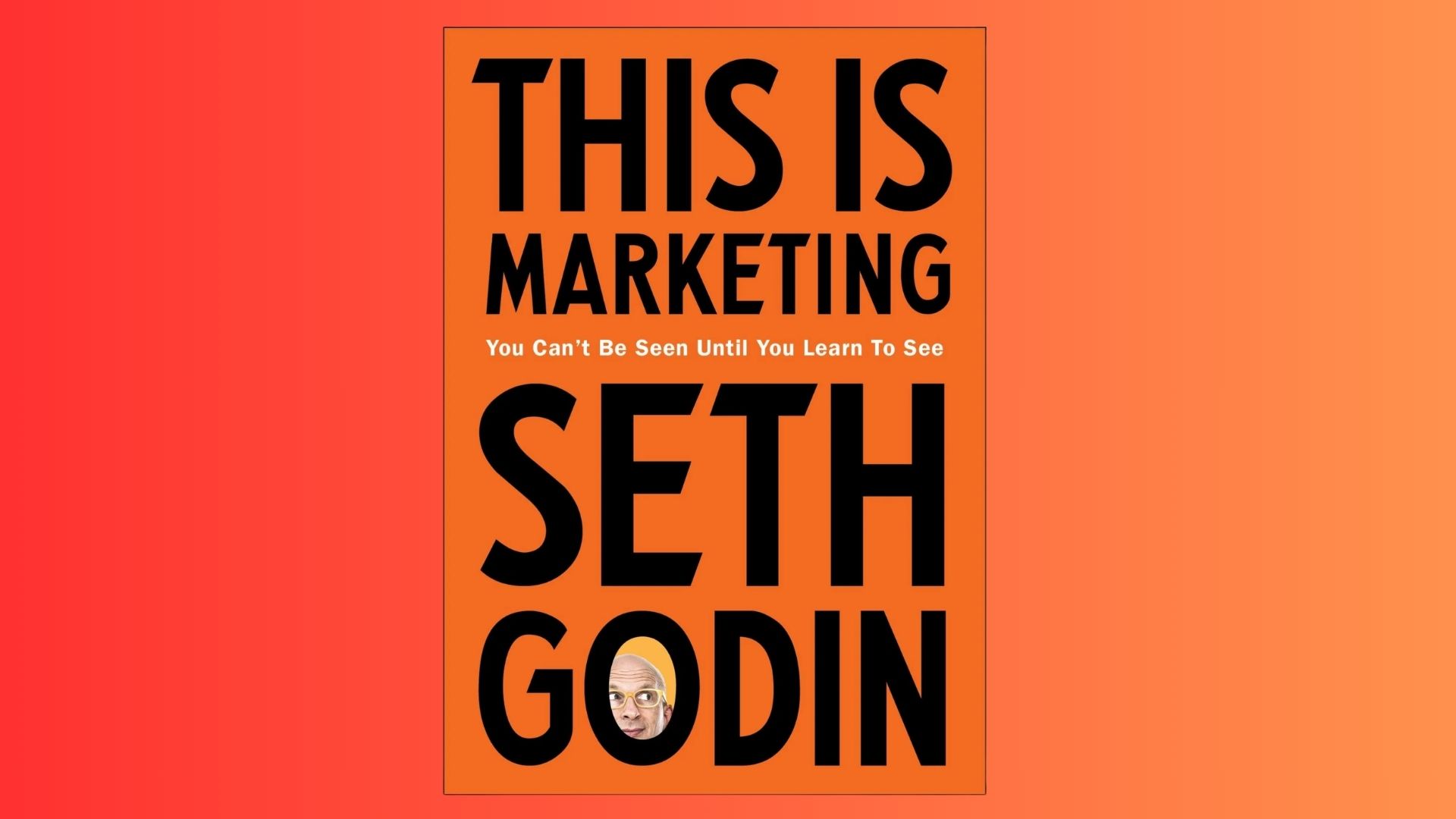
The best marketers don’t reach everyone. They serve a specific group really well.
Godin spent decades as one of the most widely read marketing voices in the world, and this book distills his core argument into a clear framework. He teaches that marketing is not about reach or spend. It’s about earning trust from a specific group of people.
Best for: marketers, founders, and creators who want to build a brand people actually choose.
11. Positioning by Al Ries & Jack Trout

The book that invented brand positioning as a business concept.
Ries and Trout first published this in 1981, and it is still assigned in marketing courses at Wharton, Kellogg, and other top business schools. The core idea is that your brand lives in the customer’s mind, and your job is to own one clear spot there.
Best for: brand strategists, marketers, and founders trying to stand out in a crowded market.
12. Contagious by Jonah Berger

A Wharton professor explains exactly why some ideas spread and others disappear.
Berger is a marketing professor at Wharton and spent years studying what drives word of mouth. His STEPPS framework is used by major consumer brands and is taught in business schools globally. Everything in this book is backed by research, not intuition.
Best for: marketers, product builders, and founders who want their work to spread without a massive ad budget.
13. Leaders Eat Last by Simon Sinek
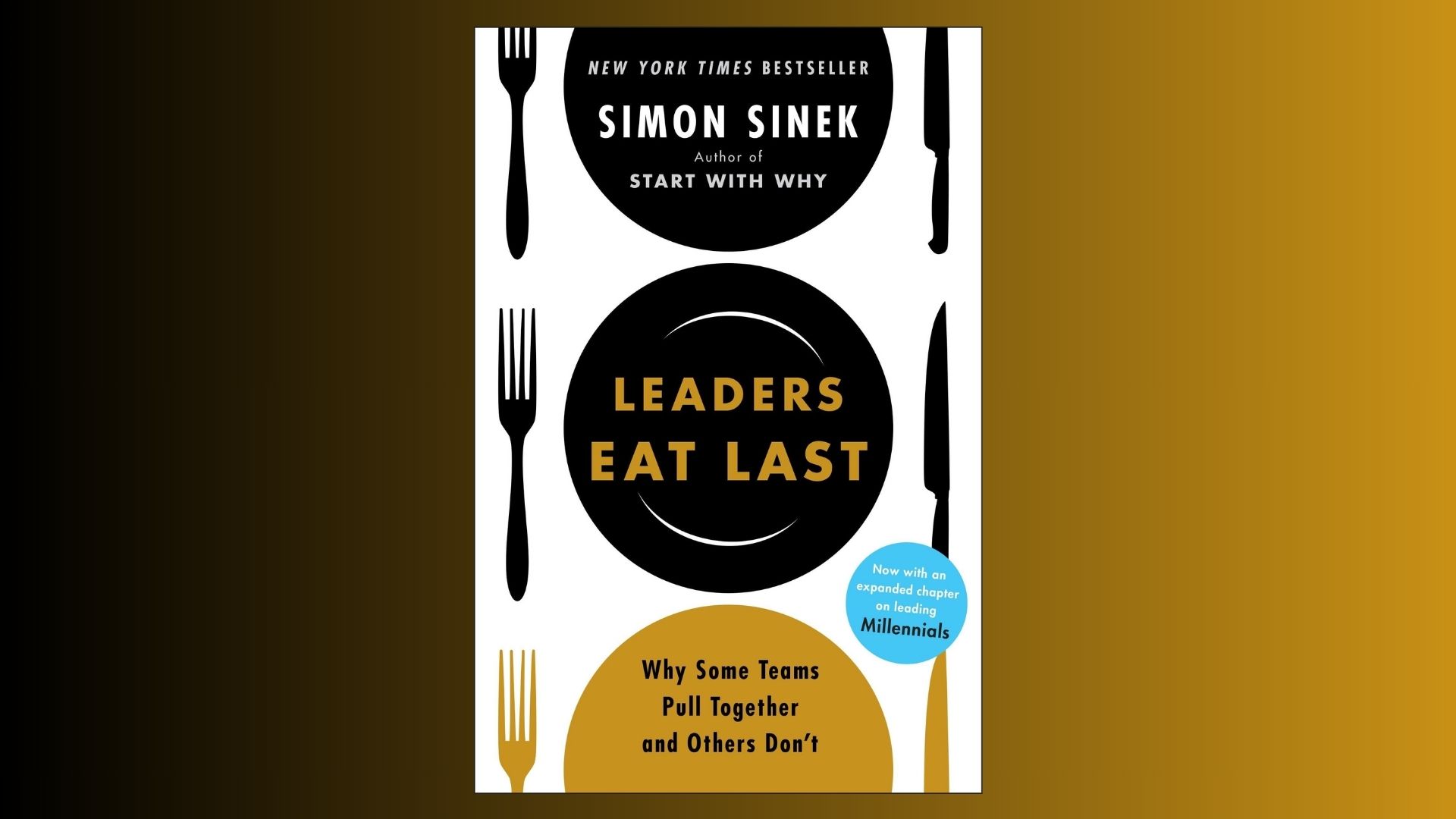
Great leaders protect their people first, and results follow from there.
Sinek draws from US Marine Corps research and corporate case studies at companies like Costco and Intuit to show what real leadership looks like. The book is used in leadership development programs at large organizations including the US military. A clear, compelling argument for people-first management.
Best for: managers, team leads, and executives who want to build cultures where people do their best work.
14. The Hard Thing About Hard Things by Ben Horowitz
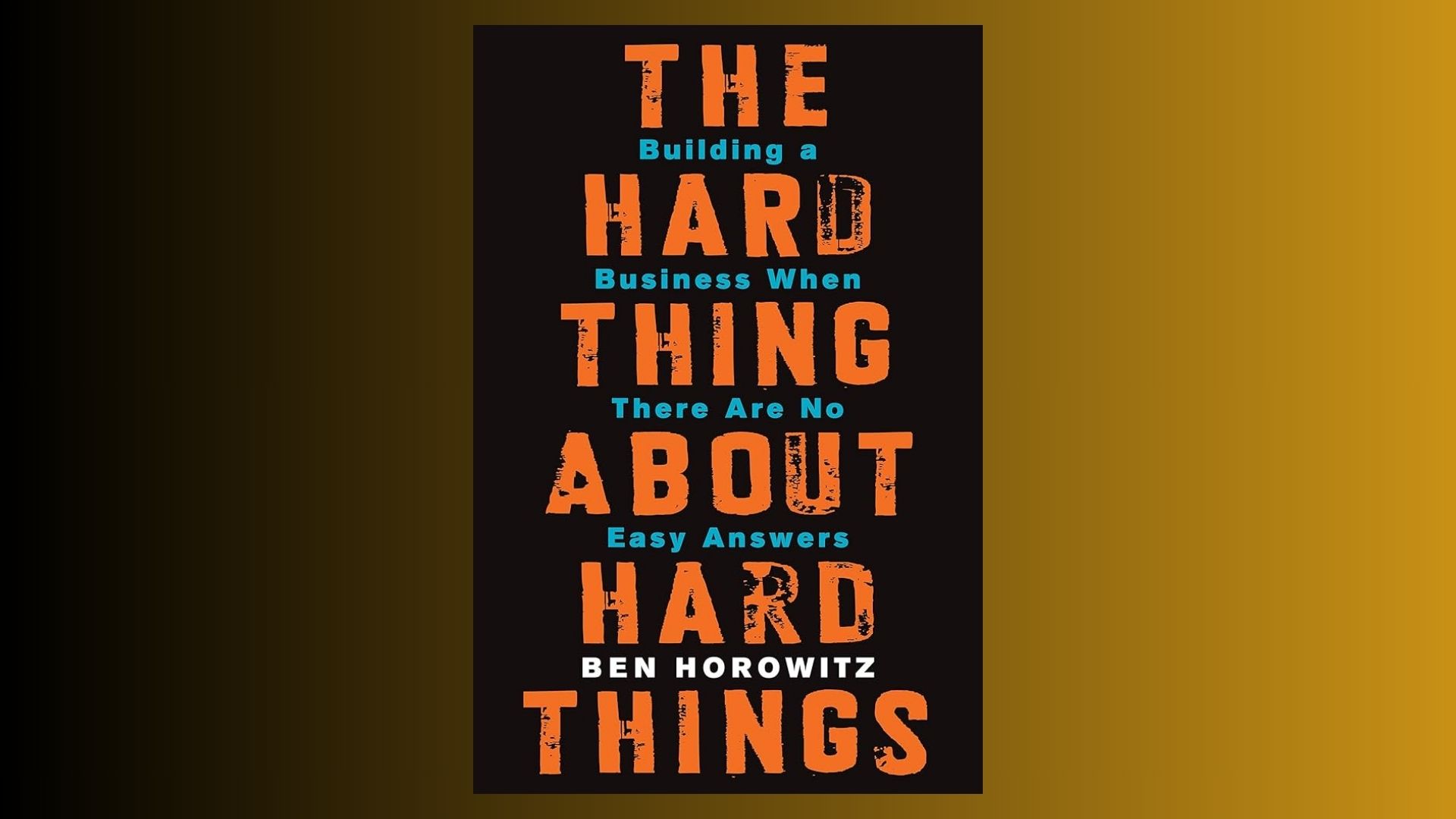
The brutally honest side of running a company that most books skip.
Horowitz co-founded Andreessen Horowitz, one of Silicon Valley’s most respected venture firms, after running Opsware through near-collapse and eventual sale to HP for $1.6 billion. This book covers layoffs, failed products, and impossible decisions without sugarcoating any of it.
Best for: founders and executives dealing with the messy, high-stakes situations that leadership books usually avoid.
15. High Output Management by Andrew Grove

A no-nonsense system for managing teams and getting real results.
Grove led Intel through its most important growth years, scaling the company from a small chip maker into a global technology giant. This book is still recommended in top MBA programs and widely cited by executives at major tech companies as the management guide they return to most.
Best for: managers at any level who want a clear, practical system for improving team output and decision quality.
16. The Lean Startup by Eric Ries
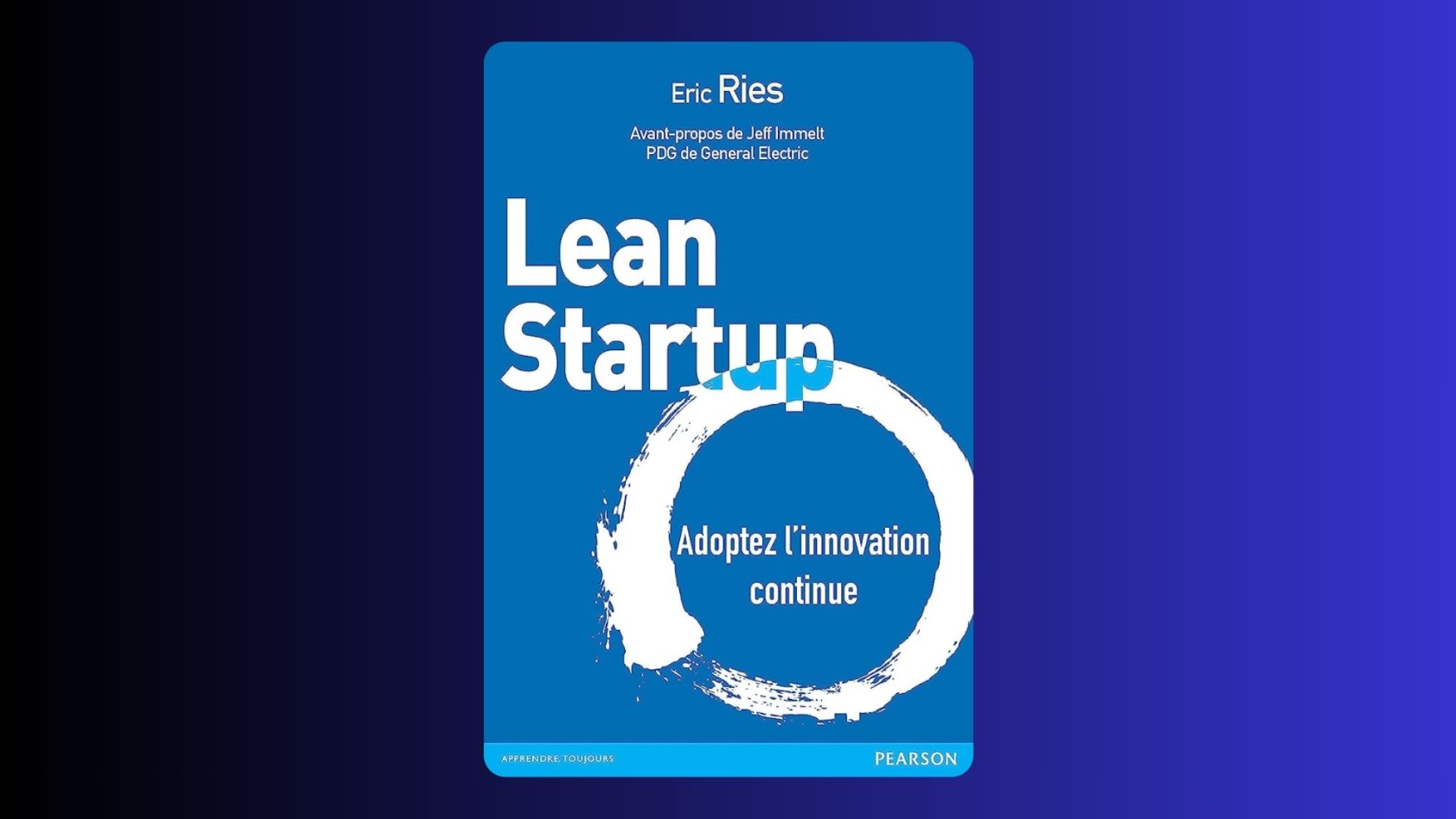
Test fast, learn fast, and stop building things nobody wants.
Ries developed the build-measure-learn framework after working with startups at IMVU, and the approach is now standard practice at accelerators like Y Combinator and 500 Startups worldwide. It fundamentally changed how the startup world approaches product development.
Best for: early-stage founders and product builders who want to validate ideas before investing heavily in them.
17. Zero to One by Peter Thiel
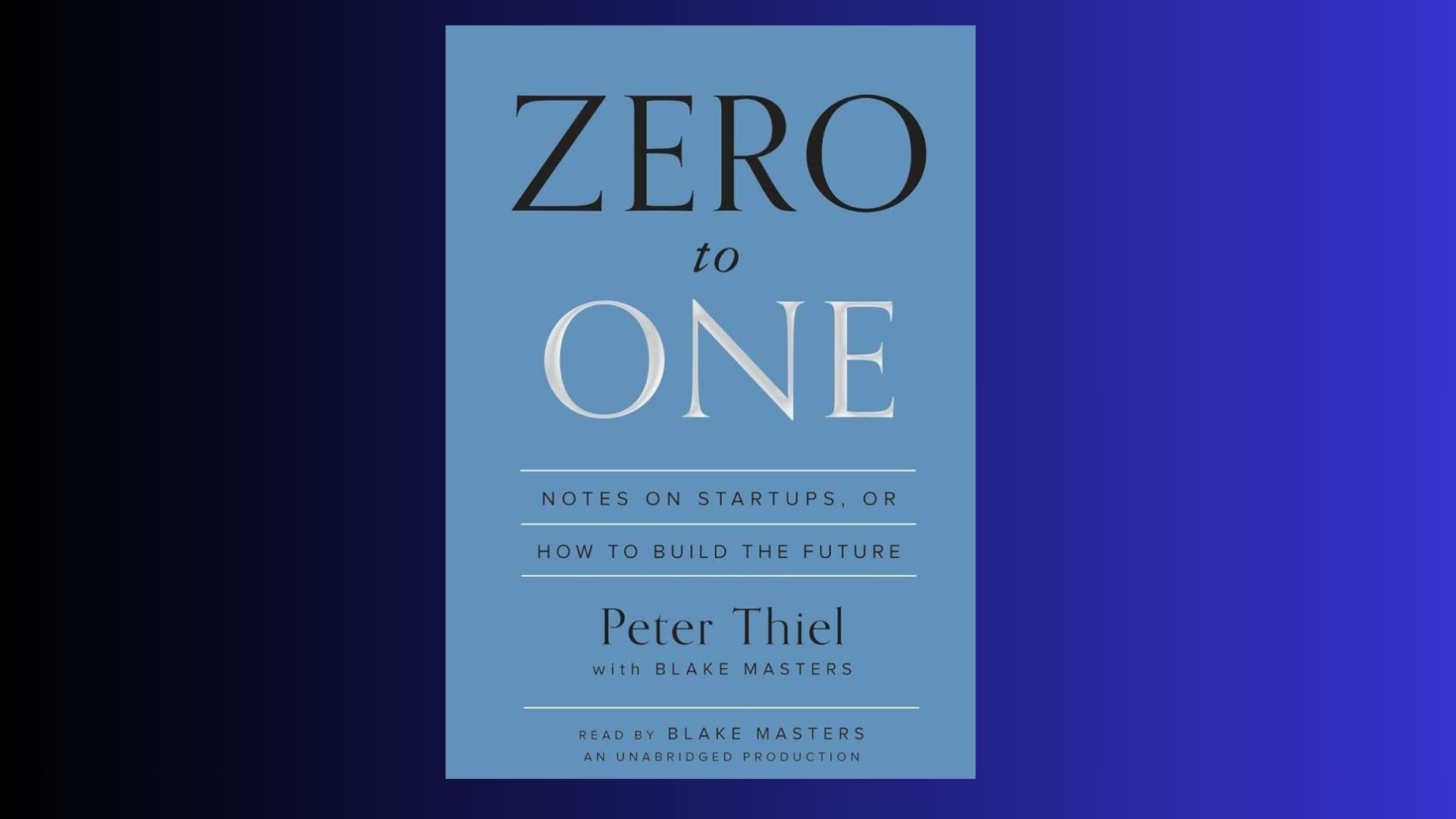
Build something genuinely new instead of copying what already exists.
Thiel co-founded PayPal alongside Elon Musk and was the first outside investor in Facebook, making him one of the most successful technology investors in history. This short book pushes you to think about creating real value rather than competing in existing markets.
Best for: ambitious founders who want a framework for building companies that actually change something.
18. Shoe Dog by Phil Knight

The raw, honest story of how Nike was built from nearly nothing.
Knight’s memoir covers the near-death experiences, bad bets, and unlikely breaks behind one of the biggest brands in history. You learn more from his mistakes and narrow escapes than from most business school case studies.
Best for: founders who want an honest look at what building a company from zero actually feels like.
19. Thinking, Fast and Slow by Daniel Kahneman

A Nobel Prize winner explains how we make decisions and where we consistently go wrong.
Kahneman, a psychologist at Princeton who won the Nobel Prize in Economics, spent decades studying cognitive bias and human judgment. This book is taught in behavioral economics courses at schools like Chicago Booth and Yale School of Management. It changes how you catch your own bad thinking.
Best for: leaders, investors, and anyone who makes decisions under pressure or uncertainty.
20. Atomic Habits by James Clear
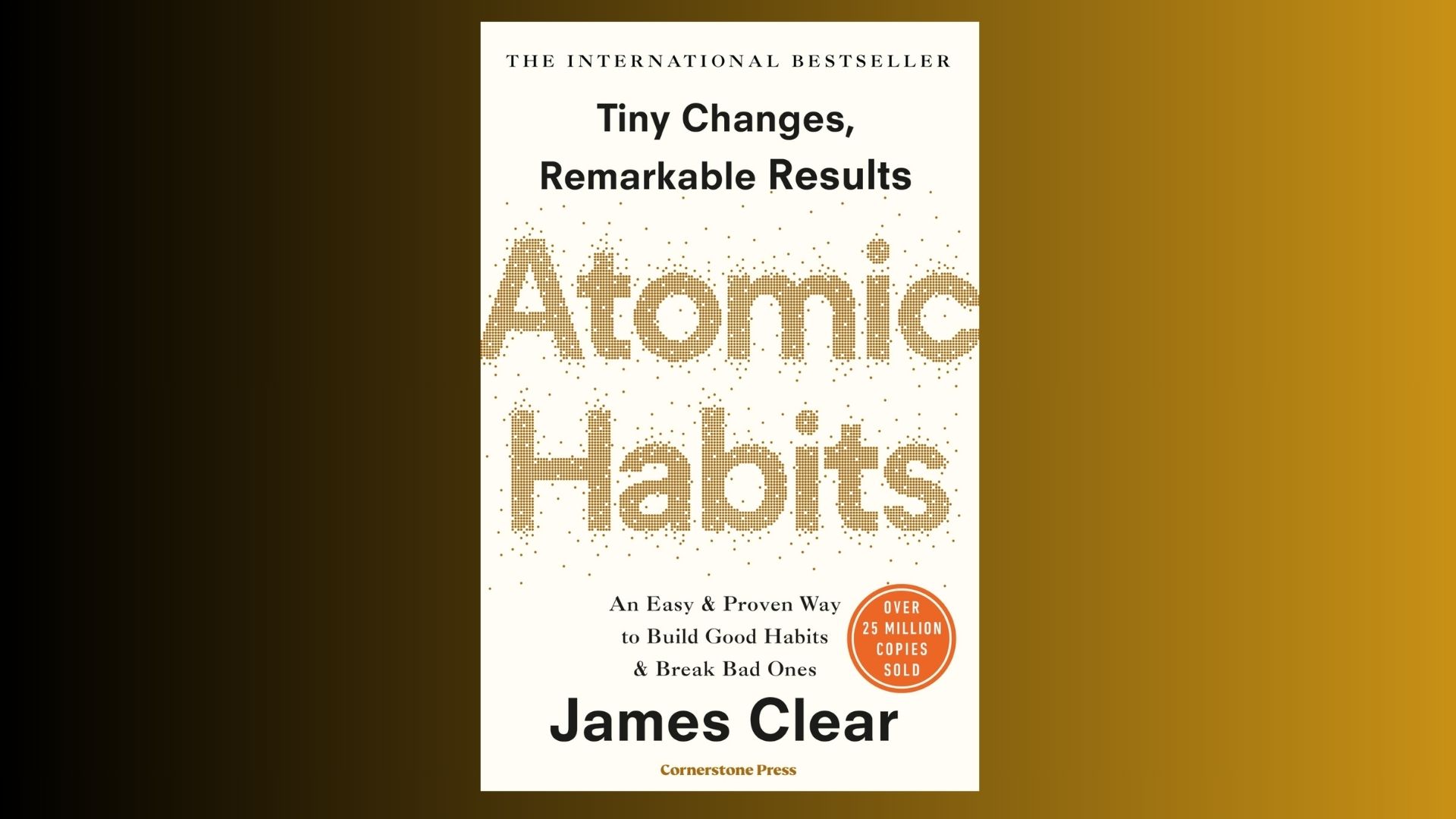
Small, consistent habits beat big, scattered efforts every single time.
Clear’s research-backed framework has made this one of the best-selling business books of the past decade, with over 15 million copies sold globally. The four-step habit loop applies directly to business discipline, daily output, and any long-term growth goal.
Best for: anyone who struggles to stay consistent or wants to build a personal productivity system that actually sticks.
21. Deep Work by Cal Newport
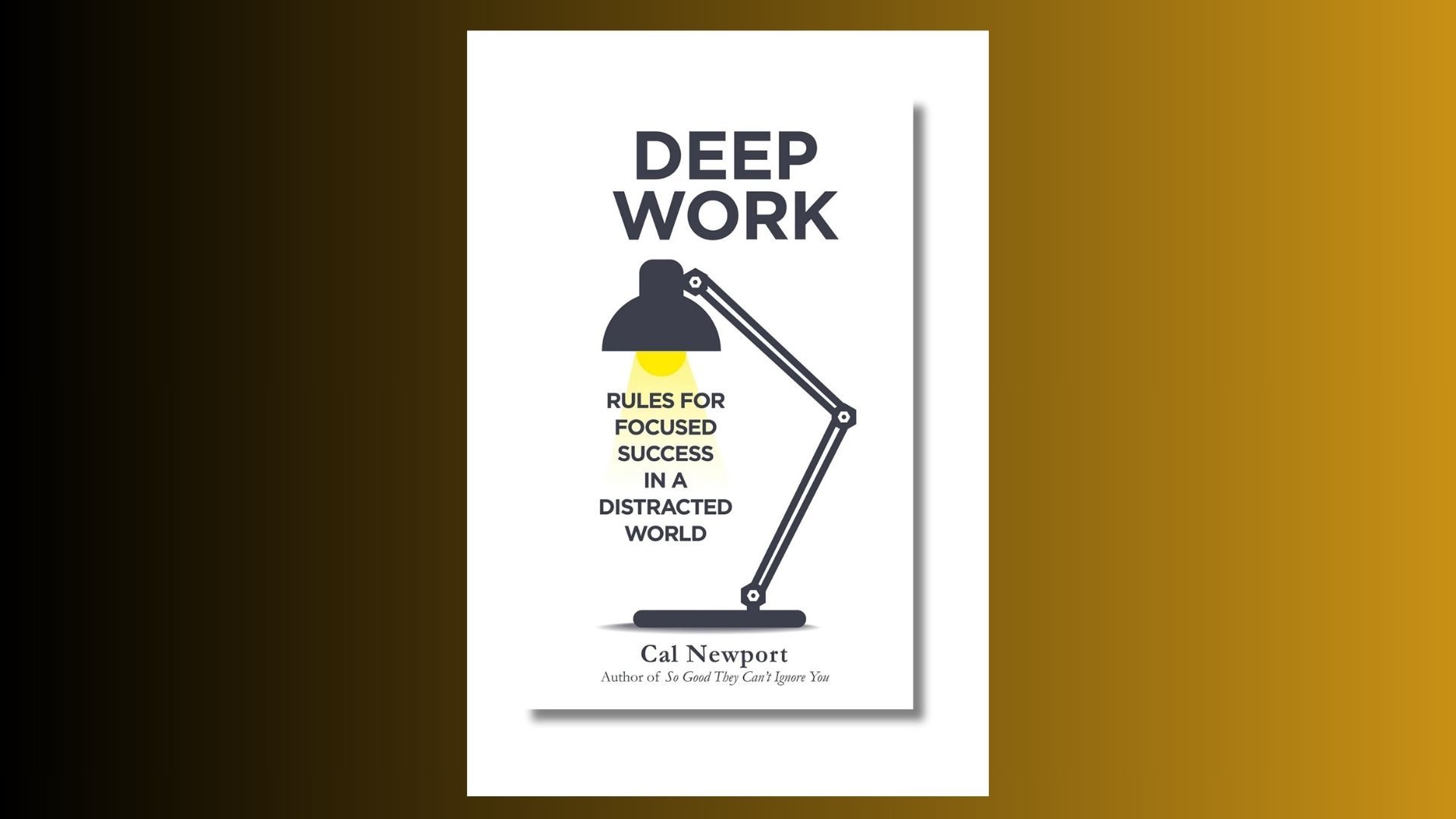
Focused, distraction-free work is becoming rare and incredibly valuable.
Newport, a computer science professor at Georgetown, argues that the ability to focus deeply is the most valuable professional skill of our time, and also the most neglected. The book gives you a practical system for protecting and using focused work time more effectively.
Best for: knowledge workers, writers, and professionals in digital-heavy environments who feel distracted and scattered.
MBA Subjects Covered by These Top Business Books
Here is how the 21 books map to core MBA subject areas:
- Strategy: Competitive Strategy, Blue Ocean Strategy, Playing to Win
- Finance: The Intelligent Investor, Principles, Financial Intelligence
- Marketing: This Is Marketing, Positioning, Contagious
- Leadership: Leaders Eat Last, Hard Thing About Hard Things, High Output Management
- Entrepreneurship: The Lean Startup, Zero to One, Shoe Dog
- Decision-Making: Thinking Fast and Slow, Atomic Habits, Deep Work
- Foundations: The Personal MBA, Good to Great, Built to Last
That covers the core of what a standard two-year MBA program teaches. All in 21 books.
MBA Books vs MBA Degree: Which One Is Better for You?
This comes down to one question. Do you need the knowledge, or do you need the credential? Here is a side-by-side breakdown to help you decide.
|
Factor |
MBA Books |
MBA Degree |
|
Cost |
Under $500 |
$80,000 to $150,000 |
|
Time |
Self-paced |
2 years full-time |
|
Structure |
You build it |
Pre-built curriculum |
|
Networking |
Limited |
Strong alumni network |
|
Credential |
None |
Recognized degree |
|
ROI Speed |
Fast |
4 to 6 years |
|
Practical Application |
Immediate |
Mostly delayed |
|
Best For |
Builders, entrepreneurs |
Corporate career climbers |
Books win on cost, speed, and immediate application. Degrees win on credentials and networking.
If you are building a business or growing through skills rather than titles, this reading list is the smarter path.
If you need a credential to move into finance, consulting, or a competitive hiring process, the MBA is still worth the investment.
How to Create Your Own MBA Curriculum Using Books to Learn Business Without a Degree
Start with The Personal MBA. It gives you a working map of how business functions before you go deep on any one subject.
Then move category by category. Pick one area, read two or three books from it, and apply what you learn before moving to the next one.
A solid pace is one book per month. In two years, you finish the full list. That is the same timeline as a traditional MBA, at about 0.3% of the cost.
Keep a running notes document. Write down the three biggest ideas from each book. Review it monthly. Reading without retention is just a hobby.
Common Mistakes When Learning Business Through Books
Skipping the finance books is the most common one. They look dry, but financial literacy is non-negotiable if you are running or growing anything.
Reading without applying is just as bad. Every book you finish should change at least one thing you do.
Trying to read all 21 at once leads to burnout and shallow learning. Go deep in one area before moving to the next.
And don’t overlook the older titles. Porter, Graham, and Ries and Trout wrote decades ago. Their thinking hasn’t aged.
Conclusion
These 21 mba books cover the same ground that business school does, at about 0.3% of the cost.
I’ve read most of them, applied the frameworks in real work, and seen what sticks when the theory meets practice.
You don’t need to read all 21 right now. Pick one this week. Finish it. Apply something from it before you open the next one.
The best time to start was a year ago. The next best time is today.
Tell me your goal in the comments: job growth, startup, promotion, or something else. I’ll map out a custom 6 or 12 month reading plan built around exactly what you’re trying to do.
Frequently Asked Questions
What are the best MBA books for beginners trying to learn business from scratch?
The Personal MBA by Josh Kaufman is the single best starting point. It covers all core business concepts in plain, simple language without overwhelming you from day one.
Can mba books really teach you the same things as a business degree?
Yes, when it comes to knowledge and frameworks. Books by Porter, Dalio, and Kahneman are used in top business schools. What books can’t give you is a credential or an alumni network.
How long does it take to go through all 21 books on this list?
At one book per month, you finish in under two years. That matches the traditional MBA timeline, and according to GMAC data, costs over 99% less.
Which of these best MBA books is most useful for someone running a small business?
The Personal MBA, Financial Intelligence, and The Lean Startup are the three most immediately practical. They cover operations, numbers, and how to test ideas without wasting resources.
What is the best MBA book for understanding finance without a finance background?
Financial Intelligence by Karen Berman is the clearest option on this list. It breaks down balance sheets, income statements, and cash flow in language that any non-finance person can actually use.


