
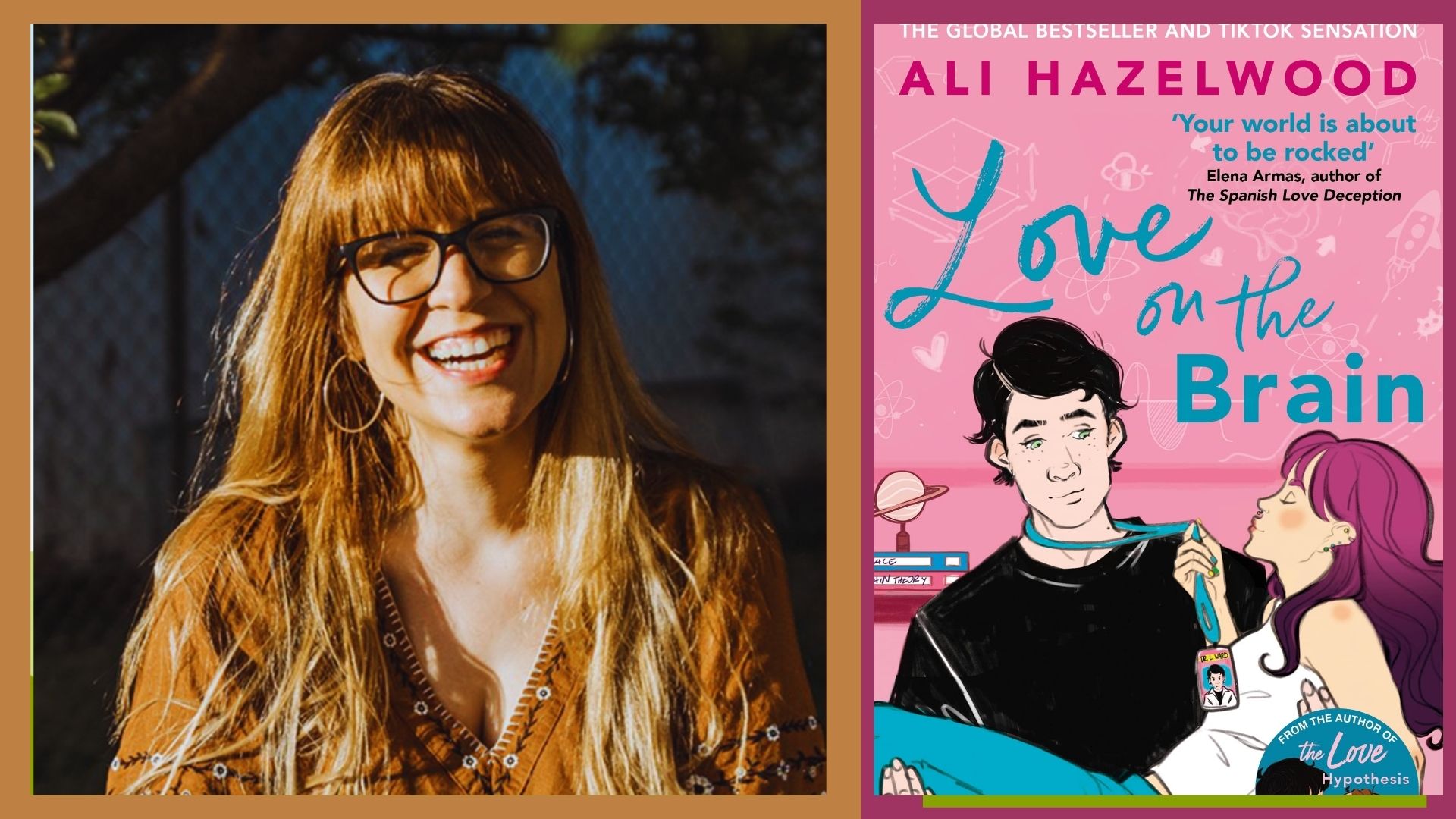
I read Love on the Brain on a quiet Sunday, and I couldn’t put it down.
This blog covers everything you need to know, the plot, the characters, the themes, and yes, the spice level. No fluff. Just a clear, honest breakdown.
If you’re deciding to read it, already finished it, or just want the full story, you’re in the right place. I’ve read enough romance novels to know what makes one stand out. This one does.
Here’s what we’ll cover: the story, the main characters, key themes, writing style, tropes, ratings, and who this book is for.
Let’s get started.
Quick Book Overview
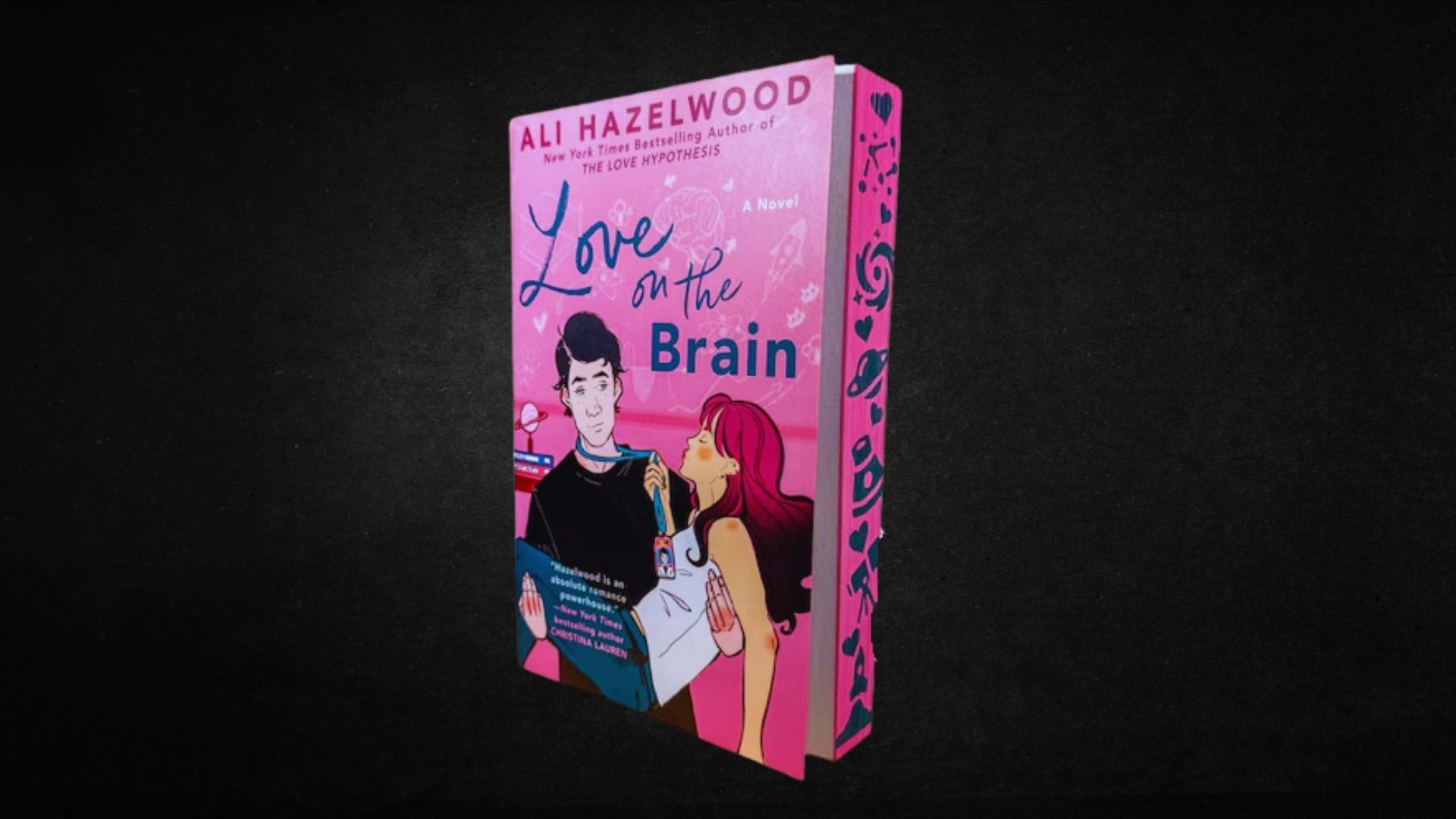
Love on the Brain by Ali Hazelwood was published in 2022. It’s a standalone contemporary romance set in a NASA research environment.
The story follows a neuroscientist and her professional rival as tension slowly turns into something more.
It focuses heavily on women in STEM, workplace dynamics, and the messy space between ambition and emotion. It’s smart, funny, and surprisingly heartfelt.
Story Overview (Spoiler-Free Summary)
Bee Königswasser is a neuroscientist who gets a big career opportunity, one that comes with a catch. Levi Ward, someone from her past, is now part of her work environment.
The two are forced to collaborate, and things are awkward from the start. Misunderstandings stack up.
The tension builds slowly. But underneath all the friction, something real starts to grow. It’s a slow, satisfying build that pays off well by the end.
Main Characters
A quick look at who drives the story.
Bee Königswasser
Bee is sharp, funny, and deeply passionate about her work. She’s the kind of person who overthinks everything but still shows up.
She carries some emotional baggage, which makes her feel real. You root for her from page one.
Levi Ward
Levi is quiet, steady, and often misread. He’s the classic “brooding” type, but there’s warmth underneath.
His feelings for Bee show up long before she notices. He’s easy to like once you see past the surface.
Supporting Characters
The side characters add color without stealing the spotlight. Bee’s best friend brings humor and grounding.
The team around them at NASA feels lived-in and believable. No one feels like a cardboard cutout.
Key Themes
This book is about more than romance.
Women in STEM
Bee’s experience as a woman in a male-dominated field is a big part of the story. It’s handled with honesty, not drama.
The challenges feel real because they are real for many people.
Miscommunication & Assumptions
A lot of the conflict comes from what’s left unsaid. Bee assumes the worst about Levi based on old information.
Watching those assumptions slowly fall apart is one of the best parts of the book.
Workplace Romance
The office setting adds natural tension. There are rules, stakes, and an audience.
That makes every small moment between Bee and Levi feel like it means something.
Growth & Emotional Vulnerability
Both characters have walls up. The story is really about what happens when those walls start to crack.
It’s honest and, at times, quietly moving.
Writing Style & Narrative Voice
Ali Hazelwood writes in first-person, and Bee’s voice is one of the book’s strongest assets. The internal monologue is witty and fast-moving, full of science references that somehow make the romance funnier.
The writing balances humor with genuine emotional depth. It never feels heavy, but it doesn’t stay shallow either.
You’ll laugh out loud in one paragraph and feel something real in the next.
Romance Tropes in the Book
Classic tropes, done with care.
Enemies to lovers: Bee and Levi start with tension rooted in a past misunderstanding. The shift from rivalry to connection is gradual and earned.
Workplace romance: They’re colleagues on the same project. Every interaction has extra weight because of that.
Forced proximity: They have to work together daily. There’s no escape from each other, which speeds things up.
Slow burn: This is not a fast romance. The buildup is long, deliberate, and very satisfying.
He falls first energy: Levi is clearly all in long before Bee figures out her own feelings. It adds a lot of sweetness to the story.
Is Love on the Brain Spicy?
Spice rating: 2.5 out of 5
There are open-door romantic scenes, but they’re not the main focus. The book puts emotional connection first.
The physical intimacy, when it happens, feels earned rather than rushed. If you’re looking for a slow-burn with some heat and a lot of heart, this fits the bill.
Goodreads & Amazon Ratings
Readers generally love it, with a few fair critiques.
Goodreads rating: around 3.9/5. A strong score for a debut novel in this space. Most readers love the chemistry and Bee’s voice. Some felt the romance structure was predictable.
Amazon rating: around 4.3/5. Higher scores here, with readers praising the character development and pacing. The STEM backdrop got a lot of positive mentions.
Both platforms show a consistent theme: people connect with Bee, love Levi, and enjoy the slow build.
The most common critique is that the plot follows a familiar pattern, but for fans of the genre, that’s often part of the appeal.
Who Should Read This Book?
This book is for you if you love enemies-to-lovers stories with real emotional depth. If you liked The Love Hypothesis by the same author, you’ll feel right at home here.
It’s also a great pick if you enjoy smart heroines who work in science and quiet heroes who show love through actions.
Romance readers who want substance alongside the feels will find a lot to like. It’s a solid, satisfying read from start to finish.
About the Author

Ali Hazelwood is a neuroscientist and author known for blending STEM settings with contemporary romance.
She worked in academia for years before publishing her debut novel, The Love Hypothesis, in 2021.
Love on the Brain followed in 2022 and became another reader favorite. Her books often feature women in science navigating both career pressures and unexpected romance.
Hazelwood has spoken openly about wanting to show women in STEM in a positive, empowering light.
Her writing voice is witty, warm, and deeply personal. She has a growing fanbase across BookTok and Bookstagram, and more novels are in the works.
Conclusion
If you’ve made it this far, you clearly care about this book, and honestly, it deserves that attention.
Love on the Brain isn’t just a romance. It’s about showing up, being misread, and still finding your way to something real.
I loved how Bee never stopped being herself, even when things got complicated. That stuck with me.
Have you read it? Drop your thoughts in the comments, I’d love to know what you think. And if you haven’t read it yet, maybe this is your sign.
Frequently Asked Questions
Is Love on the Brain a standalone book?
Yes, it is. You don’t need to read any other book first. It works completely on its own, though fans of The Love Hypothesis will notice a familiar tone and setting.
Does Love on the Brain have a happy ending?
Yes. Without giving too much away, the ending is warm and satisfying. It wraps up both the romance and Bee’s professional storyline in a way that feels earned.
How long does it take to read Love on the Brain?
Most readers finish it in two to four sittings. It’s around 370 pages and reads quickly thanks to the first-person voice and fast pacing.
Is Love on the Brain suitable for younger readers?
It’s written for adult audiences. There are open-door romantic scenes and some mature themes. It’s best suited for readers 18 and older.
How does Love on the Brain compare to The Love Hypothesis?
Both books share a STEM setting and enemies-to-lovers structure. The Love Hypothesis tends to get slightly higher ratings, but many readers say Love on the Brain has a more developed heroine and a warmer emotional core.