

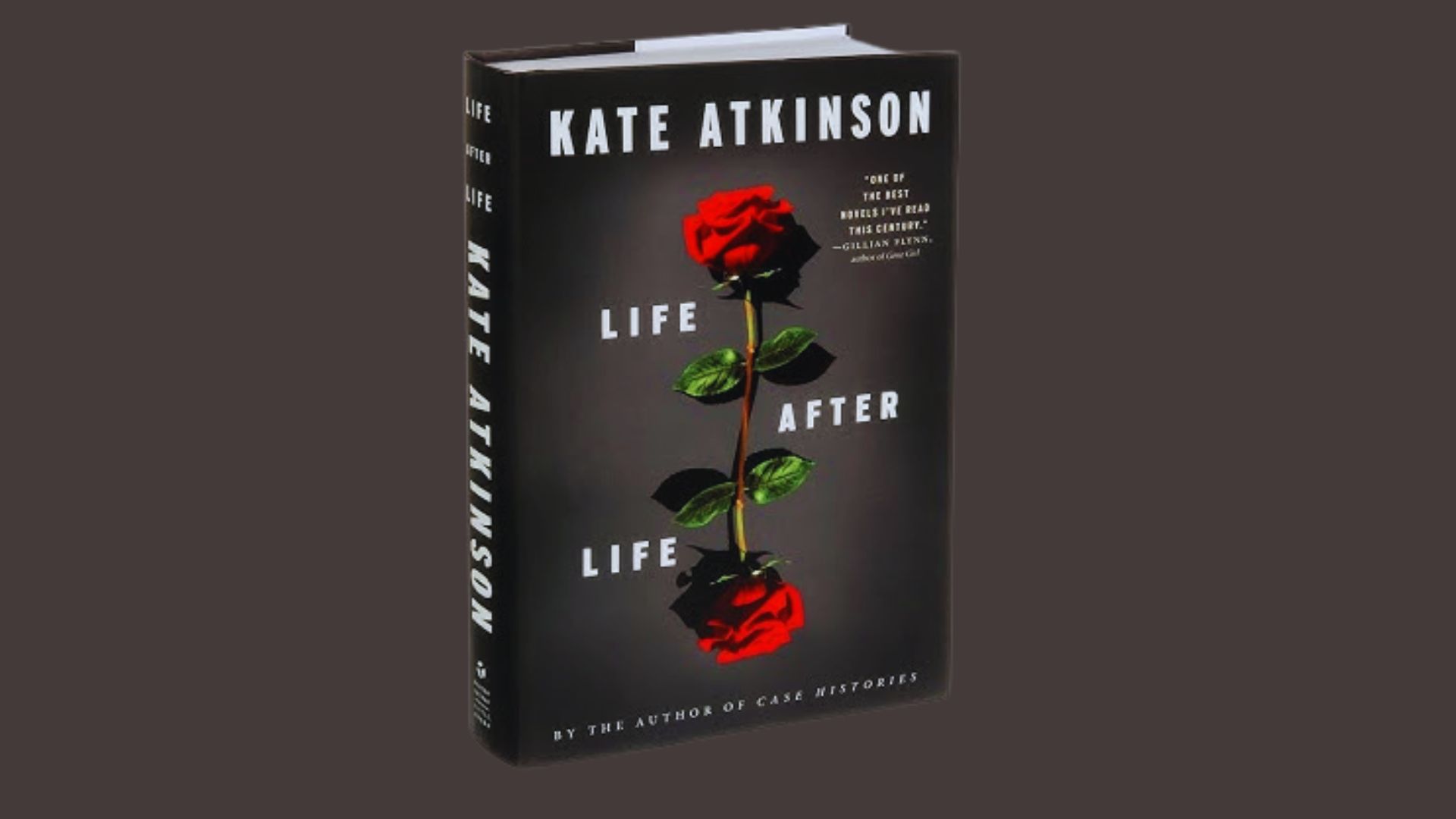
Looking for an honest Life After Life book review? You are in the right place. Kate Atkinson’s 2013 novel rewires how you think about time, choice, and consequence without ever announcing that it is doing so.
I read it across three sittings and found myself returning to its central questions for weeks, sitting with the strange, aching idea that a single moment repeated differently could change everything that follows.
In this review, I will walk you through the plot without spoilers, examine the central themes, break down the key characters, and share my personal response.
Let us get into it.
Synopsis of Life After Life
The novel opens on a snowbound night in 1910 in rural England, as Ursula Todd is born and dies immediately, strangled by the umbilical cord before the doctor can arrive. Then she is born again. The cord is cut in time. She lives.
This is the engine of the novel. Ursula dies repeatedly and is reborn into the same life, though each version unfolds differently. She drowns as a child, then does not. She is assaulted, then is not. She survives the Blitz, or she does not. Each iteration reshapes what follows in ways both small and catastrophic.
The story moves through the first half of the twentieth century, from the quiet domesticity of an English country house before the First World War through the devastation of the Second.
Major Themes in Life After Life
A profound meditation on fate, the weight of small decisions, the cost of war, and the question of what any single life is actually for.
The Nature of Time and Repetition
The central preoccupation of the novel is what it would mean to live a life over and over with the faint, subconscious knowledge of what came before. Atkinson is not interested in time travel in any mechanical sense. What she builds is something closer to a philosophical argument about chance and character, asking how much of what we become is determined by what simply happens to us.
The Consequence of Small Choices
One of the novel’s most quietly devastating insights is that enormous outcomes hinge on tiny, unremarkable decisions. A girl accepts an invitation or does not. A woman takes one route home instead of another.
War and Its Costs
A significant portion of the novel takes place during the Second World War, and Atkinson writes about the Blitz with a density that feels almost documentary. The damage done to bodies and buildings is rendered without sentimentality. Several of Ursula’s lives are consumed entirely by the war, and the novel refuses to offer any comfort about what was lost.
Family as the Fixed Point
Across every iteration of Ursula’s life, her family returns. The Todds are fallible, funny, sometimes cruel, and deeply human, and the novel argues quietly that the people we are born into shape us in ways that survive even radical changes in circumstance.
Character Analysis
Through repeated lives, flawed relationships, and the long shadow of history, the novel examines what endures in a person across time and loss.
Ursula Todd
Ursula is one of the most unusual protagonists in recent literary fiction because she is not one person but many versions of a person. What remains consistent across her lives is a quality of moral seriousness that drives her even when she cannot name what she is looking for.
Sylvie Todd
Ursula’s mother is the novel’s most complex supporting figure, capable of love and equally capable of a cold disappointment that marks her children in lasting ways. Atkinson never reduces her to a simple type, and the portrait built of her is one of the book’s most honest achievements.
Teddy Todd
Ursula’s younger brother is the emotional heart of the book. He is good in a way that never feels naive, and what happens to him across various lives says more about the waste of war than any political argument could.
Hugh Todd
Steady and affectionate, Hugh loves his children without requiring anything complicated in return. His presence gives the pre-war sections a warmth that makes everything that follows feel all the more costly.
Writing Style and Narrative Voice
With sharp, controlled prose and a structure built from accumulated repetition, the novel feels less like genre fiction and more like a thought experiment with a beating heart.
Atkinson’s Control
The technical challenge here is considerable. Atkinson returns to the same circumstances repeatedly without ever becoming monotonous, managing this through variation in voice, emphasis, and emotional register.
Each iteration reveals something the previous one did not, and the structure earns its complexity rather than simply showing it off.
Atmosphere and Period Detail
The England Atkinson constructed across the first half of the twentieth century is rendered with real precision.
The smell of a country kitchen, the sound of an air raid, the texture of class anxiety in a suburban household all of it makes the world feel inhabited rather than reconstructed.
Critical Reception
Life After Life was published in 2013 and received immediate and sustained attention from critics. It won the Costa Novel Award that year, was shortlisted for the Women’s Prize for Fiction, and appeared on numerous end of year best books lists internationally.
Critics praised Atkinson’s structural ambition, with many noting that the novel’s unusual premise never felt like a gimmick but rather a genuinely earned formal choice.
Reviewers across major publications highlighted the emotional weight of the Blitz sections and the consistency of Atkinson’s prose across a technically demanding structure.
The New York Times named it one of the best books of 2013, and it performed strongly in both the United States and the United Kingdom, reaching bestseller lists on both sides of the Atlantic.
Notable Reviews and Ratings
Goodreads: 3.79 out of 5 stars based on over 500,000 ratings
Amazon: 4.0 out of 5 stars across tens of thousands of reviews
Awards: Costa Novel Award 2013 winner; Women’s Prize for Fiction shortlist; BBC television adaptation released in 2022
My Personal Reading Experience
Life After Life was not the book I expected, and I mean that entirely as a compliment. I had assumed the repetitive structure would eventually become frustrating. What happened instead was the opposite.
Each reset pulled me deeper, and I found myself reading more carefully, noticing small details with new attention because I knew that anything might turn out to matter enormously.
Teddy’s sections affected me most. Atkinson writes with such unguarded warmth that the novel’s treatment of his fate, across different versions of his life, lands with real force. It is the kind of reading experience that stays physically present somewhere in the chest for days.
The Movie Adaptation
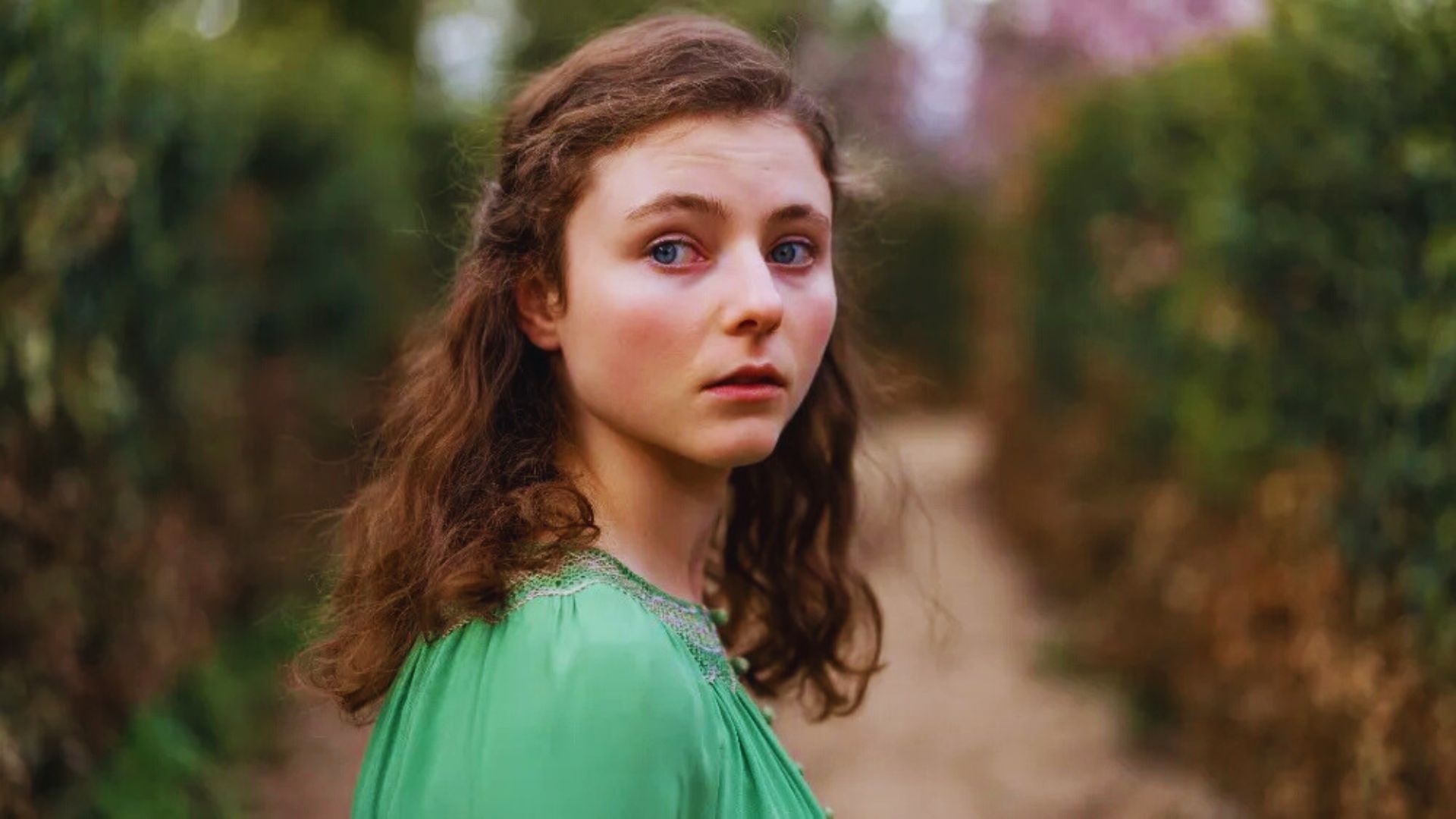
In 2022, BBC One and Paramount Plus released a television adaptation of Life After Life written by Bash Doran. The series stars Thomasin McKenzie as Ursula and Sope Dirisu as Crighton, with James McArdle playing Teddy.
Rather than reproducing the novel’s full structural complexity, the adaptation streamlines the repetitions in ways suited to the screen while preserving the emotional argument at the novel’s core.
The series received broadly positive critical notices and introduced the story to a much wider audience. Readers who came to the novel through the series often found that the book offered a significantly richer experience of Ursula’s inner life. Both versions are worth your time, and each rewards the other.
About the Author Kate Atkinson
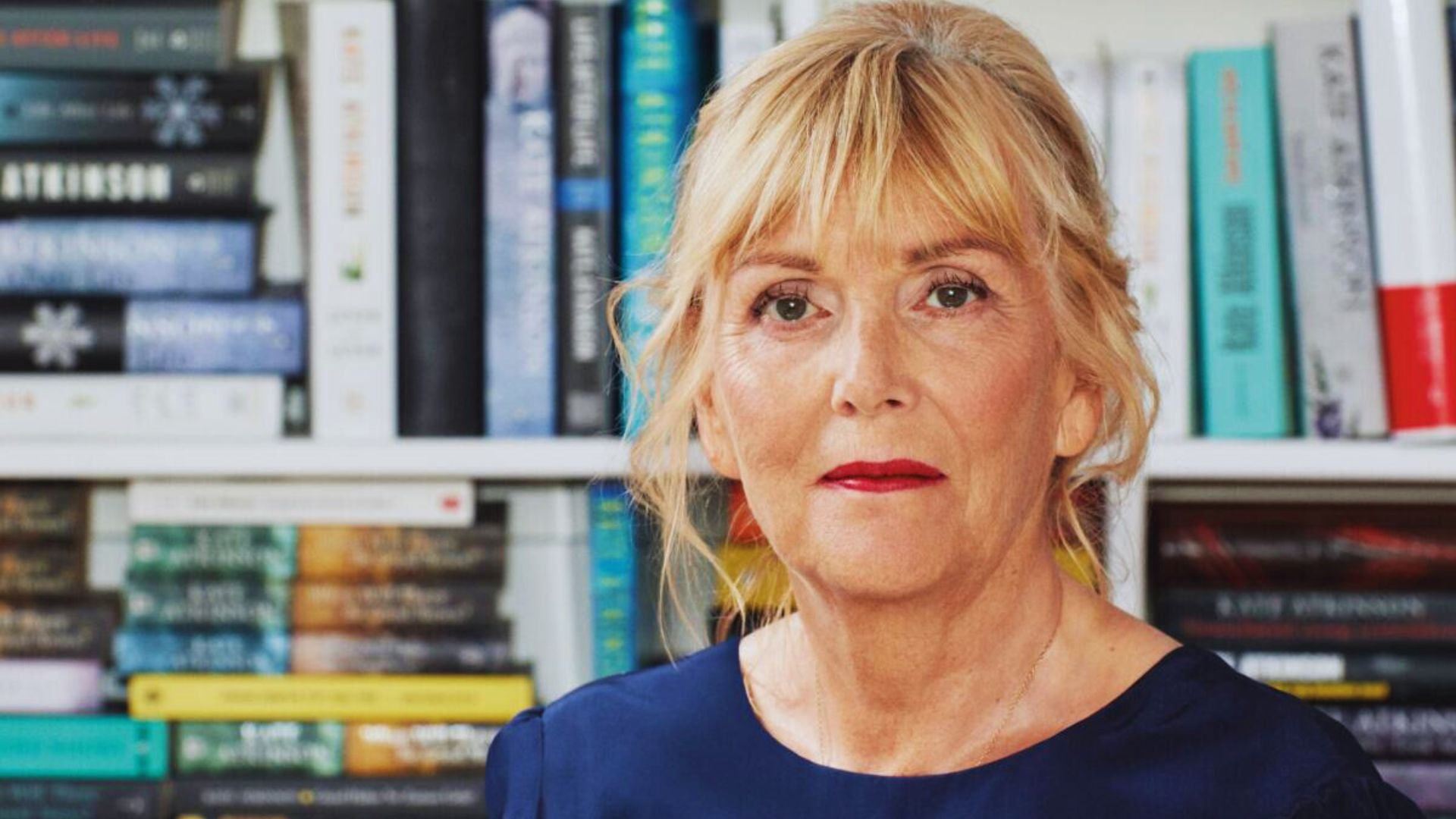
Kate Atkinson is a British author born in York in 1951. She published her debut novel Behind the Scenes at the Museum in 1995, which won the Whitbread Book of the Year Award.
She is also known for her Jackson Brodie crime series, which was adapted for BBC television.
Life After Life marked a significant expansion of her ambitions, and its sequel, A God in Ruins, published in 2015, follows Teddy’s story and won the Costa Novel Award in turn.
Conclusion
I hope this Life After Life book review gave you what you needed. This is a novel that operates on multiple levels simultaneously, gripping as narrative, serious in its inquiry into fate and choice, and formally ambitious in ways that genuinely serve the story rather than decorating it.
It stayed with me well beyond the reading itself, which is the clearest measure I know of how much a book has genuinely done its work.
If you are looking for something that takes both imagination and the heart seriously, this one is absolutely worth your time.
Frequently Asked Questions
Is Life After Life based on a true story?
No, it is fiction. Atkinson drew on the real history of twentieth century Britain, particularly the Second World War, to ground a structurally unusual story in emotional truth.
How long does it take to read Life After Life?
The novel is approximately 530 pages. Most readers complete it across five to ten hours, typically over several sittings.
What age is appropriate for reading Life After Life?
The book suits adult readers aged 16 and up. It contains violence, some sexual content, and mature historical themes handled with seriousness rather than sensationalism.
Did Life After Life win any literary awards?
Yes. It won the Costa Novel Award in 2013 and was shortlisted for the Women’s Prize for Fiction.
Is there a television adaptation of Life After Life?
Yes. BBC One and Paramount Plus released a limited series adaptation in 2022 starring Thomasin McKenzie as Ursula, which received strong critical reviews.