


I've seen so many people pick a bookshelf based on how it looks, only to bring it home and find their books don't fit right. Some stick out over the edge.
Others leave a big empty gap at the back. It's a frustrating problem, and it all comes down to one thing: depth.
Getting the depth right makes a real difference in how your shelf works and how your room looks.
So let me walk you through everything you need to know before you buy.
How Deep Are Bookshelves? Standard Shelf Depth Explained

Bookshelf depth decides how well your books fit and how good the shelf looks in your space. Get it wrong and you're stuck with messy overhangs or wasted empty space at the back.
What Is the Average Bookshelf Depth?
Most home bookshelves are 10 to 12 inches deep (25 to 30 cm). This range works well for standard paperbacks and hardcovers.
Out of this, 11 inches is the most common depth in homes. It fits most books without leaving too much empty space behind them. Most ready-made bookshelves are already built around this size.
Why Bookshelf Depth Matters for Usability
Depth affects how your shelf looks, functions, and fits your space.
Here's why it counts:
- Books won't stick out: A shallow shelf makes books hang over the edge, looking messy and increasing the risk of falling.
- No wasted space at the back: A shelf that's too deep leaves a dusty gap behind your books. The right depth means every inch gets used.
- Better visual balance: A bulky shelf throws off the flow of your room. The right depth keeps things proportional and neat.
Standard Bookshelf Depth by Book Type
Not every book is the same size, so not every shelf should be either. Here's a quick breakdown of the right depth based on what you're storing.
Depth for Paperbacks and Novels
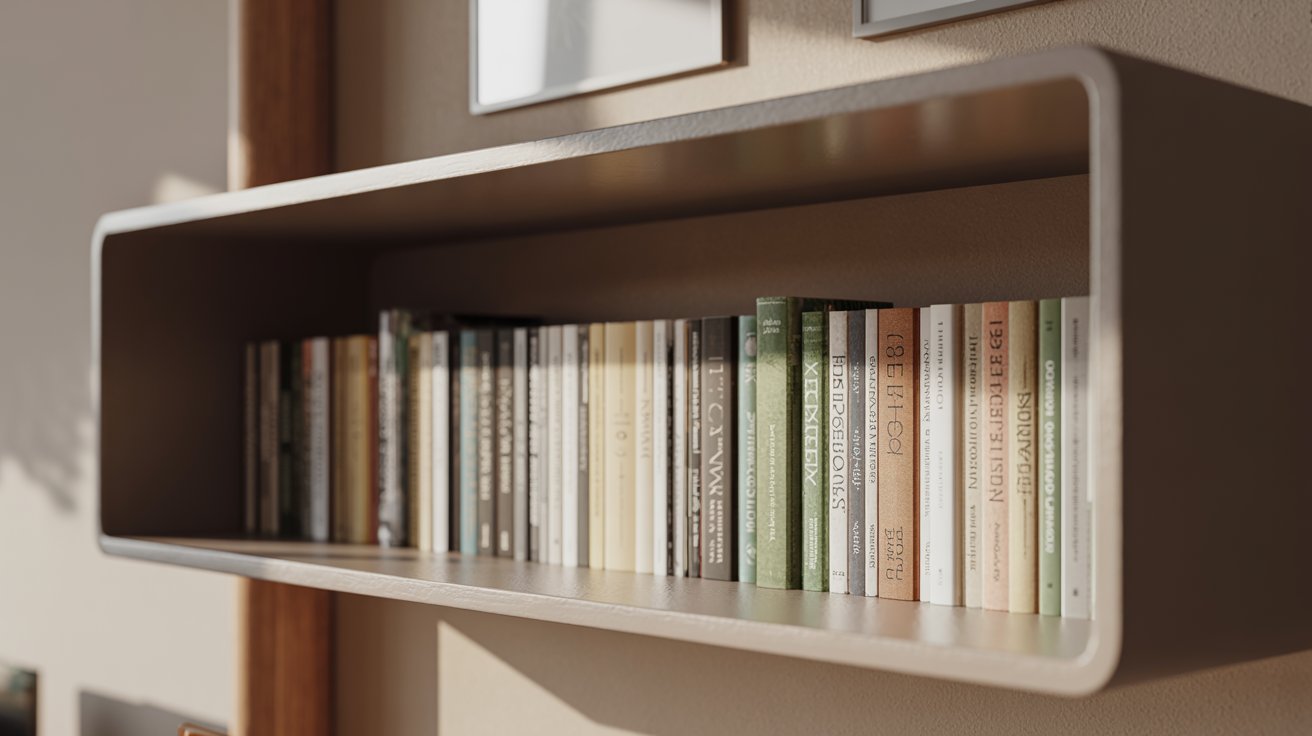
Paperbacks are slim and light, so they don't need much room. A depth of 8 to 10 inches works perfectly for them. This size is great when you want a compact shelf that doesn't take up too much wall space.
Depth for Standard Hardcover Books
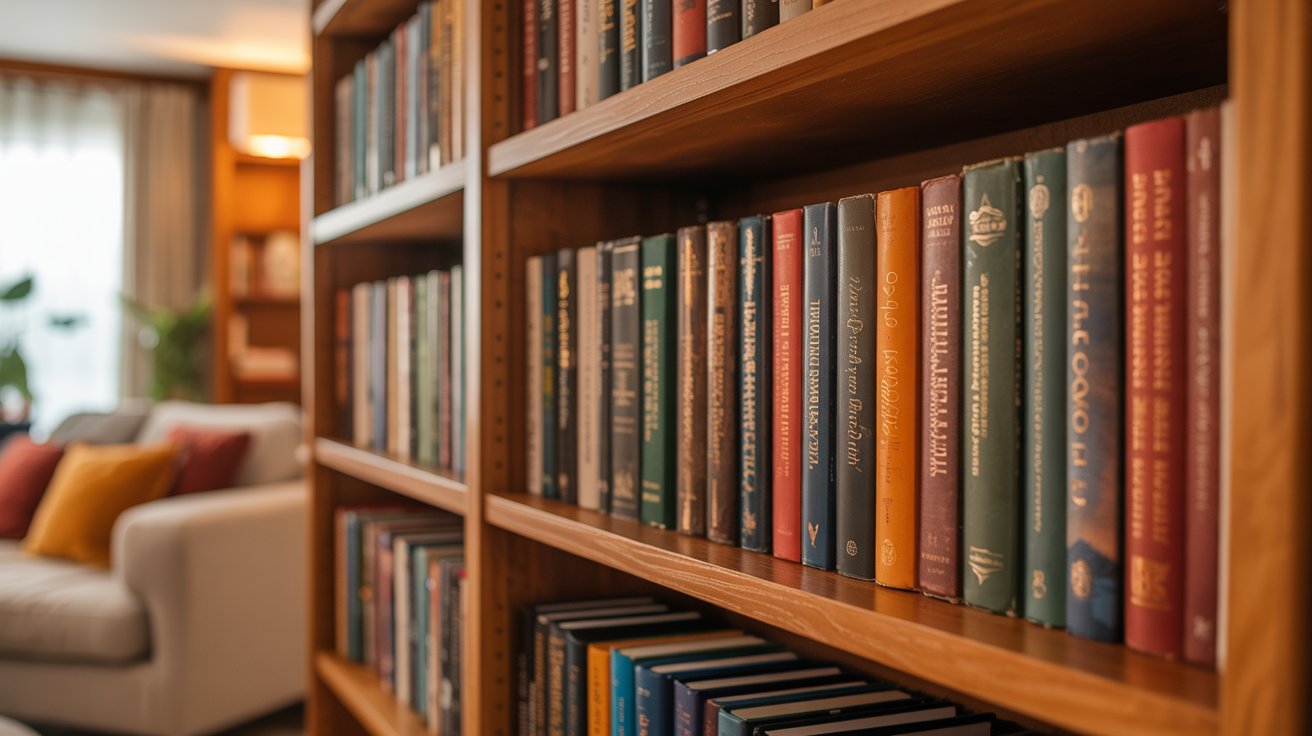
Hardcovers are a bit wider and thicker than paperbacks. A depth of 10 to 12 inches fits them well without any overhang. This is the most common shelf size you'll find in homes for a reason. It handles most everyday books with ease.
Depth for Large Books and Art Books
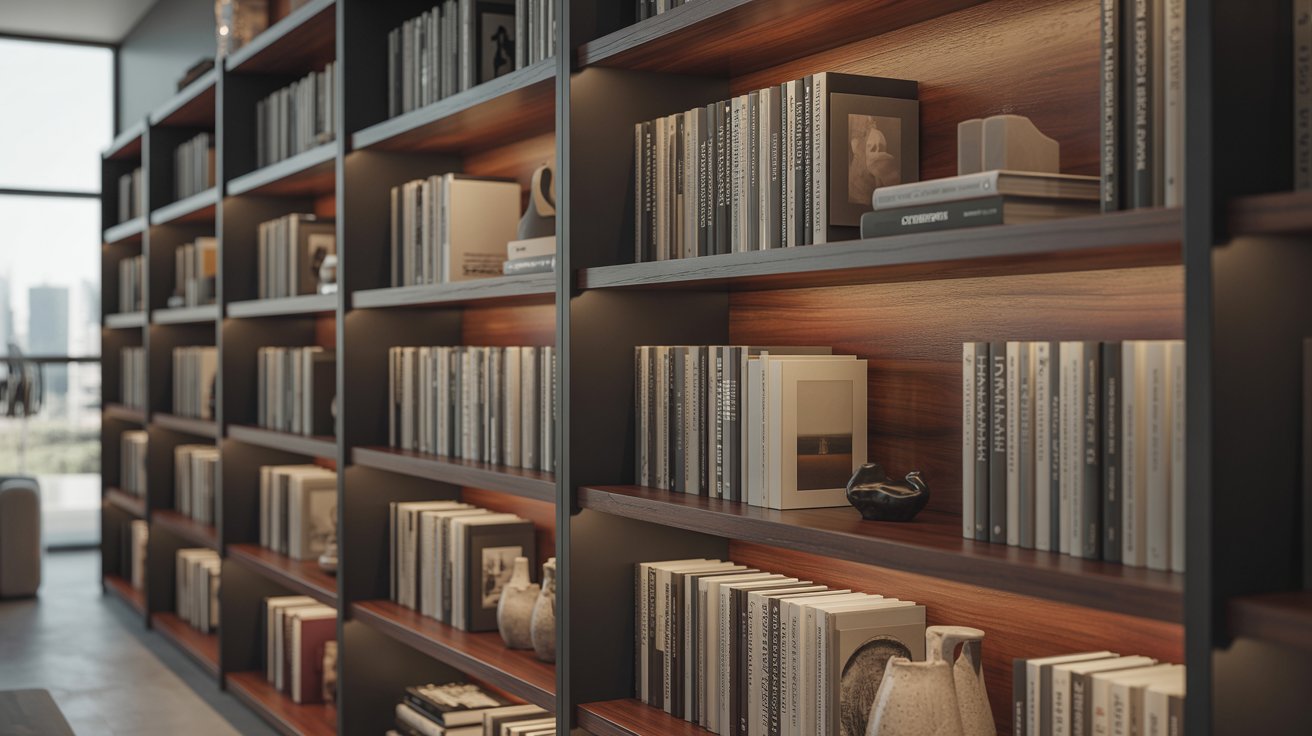
Coffee table books, art books, and reference guides need more room. A depth of 12 to 14 inches keeps them sitting fully on the shelf. This stops oversized books from sticking out and creating a safety risk.
Depth for Binders and Office Storage
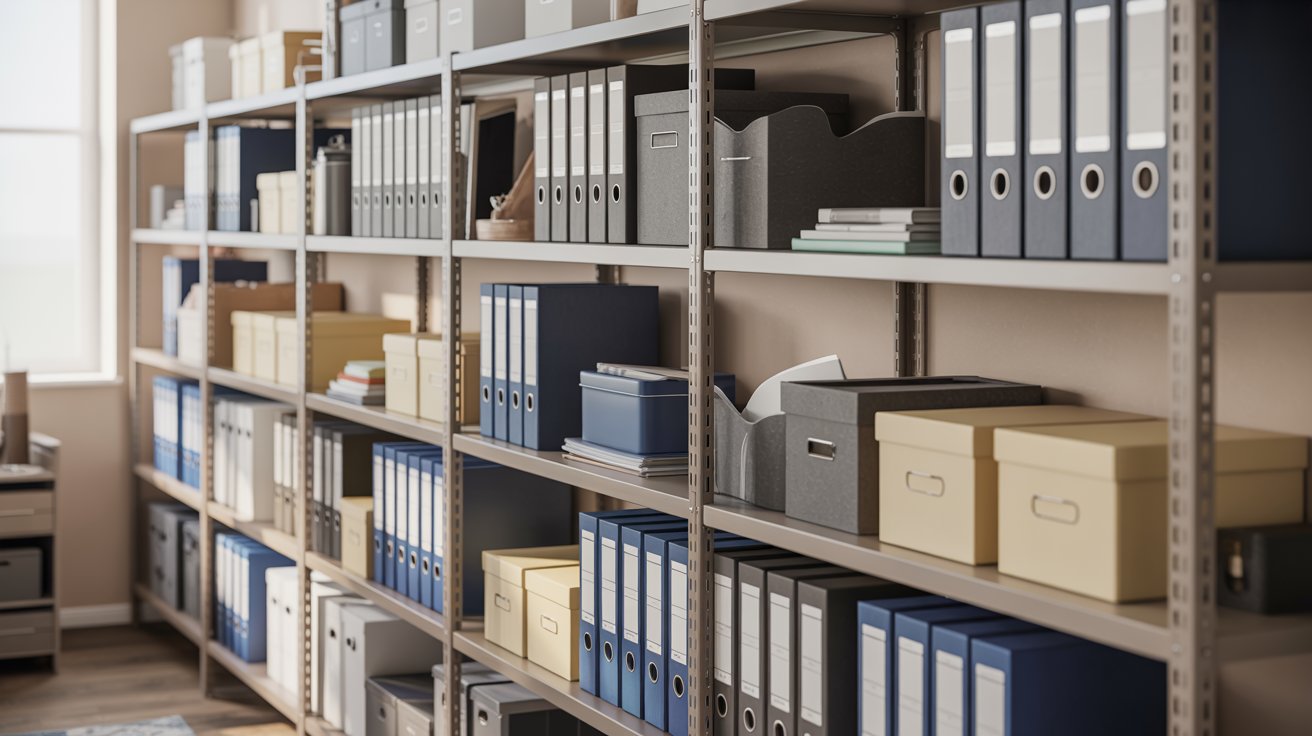
Binders, files, and archive boxes are bulkier than regular books. For office setups, a depth of 15 to 18 inches gives you the space to store them properly. This size works well for home offices, filing needs, and workspace shelving.
What is the Best Bookshelf Depth for Most Homes?

For most homes, a depth of 10 to 12 inches hits the sweet spot. It stores a wide range of books without eating into your room space.
This range balances capacity and efficiency better than any other size. Within that, 11 inches stands out as the most popular choice.
It fits paperbacks, hardcovers, and mid-size books comfortably. It's also the go-to size for built-in shelves and retail furniture across the board.
Narrow vs Deep Bookshelves – Which Should You Choose?
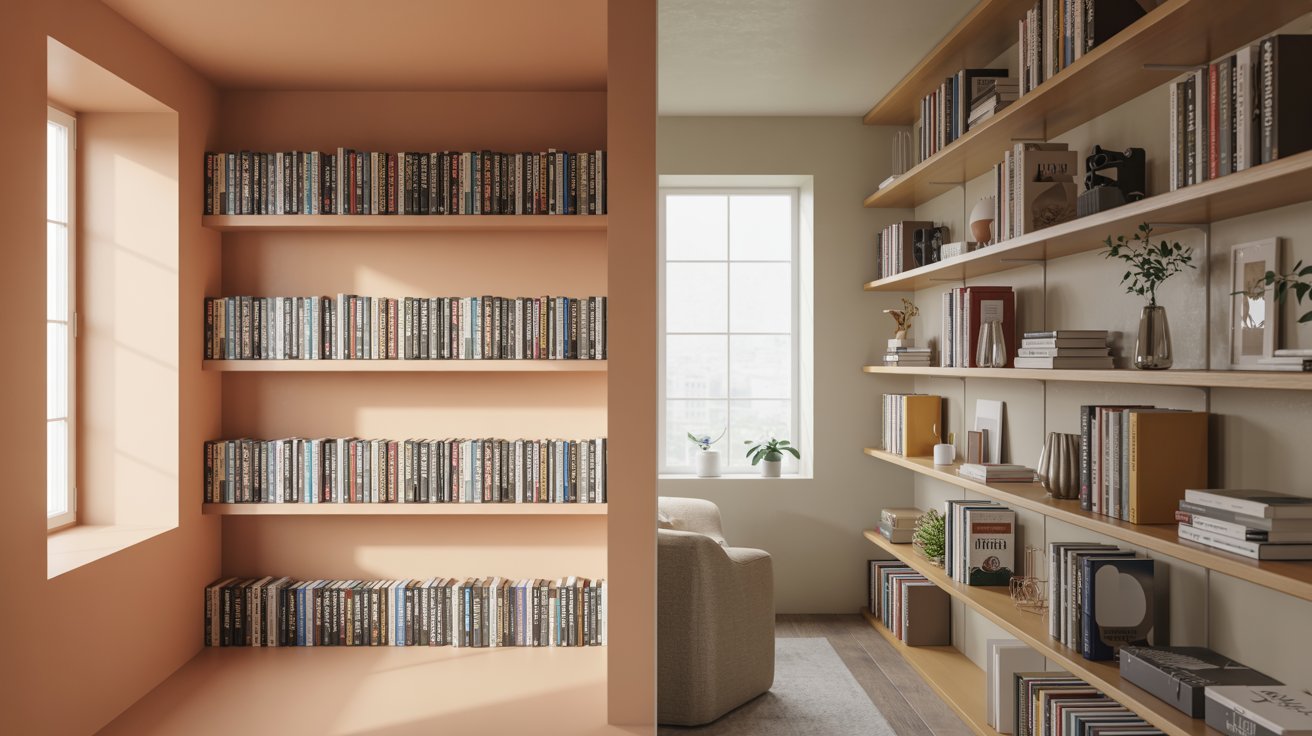
The right shelf depth depends on your books, your room size, and how much storage you actually need.
Narrow Bookshelves (6–9 Inches)
Narrow shelves work best for paperbacks and small books. They fit well in hallways, compact rooms, and spaces where you want a clean, simple look. If your room is tight on space, a narrow shelf keeps things functional without crowding the area.
Deep Bookshelves (12–15+ Inches)
Deep shelves handle large books, storage boxes, and bulkier items with ease. But if you don't actually need that extra space, it just sits empty at the back and collects dust. Only go deeper if your storage needs call for it.
Choosing Based on Room Size and Layout
Room size plays a big role here. Small rooms do better with shallow shelves that stay out of the way. Larger rooms can handle deeper shelves or even a mix of both depths depending on what you're storing and where.
Internal vs External Bookshelf Depth (Important Design Detail)
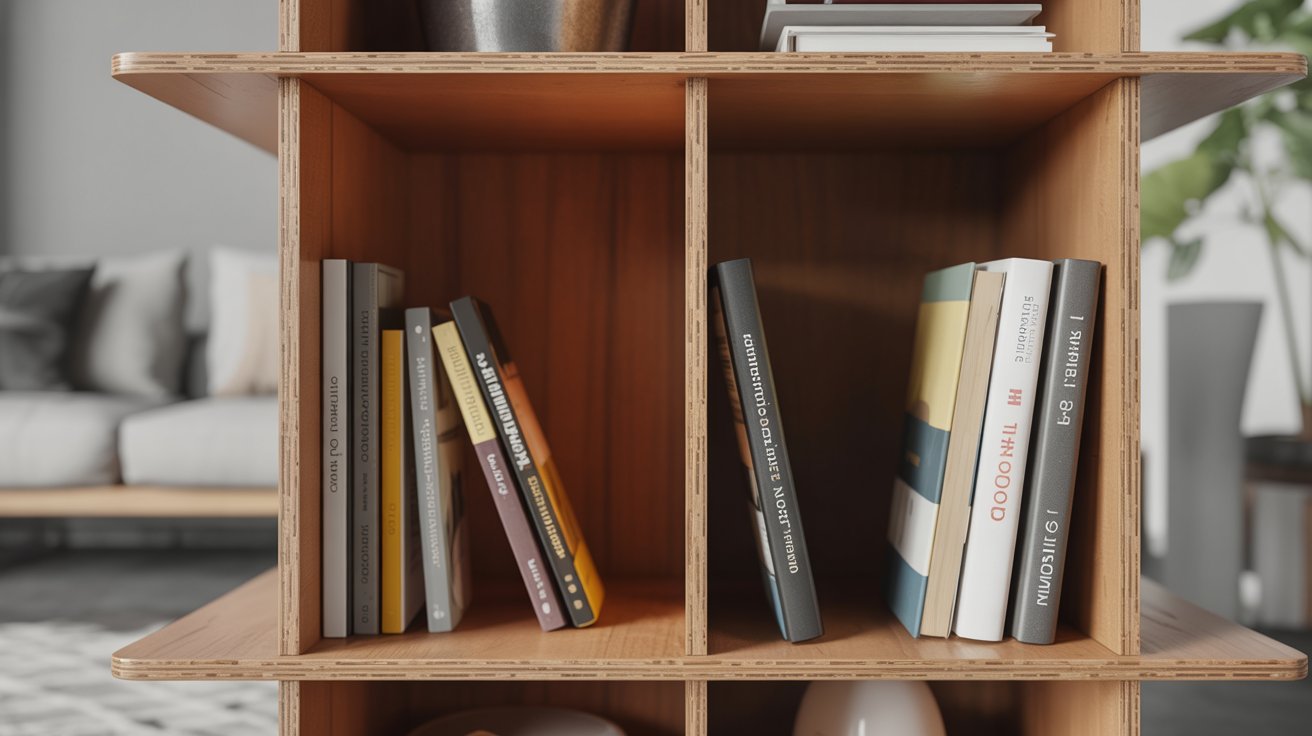
When a shelf says it's 12 inches deep, that's the external measurement. The actual usable space inside is always less.
The frame on each side eats into that number, and the back panel takes away even more room. So a shelf advertised at 12 inches might only give you 10 to 10.5 inches of real storage space.
Always check the internal depth before buying, especially if you're storing larger books or boxes that need every inch.
How to Choose the Right Bookshelf Depth for Your Needs
Picking the right depth comes down to what you own, how you use it, and what you plan to store down the line.
Step 1: Measure Your Largest Books
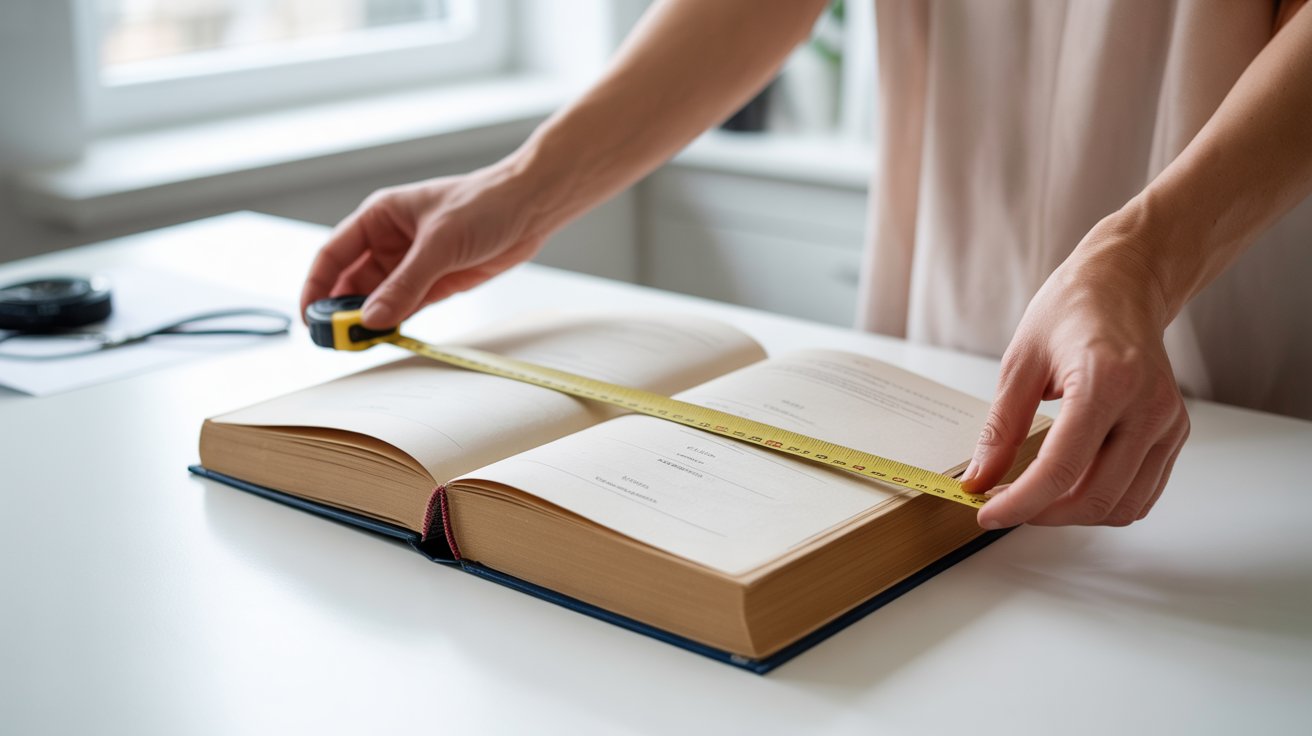
Start with your biggest books, not the average ones. Lay your largest book flat and measure its width. That number becomes your minimum depth requirement. If the shelf fits those, it'll fit everything else too.
Step 2: Add Clearance Space

Don't cut it too close. Add 1 to 2 inches of extra depth beyond your largest book. This gives you room to slide books in and out comfortably without the shelf feeling overpacked.
Step 3: Consider Future Storage Needs

Think about where your collection is headed. If you buy books regularly or plan to add boxes and binders over time, go a little deeper than your current needs. It saves you from outgrowing your shelf too soon.
Common Mistakes When Choosing Bookshelf Depth
- Going too deep: A shelf that's too deep leaves wasted space at the back. That gap fills up with dust and clutter over time.
- Going too shallow: Books end up sticking out over the edge, which looks messy. It also makes the shelf harder and more frustrating to use daily.
- Ignoring your largest books: Most people measure for average-sized books and forget the big ones. Oversized books end up sticking out or not fitting at all.
- Mixing book sizes without planning: Paperbacks, hardcovers, and large books all need different depths. Putting them on the same shelf without thinking it through leads to poor use of space.
- Not checking internal depth: The advertised depth is always the external measurement. The real usable space is smaller once you account for the frame and back panel.
Conclusion
After looking at all the options, I always come back to 10 to 12 inches as the safest choice for most homes. It handles the majority of books without wasting space.
But don't just go with the average. Think about what you actually own and what you'll add later. The right depth is the one that works for your books, not someone else's.
Measure first, then decide.
Got questions about shelf sizing? Drop them in the comments below!
Frequently Asked Questions
How deep are standard bookshelves?
Most standard bookshelves are 10 to 12 inches deep. This size fits the majority of everyday books comfortably without taking up too much room.
What is the minimum depth for a bookshelf?
The minimum usable depth for a bookshelf is around 8 inches. This works for paperbacks and slim novels but won't fit larger hardcovers or oversized books.
Can a bookshelf be too deep?
Yes, a shelf that's too deep leaves empty space at the back that goes to waste. It also makes smaller books harder to reach and creates a cluttered, unorganized look.
What depth should I choose for a home office bookshelf?
For a home office storing binders, files, and boxes, go for 15 to 18 inches. This gives you enough room for bulkier items without everything feeling cramped.
Does shelf depth affect room space?
It does. A deeper shelf sticks further into the room and can make a small space feel tight. Choosing the right depth keeps your room functional and well-proportioned.


