


What does it really take to face the world when people only see you one way?
Holding Up the Universe by Jennifer Niven tells the story of Libby Strout and Jack Masselin, two teens carrying struggles that most people don’t notice.
As someone who has read and reviewed many YA novels, I found their story deeply moving and relatable.
This Holding Up the Universe summary will give you a glimpse into their lives, the challenges they face, and the moments that make their story resonate without spoiling the surprises along the way.
Overview of the Book
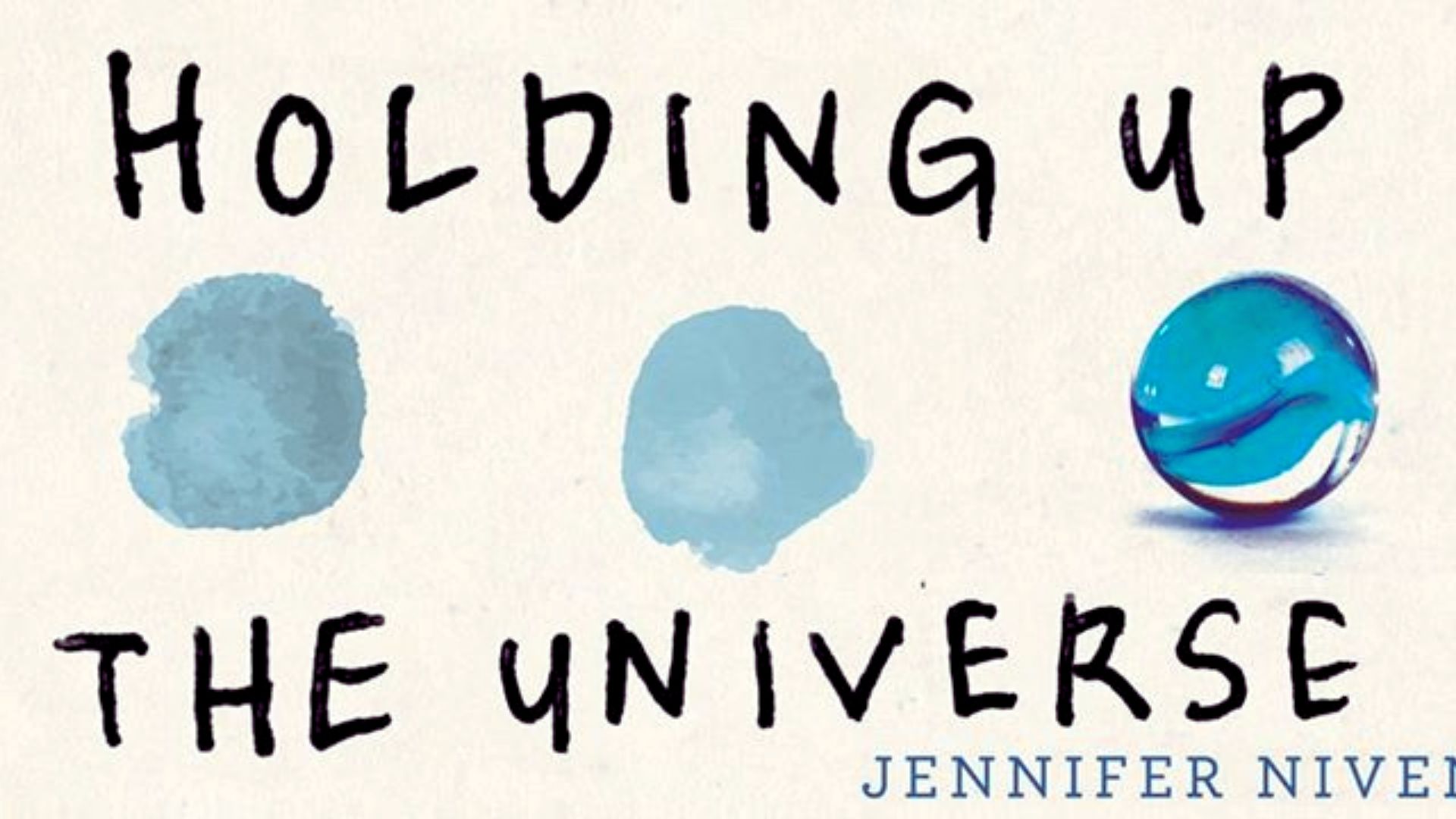
Holding Up the Universe by Jennifer Niven is a story about two teens learning to face the world as themselves.
Libby Strout, once labeled “the girl who used to be fat,” struggles with acceptance and the way people see her.
Jack Masselin seems confident and popular, but he hides a personal struggle that affects how he interacts with others.
Their lives intersect in unexpected ways, and they form a bond that helps them understand themselves and each other better.
Through school events, family moments, and small personal victories, they grow closer, learning trust, empathy, and the strength to be honest with themselves.
Holding Up the Universe Summary
Holding Up the Universe by Jennifer Niven follows Libby Strout and Jack Masselin, two teens dealing with their own challenges.
Libby, once famous as “the girl who used to be fat,” struggles with judgment and fitting in, even as she tries to start fresh.
Jack seems confident and popular, but he hides a personal struggle that affects how he faces life.
Their paths cross unexpectedly, and a connection forms that teaches them trust, understanding, and self-acceptance.
Through shared experiences, school moments, and personal challenges, they grow closer and begin to see life differently.
Small victories and key events shape their friendship and show how honesty and openness can change lives.
Themes Explained
Holding Up the Universe shows the challenges teens face with identity, relationships, and self-image. Jennifer Niven shows how these struggles affect their lives and choices.
Body Image and Self-Esteem Challenges
Libby’s experience highlights how society judges people for their appearance. She faces ridicule and misunderstanding from classmates and strangers, which affects her confidence.
The story shows the emotional toll of being labeled and the courage it takes to reclaim her sense of self.
Social Pressure and Teen Mental Health
Jack’s hidden struggle demonstrates how pressure to fit in can affect mental well-being. Teens often feel they must hide their difficulties, increasing stress and anxiety.
The book shows that support, understanding, and small acts of kindness can make a real difference.
Friendship, Empathy, and Understanding Differences
The bond between Libby and Jack emphasizes the importance of seeing people beyond first impressions.
Their friendship grows through patience, empathy, and learning to accept differences, showing readers how connection and understanding can shape relationships in meaningful ways.
Growth and Self-Acceptance
Both Libby and Jack experience personal growth as they face fears and insecurities. Through small victories and honest moments, they gradually accept themselves and each other.
The story demonstrates that self-acceptance is a process built on courage, honesty, and care.
Character Development
In Holding Up the Universe, Jennifer Niven shows how personal struggles and past experiences shape the characters and their growth.
Libby
Libby grows emotionally and socially as she learns to face judgment and fear. Her confidence builds through small victories, new friendships, and honest self-reflection.
The story captures her resilience and shows how acceptance, both from herself and others, changes the way she interacts with the world.
Jack
Jack’s past shapes how he handles life and relationships. His hidden struggle makes him cautious and private, but over time, he learns trust and openness.
His growth comes from facing challenges, forming meaningful connections, and understanding that vulnerability can be a source of strength.
Supporting Characters
Family and friends play an important role in both Libby’s and Jack’s lives. Their support, advice, and occasional conflicts influence decisions and growth.
These relationships show how community and understanding can help teens navigate struggles and discover new ways to cope.
Writing Style and Narrative Voice
Jennifer Niven’s storytelling in Holding Up the Universe is clear, engaging, and easy to relate to.
She alternates the point of view between Libby and Jack, giving readers insight into both characters’ thoughts and feelings.
This approach makes their struggles and growth more personal and real. The narrative captures emotions effectively, allowing teen readers to connect with the characters’ experiences.
Moments of humor and lightness appear naturally throughout the story, balancing heavier themes and making the reading experience heartfelt and relatable without feeling forced.
Goodreads and Amazon Ratings
I checked both major reader platforms to see how Holding Up the Universe was received, and this is what the ratings show.
Goodreads rating: 3.5/5. Readers praise the relatable characters, emotional depth, and realistic teen issues, while some note uneven pacing.
Amazon rating: 4.2/5. Many highlight the honest storytelling and character growth, though a few mention minor plot weaknesses.
Fans enjoy the friendship and personal stories, while criticisms focus on predictable moments and slower sections.
Pros and Cons
Here’s a quick look at what works and what doesn’t in Holding Up the Universe:
| Pros | Cons |
|---|---|
|
Engaging main characters |
Some pacing issues |
|
Realistic YA themes |
Certain tropes familiar in YA fiction |
|
Emotional depth |
Minor predictable moments |
|
Relatable teen experiences |
Slower sections in the middle |
|
Honest storytelling |
Some supporting characters are underdeveloped |
Overall, these points give a clear picture of what readers can expect from the book.
Personal Take / Honest Review
Having read Holding Up the Universe, I would give it a rating of 4 out of 5.
Strengths: relatable characters, emotional depth, well-developed arcs, honest portrayal of teen issues, engaging writing.
Weaknesses: minor pacing issues, occasional predictability, slower sections.
The book is best suited for teen readers, fans of YA, and anyone who enjoys stories about friendship and personal growth.
About the Author

Jennifer Niven is an American author known for writing young adult novels that tackle emotional and real-life issues with honesty and sensitivity.
Her storytelling often focuses on teen experiences, mental health, and personal growth, making her books relatable and impactful for young readers.
Niven’s writing style blends emotional depth with engaging narratives, allowing readers to connect with her characters on a personal level.
She has received praise for her ability to handle sensitive topics with care while keeping her stories compelling.
Apart from Holding Up the Universe, she is best known for All the Bright Places, which became a bestseller and was adapted into a Netflix film. Other works include Velvet Morning and Recovery Road.
Final Thoughts
Reading Holding Up the Universe made me appreciate the courage it takes for teens to face judgment and personal struggles.
Libby and Jack’s experiences feel authentic, and their growth through small victories is inspiring. Jennifer Niven writes with honesty, making their story relatable and emotionally engaging.
This Holding Up the Universe summary highlights why the book resonates with anyone interested in teen challenges, empathy, and self-acceptance.
Pick up a copy and experience their story firsthand. Discuss it with friends and see how their story resonates in real life!
Frequently Asked Questions
How Does Libby Overcome Challenges?
Libby grows by facing judgment, building confidence, and forming meaningful relationships that help her navigate social and personal struggles.
What Makes Jack’s Story Special?
Jack deals with a hidden personal struggle that contrasts with his confident exterior, showing how appearances can be misleading.
Are The Supporting Characters Important?
Yes, family and friends influence decisions, growth, and emotional support, shaping the paths of both Libby and Jack.
How Realistic Is The Teen Experience?
The book reflects authentic teen emotions, social pressures, and challenges, making the story relatable for young readers.
Does The Book Address Mental Health?
Yes, it highlights stress, anxiety, and coping with personal difficulties, emphasizing empathy and understanding for teens facing similar issues.