


Fall brings something special. The cool air, golden leaves, and quiet evenings make people reach for good poetry.
But finding the right fall poems can feel overwhelming. There are hundreds out there. Where do you even start?
I have spent years reading and collecting autumn poetry, and this list is the result of that time.
In this blog, you will find the 21 best fall poems with simple breakdowns, short poems for quick reading, poems for kids and classroom use, and practical tips to enjoy poetry this season.
Whether you love classic poets or modern voices, there is something here for everyone.
Why Fall Poems Are So Popular

Fall poems connect with readers because they speak to feelings most people already carry inside. Autumn brings visible change. Leaves turn red and gold. The air gets cooler. Poets have always found meaning in these shifts.
People love fall poems because they feel real. The season carries a mix of warmth and sadness. That emotional balance is something everyone understands.
Fall also signals an ending. Poems about this time often touch on memory, loss, and letting go. These themes stay with readers long after the poem ends.
Fall also works as a symbol. Changing leaves can stand for aging or the passing of time. This gives poets room to say something deeper without stating it directly.
Simply put, fall poems last because they speak to something true about how people feel when the world around them starts to change.
21 Best Fall Poems for the Autumn Season
Fall is a season that has influenced poets for centuries, and these 21 poems capture everything autumn makes us feel.
1. To Autumn by John Keats
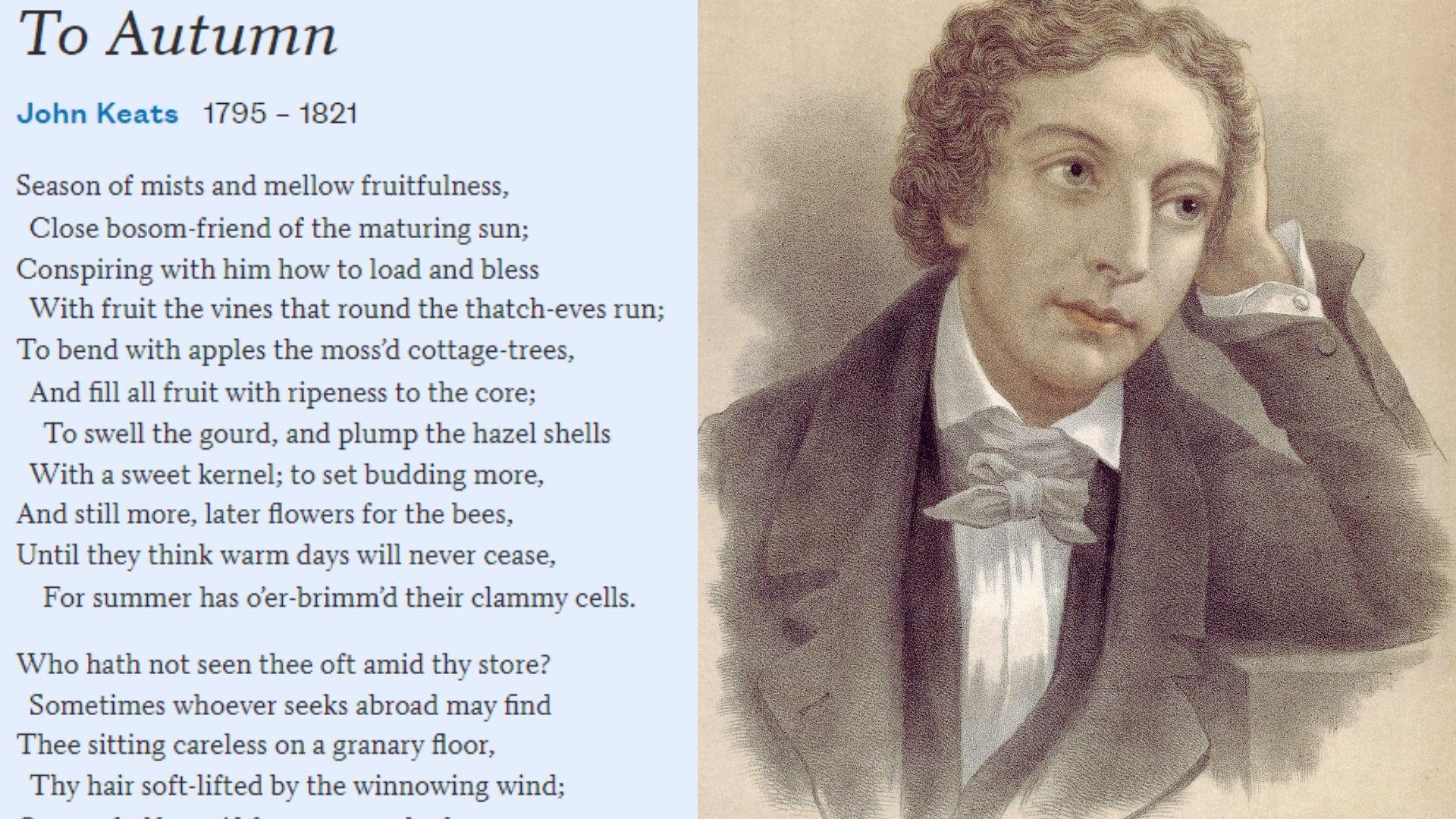
This is one of the most loved poems in the English language. Keats wrote it in 1819 after a walk through the English countryside. The poem looks at autumn as a season full of ripeness and abundance.
It moves through three stages: harvest time, the middle of the day, and a soft evening. Keats does not treat autumn as sad.
He shows it as full and complete. The poem reminds readers that every season has its own kind of richness.
2. Nothing Gold Can Stay by Robert Frost
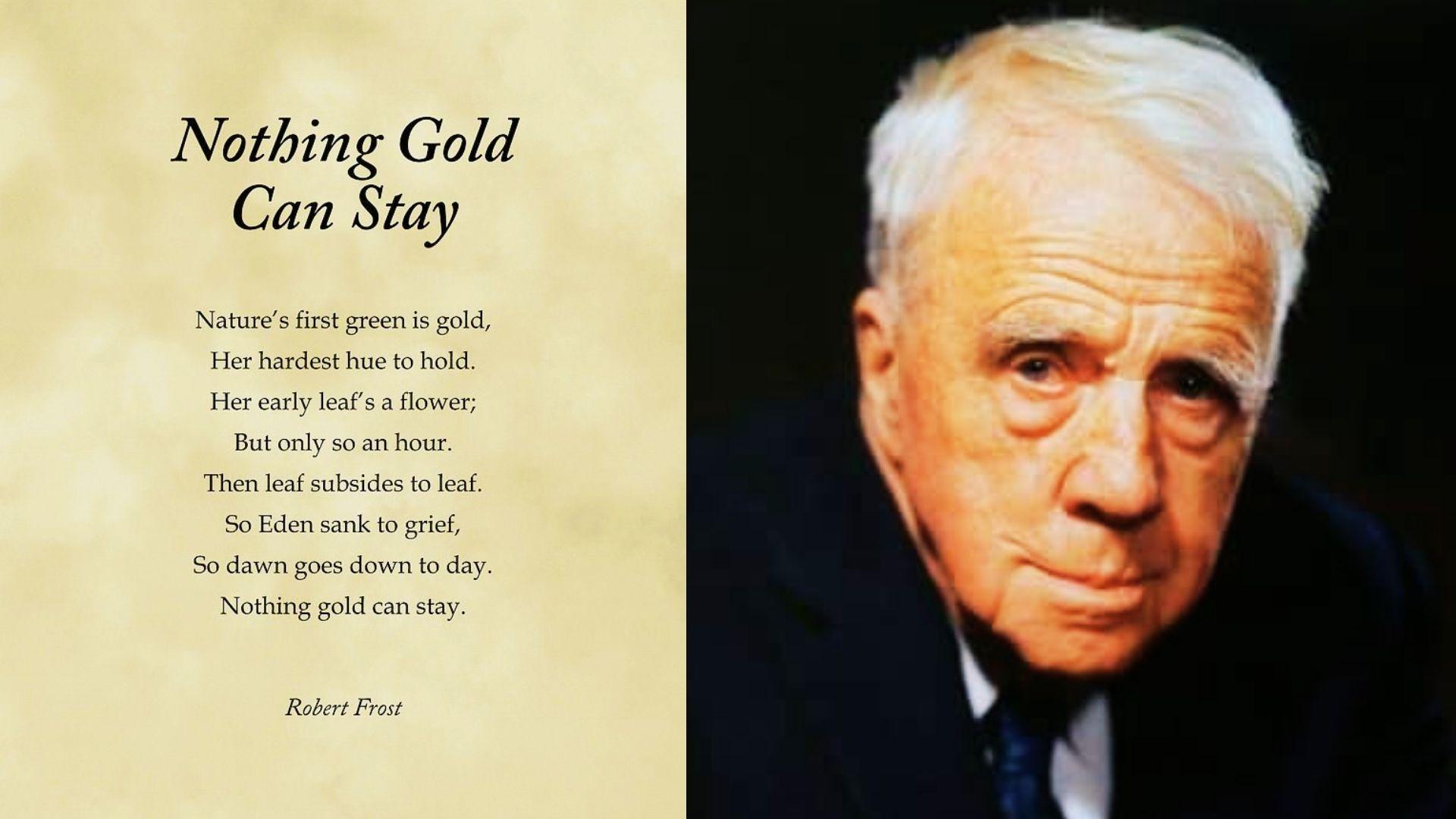
This short poem packs a big punch. Frost uses only eight lines to say something very deep.
He looks at how the first green of spring quickly turns to full leaf, and how gold is the hardest color to hold onto.
The poem is really about how the best things in life do not last long. Autumn fits this idea well. The gold and red leaves are only here for a short time before they fall.
3. Fall, Leaves, Fall by Emily Brontë
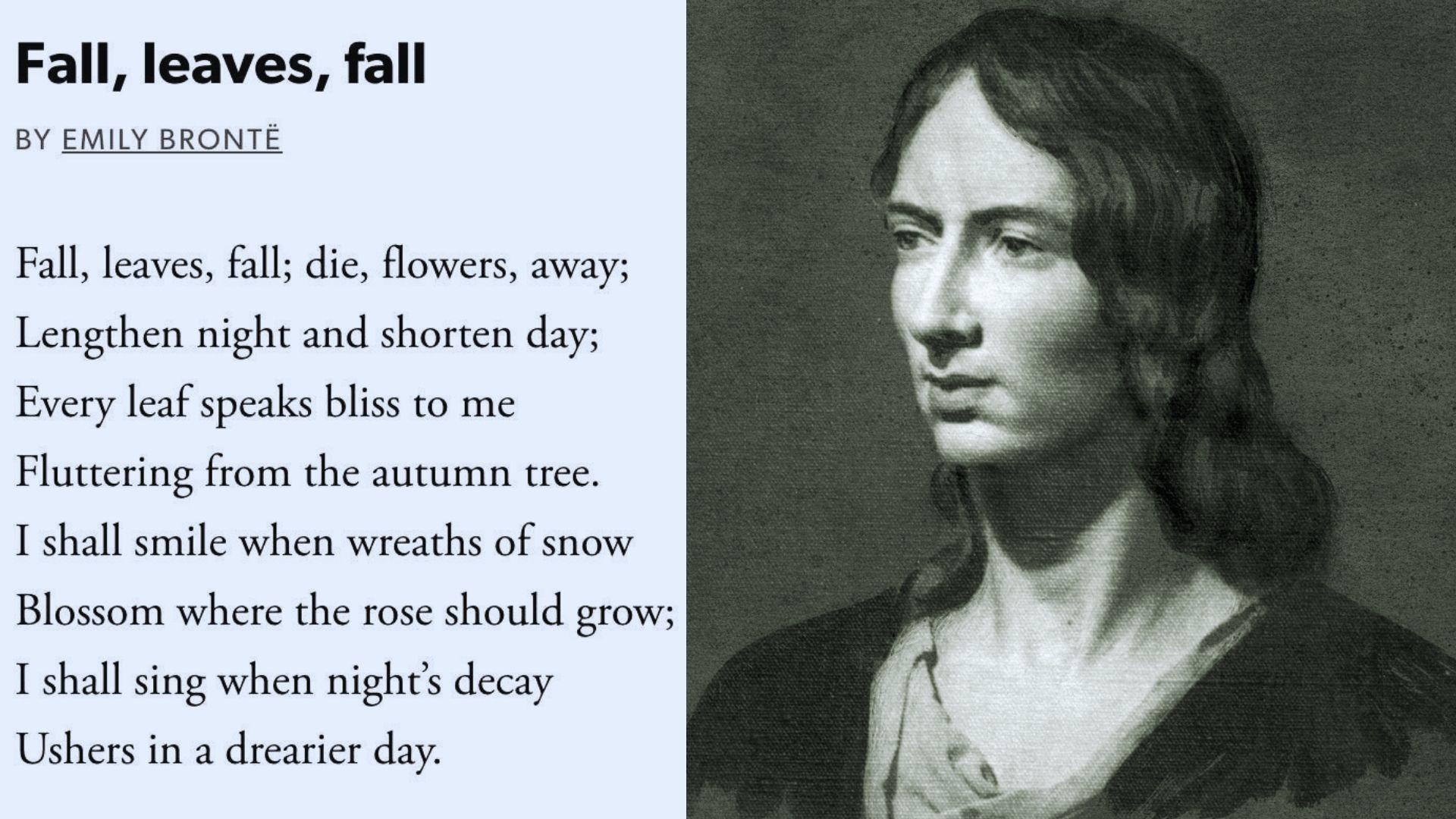
Brontë wrote this poem with a surprising point of view. Most people feel sad when leaves fall, but she welcomes it. She finds comfort in the dying of the year.
The short days and long nights feel like rest to her. This poem is a good reminder that not everyone sees autumn the same way. For some people, the quieting of the world feels like a relief.
4. Sonnet 73 by William Shakespeare
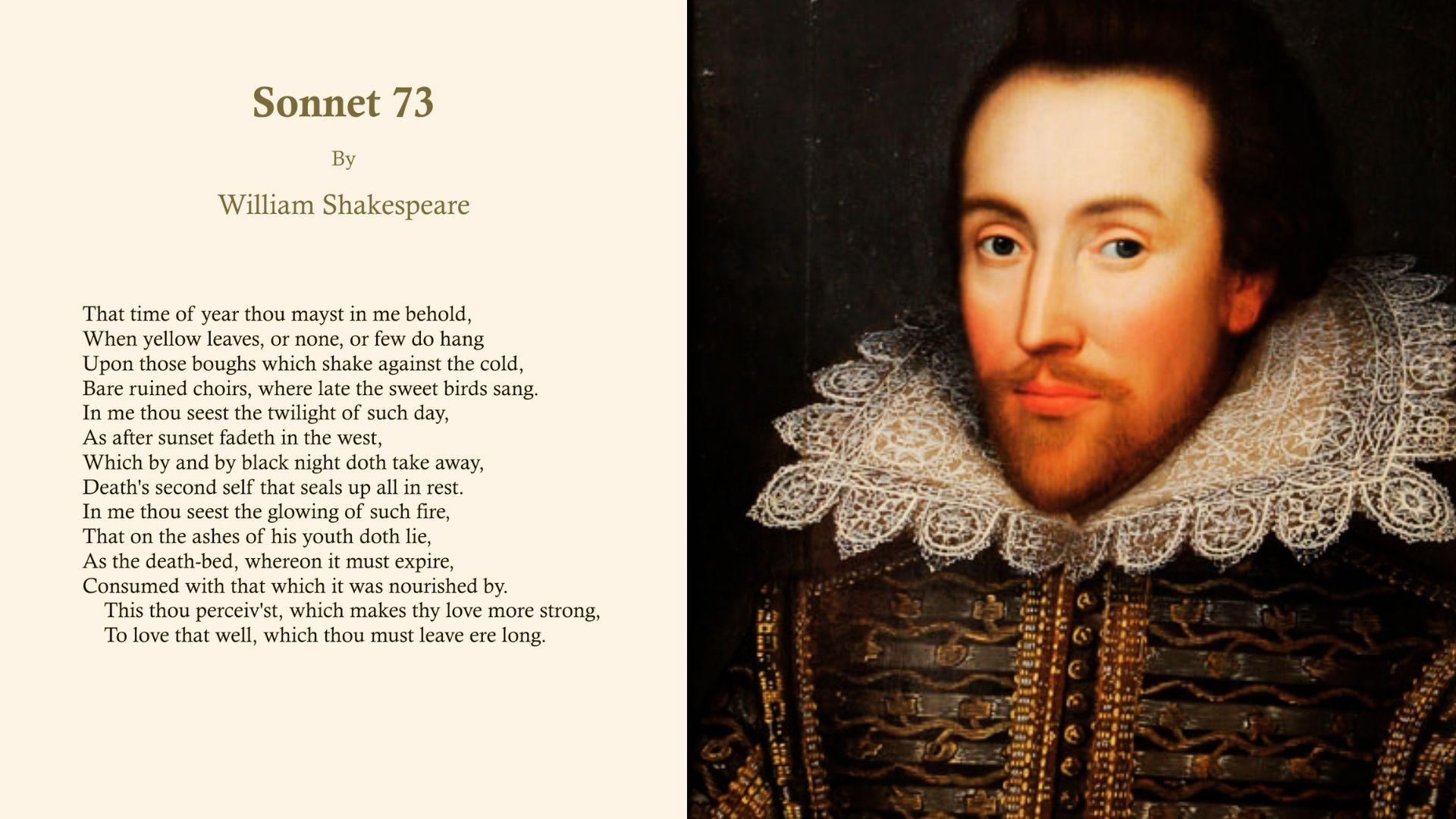
Shakespeare wrote this sonnet about growing older, but it uses autumn as its main image. He compares himself to a tree that has lost most of its leaves.
The poem asks the reader to look at someone who is near the end of their life and love them more because of it.
The autumn setting gives the poem a warm but melancholy feeling. It is one of the best examples of how nature can stand in for human experience.
5. Autumn Fires by Robert Louis Stevenson
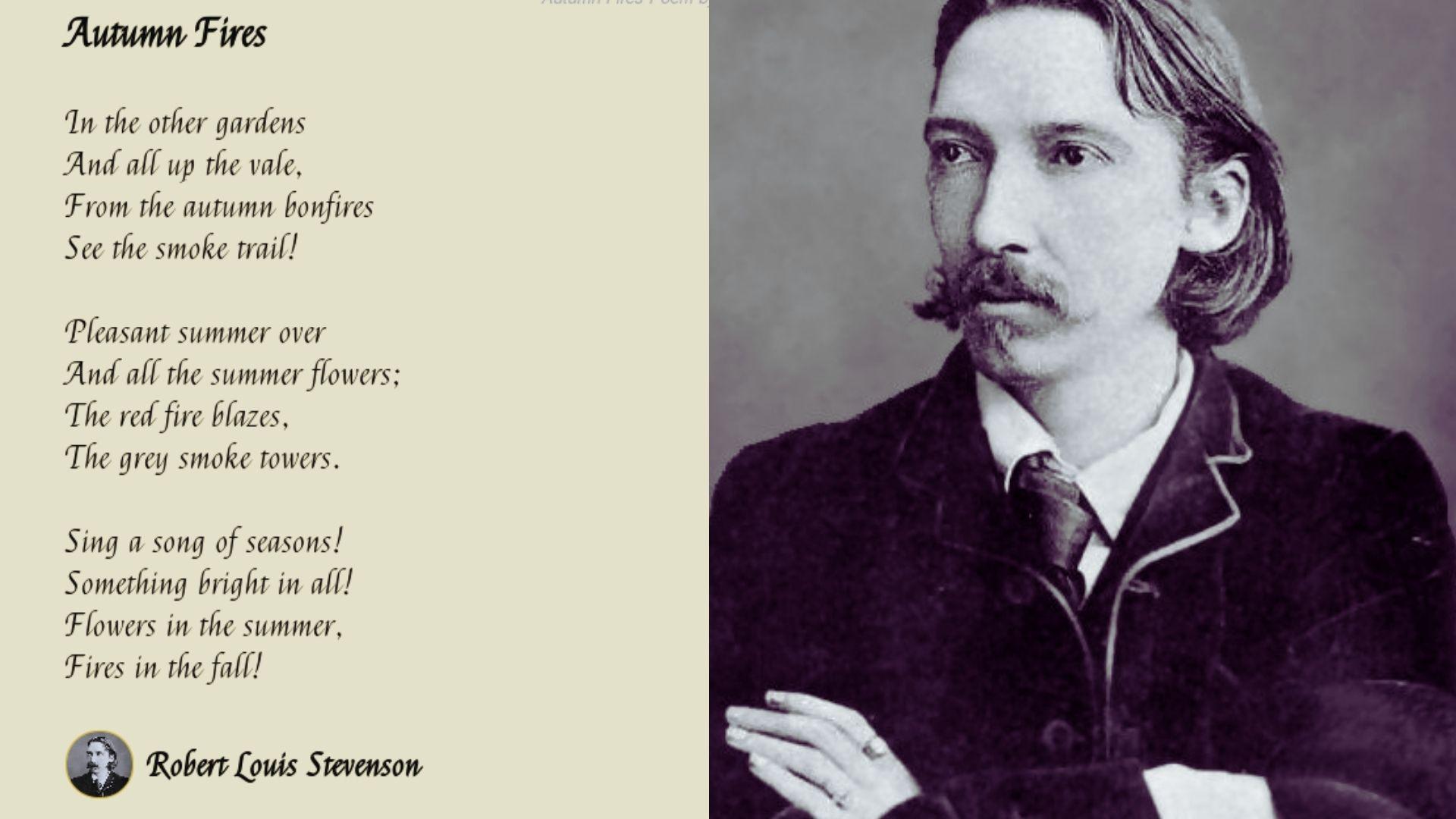
This is a simple and cheerful poem about the sights and smells of autumn. Stevenson writes about bonfires in gardens, yellow leaves on the ground, and the clear autumn sky.
The tone is light and warm. It reads almost like a song. This poem is a great choice if you want something easy to read with children or share at a fall gathering.
6. The Wild Swans at Coole by W. B. Yeats
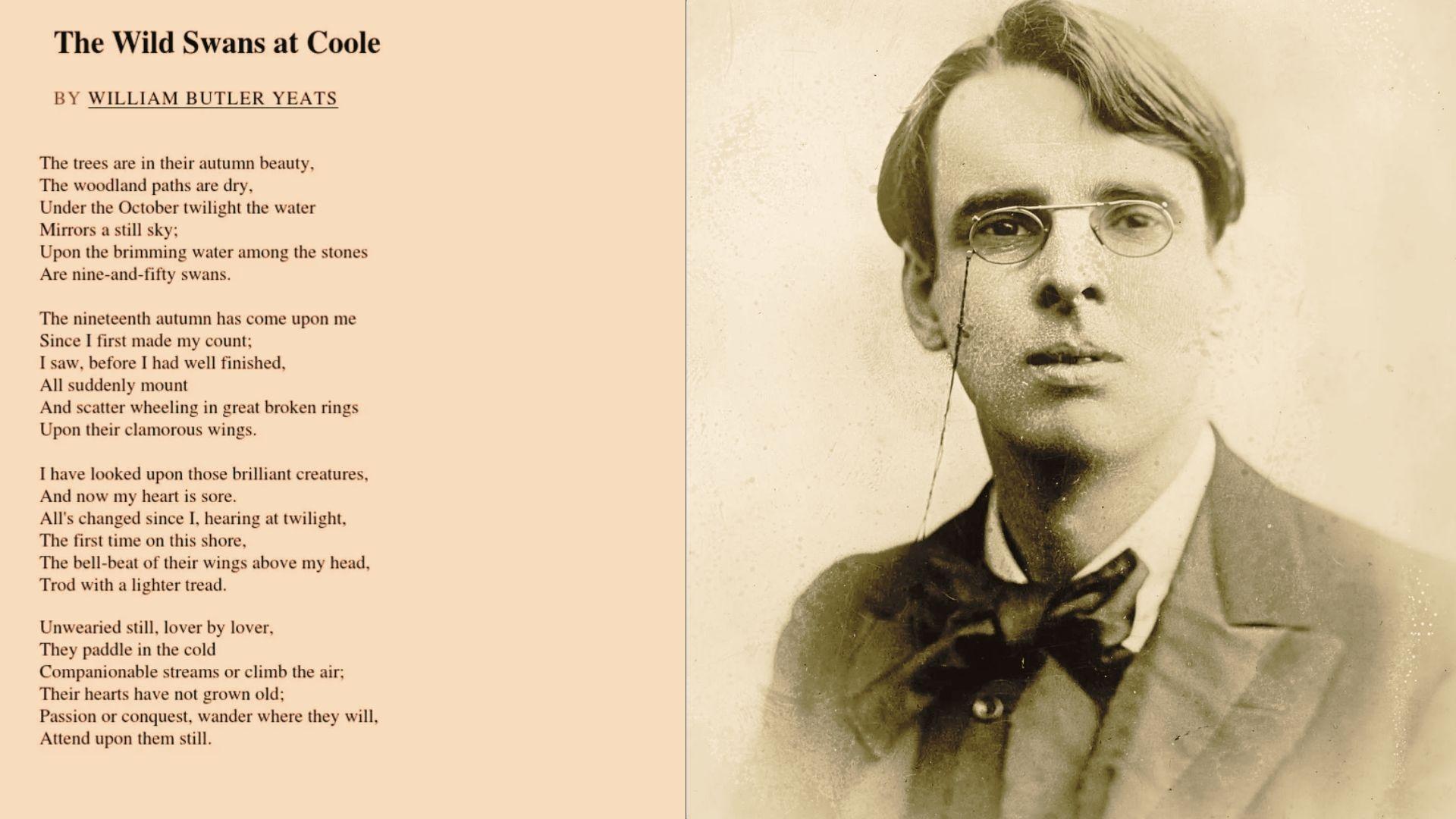
Yeats wrote this poem after visiting Coole Park in Ireland for nineteen years.
He counts fifty-nine swans on the water and feels struck by how they never seem to change, while he is getting older. The autumn lake setting gives the poem a still, quiet mood.
It is a poem about time passing and the strange feeling of watching something stay the same while you change around it.
7. Autumn by John Clare
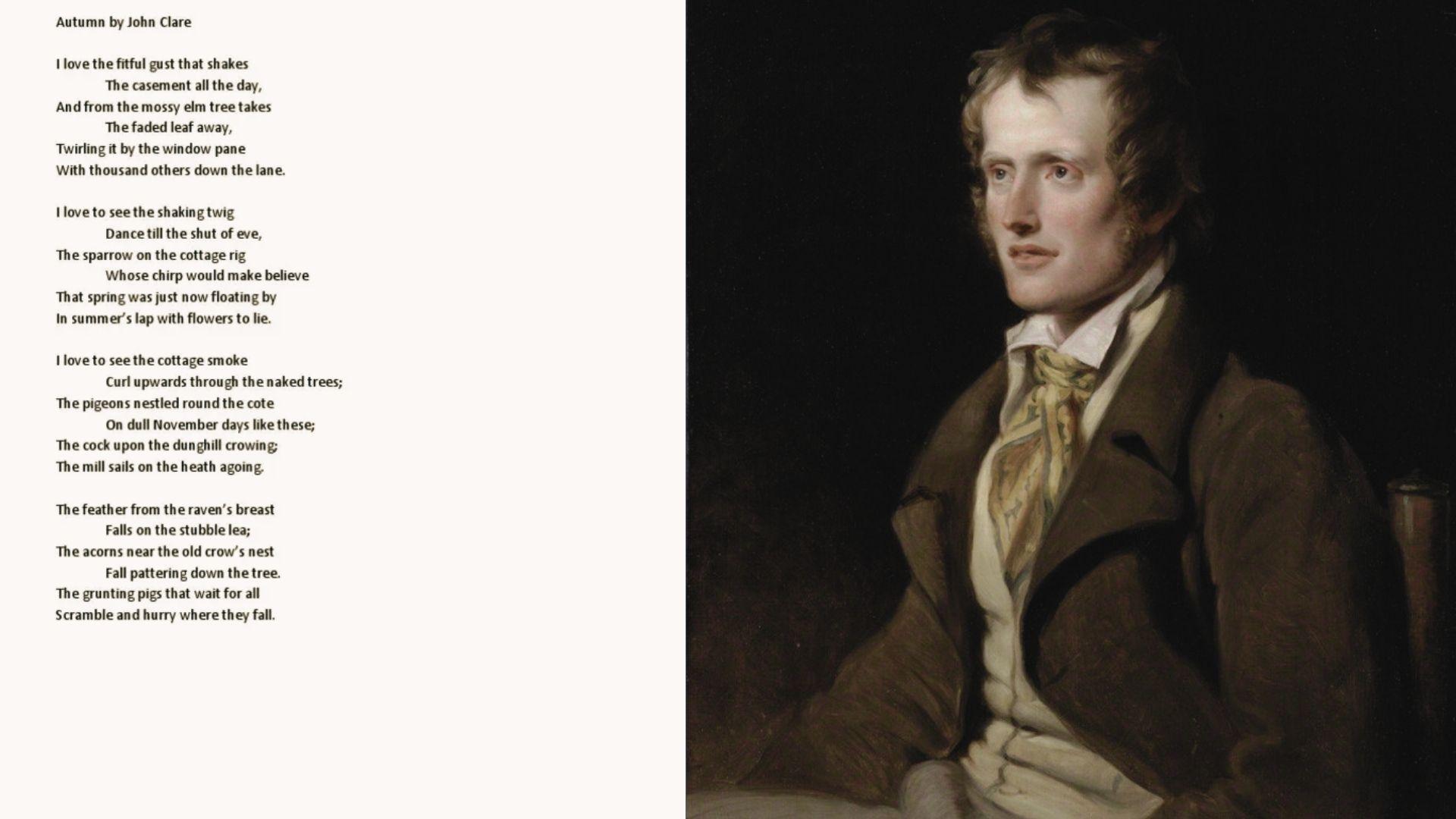
John Clare was a working-class poet who grew up in the English countryside. His autumn poem is full of small, careful details.
He writes about the smell of ripe apples, the sound of the wind, and the look of harvested fields. Clare had a deep love for nature, and it shows in every line. This poem is grounded in real, everyday autumn life.
8. September Midnight by Sara Teasdale
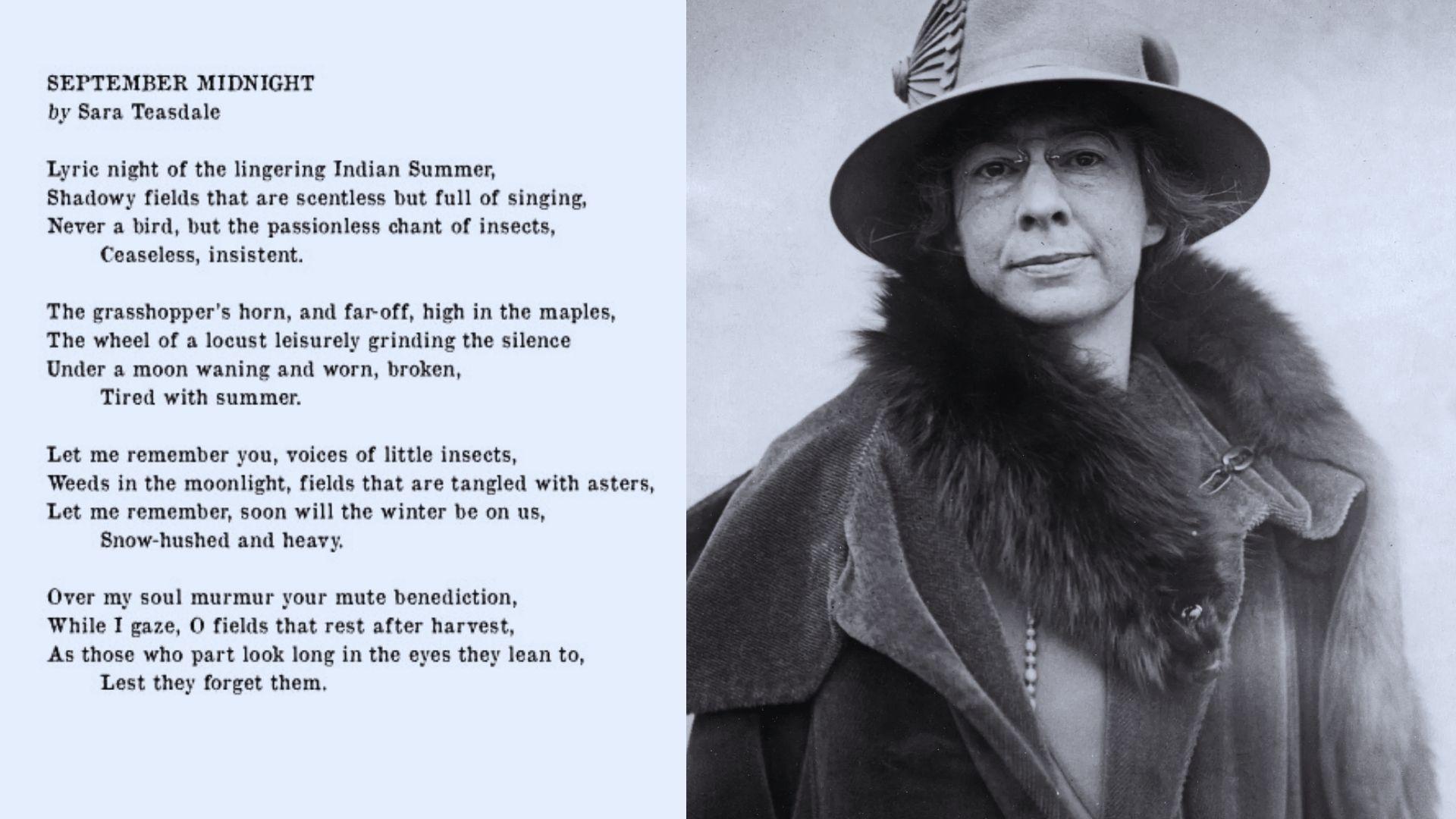
This poem captures a quiet midnight in September. Teasdale looks up at the moon and stars and feels a deep sense of peace.
The air has just started to turn cool. The world feels still. It is a short poem, but it does a lot with very little.
If you have ever stepped outside on a clear fall night and just stood there, this poem will feel familiar.
9. November Night by Adelaide Crapsey
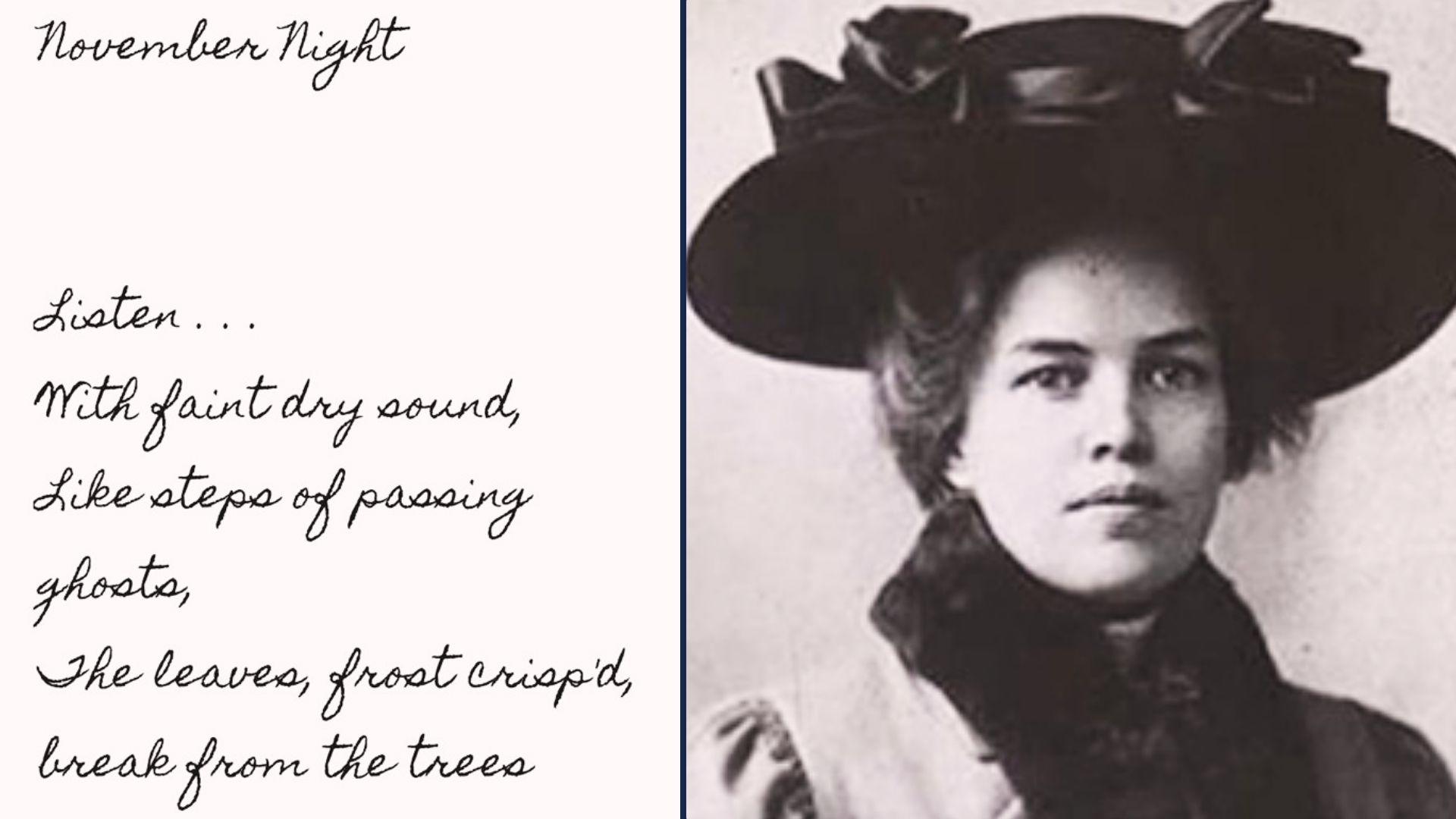
Adelaide Crapsey wrote this poem in a form she created herself called the cinquain. It has five lines with a strict syllable count.
The poem is about listening to leaves fall outside a window at night. It is very short, but the image stays with you.
The falling leaves sound like footsteps in the darkness. It is one of those poems that makes you stop and think.
10. The Beautiful Changes by Richard Wilbur
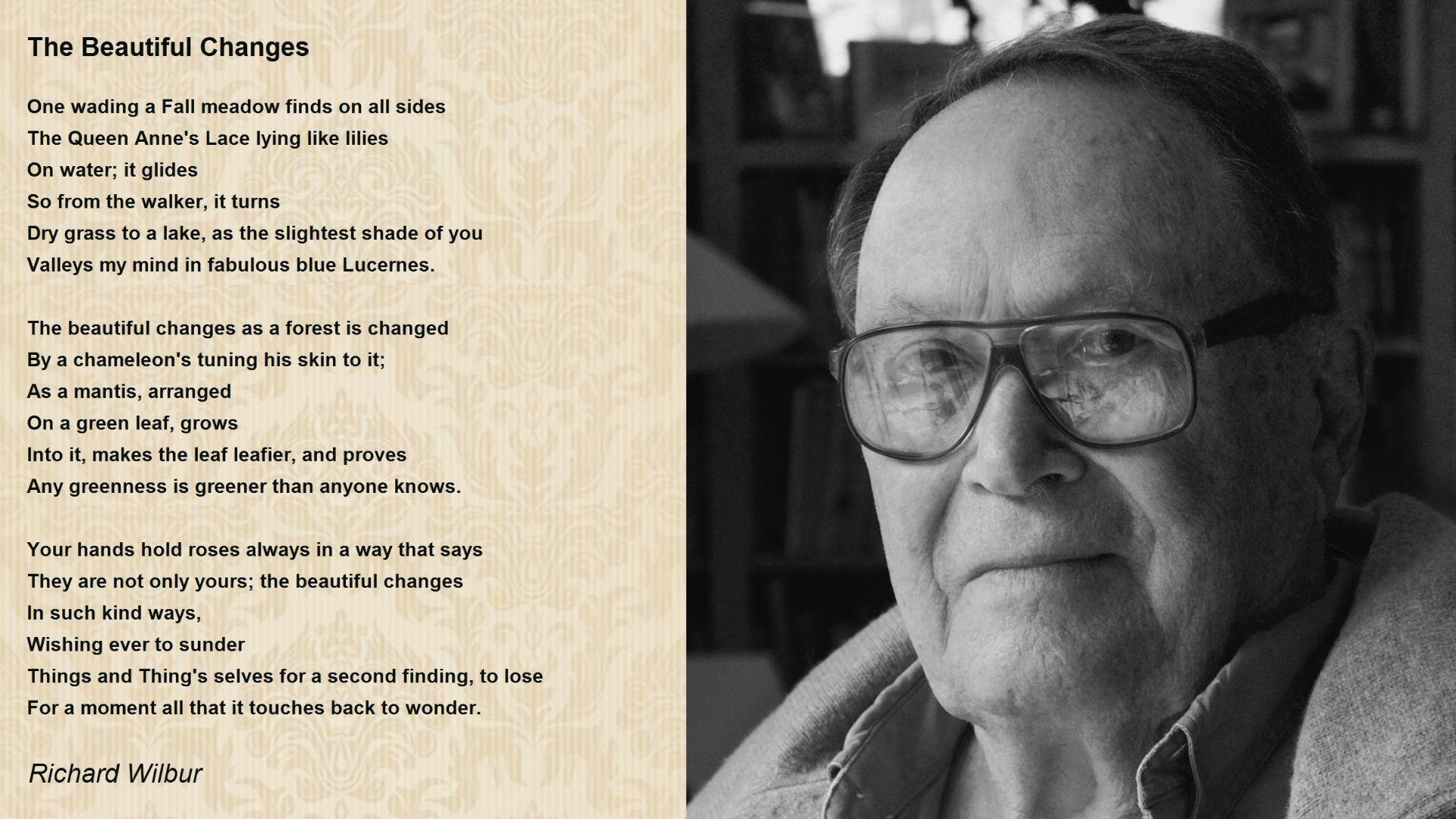
Wilbur plays with the word "beautiful" in this poem. Change can be a beautiful thing, or beauty itself can change everything around it.
He uses autumn as one of his key images. A person walking through fall leaves changes the way the forest looks.
The poem asks you to think about how seeing something closely can shift the way you understand it.
11. End of Summer by Stanley Kunitz
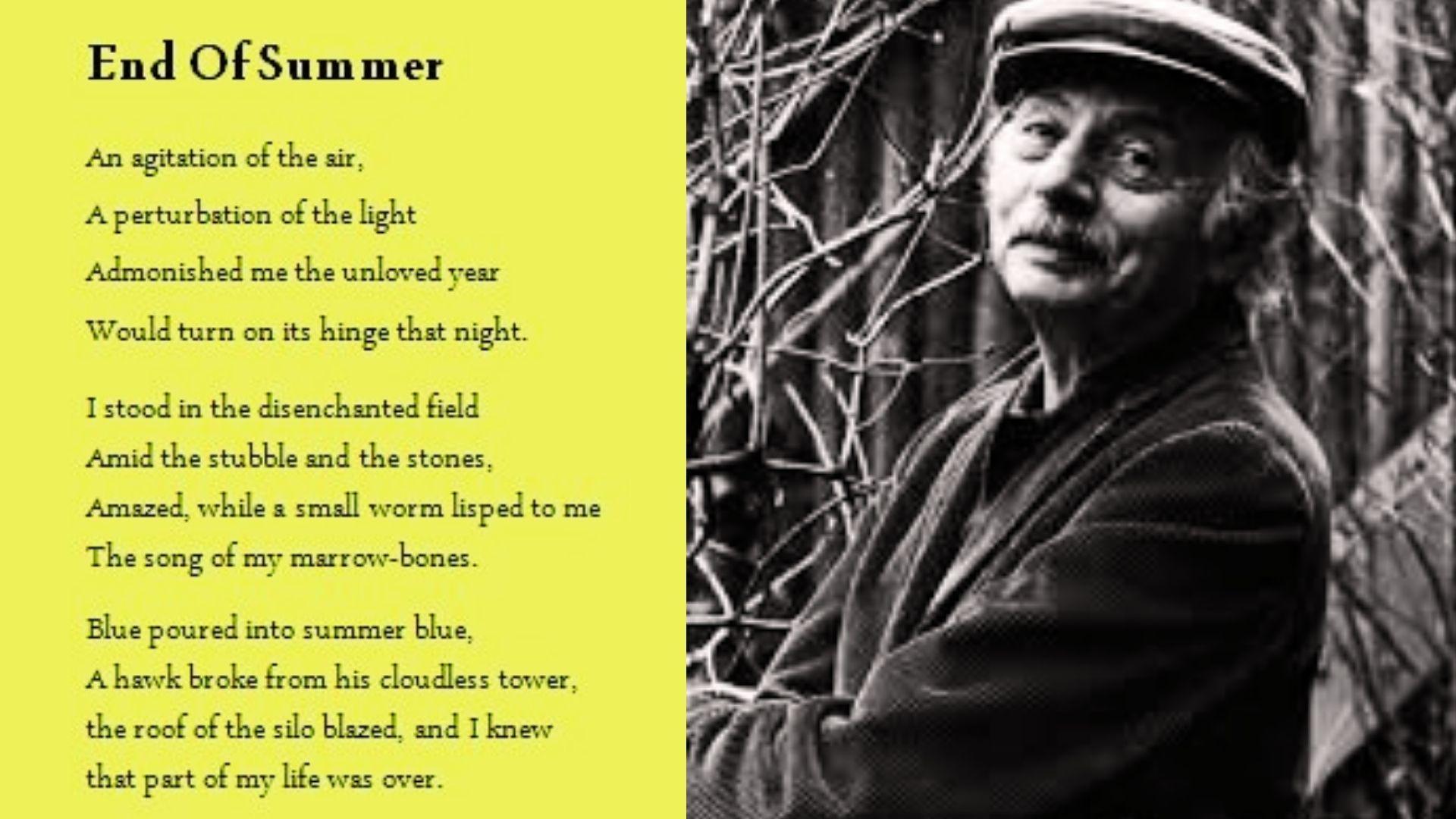
This poem sits right at the border between summer and fall. Kunitz writes about watching the season change and feeling a kind of dread about it.
The warm days are almost gone. The wild geese are heading south. There is a restless feeling in the air.
The poem captures that specific mood of late August or early September when summer is slipping away but has not fully left.
12. Late October by Maya Angelou
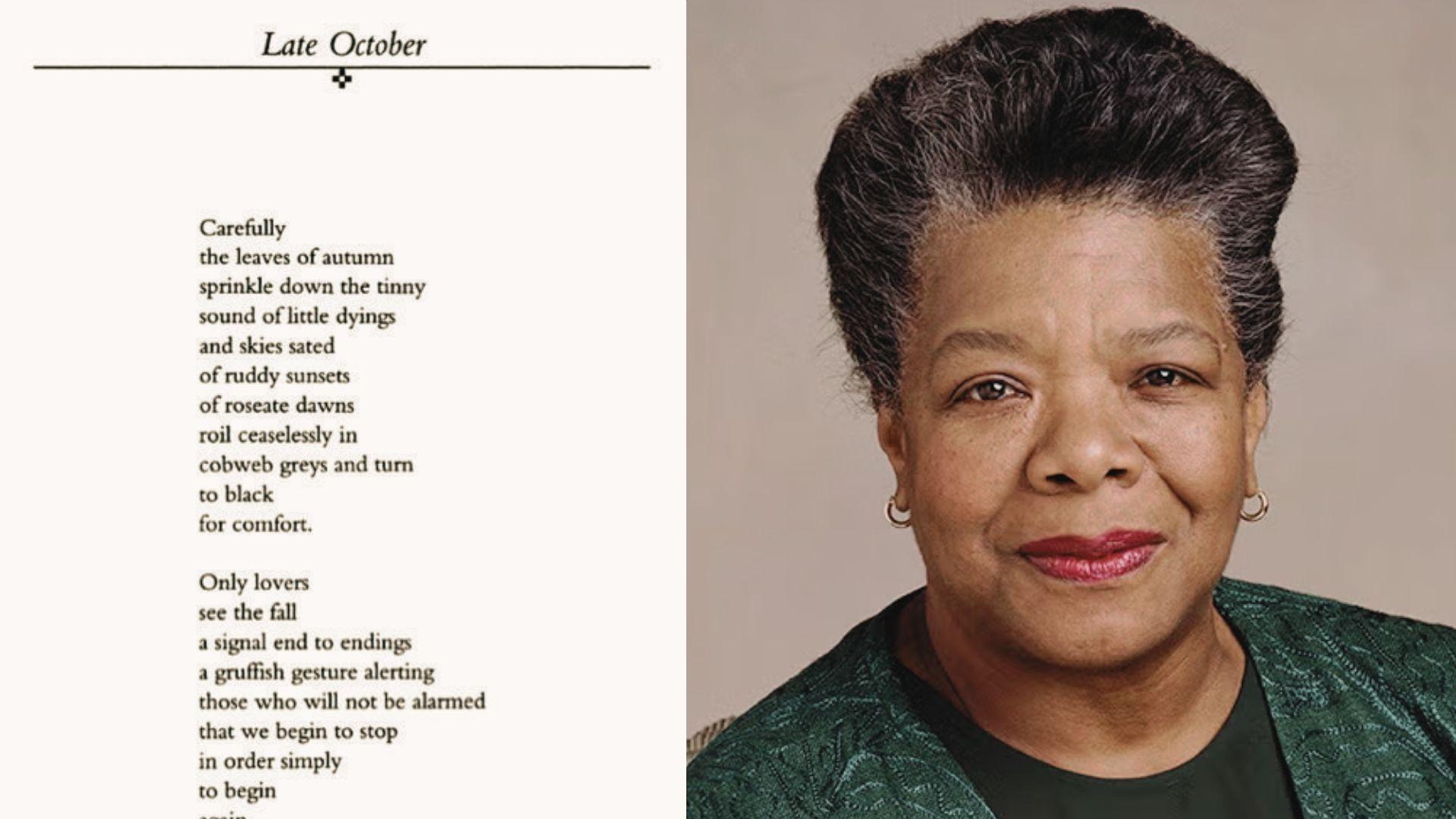
Angelou's fall poem is about remembering someone who has died. She connects the falling leaves to grief and loss. The October setting adds weight to the emotions.
The poem is not long, but it is deeply felt. Angelou had a gift for writing about hard feelings in a way that felt open and honest rather than heavy or dark.
13. Japanese Maple by Clive James
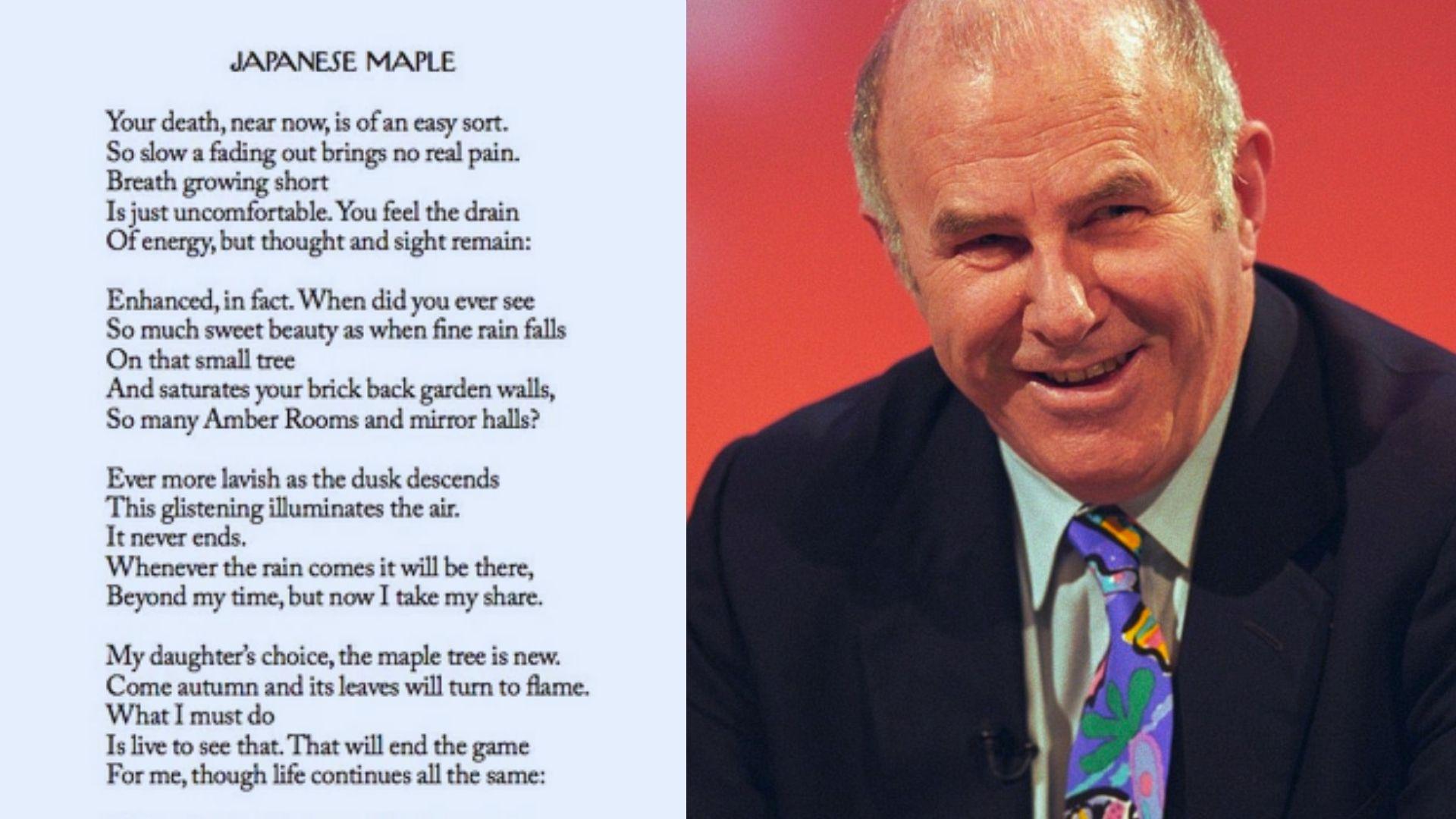
Clive James wrote this poem while he was very ill and did not expect to live through another autumn.
He writes about a small Japanese maple tree in his garden and how he never expected to see it turn red again.
The poem is about gratitude. When you know time is short, ordinary things start to glow. This is one of the most moving fall poems written in recent years.
14. Beyond the Red River by Thomas McGrath
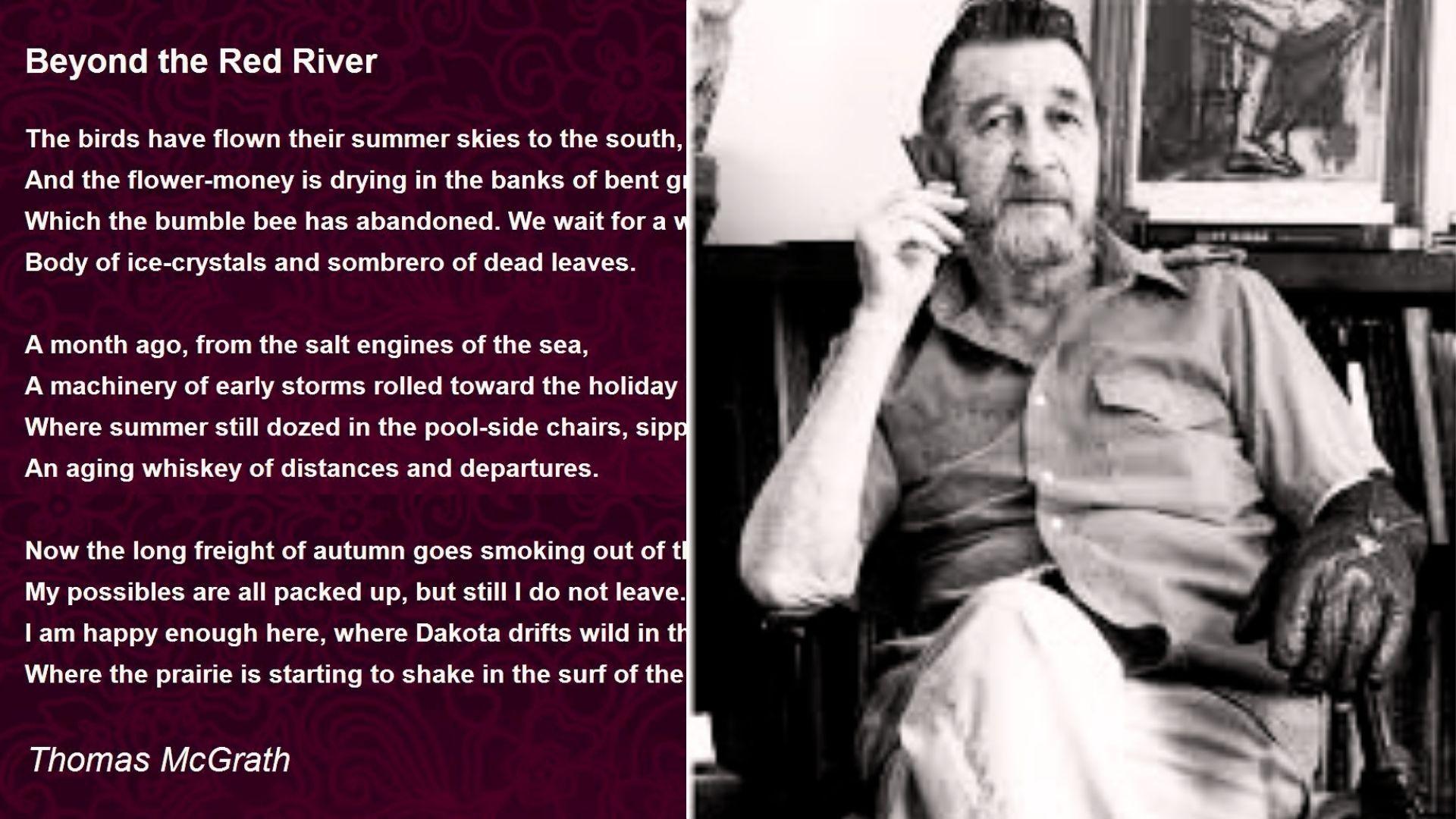
McGrath grew up in North Dakota and his poetry often reflects that flat, open landscape. This poem looks at the Great Plains in autumn. The season feels vast and open, not cozy.
The poem has a longing quality. The speaker seems to be far from home and thinking about what lies beyond the horizon. It is a lesser-known fall poem worth reading.
15. Autumn Song by Dante Gabriel Rossetti

Rossetti's poem is full of feeling. He writes about the season as something that stirs up memory and longing. The leaves and wind become connected to lost love.
The tone is romantic and a little sorrowful. Rossetti was part of the Pre-Raphaelite movement, which valued deep emotion and attention to nature. This poem shows both of those qualities clearly.
16. September Tomatoes by Karina Borowicz
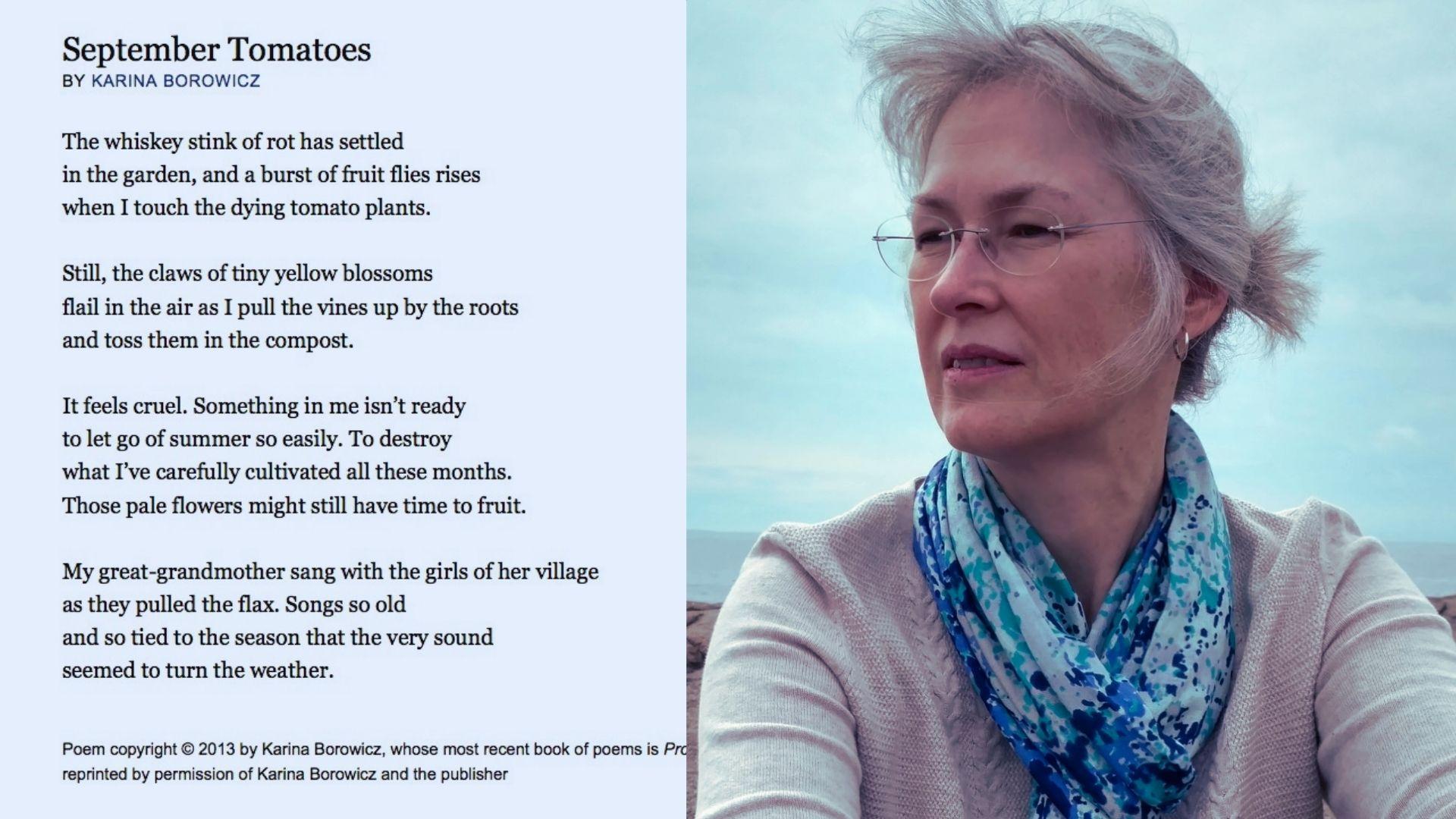
This is a modern poem grounded in a very specific moment:the end of the tomato season. The speaker is pulling up the last of the tomato plants in September. The poem is earthy and real.
It connects the end of the garden season to the passage of time in a quiet way. Borowicz writes about ordinary life with care and attention. This poem feels fresh and true.
17. Neighbors in October by David Baker

Baker's poem is about watching a family next door do ordinary autumn tasks. They rake leaves, carry firewood, and move through their yard in the low October light.
The speaker watches with warmth and a little distance. The poem captures the feeling of community and the comfort of seeing other people living their lives in the fall season.
18. Plums by Gillian Clarke

Clarke's poem looks at the end of the fruit season. The last plums are falling from the tree. They are overripe and the wasps are eating them. The poem has a kind of wild energy.
It is not sad exactly, but it feels very aware of time running out. Clarke is a Welsh poet who writes closely about the natural world. This poem is a strong example of her style.
19. Theme in Yellow by Carl Sandburg
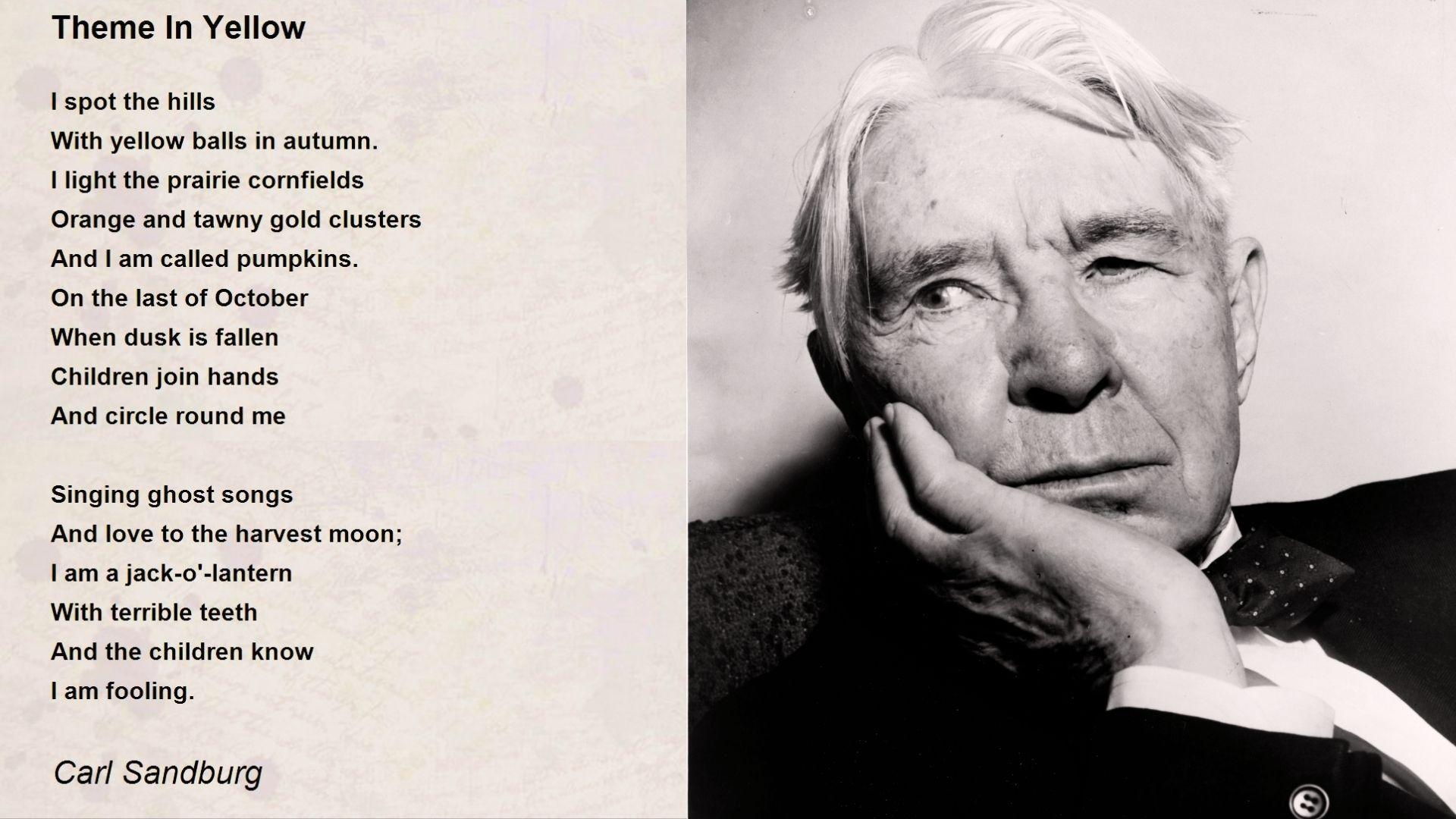
Sandburg writes this poem from the point of view of a pumpkin. It is playful and fun.
The pumpkin talks about sitting in October fields, being yellow and round, and scaring children on Halloween night. The tone is light and joyful.
This poem works well for reading aloud. It captures the festive side of autumn without getting heavy or serious.
20. Song of the Witches by William Shakespeare
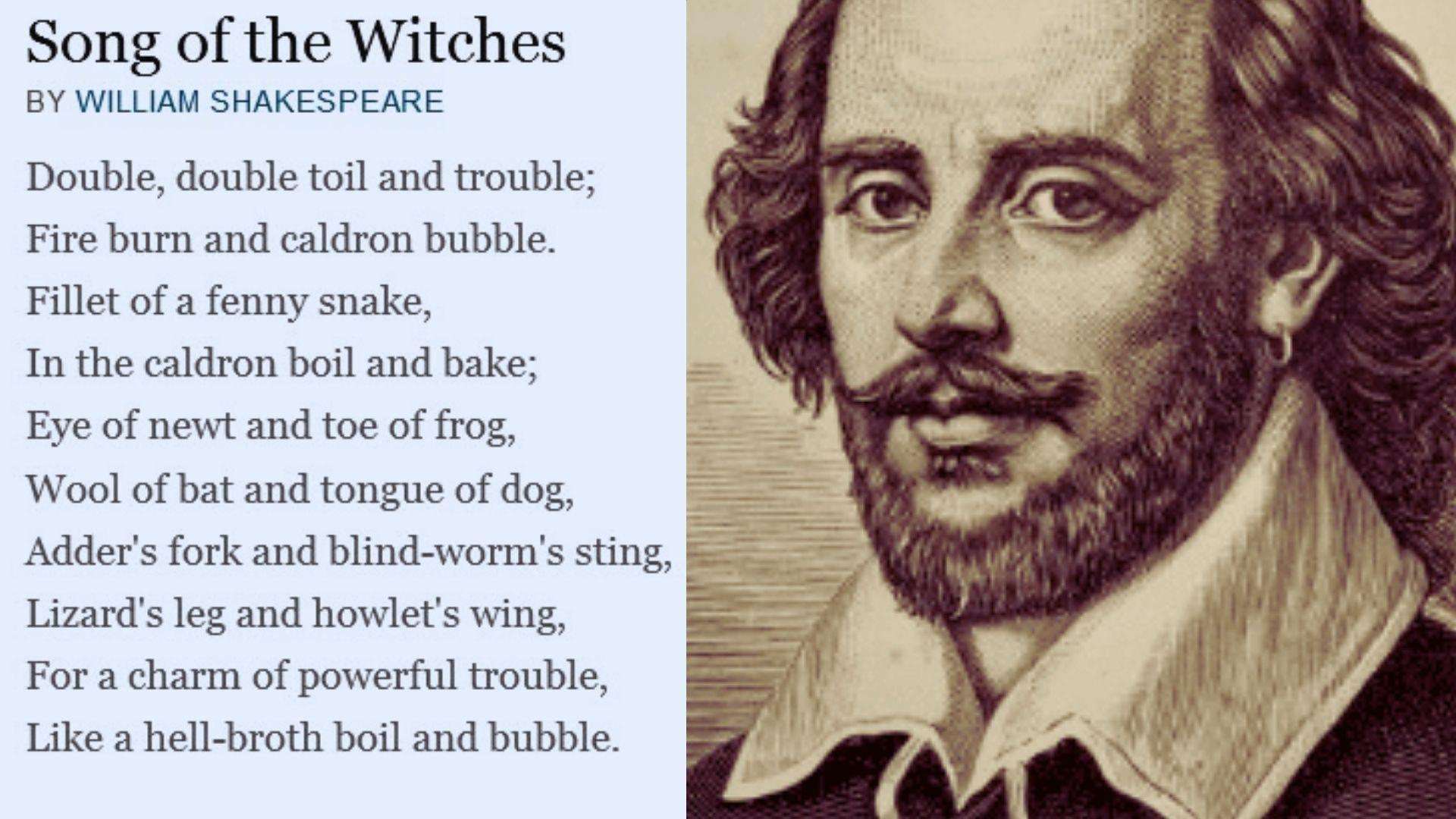
This is the famous "Double, double toil and trouble" chant from the play Macbeth. It is one of the most well-known pieces of Halloween and autumn writing in the English language.
The witches stir their cauldron and add strange ingredients. The rhyme and rhythm make it feel almost like a song. It is a great poem to read in October when the nights are long and dark.
21. For the Chipmunk in My Yard by Robert Gibb

This poem watches a chipmunk gathering food before winter. The small animal moves fast and with purpose. It knows winter is coming even if it cannot say so. The speaker looks at the chipmunk with real affection.
The poem turns something very ordinary into something worth pausing over. It is a quiet, sweet way to close a list of fall poems.
Short Fall Poems for Quick Reading

Short fall poems offer a quick way to feel the season without reading for a long time.
Best Short Fall Poems
Short fall poems can hold just as much feeling as long ones. A few well-chosen lines can bring autumn right into the room.
Some of the best short fall poems include "Nothing Gold Can Stay" by Frost, "November Night" by Crapsey, and "September Midnight" by Teasdale.
Each one takes less than a minute to read. But the images stay with you for much longer.
Short Simple Fall Poems for Beginners
If you are new to reading poetry, simple fall poems are a great place to start. Look for poems with plain language and clear images. Stevenson's "Autumn Fires" is a good example.
Sandburg's "Theme in Yellow" is another. These poems do not require any background knowledge.
They say what they mean in a straightforward way, and that makes them easy to enjoy right away.
Conclusion
Fall poems have a way of making you stop and notice the world around you. I still remember reading Keats for the first time on a cool October morning. It felt like the poem was written just for that moment.
Pick one poem from this list and read it outside this week. You might be surprised how much it changes your day.
Which fall poem is your favorite? Drop it in the comments below and share this post with someone who loves autumn as much as you do.
Frequently Asked Questions
What is the most famous fall poem ever written?
"To Autumn" by John Keats is widely considered the most famous fall poem. It captures the richness of the season in a way that has moved readers for over 200 years.
Which fall poems are best for kids?
"Theme in Yellow" by Carl Sandburg and "Autumn Fires" by Robert Louis Stevenson work really well for kids. Both use simple words, fun images, and a light tone that young readers enjoy.
Can fall poems be used in a classroom?
Yes, fall poems are a great fit for classrooms at any grade level. They help students build reading skills while connecting with nature and the changing season around them.
Why do so many poets write about autumn?
Autumn naturally brings up feelings of change, memory, and passing time, which are themes poets love to write about. The visual richness of the season also gives writers a lot of strong images to work with.
How can I start enjoying poetry if I am new to it?
Start with short, simple fall poems like those by Frost or Stevenson and just read them slowly. You do not need to analyze anything. Just notice what you feel and what images stand out to you.