


I picked up Demon Copperhead expecting a good read. What I got stuck with me for weeks.
This book is raw, honest, and painfully real. Barbara Kingsolver tells the story of a boy born into hardship in Appalachia, and she holds nothing back.
In this Demon Copperhead summary, I’ll cover the full plot, key themes, character breakdowns, and why this book still matters today.
I’ve read and written about dozens of literary fiction titles. This one earns every award it receives.
Let me show you exactly why.
Book Overview
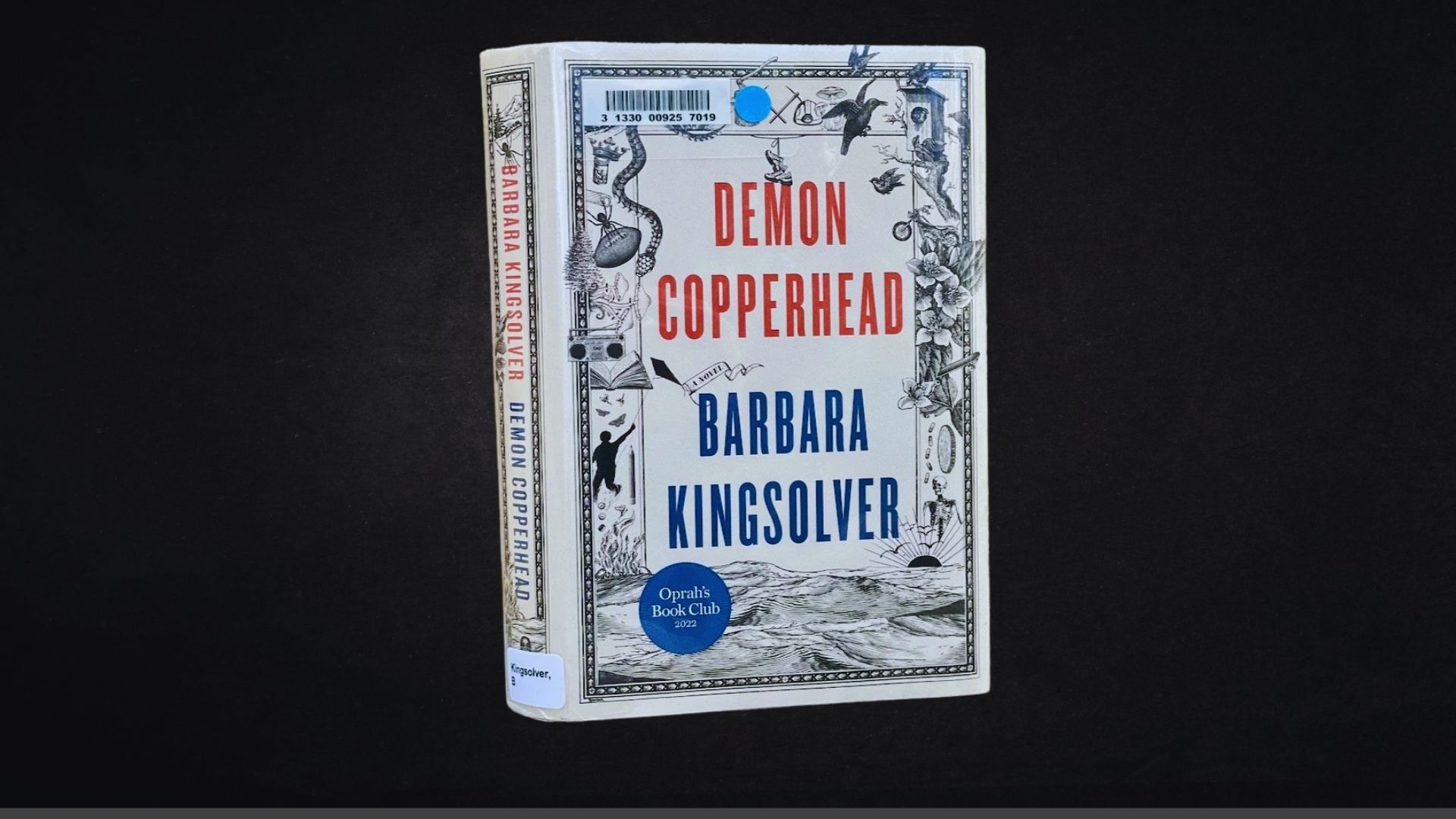
Demon Copperhead is a 2022 novel by Barbara Kingsolver. It retells Charles Dickens’ David Copperfield but places it in modern-day Appalachian Virginia.
The story follows Damon Fields, a red-haired boy nicknamed Demon, as he grows up in poverty, moves through foster care, and battles the opioid crisis destroying his community.
Kingsolver uses Demon’s voice to show how broken systems trap people in cycles of pain. The book won the Pulitzer Prize for Fiction in 2023.
Demon Copperhead Plot Summary
Demon is born to a teenage single mother in a Lee County trailer in Southwest Virginia. His father is already dead.
From birth, the odds are stacked against him. After his mother remarries, her abusive husband takes over, and Demon’s life spirals fast.
When his mother dies of an overdose, Demon enters foster care. He bounces between homes, some neglectful, some far worse.
A brief period of hope comes through football, where his talent catches attention. But a bad injury leads to prescription painkillers, and soon Demon is hooked.
He loses years to addiction, watches friends die, and slowly finds his way back through art and storytelling. The ending is hard-won and real.
Major Themes in Demon Copperhead
This novel carries the weight of real-world issues. Here’s what you need to know.
Poverty and Systemic Failure
Demon doesn’t fail because he’s weak. He fails because every system around him fails first. Foster care, schools, and social services are all broken or indifferent.
Generational hardship is the main engine of this story. The region has been overlooked for decades, and this novel makes that impossible to ignore.
Addiction and Exploitation
Big pharma pushed pills into communities like Demon’s, knowing full well what would happen. Kingsolver makes one thing clear: the system set the trap.
Demon’s addiction isn’t a moral failing. It’s the predictable result of broken healthcare and corporate greed working side by side against people with no safety net.
Resilience and Self-Discovery
Demon’s voice is funny, sharp, and self-aware even when everything is falling apart. He uses humor as armor and art to process pain.
The novel argues that storytelling is survival. His ability to narrate his own life, even at its worst, is what keeps him human through all of it.
Modern Retelling of a Classic
Demon and David Copperfield are both orphaned, exploited, and saved through creative work. But Demon’s story feels urgent in a way Dickens couldn’t have planned.
The opioid crisis and foster system failures make this retelling feel ripped from today’s headlines. It’s Dickens, with a crisis hotline attached.
Character Analysis
Every character in this book is layered, flawed, and unforgettable.
Demon (Damon Fields)
Demon is smart, sarcastic, and deeply vulnerable all at once. He sees the world clearly but can’t always save himself from it.
His voice is funny when things are dark and raw when they hit hardest. He’s not a classic hero, just a kid trying to survive a world that never made room for him.
Supporting Characters
His mother is loving but lost, trapped by addiction and bad choices. Foster families range from indifferent to exploitative. Friends like Maggot bring dark humor to heavy sections.
Romantic interests show Demon’s capacity for love. Antagonistic forces, pill mills, negligent caseworkers, abusive guardians, represent a system built to keep people like Demon down.
Writing Style and Narrative Voice
Kingsolver writes Demon’s voice in first person, and it’s one of the sharpest decisions in the novel.
The language is regional and real, it doesn’t clean up Appalachian speech for outside readers. Sentences go short when the Demon is scared.
They stretch out when he’s feeling something. The prose has rhythm without being showy. It feels lived-in and honest.
Kingsolver uses Demon’s storytelling instinct as both plot device and emotional core, making the act of writing feel like survival.
Awards and Critical Reception
This book didn’t just win awards, it earned them.
Awards: Pulitzer Prize for Fiction (2023), co-winner alongside Trust by Hernan Diaz.
Goodreads: Rated 4.26 out of 5 stars with over 300,000 ratings, one of the highest-rated literary fiction books of 2022.
Amazon: 4.7 out of 5 stars, with thousands of reviews praising its emotional depth and fearless writing.
One thing reviewers kept saying: this book doesn’t let you look away, and it’s not supposed to.
Why Demon Copperhead Matters Today
The opioid crisis has killed hundreds of thousands of Americans. Most of them came from communities just like Demon’s.
This book puts a face on that number. It asks hard questions about who we hold responsible, the person who became addicted, or the system that handed them pills.
It forces readers to look at poverty not as a character flaw but as a structural problem. In a time when rural communities are still being overlooked, this novel makes the invisible visible.
Who Should Read This Book?
Read this if you love literary fiction that doesn’t sugarcoat reality. It works for readers who want to feel something beyond just following a plot.
It’s a strong pick if you or someone you love has been touched by addiction, or if you’re interested in Appalachian culture, rural poverty, or the opioid crisis.
And if you ever read David Copperfield and wished it hit harder, this is that version. Raw, real, and worth every page.
About the Author

Barbara Kingsolver was born in 1955 and grew up in rural Kentucky. She studied biology at DePauw University and earned a master’s degree from the University of Arizona.
Before writing full-time, she worked as a scientist and technical writer. She’s best known for The Poisonwood Bible, Prodigal Summer, and Flight Behavior, all focused on nature, justice, and human struggle.
She lives on a farm in Virginia, close to the communities she wrote about in this book. Her writing has always been political without being preachy.
Demon Copperhead is her most powerful work yet.
Conclusion
I almost put this book down in the first three chapters. It hit too close. But I stayed with it, and I’m genuinely glad I did.
The Demon Copperhead summary I’ve shared here covers the big picture. But there’s a whole other layer you only get by reading it yourself.
Kingsolver wrote something rare: a story that’s both deeply personal and wildly important.
If this post helped you, drop a comment below. I’d love to hear your thoughts on the book. And if you want more summaries like this, check out the rest of the blog.
Frequently Asked Questions
What is Demon Copperhead based on?
It’s based on Charles Dickens’ David Copperfield, moved to modern Appalachian Virginia. Kingsolver swaps the Victorian setting for the opioid crisis, foster care failures, and rural poverty.
Is Demon Copperhead a true story?
No, it’s fiction. But the opioid epidemic and conditions Demon lives in are very real. Only the characters are invented.
How long is Demon Copperhead?
560 pages. The pace moves well though, Demon’s voice keeps you reading even through the hardest parts.
Did Demon Copperhead win any awards?
Yes. It won the Pulitzer Prize for Fiction in 2023, shared with Hernan Diaz’s Trust, plus wide critical praise.
Is Demon Copperhead appropriate for teens?
It’s written for adults. It covers addiction, abuse, and neglect in real detail. Fine for mature readers, but parents should review it first.