


Alt text:A computer setup featuring multiple monitors alongside a laptop on a desk.
When I first looked into data science courses, I had no idea where to start.
There were bootcamps, degrees, certifications, and short courses all promising different things. It was a lot to take in.
And the one question I kept coming back to was: how long is this actually going to take?
If you are asking the same thing right now, you are in the right place. This guide covers every type of program, how long each one takes, and how to figure out which one fits your life.
What Is the Average Data Science Course Duration?
Data science course duration depends heavily on the type of program you choose. A short online course can wrap up in 2 to 3 months. A full degree program can take up to 4 years.
So, there is no single fixed timeline.
Your pace, goals, and program format all play a role. Some people finish faster through bootcamps. Others take a slower, more structured academic route. It really comes down to what works best for you.
Data Science Course Duration by Program Type
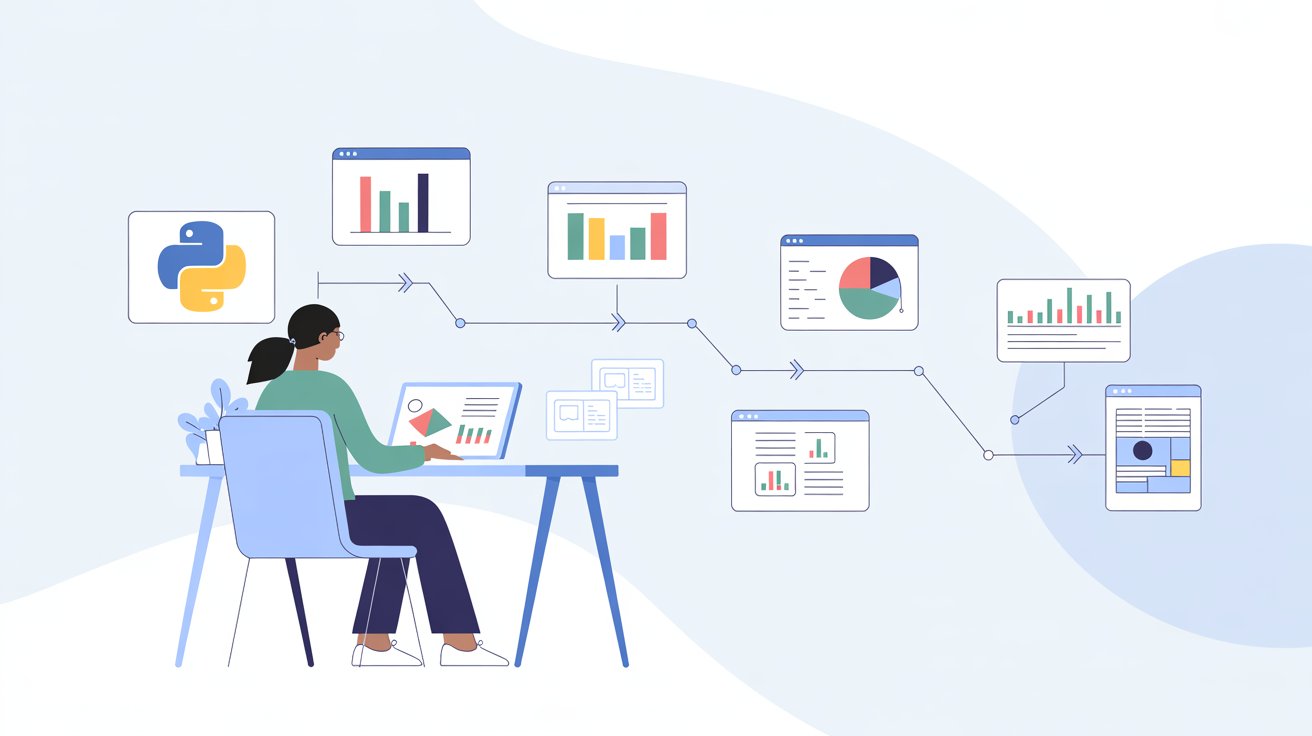
Not all data science programs are built the same. The duration changes based on the type of course you pick and how deep you want to go.
Bootcamps (3–6 Months)
Bootcamps are fast and intense. You cover a lot of ground in a short time. They are great for career switchers who want results quickly. Most bootcamps include real projects, so you leave with something solid to show employers.
Certification Courses (4–12 Months)
These work well for beginners and intermediate learners. Most are online, so you can study around your job or other commitments. Many are offered by Google, IBM, and Microsoft, which adds real value to your resume.
Online Short Courses (4–8 Weeks)
Short courses focus on one skill at a time. Platforms like Coursera and edX offer these as bite-sized modules. You can stack a few over time to gradually build a strong skill set.
Postgraduate Diplomas (10–18 Months)
These are built around industry needs. You get a good mix of theory and practical work without the time or cost of a full degree. Many programs include live projects or case studies too.
Bachelor’s Degree (3–4 Years)
This is the most thorough route. You build a strong base in data science, math, and programming. It takes longer, but it opens more doors in terms of job roles and pay.
Master’s in Data Science (1.5–2 Years)
A master’s goes deep into advanced topics, real projects, and internships. It is ideal if you already have a background and want to specialize. Strong industry connections in most programs also help with job placement.
Data Science Course Duration by Skill Level

Your current skill level plays a big role in how long your learning will take. Here is a simple breakdown to help you figure out where you stand.
Beginner Level (2–3 Months)
This is where most people start. You learn the basics like Python, data analysis, and how to visualize data. The concepts are not too heavy, so the learning curve is manageable. Two to three months is usually enough to get a solid grip on the fundamentals.
Intermediate Level (7–18 Months)
At this stage, things get more technical. You start working with machine learning, statistics, and data modeling. It takes longer because the concepts need more practice to actually sink in. Most learners spend anywhere from seven months to a year and a half here.
Advanced Level (18–48 Months)
This is where you go deep into areas like deep learning, AI, and big data technologies. The range is wide because everyone moves at a different pace.
Some go through structured programs, others learn through work and projects. Either way, reaching this level takes time and consistent effort.
Full-Time vs Part-Time Data Science Programs
The format you choose affects how long your course will take. Full-time programs are faster but demand more focus, while part-time options give you flexibility at the cost of extra time.
Full-Time Programs (6–24 Months)
Full-time programs move fast. You are fully committed, which means you cover more ground in less time.
These work best if you can dedicate your days completely to learning without the distraction of a job. The intensity is high, but you finish quicker and can get into the job market sooner.
Part-Time Programs (12–36 Months)
Part-time programs are built for people who are already working. You study on your own schedule, usually on evenings or weekends.
It takes longer to finish, but you do not have to give up your income while learning. A practical option for professionals who want to upskill without stepping away from their careers.
How Long Does It Take to Become Job-Ready in Data Science?

Most people become job-ready in about 6 to 12 months. But finishing a course alone is not enough. Employers want to see real work.
Building projects, working with actual datasets, and doing internships makes a big difference. These things show that you can apply what you have learned.
The more hands-on experience you stack up, the stronger your profile looks to hiring managers.
Factors That Affect Data Science Course Duration
- Prior Knowledge (Math, Programming): A background in math or programming helps you move faster. Beginners take more time to get comfortable with the basics.
- Learning Mode (Online vs Offline): Online programs let you set your own pace, which can stretch the timeline. Offline programs follow a fixed schedule and keep you on track.
- Time Commitment (Hours per Week): More hours per week means faster progress. Simple as that.
- Career Goals (Analyst vs Data Scientist): A data analyst role takes less time to prepare for than a full data scientist role. Your target job shapes how long you need to study.
Which Data Science Course Duration Is Right for You?
The right program depends on where you are in life right now. Students with time on their hands do well with full degree programs.
Working professionals are better off with part-time or online courses that fit around their schedule.
Career switchers who need results fast should look at bootcamps or certification courses. Match the format to your situation and the timeline will follow naturally.
Conclusion
I have seen people spend months choosing the “perfect” course instead of just starting. The truth is, there is no perfect timeline.
A boot camp worked for some. A degree worked for others. What matters is picking something that fits your life and actually sticking with it.
Start small if you need to. Build projects. Get hands-on. That is what gets you hired.
Ready to take the first step? Find a program that matches your goals and start today.
Frequently Asked Questions
How long does a data science course take?
It depends on the program type. Short courses take 4 to 8 weeks, while full degree programs can take up to 4 years.
Can I learn data science in 3 months?
Yes, but only the basics. A 3-month bootcamp or short course gives you a solid starting point, not a complete skill set.
Which data science course is best for working professionals?
Part-time or online certification courses work best. They fit around your schedule and do not require you to quit your job.
Do I need a degree to get a job in data science?
Not always. Many employers care more about your skills and projects. A strong portfolio can matter more than a formal degree.
How many hours a week should I study data science?
At least 10 to 15 hours a week is a good starting point. The more consistent you are, the faster you will see real progress.


