

I picked up Commonwealth on a quiet Sunday afternoon and did not put it down until it was dark outside.
Commonwealth by Ann Patchett does not let you go easily. One party. One kiss. And two families are never the same again.
In this blog, I will walk you through everything, the plot, the themes, the characters, and what makes this book worth your time.
I have covered it all so you do not have to guess what you are getting into.
With years of reading literary fiction, I can tell you this one stays with you long after the last page.
Let me show you exactly what this book is about.
Quick Book Overview
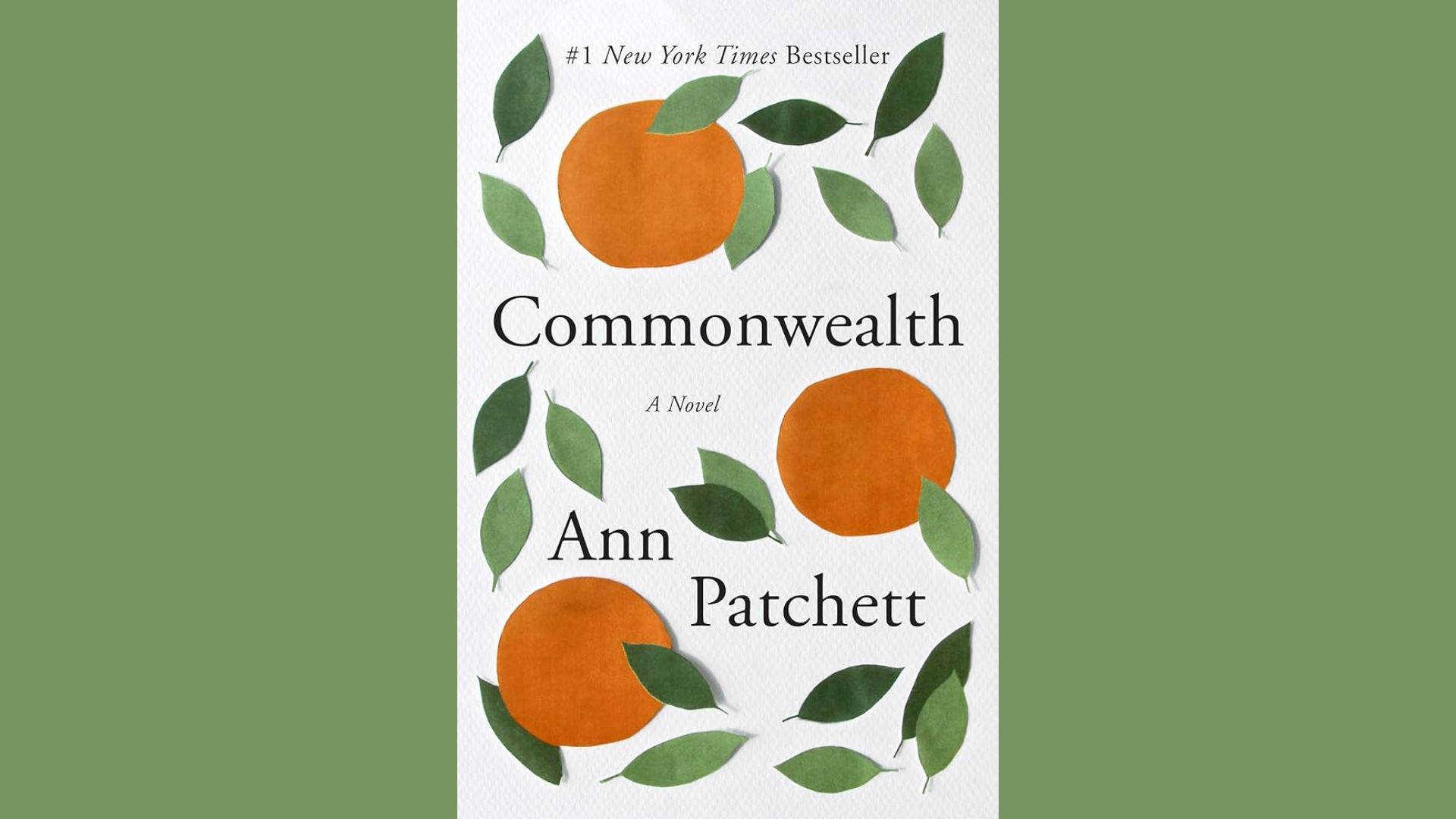
Commonwealth opens at a christening party in 1960s California, where a single impulsive kiss between Bert Cousins and Beverly Keating sets off a chain of events that changes everything.
Two marriages fall apart. Two families with six children are pushed together into one complicated, messy unit.
The story then moves across five decades, shifting between California and Virginia, following these characters as they grow up, fall apart, and try to make sense of what happened.
Ann Patchett tells this story out of order, with no single hero at the center.
Instead, she focuses on the quiet emotional weight of family life and how one moment can shape an entire generation.
Commonwealth Book Summary(Spoiler-Free)
Commonwealth by Ann Patchett begins with one impulsive kiss at a 1960s California christening party.
That single moment unravels two marriages and pushes six children into a shared, complicated life across two coasts.
The story spans five decades, moving quietly through memory, loss, and the bonds that form between people who never chose each other.
Patchett does not chase drama. She follows the emotional truth of ordinary family life instead.
If you have ever wondered how one afternoon can shape an entire generation, this book answers that question slowly, honestly, and beautifully.
Major Themes in Commonwealth
This book is not about big events. It is about the slow, quiet weight of choices and how they follow you for decades.
Family and Blended Households
Blended families look simple from the outside. Inside, they are anything but. The Commonwealth shows bonds that go beyond biology.
six children sharing a life but carrying very different wounds. Patchett captures what gets passed down emotionally, even when no one means to pass it on.
Consequences of a Single Moment
One kiss at a party. That is all it takes. Patchett spends the entire novel showing how that one impulsive action sends ripples across decades.
No one in this story escapes it. Every relationship, every choice, every loss traces back to that afternoon in California.
Memory vs. Reality
Whose version of the story is actually true? The Commonwealth keeps asking that question. Different characters remember the same events in completely different ways.
Patchett does not give you a clean answer. She lets the tension sit, because that is how real families work.
Storytelling and Ownership
Can you take someone else’s life and turn it into art? One character writes a novel based on the family’s story, and it forces everyone to confront that question.
Patchett digs into the ethics of fiction, who gets to tell the story, and at what cost.
Main Characters
You do not need to love these people. You just need to recognize them.
1. Bert Cousins
Bert is the man who started it all with a single thoughtless act. He is charming in a way that makes him dangerous.
He does not think through consequences. Patchett does not let him off the hook, but she does not make him a villain either.
He is just a man who made a choice that was too big for him.
2. Beverly Keating
Beverly is sharp, perceptive, and deeply tired. She marries Bert after the fallout, but that does not mean she is happy.
She carries the weight of what her family lost. Patchett writes her with a kind of quiet dignity that makes her one of the most compelling figures in the book.
She did not choose this life. But she carried it without complaint.
3. Franny Keating
Franny is Beverly’s daughter, and in many ways, she is the heart of the novel.
She grows up caught between two families and two coasts. Her relationship with the writer Leon Posen becomes the thread that pulls the whole story into the open.
I found myself rooting for her most.
4. Leon Posen
Leon is an older, well-known novelist who falls into a relationship with Franny.
He listens to the stories she tells about her family, and then he uses them. He represents the complicated power of a writer who treats real lives as material.
Some people share their story in trust. Leon turns that trust into a book deal.
Writing Style and Narrative Structure
Ann Patchett does not follow a straight line. Commonwealth moves back and forth through time, dropping you into different decades without warning.
It is character-driven, not plot-driven, so if you are looking for twists and dramatic moments, this is not that book. What you get instead is emotional truth.
Patchett writes dialogue that sounds like real people talking. She builds tension through small gestures and loaded silences, not arguments or breakdowns.
The focus is always on how people feel, not what they do. That restraint is exactly what makes the book powerful.
Publication Details
Here is a quick look at the basics before you add this one to your reading list.
- Title: Commonwealth
- Author: Ann Patchett
- Published: 2016
- Genre: Literary Fiction, Family Drama
- Setting: California and Virginia
- Publisher: Harper
Now that you know what you are picking up, let us get into what makes this book worth your time.
Goodreads and Amazon Ratings
Readers across the world have a lot to say about the Commonwealth, and most of it is good.
Goodreads Rating: 3.8 out of 5 stars. People praise the emotional honesty and Patchett’s restrained, precise writing style.
Some found the non-linear structure hard to follow, but most loved the depth of the characters and the realism of the family dynamics.
Amazon Rating: 4.4 out of 5 stars on. Readers highlight how the story stays with them long after they finish it.
Book club members especially appreciate how much there is to discuss, from the blended family tensions to the ethics of storytelling.
Why Readers Love It
Readers keep coming back to this book because it feels real, not dramatized, not polished into something false.
Strengths
Patchett builds characters that feel fully real, with contradictions, history, and wounds. Nothing in this book is exaggerated.
The grief and love both land with care. And unlike most books, the blended family here is shown in its honest, complicated, ordinary truth.
Criticism and Limitations
The pacing is slow and the non-linear structure can feel confusing at first. Some readers struggle to track characters across time.
There is no mystery, no crisis, no driving plot. It is entirely character-led, and that will not work for everyone.
My Personal Opinion After Reading This Book
I did not expect this book to stay with me as long as it did. It does not have a neat ending or a clear lesson.
But a week later, I was still thinking about the kids in that story, what they carried and never put down. That is the mark of a book that does something right.
Who Should Read This Book:
- Enjoy literary fiction that focuses on character over plot
- Have personal experience with divorce, blended families, or complicated family ties
- Like stories told out of order that reward your patience
- Appreciate quiet, restrained writing that trusts you to feel things without being told how
- Are a fan of authors like Maggie O’Farrell or Claire Keegan
If any of those sound like you, Commonwealth will not disappoint.
About the Author

Ann Patchett was born in 1963 and has built a career writing literary fiction that puts relationships and moral questions at the center.
She is best known for Bel Canto and The Dutch House, both of which earned widespread critical praise.
Her writing often circles around what families owe each other, what loyalty really means, and how emotional consequences ripple forward through time.
Beyond writing, Patchett co-owns Parnassus Books, an independent bookstore in Nashville, which has become a model for how independent bookstores can survive and grow.
She is one of the most respected voices in American literary fiction, and Commonwealth sits firmly in the best of her work.
Conclusion
Commonwealth is not a fast read. It is not an easy one either. But it is an honest one, and honest books are always worth your time.
I came away from this one thinking about family, choices, and the quiet damage we pass on without meaning to.
That feeling stayed with me for days. Drop a comment below and tell me your thoughts.
Already a fan of Patchett? Check out our other literary fiction reviews and find your next read today.
Frequently Asked Questions
What is Commonwealth by Ann Patchett about?
Two families are changed forever by one impulsive kiss at a 1960s christening party.
Is Commonwealth a difficult book to read?
No, the writing is clear and easy to follow once you adjust to the structure.
Does the Commonwealth have a happy ending?
No, it ends honestly, not neatly.
How long does it take to read Commonwealth?
Most readers finish it in four to six hours.
Is Commonwealth based on a true story?
It is fiction, but loosely inspired by Patchett’s own family background.