


I picked up All the Broken Places not knowing what to expect.
I had read The Boy in the Striped Pyjamas years ago, and the idea of revisiting that world through Gretel’s eyes felt both exciting and heavy.
In this blog, I share a full review, the plot, the characters, the themes, and my honest personal opinion. I’ve read this book cover to cover, so you get a real take, not a summary.
I’ll tell you who should read it, what works, and what doesn’t. No fluff. Just the truth.
Book Overview
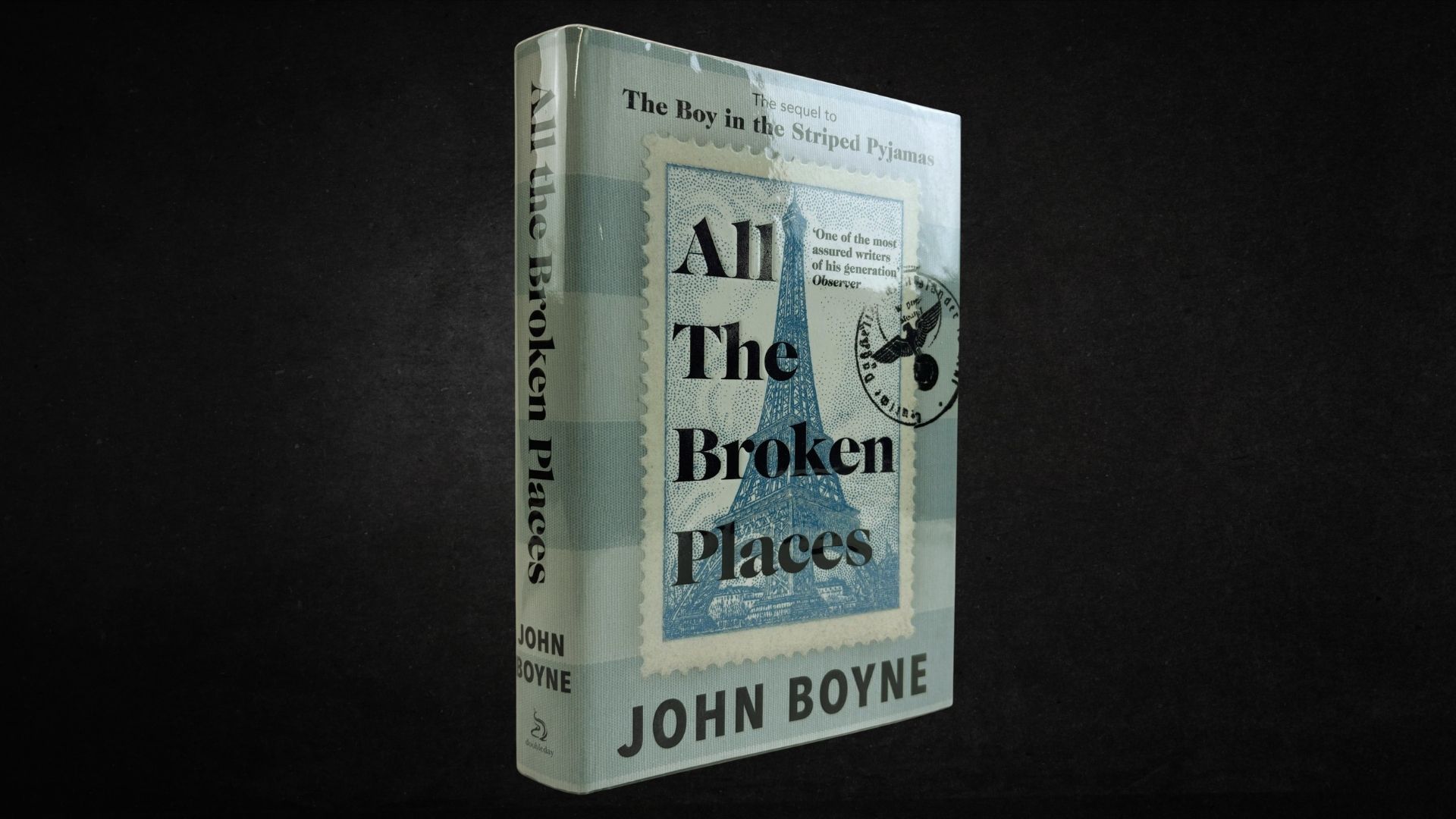
All the Broken Places is a 2022 historical fiction novel by John Boyne. It serves as a companion to The Boy in the Striped Pyjamas, told this time from the perspective of Gretel Fernsby, Bruno’s older sister.
Now in her nineties, Gretel lives a quiet life in London while carrying a lifetime of secrets tied to her father’s role as a Nazi commandant.
The story moves between her past and present, asking hard questions about complicity, silence, and whether redemption is ever truly possible.
Plot Summary (Spoiler-Free Overview)
Gretel Fernsby is 91 years old and living alone in an upscale London apartment. She has spent decades guarding her identity.
The story shifts between her teenage years after the war, fleeing Germany with her mother, surviving under false names in Paris and then Australia, and her current life in London.
When a young boy named Henry moves into the apartment below hers with his troubled family, Gretel faces a real moral crossroads.
She must decide how much of her dark past she is willing to expose in order to protect someone else.
Main Characters & Character Development
Each character carries a piece of Gretel’s past or pushes her to face it.
Gretel Fernsby
Gretel is the heart of this book. At 91, she is sharp, private, and deeply conflicted. Her emotional struggle is not dramatic, it is quiet and suffocating.
She lives with the guilt of knowing what her father did, and the guilt of surviving it. Her past shapes every decision she makes in the present, and Boyne writes about her with real complexity.
You feel her shame, her fear, and her buried need for something that might look like peace.
Bruno
Bruno doesn’t appear in the present storyline, but he haunts it completely. Gretel thinks about him often.
He represents what she lost, what she failed to protect, and what she can never undo. His story from The Boy in the Striped Pyjamas gives Gretel’s guilt its deepest roots.
Readers who know the first book will feel the weight of his absence much more sharply throughout.
Henry
Henry is the young boy who moves into Gretel’s building with his parents. He is curious, kind, and a keen reader. His presence forces Gretel to confront choices she buried long ago.
Henry’s situation mirrors the danger Bruno once faced, and Gretel’s relationship with him becomes the moral spine of the present-day story.
He is not just a plot device, he feels real and worth caring about.
Mathilde
Mathilde is Gretel’s neighbour and one of her few close companions. Her own story has quiet layers, and a twist involving her character lands with real impact.
She contributes to the book’s themes of secrecy and guilt in subtle ways. She also shows that not all the book’s relationships are built on history, some are built on the small, daily choice to show up for someone.
Major Themes
The book asks big questions and doesn’t hand you easy answers.
Guilt and Redemption
The central question of the book is whether Gretel can ever be forgiven, or whether she can forgive herself.
Boyne never gives a clean resolution. Guilt is treated as something you carry, not something you set down.
Trauma and Survival
Gretel has survived terrible things and made choices she is not proud of. The book looks honestly at what survival costs, and what people do to keep going when the weight of the past would otherwise crush them.
Memory and Identity
Gretel has lived under a false identity for decades. Who she is now was built on hiding who she was then.
The book asks how much of ourselves is shaped by what we remember, and what we choose to bury. For Gretel, forgetting was never really forgetting. It was just postponing.
Writing Style & Narrative Structure
Boyne writes in a clear, controlled voice that fits Gretel’s character well. The dual-timeline structure switches between her post-war years and her present-day life in London, building tension slowly rather than rushing through plot.
The prose is not showy. It is precise and restrained, which makes the emotional moments hit harder.
Some readers find the pacing a little slow in the middle. But the writing style mirrors Gretel herself, quiet on the surface, with a great deal of pain sitting just underneath.
Personal Opinion & Review
My honest reaction, from the first page to the last.
What I Liked
Gretel genuinely moved me. Her guilt shows up in small, ordinary choices, not big speeches, and that restraint is what makes it hit hard.
The Henry subplot kept me hooked. The writing never oversells the emotion. Some pages stayed with me long after I finished.
What Could Be Better
The middle drags. A few past timeline scenes repeat the same emotional beats, which slows things down. Some final act choices felt too convenient for such a careful build-up.
The ending divides readers, I found it bold, but I understand why others feel it doesn’t fully earn its impact.
Goodreads & Amazon Ratings
A well-rated book with solid reader feedback and some debate.
Goodreads: Holds a 3.9–4.0 average. Readers love the emotional depth but flag slow pacing and a divisive ending.
Amazon: Sits at 4.2–4.4 out of 5. Reviewers praise the writing and its connection to The Boy in the Striped Pyjamas.
Audience Reception: Most readers found it deeply moving and memorable. Critics pointed to a dramatic ending, slow pacing, and concerns about its fictional take on Holocaust history.
Who Should Read This Book?
This book is for anyone who enjoys literary fiction that asks you to think. If you loved The Boy in the Striped Pyjamas, this is worth reading for how it reframes that story from a completely different angle.
It also works well for readers drawn to WWII-era historical fiction told through a personal, reflective lens.
It is a quiet book, not a thriller. If you want something fast and plot-heavy, this may not be the right fit.
But if you want a story that asks real moral questions and trusts you to sit with the discomfort, All the Broken Places delivers.
About the Author
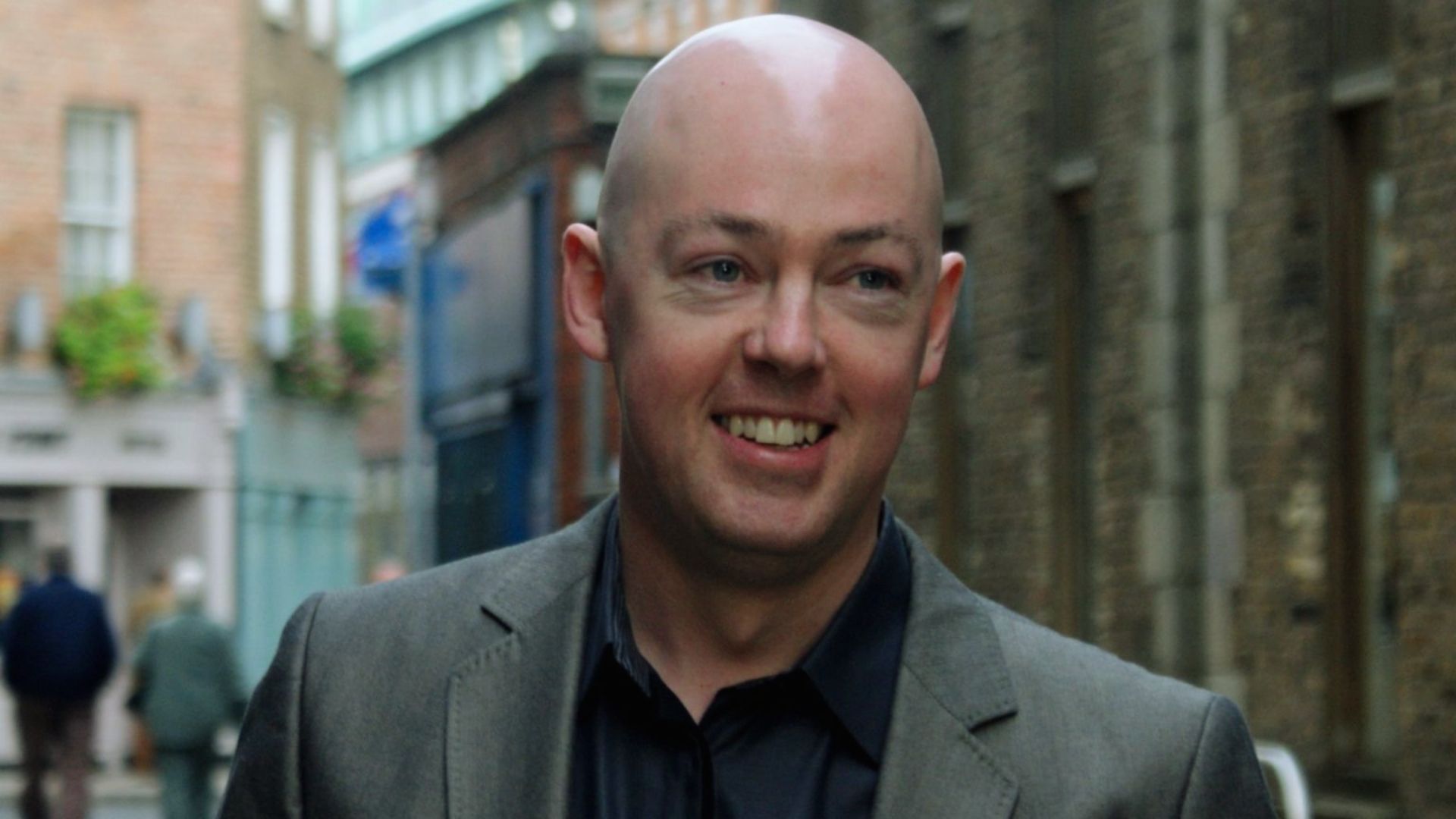
John Boyne is an Irish author born in Dublin in 1971. He has written over twenty novels for both adults and younger readers, with The Boy in the Striped Pyjamas being his most widely read work.
That novel, published in 2006, became a global bestseller and was later adapted into a film, a ballet, and an opera.
Boyne studied English Literature at Trinity College Dublin and later completed a creative writing degree at the University of East Anglia.
His other well-known books include The Heart’s Invisible Furies and A Ladder to the Sky. He is known for writing emotionally demanding stories that take on large historical and social themes with a personal, human lens.
Conclusion
I went into All the Broken Places expecting a good read. What I got was a book that quietly got under my skin and stayed there.
Gretel made me uncomfortable in ways I couldn’t ignore, and that is exactly the point. Her story made me ask hard questions about silence and about what we owe the people around us.
If you haven’t read it yet, give it a shot. And if you have, drop your thoughts in the comments, especially about that ending.
I’d genuinely love to know what you made of it.
Frequently Asked Questions
Do I need to read The Boy in the Striped Pyjamas first?
No, it works as a standalone. But reading the first book gives Gretel’s guilt and Bruno’s memory much more emotional weight.
Is All the Broken Places based on a true story?
No, it is fiction. The characters are invented, but the historical backdrop, Nazi commandants, post-war Europe, is rooted in real events.
Is the ending satisfying?
It depends on the reader. I found it bold and thought-provoking. Others feel it goes too far after such a quiet, restrained build-up.
Is this book appropriate for younger readers?
Not really. It covers the Holocaust, abuse, and heavy moral themes. It is written for adult readers.
How long does it take to read?
Around 400 pages, most readers finish in four to six hours, though the emotional weight may slow you down.