

What if the way you show love is completely different from the way others feel it?
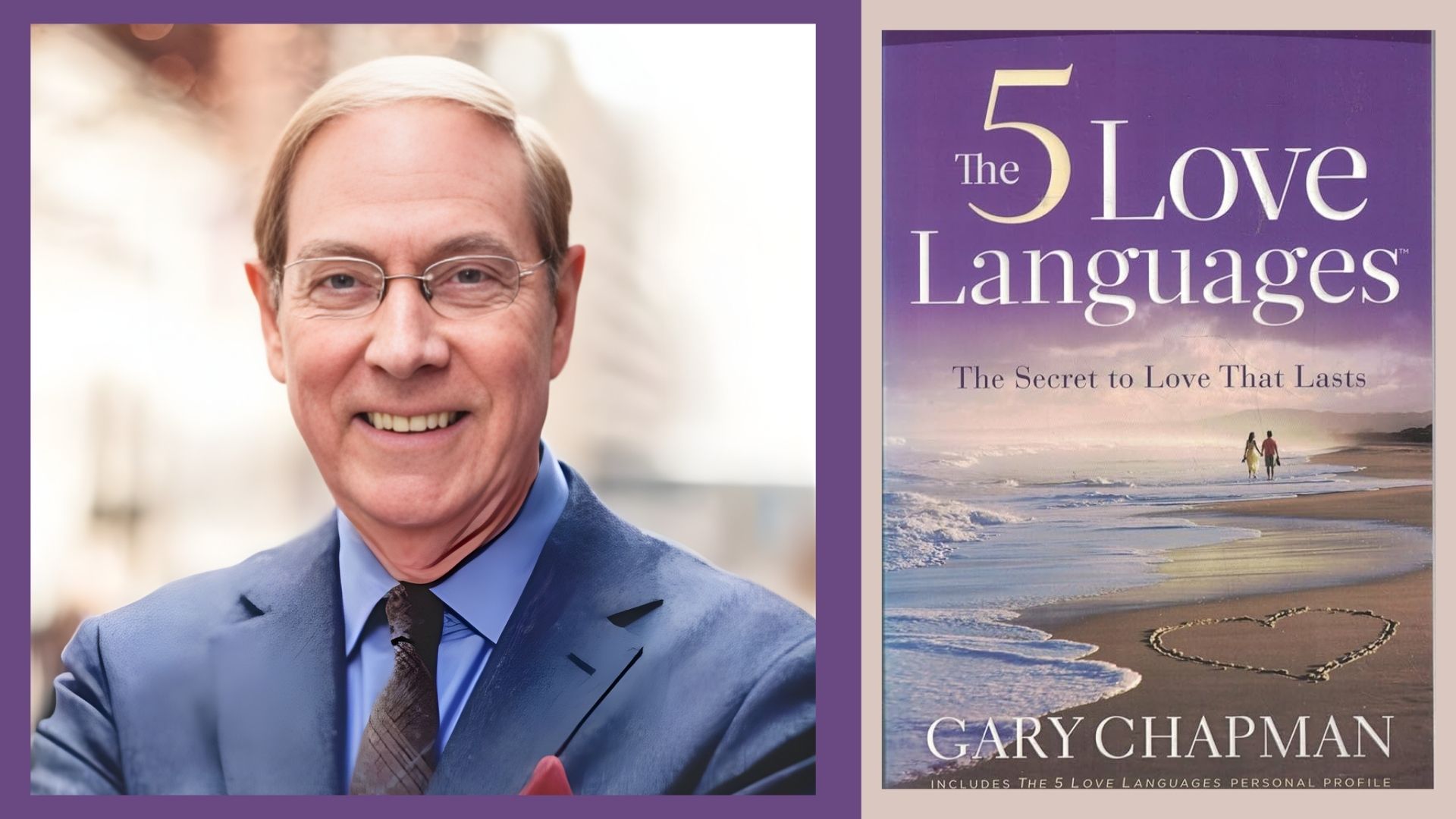
The 5 Love Languages by Gary Chapman uses this idea, helping readers understand how people give and receive love differently.
As someone who has personally applied these concepts, I can say the insights are both practical and eye-opening.
Chapman, a seasoned marriage counselor with decades of experience, shares clear guidance that works across romantic relationships, friendships, and family bonds.
In this The 5 Love Languages book review, we’ll learn the book’s key ideas, practical tips, strengths, critiques, and reader feedback to help you improve your connections.
Let’s get started.
Quick Book Facts

The 5 Love Languages The Secret to Love That Lasts is written by Gary Chapman, a well-known marriage counselor and author.
The book was first published in 1992 by Northfield Publishing and has been updated in later editions to stay relevant.
It is about 208 pages long, making it a concise yet practical guide. The book belongs to the self-help and relationships genre.
This book is ideal for couples, friends, family members, or anyone who wants to understand themselves and others better.
Whether you are trying to strengthen a romantic relationship or improve bonds with loved ones, the insights in this book are simple to understand and easy to apply.
The 5 Love Languages Book Review: Plot Overview
When I read The 5 Love Languages, I realized how often we misinterpret the ways people show love.
Gary Chapman explains that people give and receive love in five main ways:
- Words of Affirmation
- Acts of Service
- Receiving Gifts
- Quality Time
- Physical Touch
As I reflected on these, I noticed moments in my own relationships where small gestures didn’t feel appreciated, simply because the other person’s love language was different from mine.
Understanding this concept helped me communicate more clearly and notice the ways my loved ones feel valued.
Even trying a few of these ideas made my relationships feel closer and more meaningful.
Major Themes & Practical Appeal
The book shows how people give and receive love in different ways. These themes explain how understanding them can improve relationships.
1. Personalized Love
The 5 Love Languages shows that people experience love in different ways. What feels meaningful to one person may not matter to another.
Recognizing individual emotional needs is important for strong relationships.
Giving love in the way someone truly feels it creates deeper understanding and connection, making bonds more genuine and satisfying.
2. Communication and Connection
Many relationship challenges happen because of miscommunication or different expectations.
Understanding a loved one’s primary love language helps bridge these gaps. Simple actions and words can become clear messages of care.
This approach encourages more open dialogue and strengthens emotional connection in romantic and non-romantic relationships alike.
3. Empathy and Awareness
The book highlights the importance of noticing how others express and receive love. Paying attention to actions, words, and small gestures helps respond thoughtfully to emotional needs.
Practicing empathy makes loved ones feel valued, understood, and supported, improving overall closeness and trust.
4. Actionable Guidance
Chapman includes quizzes, exercises, and real-life examples that make the concepts easy to apply.
These tools help test what works best in relationships. Even small and consistent actions can create a significant emotional impact over time, making daily interactions more meaningful.
5. Relationship Longevity
Meaningful relationships require consistent effort, not just occasional grand gestures.
Chapman emphasizes that regular attention, thoughtful actions, and awareness of a loved one’s needs strengthen bonds.
Applying these principles over time builds more resilient and fulfilling connections.
The 5 Love Languages Book Review: Strengths and Weaknesses
The book offers practical relationship guidance but has some limitations. The following show its main strengths and weaknesses.
Strengths
The book is easy to read and apply. These points show why it remains popular.
- Simple and relatable writing style that makes concepts easy to understand
- Practical advice that can be applied immediately in real-life relationships
- Relevant across cultures and different types of relationships
- Has stood the test of time with millions of copies sold worldwide
- Includes quizzes and exercises that help readers identify and apply their love languages easily
Weaknesses/ Critiques
The book has some limitations. These points highlight where it may fall short.
- Some examples feel repetitive, especially for readers familiar with relationship guidance
- Focuses mainly on romantic relationships, so applicability to friendships or family may be limited
- Simplifies complex emotional dynamics and may not address deeper issues like past trauma or personality conflicts
- Lacks more nuanced case studies or advanced strategies for long-term relationship challenges
- Despite these points, the book is effective for understanding basic emotional needs and improving everyday communication
The 5 Love Languages Book Review: Reader Reviews & Ratings
Reader responses show that The 5 Love Languages is widely liked for its practical approach to love and relationships.
Goodreads Rating: Around 4.27 out of 5 stars from over 470,000 ratings, with many readers noting the clear ideas and how the book helped them notice patterns in how people show love.
Amazon Rating: About 4.8 out of 5 stars from more than 70,000 ratings, where reviewers often highlight the simple, real-world advice and how it helped improve connection with loved ones.
Across platforms, readers connect most with the book’s clear framework and the way it helps them understand emotional needs.
My Personal Opinion on This Book
The 5 Love Languages presents clear and practical ideas for improving real-life relationships.
The concepts feel universal, applying to romantic partners, family, and friends.
Small, intentional actions can create noticeable differences in connection and communication.
Some examples feel a bit repetitive, and the focus is mostly on romantic relationships, but the insights are easy to understand and useful in everyday life.
About the Author

Gary Chapman is a marriage counselor, speaker, and author with decades of experience helping couples and families improve their relationships.
He holds a degree in psychology and has worked extensively in relationship counseling, giving him deep insight into how people communicate and express love.
Chapman is best known for The 5 Love Languages, which has become a global bestseller and has helped millions understand emotional needs in relationships.
His approach is practical and easy to apply, focusing on real-world strategies rather than theory.
In addition to The 5 Love Languages, he has written several other books on marriage and family life, providing clear guidance for strengthening connections.
Chapman’s work emphasizes empathy, awareness, and small, intentional actions to build lasting relationships.
Final Thoughts
After reading The 5 Love Languages, it’s clear why this book continues to help millions improve their relationships.
The concepts are simple yet practical, making it easy to understand yourself and the people you care about.
Applying even small gestures based on love languages can strengthen bonds and make connections feel more meaningful.
If this resonated with you, feel free to share this post with someone who might need it, or let us know your thoughts below!
Frequently Asked Questions
What Are the Five Love Languages?
They are Words of Affirmation, Acts of Service, Receiving Gifts, Quality Time, and Physical Touch. Each person has a primary language that shows how they feel most loved.
How Can I Find My Love Language?
Use the quizzes and exercises in the book or notice which gestures make you feel most appreciated.
Can Love Languages Change Over Time?
Yes, they can change as people grow or as relationships evolve.
Is This Book Only for Romantic Relationships?
No, it applies to all relationships, including family and friends.
How Can I Use the Book in Daily Life?
Notice your loved one’s primary language and use small, consistent actions to show care.