

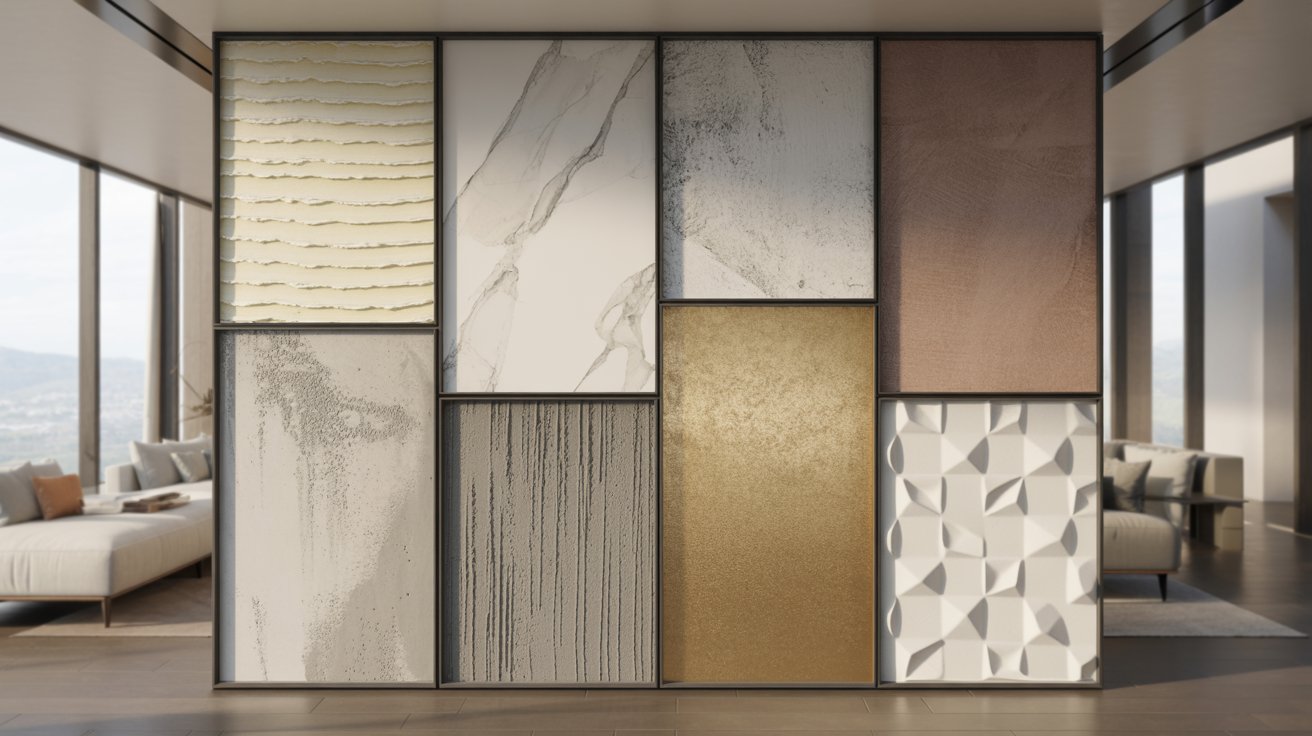
Flat, plain walls are getting old fast. More homeowners are ditching smooth paint and going for texture because it adds depth and personality to any room.
I get it. Staring at a blank wall and not knowing where to start is frustrating.
But textured wall paint is one of the easiest ways to make a space feel more intentional without spending a fortune.
The right texture can completely change how a room feels. It adds warmth, draws the eye, and makes even a small space feel more interesting.
I've put together 19 ideas that work across different rooms, styles, and budgets.
Let's get into it.
How to Choose the Right Textured Wall Paint
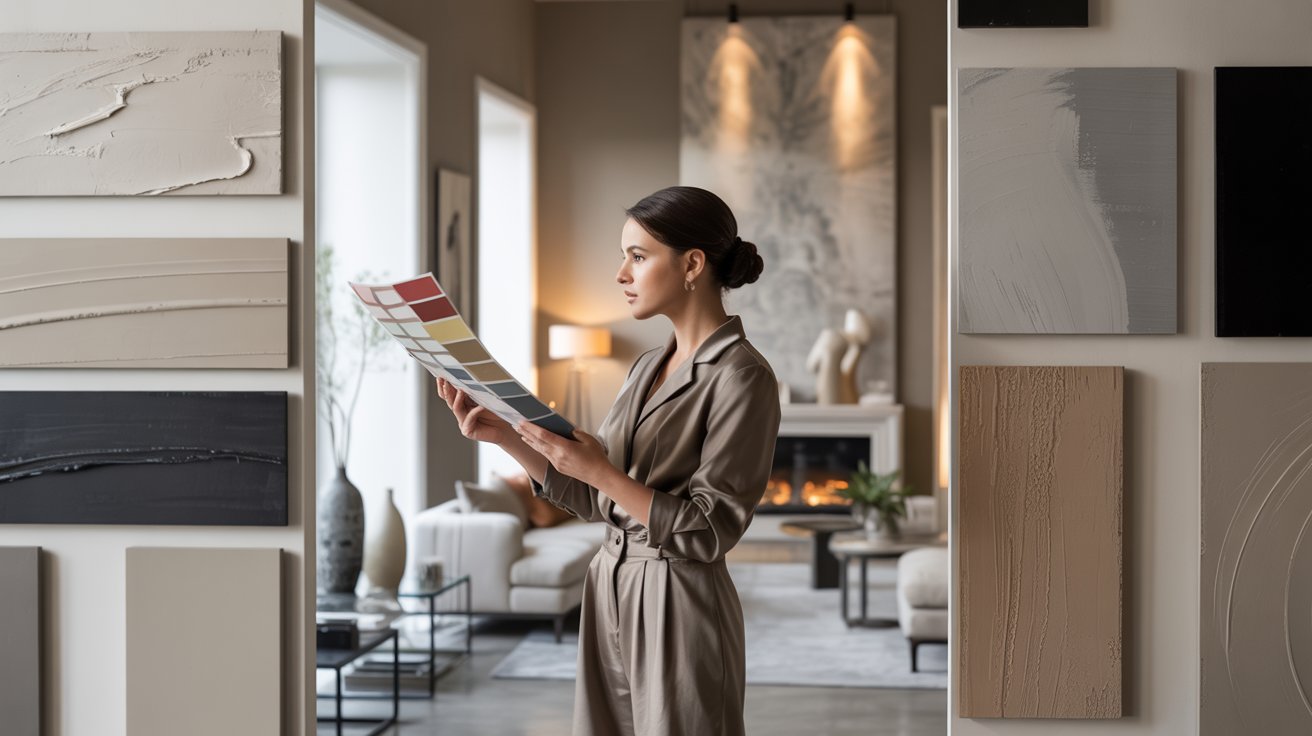
Not every texture works in every room. A heavy, rough finish might look great in a living room but feel too much in a small bedroom. Think about how the room is used before picking a style.
Lighting plays a big role too. Bold textures can look dramatic under bright light but flat in dim spaces.
Start subtle if you're unsure. You can always go bolder on the next wall.
List of 19 Textured Wall Paint Ideas for Every Style
There's no single way to add texture to your walls. These 19 ideas cover everything from subtle finishes to bold statement looks.
1. Fluted Vertical Texture Walls
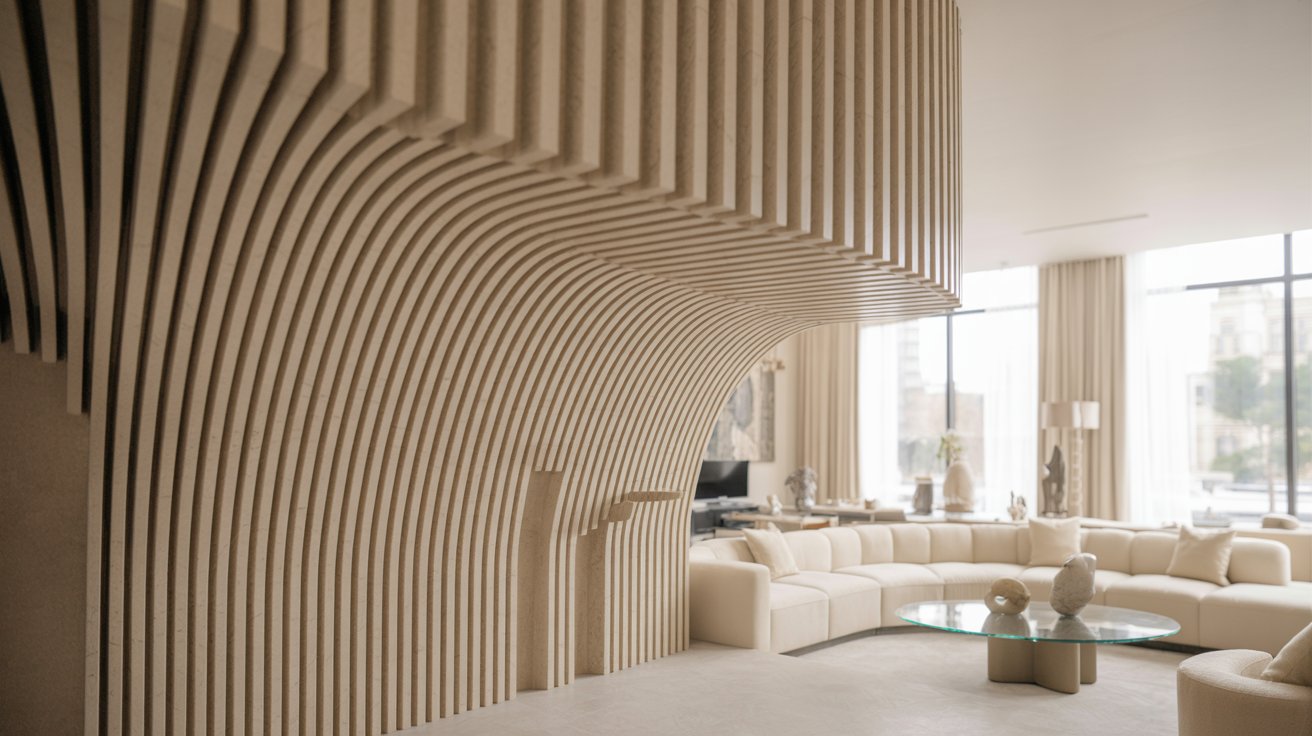
Fluted walls have sleek, vertical grooves that give any room a clean, architectural feel. They work really well in hallways and living rooms.
The lines draw the eye upward and make the space feel taller and more structured without much effort.
2. Watercolor-Inspired Wall Paint
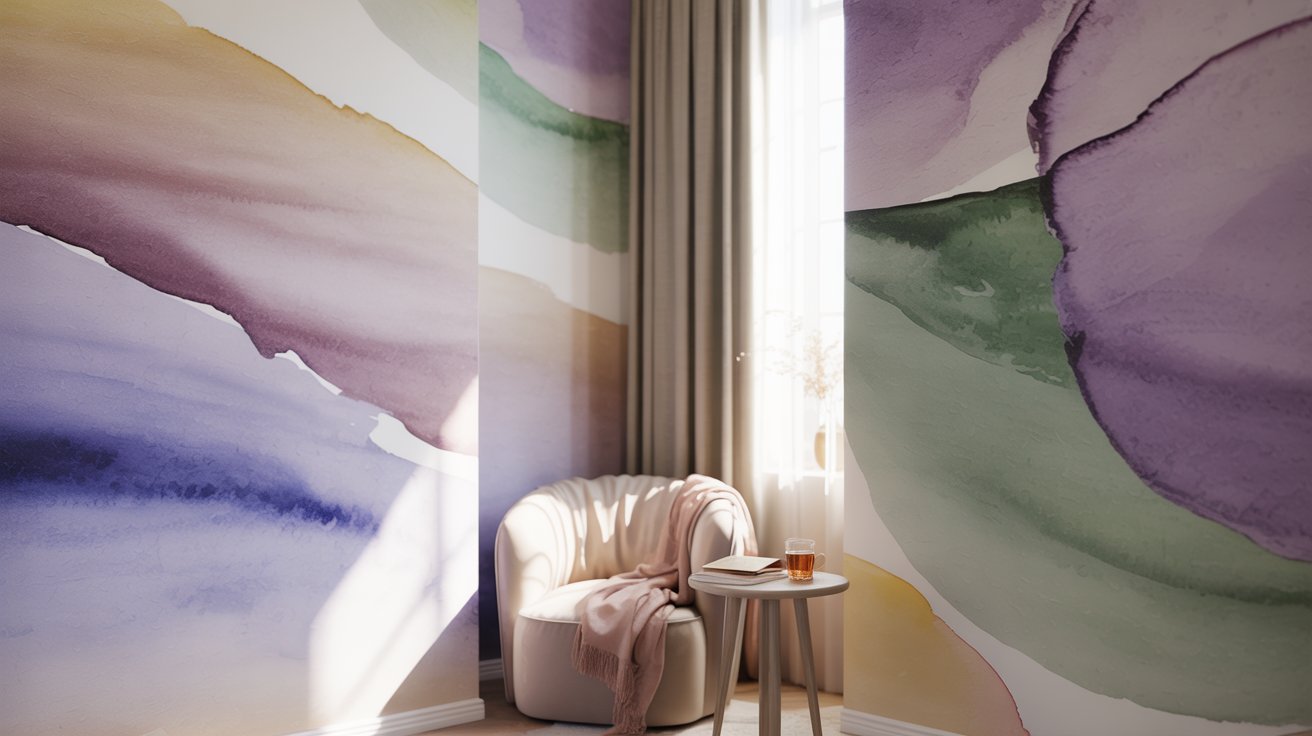
This technique uses soft, blended tones that flow into each other like a painting. It gives walls an artistic, creative feel that's hard to get with regular paint.
Bedrooms and reading nooks work best for this style. It's personal, expressive, and genuinely one of a kind.
3. Geometric Patterned Textures
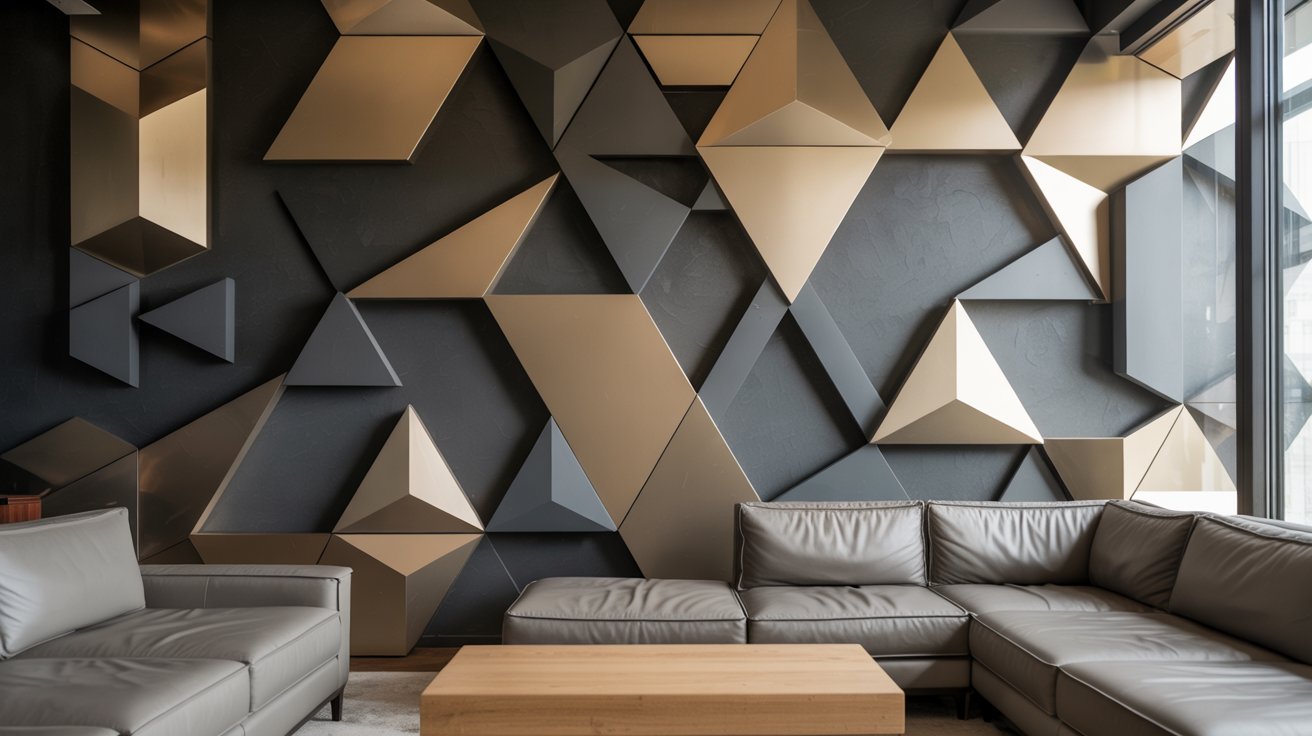
Bold shapes like triangles, hexagons, or grids can turn a plain wall into a strong focal point. This works best as a single feature wall so it doesn't overwhelm the room.
Pair it with neutral furniture to let the wall do the talking.
4. Metallic Finish Textured Walls
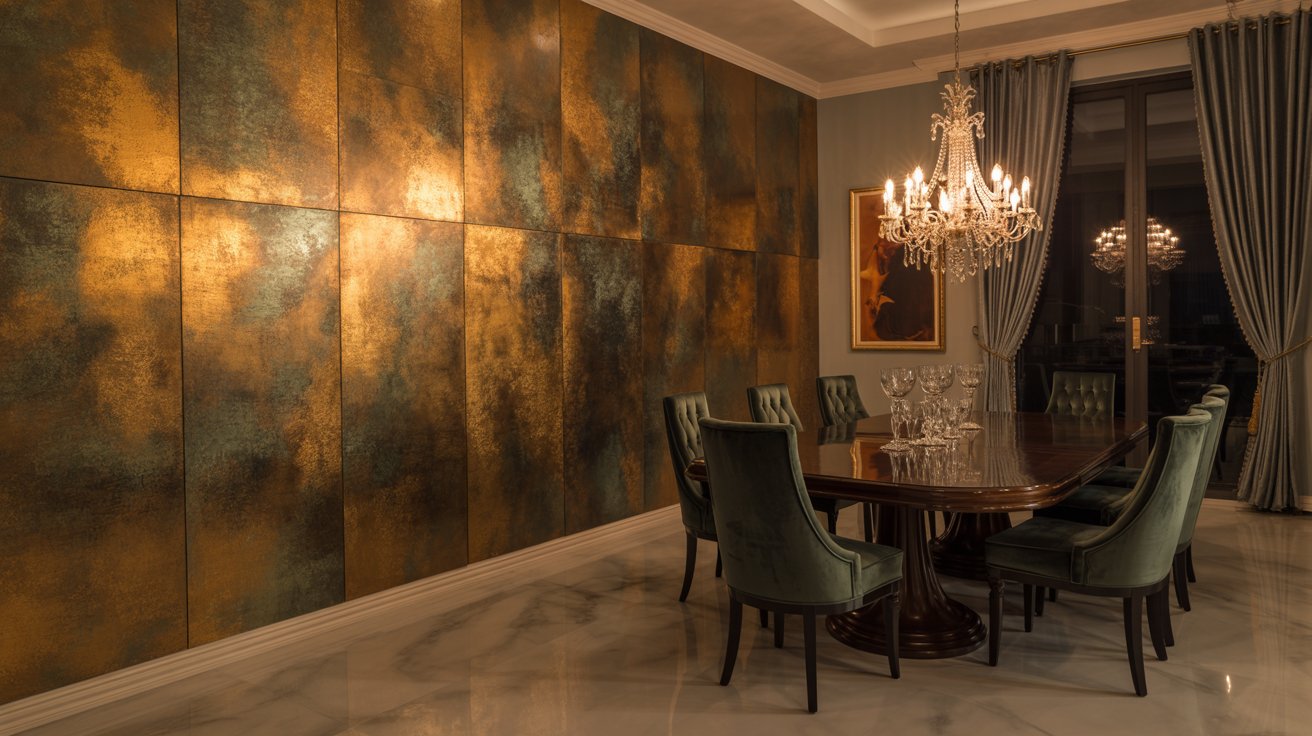
Metallic paint reflects light and adds a rich, luxurious feel to any room. Gold, bronze, and silver tones are popular choices.
This finish works especially well in dining rooms and bedrooms. Even a small accent wall with metallic texture can shift the whole mood of the space.
5. Velvet-Effect Painted Walls
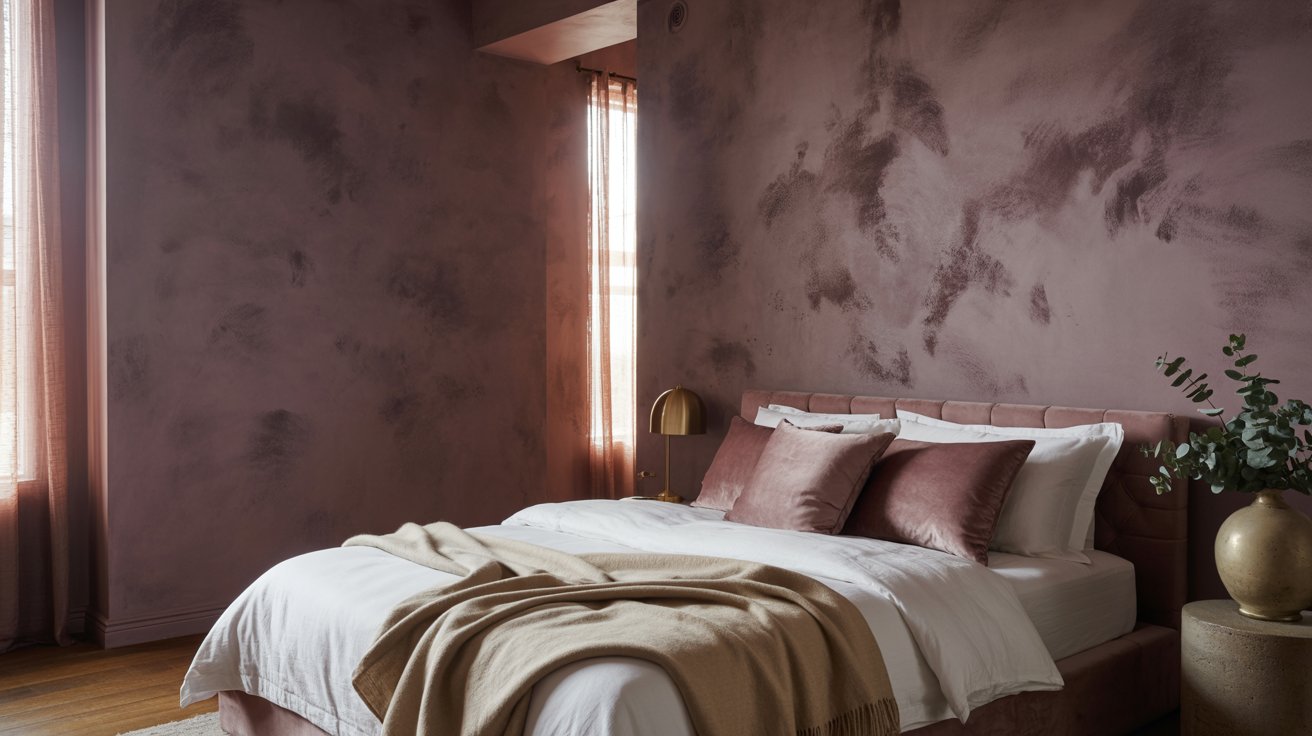
Velvet-effect paint creates a soft, rich visual texture that feels warm and cozy. It's not actual velvet, but the finish mimics that smooth, deep look closely.
This style suits bedrooms and living rooms well. It adds a sense of comfort and makes the room feel more inviting.
6. Faux Brick Painted Texture
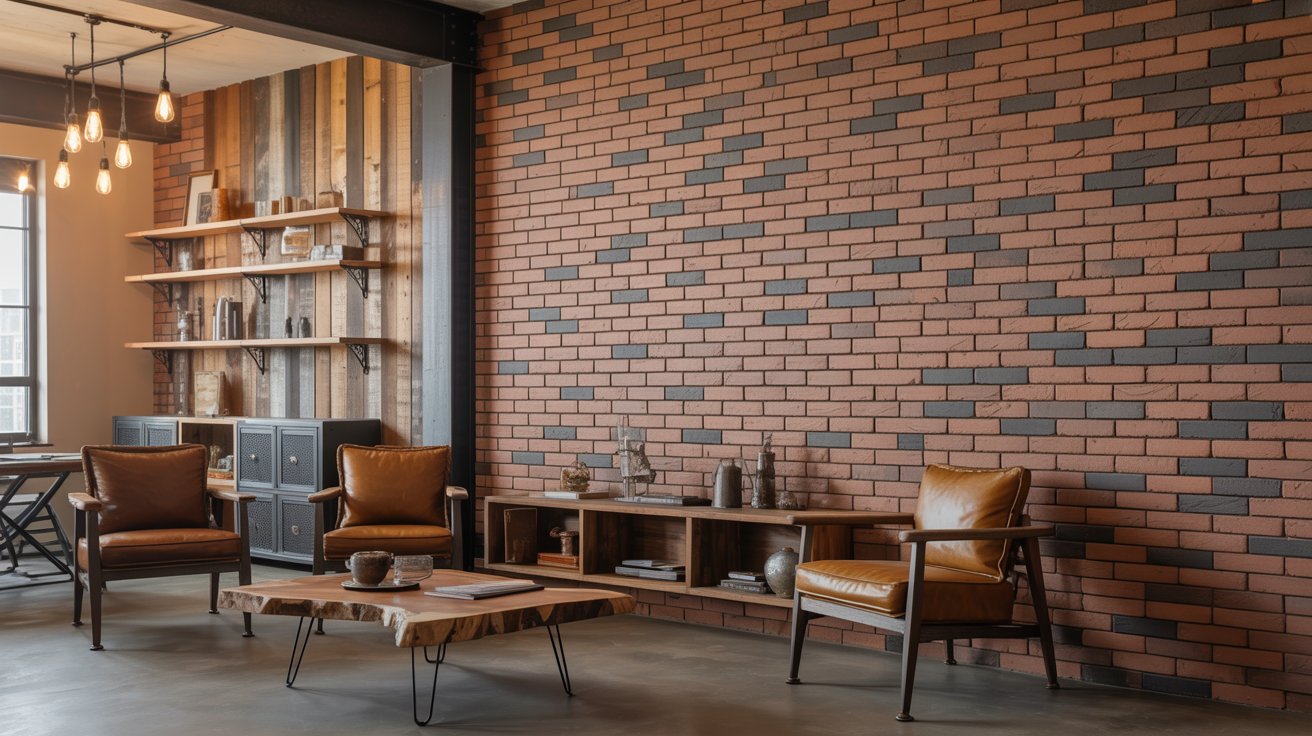
Faux brick gives walls that raw, industrial look without any actual brickwork. It's a great option for kitchens, basements, or any room going for an urban or rustic feel.
The textured finish adds a lot of visual interest and pairs well with wood and metal furniture.
7. Shiplap-Inspired Paint Texture
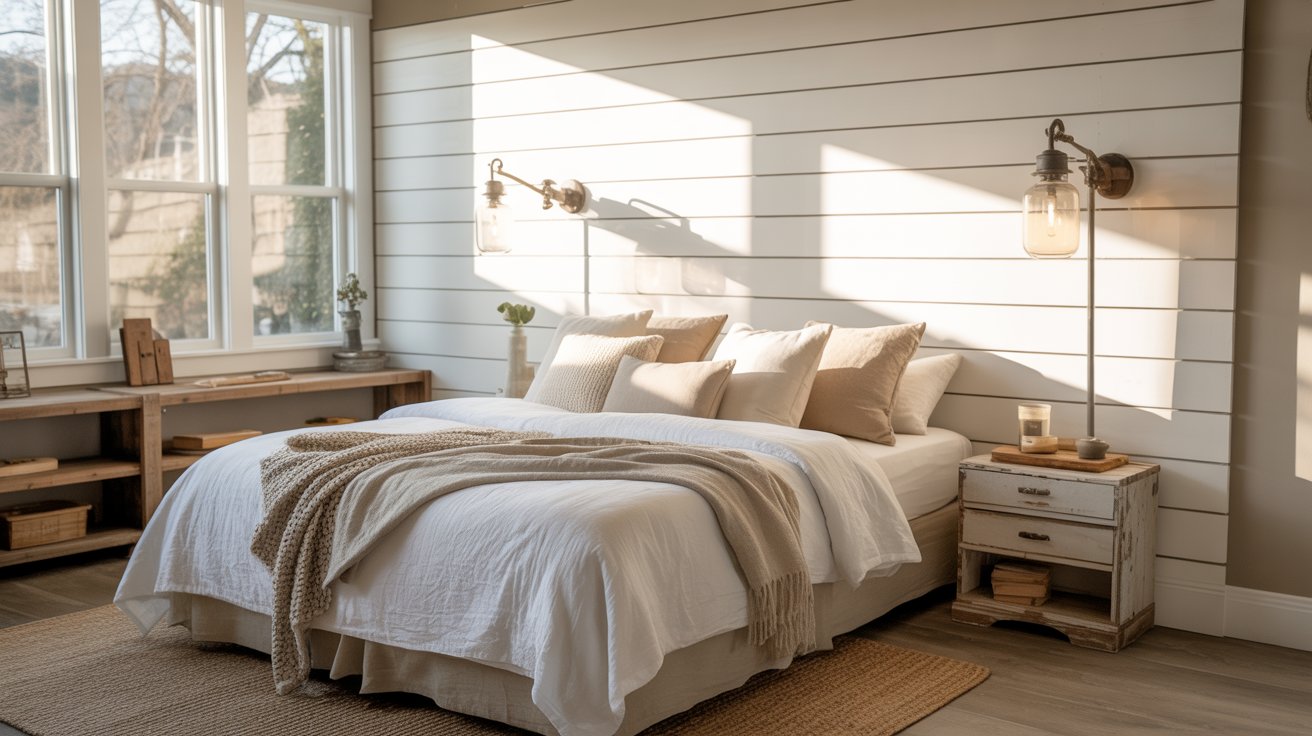
Shiplap texture uses horizontal lines to create that classic farmhouse wall look using just paint. It adds structure and a laid-back charm to living rooms and bedrooms.
You get the visual effect of real shiplap boards without the cost or installation hassle.
8. Stucco Mediterranean Finish

Stucco gives walls a thick, rough plaster look that feels old-world and grounded. It's common in Mediterranean and Spanish-style homes but works in modern interiors too.
The earthy finish adds warmth and pairs beautifully with terracotta tones, wooden beams, and natural materials.
9. Rag Rolling Paint Technique

Rag rolling is a hands-on technique where a rolled rag is used to apply or remove paint, creating a soft, uneven pattern. The result has a lot of depth and movement.
No two walls look the same with this method, which makes it feel very personal and handcrafted.
10. Sponging Texture Effect

Sponging involves dabbing layers of paint with a sponge to build up a soft, cloudy pattern on the wall. It's one of the easier DIY textures to try at home.
The layered look adds subtle depth without being too bold. It works well in bathrooms and bedrooms.
11. Brushed Concrete Finish

Brushed concrete gives walls a raw, matte look that fits perfectly in modern and minimalist spaces. It's cool, understated, and pairs well with clean-lined furniture and monochrome color schemes.
This finish works great in living rooms, offices, and even kitchens that lean toward an industrial style.
12. Pearlescent Glow Walls
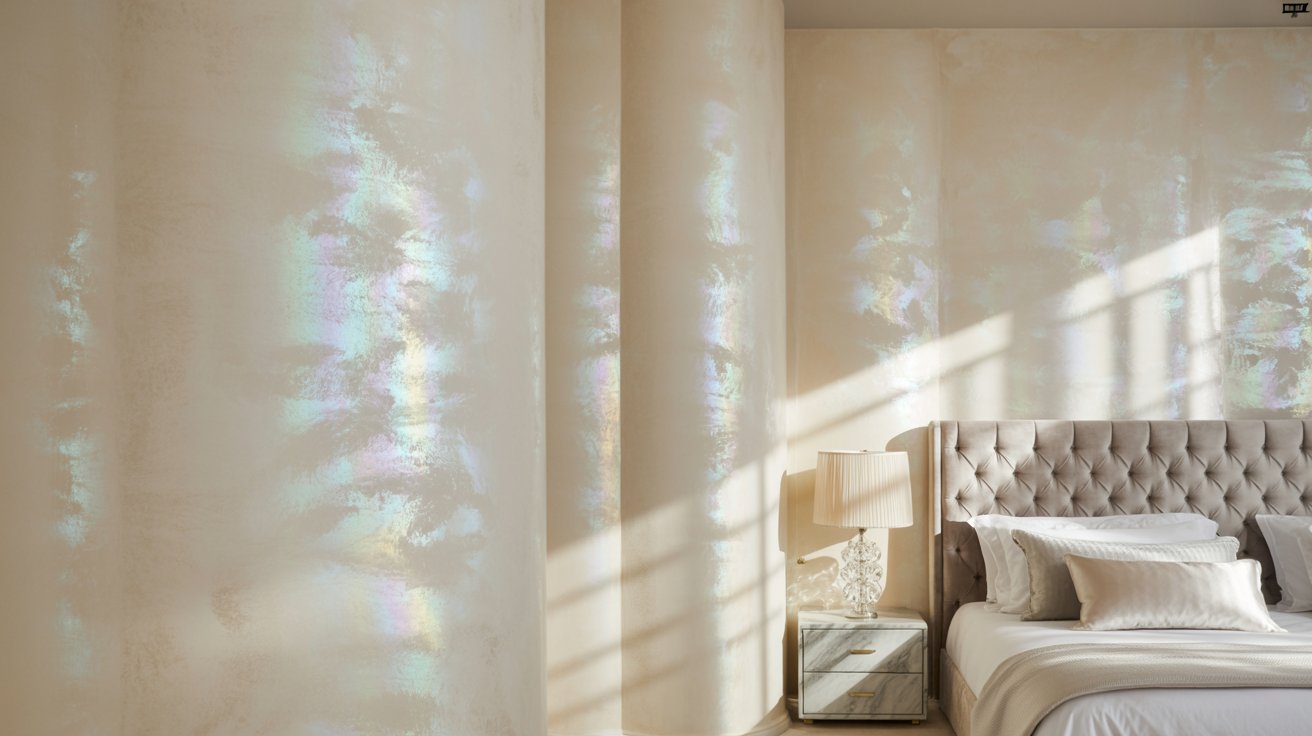
Pearlescent paint has a soft shimmer that shifts slightly depending on the light. It's not as bold as metallic but still adds a subtle glow to the room.
This finish works well in bedrooms and bathrooms. It feels light and airy without being too flashy or over the top.
13. Layered Mixed-Material Walls
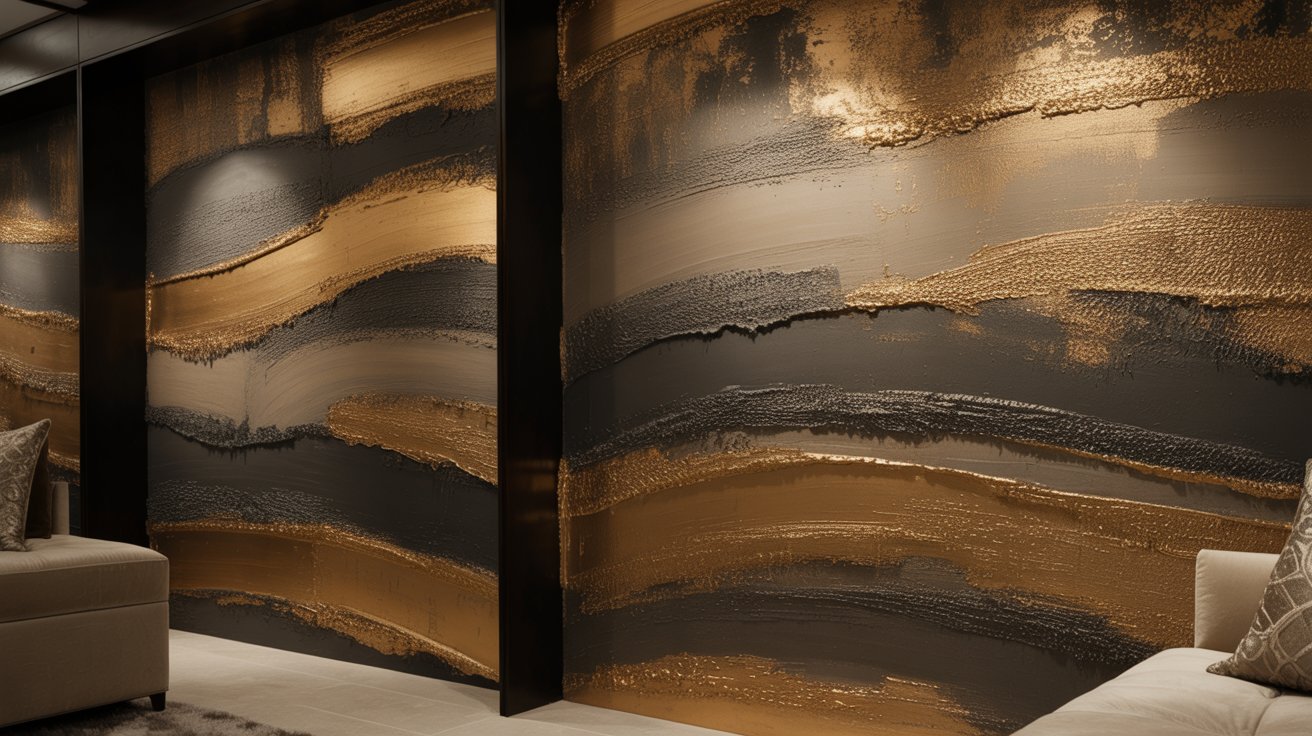
This technique combines two or more paint effects on the same wall to create something truly multi-dimensional. You might layer a sponge effect over a base coat with some metallic highlights on top.
The result looks high-end and very intentional. It takes more effort but the payoff is worth it.
14. Textured Wallpaper Paint Hybrid Look

This finish uses paint techniques to recreate the look of wallpaper without actually hanging any. You can mimic damask patterns, linen texture, or even floral motifs using special rollers and tools.
It's a smart option if you want the wallpaper look but prefer something more durable and easier to repaint.
15. Earthy Neutral Textured Walls
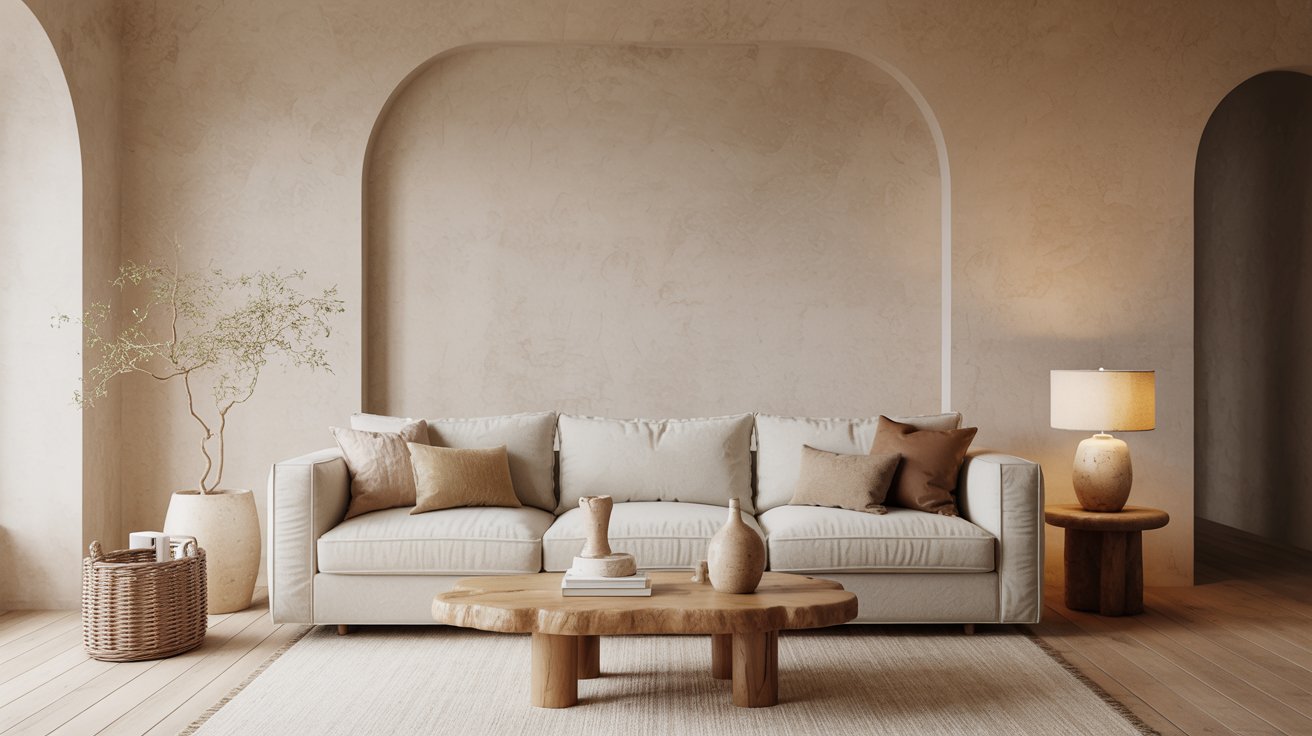
Soft beige, taupe, and clay tones bring a calm, grounded feel to any room. When paired with a subtle texture, these shades create walls that feel warm without being loud.
This style suits bedrooms, living rooms, and home offices well. It's simple, timeless, and works with almost any decor.
16. Crackle Paint Effect Walls

Crackle paint creates a vintage, aged look by causing the top coat to crack as it dries. The effect reveals a contrasting base color underneath, giving the wall an artistic, weathered finish.
It works well in accent walls, frames, and decorative spaces where you want a touch of old-world character.
17. Vertical Stripe Texture Paint
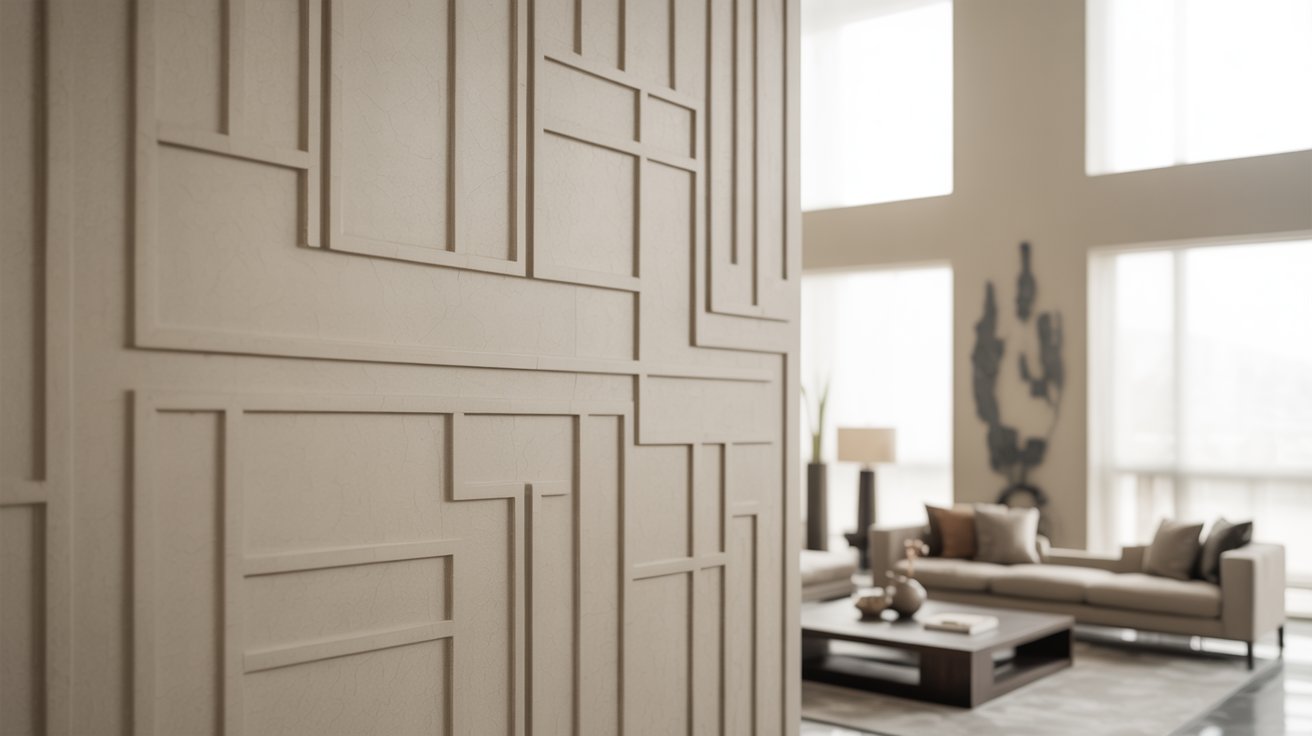
Vertical stripes are a simple but effective way to make a room feel taller. Using a textured roller or tape, you can create clean or slightly raised stripe patterns on the wall.
This works well in rooms with low ceilings. The subtle texture adds dimension without making the space feel too busy.
18. Stone-Inspired Painted Texture

Stone-effect paint mimics the natural look of granite, slate, or sandstone on your walls. It brings an organic, grounded feel to a room without the weight or cost of real stone.
This finish works well in bathrooms, feature walls, and entryways where you want something solid and natural-looking.
19. Abstract Artistic Brush Texture
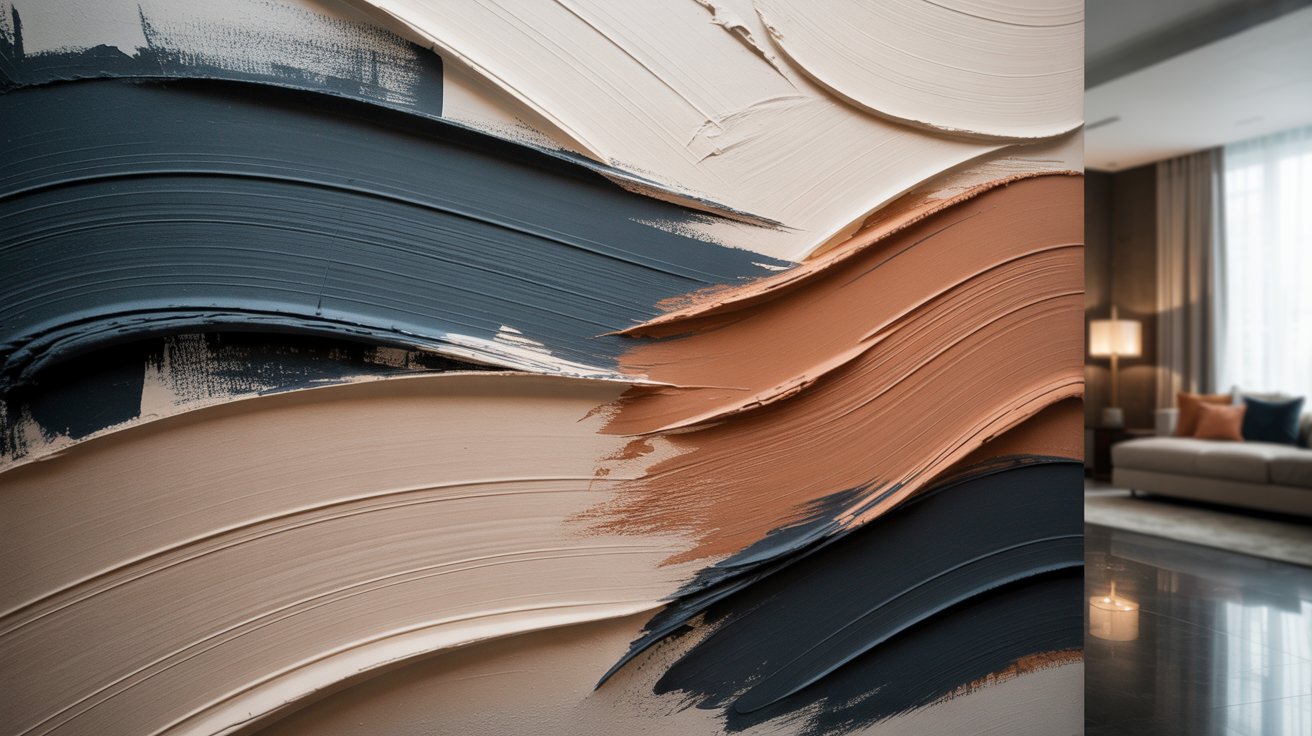
This one is all about freeform expression. Large, sweeping brush strokes in two or three tones create a gallery-style feature wall that feels bold and personal.
No strict pattern is needed here. It's a great way to add serious character to a bedroom or living room without hanging any art.
Tips for Choosing the Right Textured Wall Paint
- Soft textures work best in bedrooms where you want a calm, restful feel. Bold textures suit living rooms and feature walls where you want more impact.
- Glossy textures reflect light and make a room feel brighter and more open. Matte textures absorb light and create a warmer, cozier atmosphere.
- Minimal furniture pairs well with bold, heavily textured walls without feeling cluttered. If your room already has a lot going on, keep the texture subtle.
- Always test a small patch on the wall before committing to the full room. Check how it looks under both natural daylight and your indoor lighting.
- Some textures like sponging or rag rolling are easy enough to do yourself at home. Complex finishes like stucco or layered effects are better left to a professional.
Final Thoughts on Textured Wall Paint Ideas
Textured walls never go out of style. They add something that color alone just can't, depth, personality, and a feeling that the space was actually thought through.
I've tried a few of these techniques myself and the difference a single textured wall makes is real. You don't need to redo the whole room.
Pick one idea from this list and start small. You might surprise yourself.
Which textured wall paint idea are you trying first? Drop it in the comments below.
Frequently Asked Questions
What is the easiest textured wall paint technique for beginners?
Sponging is one of the simplest techniques you can try at home. All you need is a sponge, two paint colors, and a little patience.
Can I apply textured wall paint over existing paint?
Yes, most textured paints work fine over existing painted walls. Just make sure the surface is clean, dry, and free of any peeling or flaking paint.
How much does textured wall paint cost compared to regular paint?
Textured paint generally costs a bit more than standard wall paint. The price varies depending on the finish and brand, but it's still an affordable way to upgrade a room.
Does textured wall paint work in small rooms?
Yes, but stick to subtle textures in smaller spaces. Heavy or bold finishes can make a small room feel more closed in than you'd like.
How do I maintain and clean textured wall paint?
Most textured walls can be wiped down gently with a damp cloth. Avoid scrubbing too hard as it can damage the finish over time.


