


Watching your child grow is one of the most rewarding things. But it can also feel confusing, especially when you wonder if they are hitting the right milestones.
This article gives you a clear preschool skills checklist for ages 3–5. It covers everything from motor skills to early literacy, social growth, and more.
I have worked with parents who felt lost about what to expect. That changes here.
You will know exactly what to look for, what to support, and when to seek help.
What Defines Preschool Readiness?
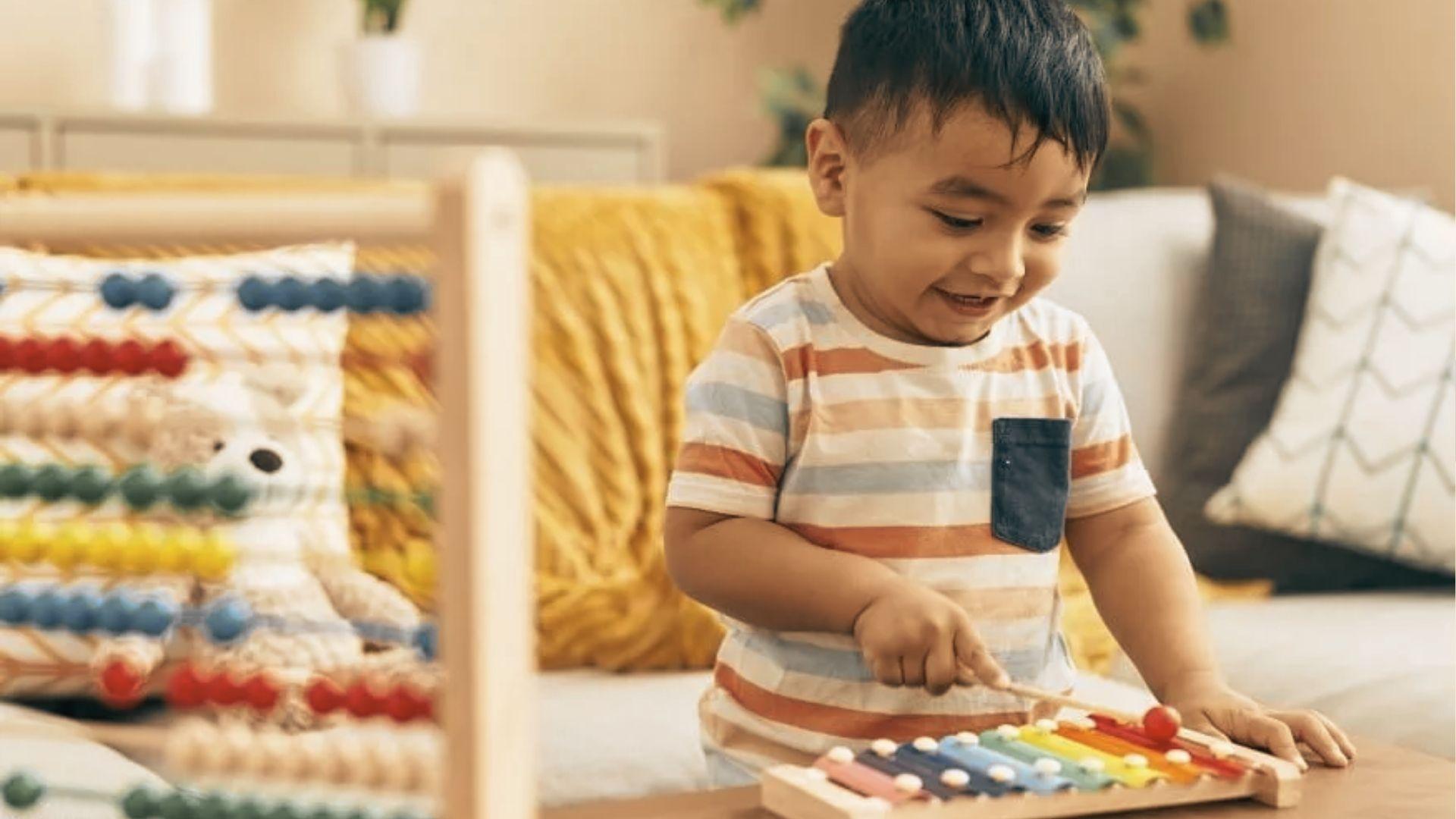
Preschool readiness is not just about knowing the alphabet. It covers how a child thinks, moves, talks, and connects with others.
There are six main areas to watch during the preschool years:social and emotional growth, fine and gross motor skills, language and communication, early literacy, math and thinking skills, and sensory processing. Each area plays a role in how ready a child feels in a classroom setting.
Children who can manage their feelings tend to do better in group settings. They listen more, share more, and recover faster from frustration. Social skills matter just as much as academic ones.
No two children grow the same way. What matters is overall progress over time, not perfection at every stage. If your child is growing across most areas, even slowly, that is a good sign.
Quick Preschool Skills Checklist (Ages 3–5)
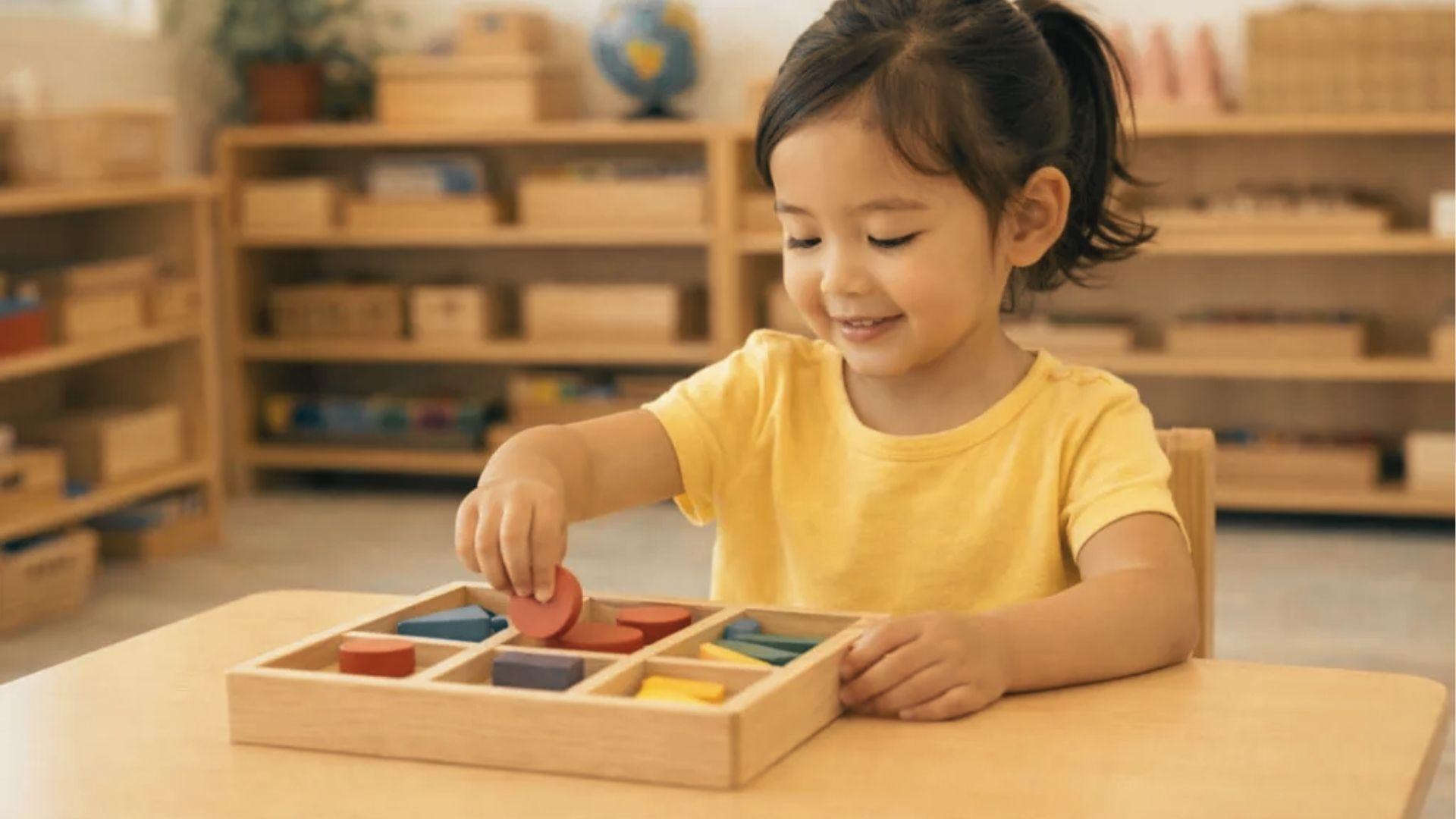
Use this as a fast reference before reading the full sections below.
Social and Emotional Skills
- Plays independently and with peers
- Takes turns and shares
- Expresses emotions and needs clearly
- Follows routines and transitions smoothly
Motor Skills (Fine and Gross)
- Holds crayons, pencils, and scissors properly
- Draws basic shapes and simple figures
- Runs, jumps, hops, and balances
- Uses utensils and dresses independently
Language and Communication
- Speaks in clear sentences
- Follows 1 to 2 step instructions
- Tells simple stories
- Uses appropriate words and tone
Early Literacy
- Recognizes letters, especially in their own name
- Holds books correctly and turns pages
- Enjoys listening to stories
- Scribbles or writes simple marks
Math and Cognitive Skills
- Identifies shapes, colors, and patterns
- Counts with help
- Sorts and groups objects
- Understands basic comparisons like same and different
Sensory and Processing Skills
- Responds to sounds, touch, and movement appropriately
- Enjoys different textures and play environments
- Maintains attention in simple activities
Social and Emotional Skills

How a child connects with others shapes their confidence and classroom experience.
Developing Skills
These are the positive signs that show your child is growing well socially and emotionally.
Engages in cooperative and imaginative play: Children pretend together, take on roles, and build shared stories.
Builds friendships and interacts in small groups: They start showing care for certain friends.
Manages emotions with some independence: Instead of melting down, they may pause or use words.
Adapts to changes in routine: Transitions become smoother with age and consistency.
Warning Signs
Some behaviors are worth watching closely and may need professional attention.
Frequent tantrums or difficulty calming down: Daily intense meltdowns beyond age 4 may need attention.
Limited interaction with peers: Consistent avoidance of group play is worth discussing with a teacher.
Rigid behavior or resistance to change: Strong reactions to small routine changes can signal processing challenges.
Difficulty separating from caregivers: Ongoing distress at drop-off beyond age 4 is worth a professional conversation.
Fine Motor Skills
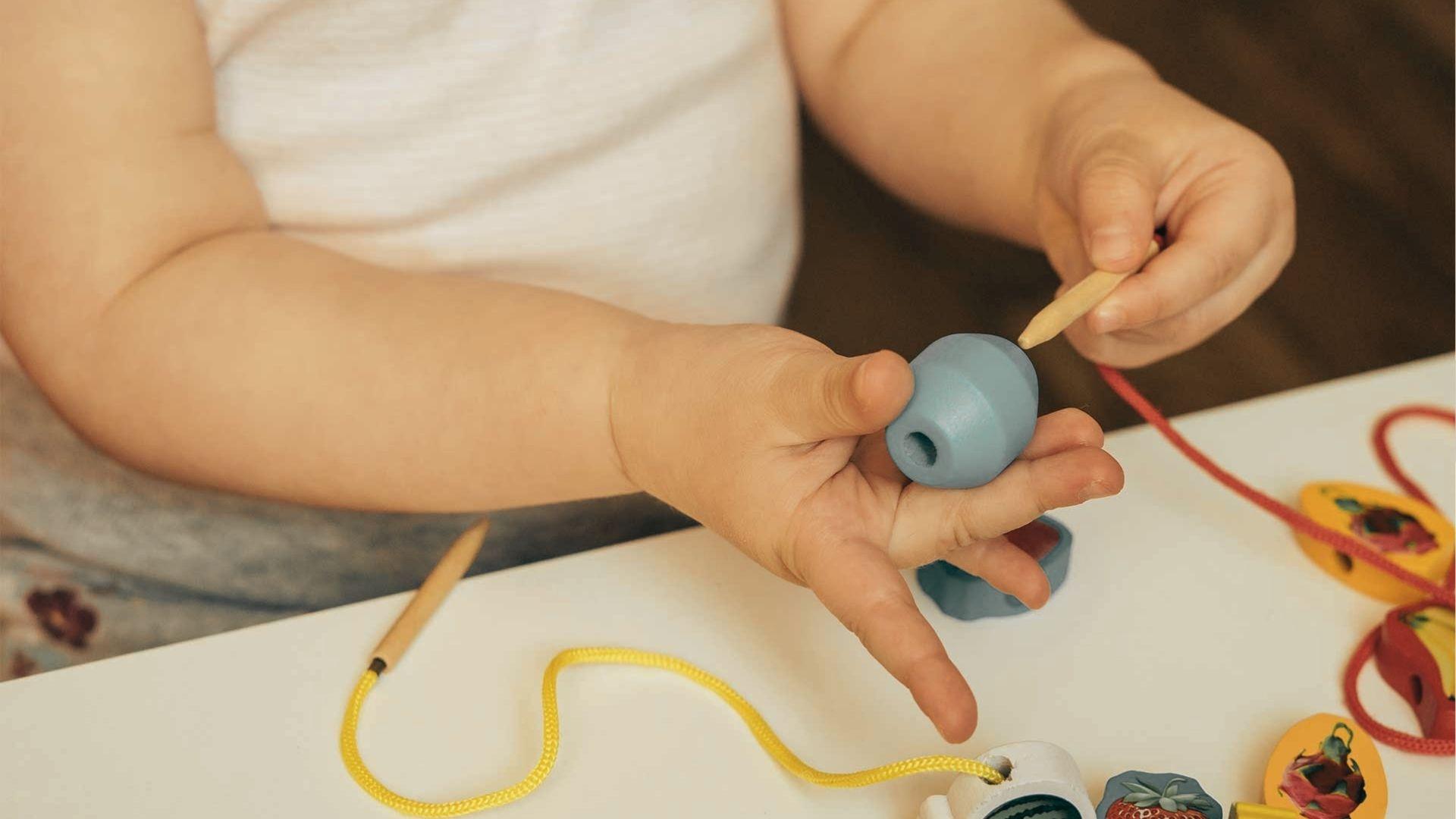
Small hand movements affect writing, drawing, and daily self-care tasks.
Developing Skills
Watch for these signs that your child's hand strength and control are on track.
Uses a proper grip: Children shift from a fist grip to a three-finger grip by age 5.
Draw shapes and simple figures: Most children draw a circle by 4 and a basic person by 5.
Cuts along lines with scissors: Basic cutting develops between ages 4 and 5.
Manages clothing fasteners: Buttons, zippers, and snaps become manageable as hand strength grows.
Warning Signs
These signs may point to fine motor delays that are worth addressing early.
Weak or awkward grip: Pressing too hard or dropping tools often may point to low muscle tone.
Avoids drawing or crafts: Ongoing avoidance usually means the task feels too hard.
Difficulty using utensils: Struggling with a fork or spoon past age 4 is worth noting.
Frequent hand switching beyond age 5: This may need evaluation if it continues consistently.
Gross Motor Skills

Running, jumping, and climbing build strength, coordination, and body awareness.
Developing Skills
These movements show that your child's body control and physical confidence are growing well.
Runs, jumps, hops, and skips: Skipping is the last to develop, usually around age 5.
Rides a tricycle or bike with training wheels: Pedaling builds coordination between both sides of the body.
Throws and catches balls: Catching improves from large balls at age 4 to better aim by age 5.
Maintains balance: Standing on one foot and climbing with confidence are healthy signs.
Warning Signs
These patterns may indicate coordination or strength concerns worth discussing with a doctor.
Frequent falls or clumsiness: Constant tripping on flat surfaces may signal balance issues.
Poor coordination: Trouble kicking a ball or climbing stairs can point to developmental delays.
Avoids physical play: Consistent sitting out of active games is worth exploring.
Tires easily: Low stamina beyond what is age-appropriate may need a medical check.
Language and Communication Skills
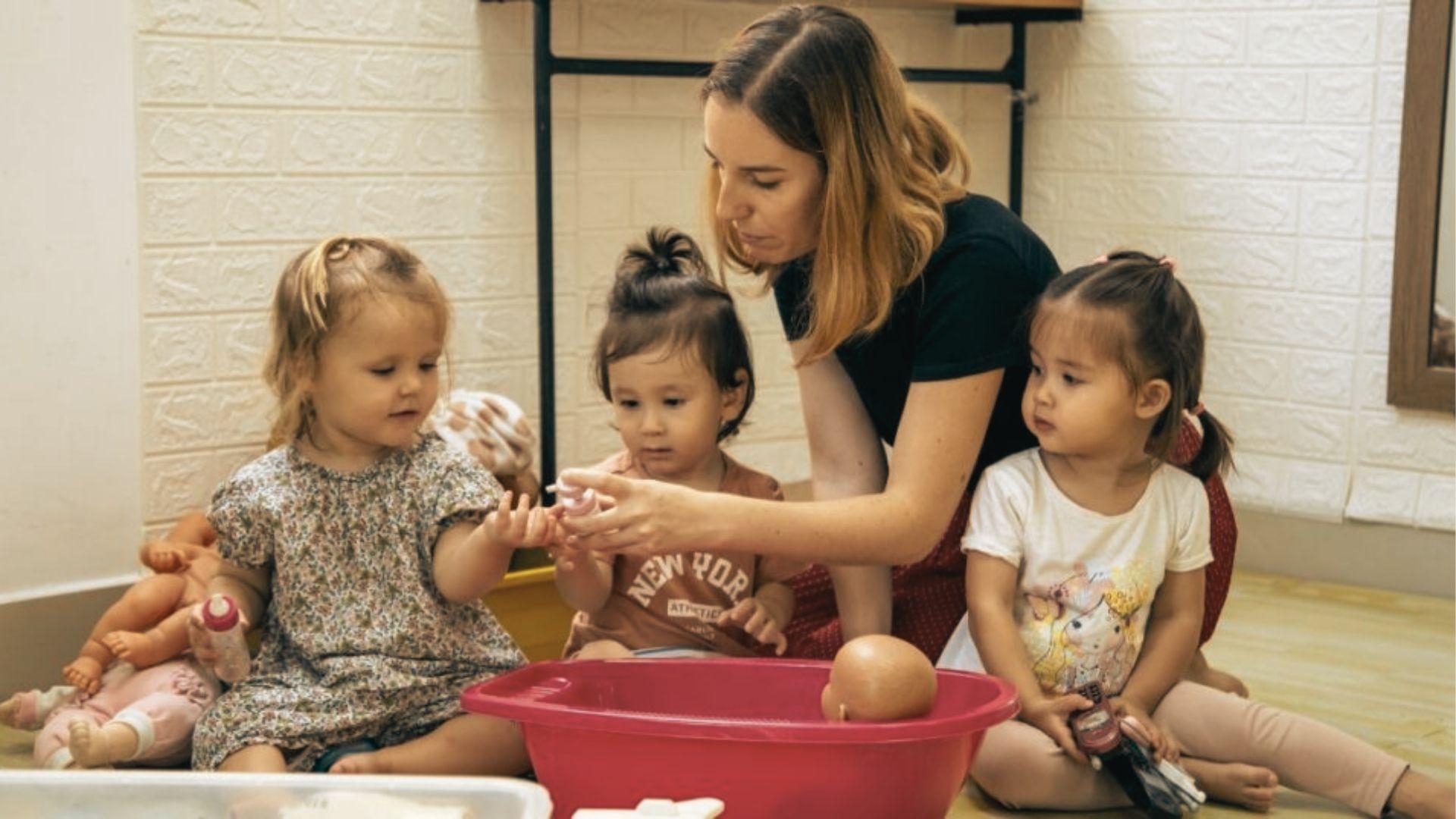
Strong communication skills set the stage for reading and social success.
Developing Skills
These are healthy signs that your child's language and communication are moving in the right direction.
Uses clear speech and complete sentences: By age 4, strangers should understand most of what your child says.
Follows simple instructions: Two-step directions at age 3, more complex ones by age 5.
Asks and answers questions: Asking "why" and "how" constantly is a healthy thinking sign.
Uses language for different purposes: Requesting, storytelling, greeting, and describing feelings all count.
Warning Signs
These signs may point to language delays or processing challenges that need early support.
Difficulty understanding instructions: Consistent confusion may be a processing issue, not behavior.
Limited vocabulary: Around 300 words by age 3, growing significantly by age 5.
Speech unclear for age: If strangers cannot understand your child by age 4, consult a speech pathologist.
Trouble expressing needs: Pointing or screaming instead of words past age 3 may need support.
Early Literacy (Reading and Writing)

Children build a reading foundation through listening, books, and early writing play.
Developing Skills
These signs show your child is building the early literacy skills they will need in school.
Recognizes letters and some sounds: Name letters come first. Most uppercase letters by age 5.
Understands that print carries meaning: Knowing words on a page tell a story is a key early concept.
Enjoys books and storytelling: Being read to build vocabulary and comprehension naturally.
Writes or scribbles in a linear way: Left-to-right scribbles show early writing awareness.
Warning Signs
These signs may point to early literacy gaps that are easier to close with timely support.
No interest in books or reading: Consistent disinterest is worth addressing with a teacher early.
Difficulty handling books or writing tools: Struggling to flip pages or hold a crayon affects readiness.
No recognition of letters by age 5: Complete lack of letter recognition may need evaluation.
Math and Cognitive Skills
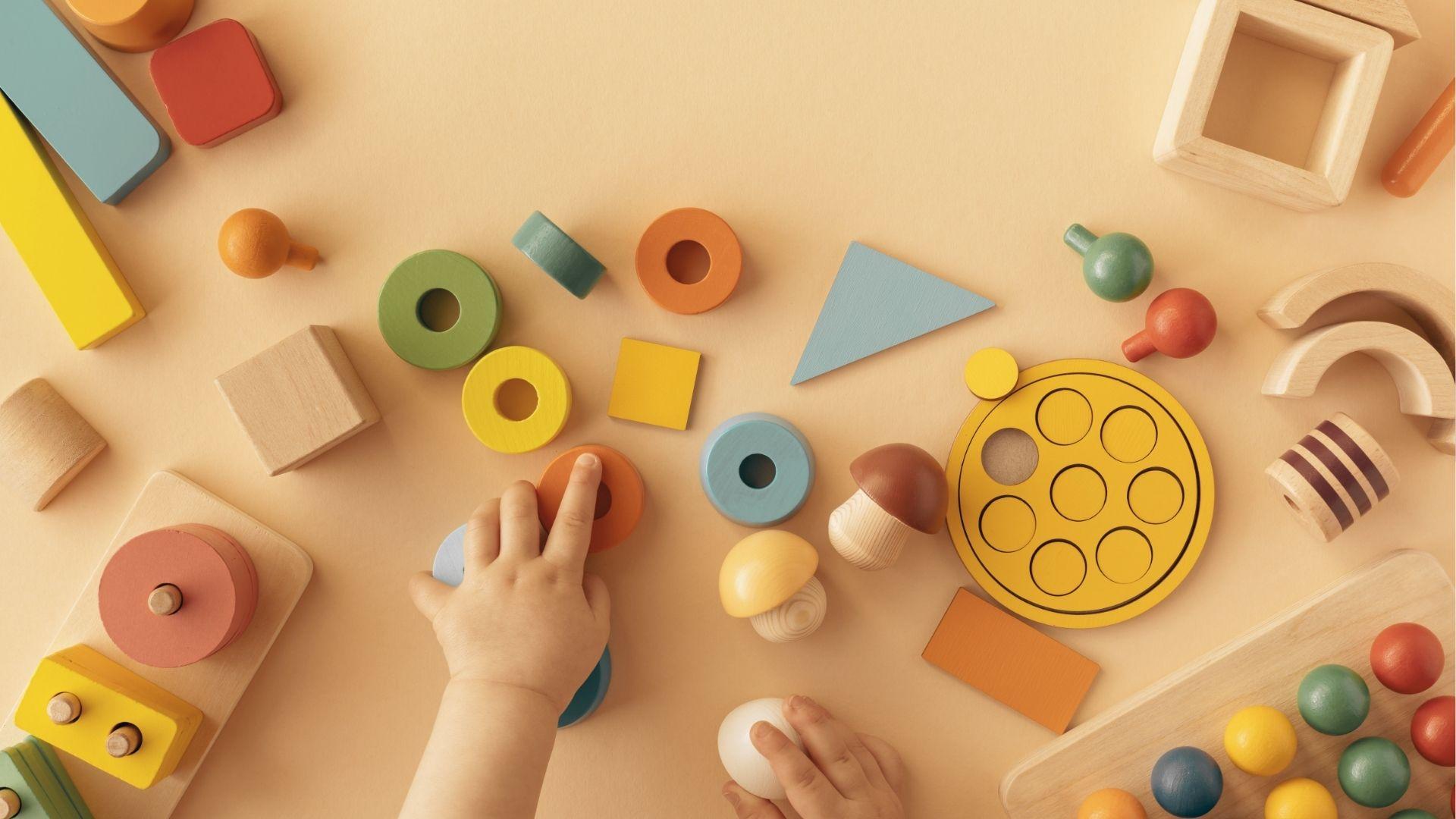
Counting, sorting, and problem-solving grow naturally through play and daily routines.
Developing Skills
These are positive signs that your child's thinking and early math skills are developing well.
Identifies shapes, colors, and sizes: Basic shapes and colors by age 3, comparisons like bigger and smaller by age 5.
Counts with or without help: Most 3-year-olds count to 5. Many reach 20 or beyond by age 5.
Sorts and classifies objects: Grouping by color, shape, or size is a key early math skill.
Recognizes patterns and sequences: Simple patterns appear naturally in play and learning.
Warning Signs
These signs may indicate cognitive delays or low engagement that benefit from early attention.
Difficulty with shapes or colors: No recognition by age 4 is worth mentioning to a doctor.
Trouble with counting: Skipping numbers or no interest in them by age 5 may need support.
Limited problem-solving: Giving up quickly or refusing to try puzzles is worth watching.
Low curiosity: A persistent lack of interest in exploring ideas is not typical at this age.
Sensory and Processing Skills
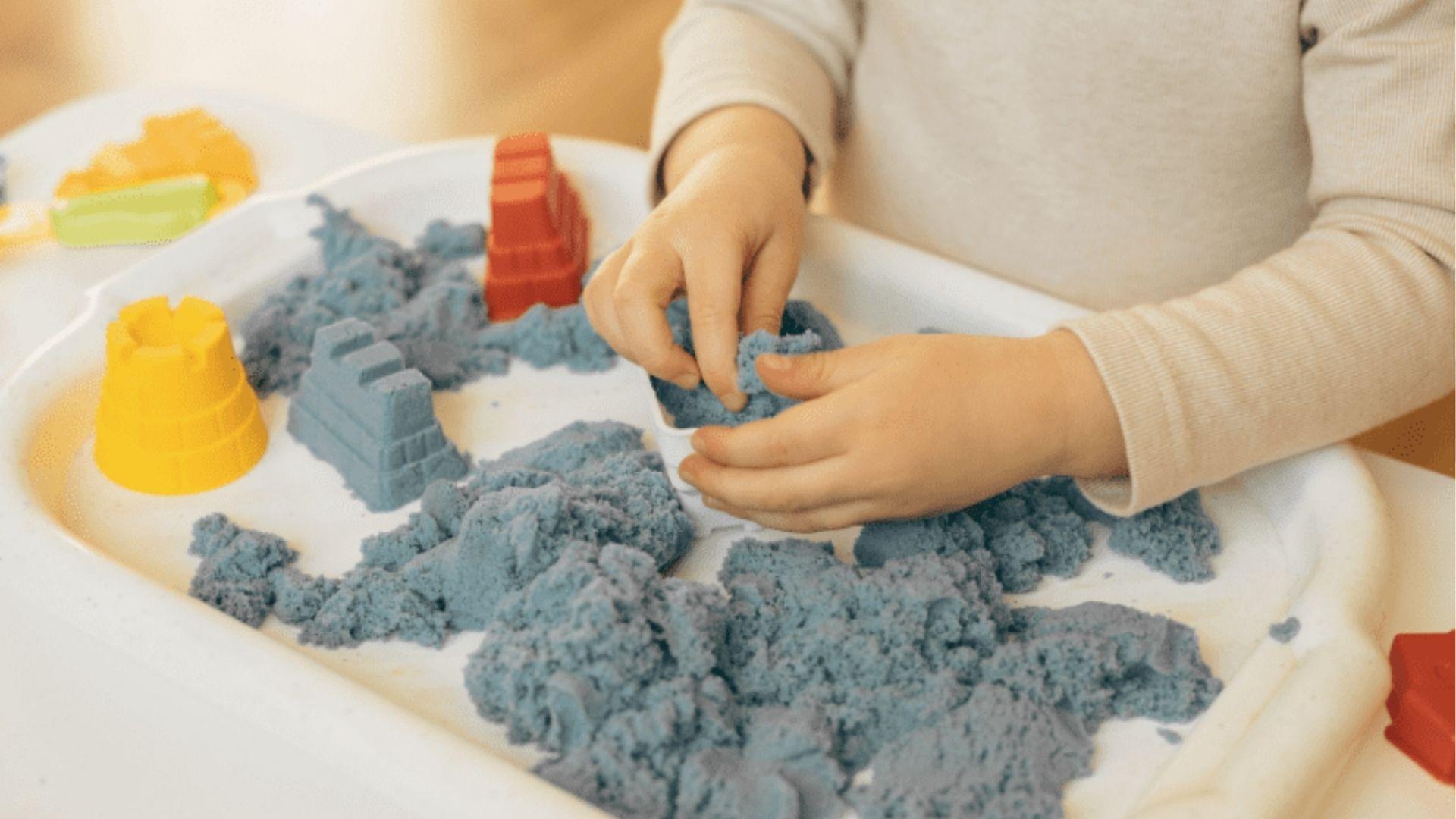
How children process the world around them affects their comfort, focus, and learning.
Developing Skills
These signs show your child is processing sensory information in a healthy and age-appropriate way.
Responds appropriately to sensory input: Handling normal sounds, touch, and movement without extreme reactions.
Enjoys varied textures and environments: Sand, water, and different surfaces are healthy sensory play.
Tracks moving objects visually: Following a ball or words on a page supports early learning.
Maintains focus in simple settings: Sitting through a short story or game is a reasonable expectation.
Warning Signs
These patterns may point to sensory processing differences that need a closer look.
Over or under-sensitivity: Covering ears at normal sounds or avoiding textures can signal sensory differences.
Avoids certain activities strongly: Preferences are normal, but extreme avoidance that limits daily life needs attention.
Easily distracted or overwhelmed: A child who cannot settle in any setting may need sensory support.
Difficulty with balance or coordination: This can connect to both sensory processing and motor development.
Creative and Exploration Skills

Play and curiosity help children make sense of the world and build confidence in their ideas.
Developing Skills
These signs show your child is using creativity and curiosity to learn and grow every day.
Engages in drawing, music, and pretend play: Pretend play builds language, empathy, and problem-solving together.
Shows curiosity about surroundings: Asking questions and wanting to know how things work are healthy signs.
Explores new ideas: "Why is the sky blue?" shows active, growing thinking.
Imitates sounds, roles, and actions: Playing house or copying a parent cooking are normal learning behaviors.
Warning Signs
These signs may indicate your child needs more support with imaginative and play-based learning.
Limited imagination or creativity: No pretend play by age 4 may benefit from guided play support.
Lack of curiosity: Little interest in anything new may need more stimulation or a developmental check.
Difficulty with play-based learning: Resistance to play in all forms at this age is worth exploring with a professional.
When to Be Concerned About Development
Most children hit milestones at slightly different times. But some patterns deserve a closer look.
Watch for delays across multiple skill areas at once, loss of skills a child already had, trouble connecting or communicating with others, and persistent behavioral challenges like ongoing aggression or extreme anxiety past age 5.
Seek professional help if your child is significantly behind for their age, if a teacher or caregiver raises concerns, or if home support is not making a difference.
Early help always works better than waiting.
How to Support Preschool Skill Development at Home
Small, everyday actions at home can make a real difference in how your child grows and learns.
- Encourage learning through play by setting up simple activities like blocks, drawing, or dress-up. Let your child lead and ask open questions to build thinking and creativity.
- Build consistent daily routines around mornings, meals, and bedtime. Predictability helps children manage emotions, follow directions, and feel safe.
- Provide hands-on activities like playdough, sorting buttons, or pouring water. These build fine motor skills and independence without any pressure.
- Support social interaction through playdates, park visits, or group classes. Stay nearby to guide gently when sharing or turn-taking gets tough.
- Read aloud every day to grow vocabulary, listening skills, and a love for stories. Even ten minutes daily makes a big difference over time.
Conclusion
Parenting a preschooler is full of questions. I have been there too, wondering if my child was doing enough or if I was doing enough. Honestly, the fact that you are reading this says a lot.
You care. That already makes a difference.
Use this checklist as a guide, not a grade. Every child grows in their own time. If something feels off, trust your instincts and reach out to a professional.
Found this helpful? Share it with a parent who might need it, or drop your thoughts in the comments below.
Frequently Asked Questions
What are the most important skills for a 3-year-old to have?
At age 3, children should speak in short sentences, follow simple instructions, and play alongside others. Basic self-care like using a spoon also matters.
How do I know if my child is ready for preschool?
If your child can separate from you calmly, follow basic directions, and express simple needs, they are likely ready for preschool.
What should I do if my child is missing several milestones?
Speak with your child's pediatrician. Early support gives children the best chance to catch up before kindergarten begins.
Can screen time affect preschool skill development?
Too much screen time limits play, movement, and conversation. Replacing it with reading and outdoor activities supports healthier development.
How can I help my child with language delays at home?
Talk and read with your child daily. Give them time to respond. If delays continue past age 4, consult a speech-language pathologist.