
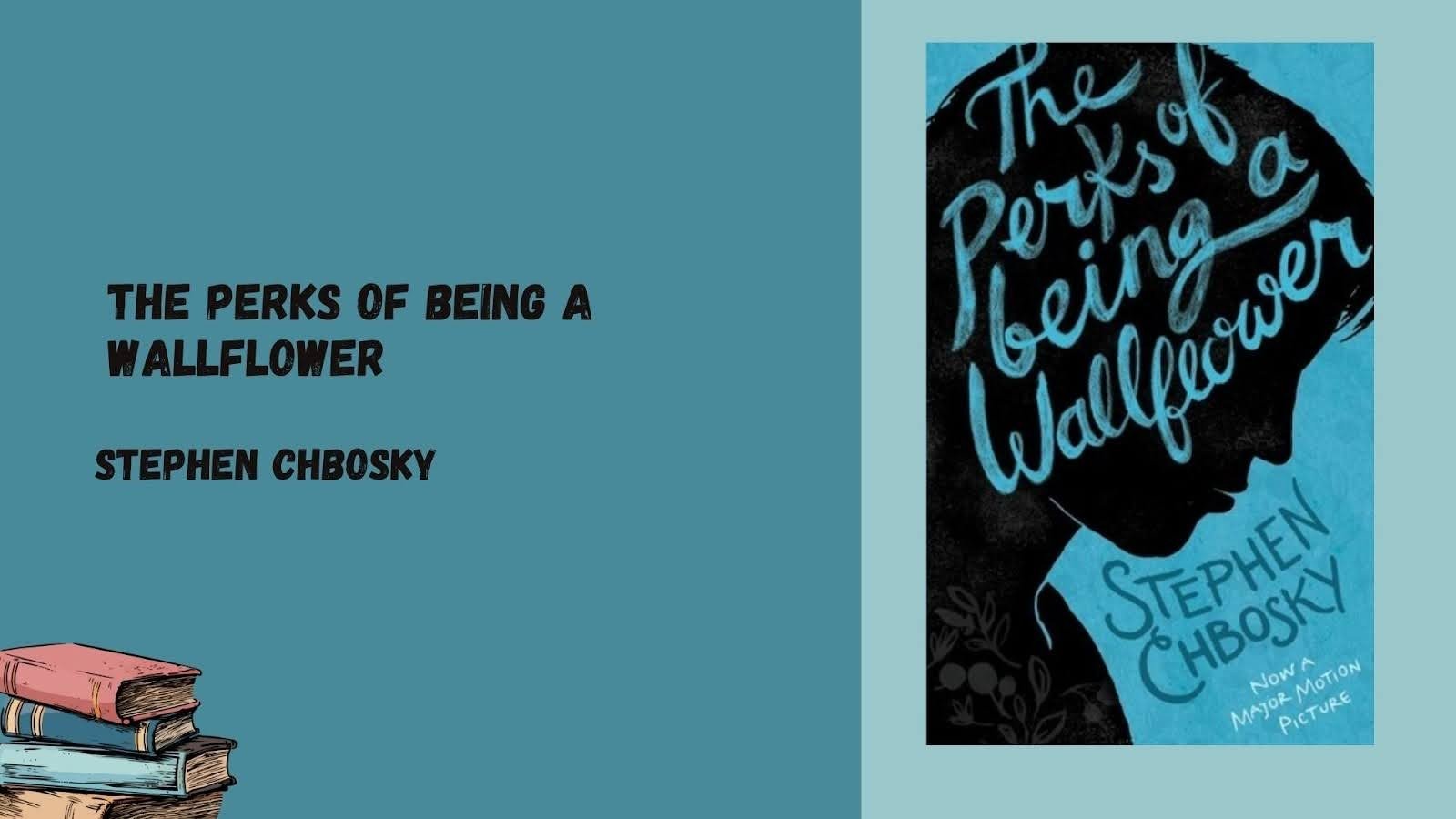
I’ve read countless young adult novels. Stephen Chbosky’s The Perks of Being a Wallflower stayed with me for years. This The Perks of Being a Wallflower review gives you the complete picture before you decide. I’ll share what resonated and what fell flat.
You’ll learn about the story, the letter format, the themes, and why readers connect with it. I’ll cover the writing approach, its cultural impact, and who will love this book.
I know you’re curious if this emotional story deserves your attention. I’ve stood exactly where you are. Trust me to give you honest opinions.
Let’s figure this out together.
Quick Summary of The Perks of Being a Wallflower
Charlie writes letters throughout his freshman year. He addresses an anonymous friend he’s never met. The story takes place in a Pittsburgh suburb during 1991 and 1992. Charlie struggles with mental health and past trauma.
He befriends two seniors named Sam and Patrick. They introduce him to new music, books, and experiences. Charlie participates while observing from the sidelines. He earns the nickname “wallflower” for this reason.
The letters reveal his thoughts about school, family, friendship, and growing up. Dark secrets emerge slowly. Charlie processes difficult memories while trying to find his place. The epistolary format makes readers feel like Charlie’s confidant.
My Reading Experience

Personal reflections on reading The Perks of Being a Wallflower from first page to final letter.
First Impressions
Understanding Charlie’s unique perspective on friendship, mental health, and high school life through intimate letters.
I expected a typical high school story. The opening letter caught me off guard. Charlie’s voice felt different. He writes with honesty that most teenagers hide. The dated references to mixtapes and typewriters placed me in the early 90s.
Each letter starts with “Dear friend” and ends the same way. This repetition created comfort. I felt like Charlie was writing to me. The short letter format made pages fly by. Something about Charlie’s vulnerability pulled me in completely.
The Emotional Impact
How Charlie’s path through trauma, friendship, and self-awareness creates powerful emotional connections with readers.
This book hit me harder than expected. Charlie’s struggles felt painfully real. His depression wasn’t romanticized or glossed over. Chbosky treats mental health with care and realism.
When Charlie feels infinite in the tunnel, I felt it too. When he breaks down, my heart broke with him. I cried during the final letters. The book shows how healing takes time and support.
Characters That Stand Out
Meeting the unforgettable friends who shape Charlie’s pivotal year and leave lasting impressions on readers.
Sam is complex beyond the typical love interest. Her kindness toward Charlie feels genuine. Patrick brings humor and heart to every scene. His storyline addresses difficult topics with sensitivity.
Charlie’s English teacher Bill guides without pushing. He sees Charlie’s potential and nurtures it. Each character feels like a real teenager with real problems.
Themes and Messages
Core themes of identity, mental health, friendship, and art that make this book resonate with readers.
Growing Up and Identity
Charlie faces the confusing transition from childhood to adulthood and questions everything about himself.
Who is he? What does he believe? Where does he fit? The book captures that uncertain feeling perfectly. Charlie experiments with different versions of himself. He makes mistakes and learns from them. Chbosky shows how we build ourselves through experiences.
Mental Health and Trauma
Past trauma shapes Charlie’s present, and the book handles this topic with care and authenticity.
Charlie’s mental health struggles feel authentic. Depression, anxiety, and PTSD appear without labels. Chbosky lets the symptoms speak for themselves. The ending reveals why Charlie acts certain ways. The book shows how therapy and support help healing.
Friendship and Belonging
Charlie finds his people who accept him completely and create a safe space for vulnerability.
Sam and Patrick become Charlie’s anchor during rough times. The book examines different types of love. Romantic love, platonic love, familial love all appear. Chbosky shows how connection saves us. We need people who see us and accept us.
Books, Music, and Art
Bill introduces Charlie to literature and music that become languages for processing emotions and healing.
The Catcher in the Rye, The Great Gatsby, and To Kill a Mockingbird shape his thinking. Music becomes a language for emotions. The mixtape symbolizes connection and care. This theme resonates with readers who found themselves through books or music.
Writing Style and Structure
How Chbosky’s unique letter format and Charlie’s simple voice create powerful emotional storytelling.
Epistolary Format:
Understanding how letter-writing creates intimacy and allows direct access to Charlie’s unfiltered thoughts and emotions.
Chbosky chose letters for a reason. This format creates immediate intimacy. We read Charlie’s private thoughts. No narrator filters his perspective. The letters feel confessional and raw. I found the subjective view powerful.
Simple Yet Profound Voice:
Examining Charlie’s distinctive narrative voice that balances teenage simplicity with surprising emotional and philosophical depth.
Charlie writes simply. His sentences are short. His vocabulary stays basic. But this simplicity carries weight. He notices small details that reveal big truths. The contrast between simple language and complex emotions works beautifully. Chbosky proves you don’t need fancy prose to move readers.
Critical Reception & Awards
The book gained cult status after publication in 1999. It wasn’t an immediate bestseller. Word of mouth spread slowly and steadily. Teenagers passed copies to friends. Teachers added it to reading lists.
MTV Books published it originally. Major publishers picked it up later. The 2012 film adaptation introduced new readers. Sales exploded after the movie. The book has sold millions of copies worldwide.
Critics praised its authentic teenage voice. Some challenged it for mature content. Many schools banned it. These controversies increased interest. The book appears on both “most loved” and “most banned” lists regularly.
The Movie Adaptation

Chbosky adapted his own book into a film in 2012. He wrote the screenplay and directed it himself. This allowed faithful translation from page to screen.
Logan Lerman plays Charlie with sensitivity and depth. Emma Watson brings passion to Sam’s character. Ezra Miller shines as Patrick with humor and heart. The casting feels perfect for these roles.
The film captures the book’s emotional core. It maintains the intimate feel of Charlie’s story. The tunnel scene became iconic among fans. The soundtrack features period appropriate music from the early 90s.
Critics praised the adaptation for staying true to the source material. The movie earned strong reviews and connected with audiences. It introduced the story to new readers who discovered the book after watching.
Notable Reviews & Ratings
Goodreads: 4.24/5. The book has over 1.7 million ratings. Around 52% gave it 5 stars and 28% gave it 4 stars. The high rating shows strong reader connection with Charlie’s story despite some finding it slow paced.
Amazon: 4.6/5. Based on 41,000+ ratings across editions. Readers praise the emotional authenticity though some note the mature content requires readiness.
Global Response: The book maintains consistent high ratings across international markets, demonstrating universal themes that transcend cultural boundaries and resonate worldwide.
What Reviewers Are Saying:
- Readers on Goodreads connect deeply with Charlie’s vulnerability. One reviewer wrote “this book understood me when nobody else did” and appreciated how Chbosky “captured the confusion of being young perfectly.”
- The New York Times called it “a coming-of-age story that actually gets it right” and praised “Chbosky’s ability to write a teenager who sounds like a real teenager.”
- Entertainment Weekly highlighted the book’s staying power, calling it “the novel that defined a generation’s feelings about not fitting in.” They praised how “Chbosky handles difficult topics with care and never exploits his characters’ pain.”
Personal Thoughts
Years after reading this book, certain moments still surface in my mind. The tunnel scene represents freedom I still chase. Charlie’s observations about people remind me to notice what others miss.
His struggle with being present versus watching life happen challenges me regularly. This book taught me that vulnerability isn’t weakness.
It showed me how friendship saves us when we’re drowning. I return to it when I need reminding that feeling deeply is a gift, not a burden.
About the Author: Stephen Chbosky

Learning about Chbosky’s background as writer and filmmaker who created an authentic teenage voice.
Stephen Chbosky wrote this as his first novel. He drew from his own high school experiences. The book took five years to complete. He wanted Charlie’s voice to feel genuine.
Chbosky also works in film and television. He directed The Perks of Being a Wallflower movie adaptation. He wrote the screenplay himself. This allowed faithful translation from page to screen.
He understands teenagers deeply. His empathy shines through Charlie’s letters. Chbosky doesn’t talk down to young readers. He respects their intelligence and emotions. This respect makes the book timeless.
Conclusion
I finished The Perks of Being a Wallflower feeling seen and understood. The way Chbosky writes about loneliness and belonging still resonates with me years later.
This The Perks of Being a Wallflower review reflects my genuine experience with a book that speaks truth about growing up.
If you’ve read it, I’m curious which letter affected you most. Drop a comment and let’s discuss it. Haven’t picked it up yet? Maybe now’s your moment. Share this with someone who needs to feel less alone.
Frequently Asked Questions
Is The Perks of Being a Wallflower appropriate for teenagers?
The book contains mature content including sexuality, substance use, and trauma. Most experts recommend ages 14 and up with parent awareness.
Why does Charlie write to an anonymous person?
Charlie needs to share his thoughts but fears judgment from people who know him. The anonymous friend provides a safe space for honesty.
Is The Perks of Being a Wallflower based on real events?
Chbosky drew from his own high school experiences and observations. Charlie is fictional but feels authentic through these real inspirations.
How long does it take to read The Perks of Being a Wallflower?
The book is 224 pages long. Most readers finish it in 3 to 5 hours depending on pace and emotional processing time.
Do I need to know 90s culture to enjoy the book?
No. The specific time period adds flavor but the emotions and themes remain universal across generations.