
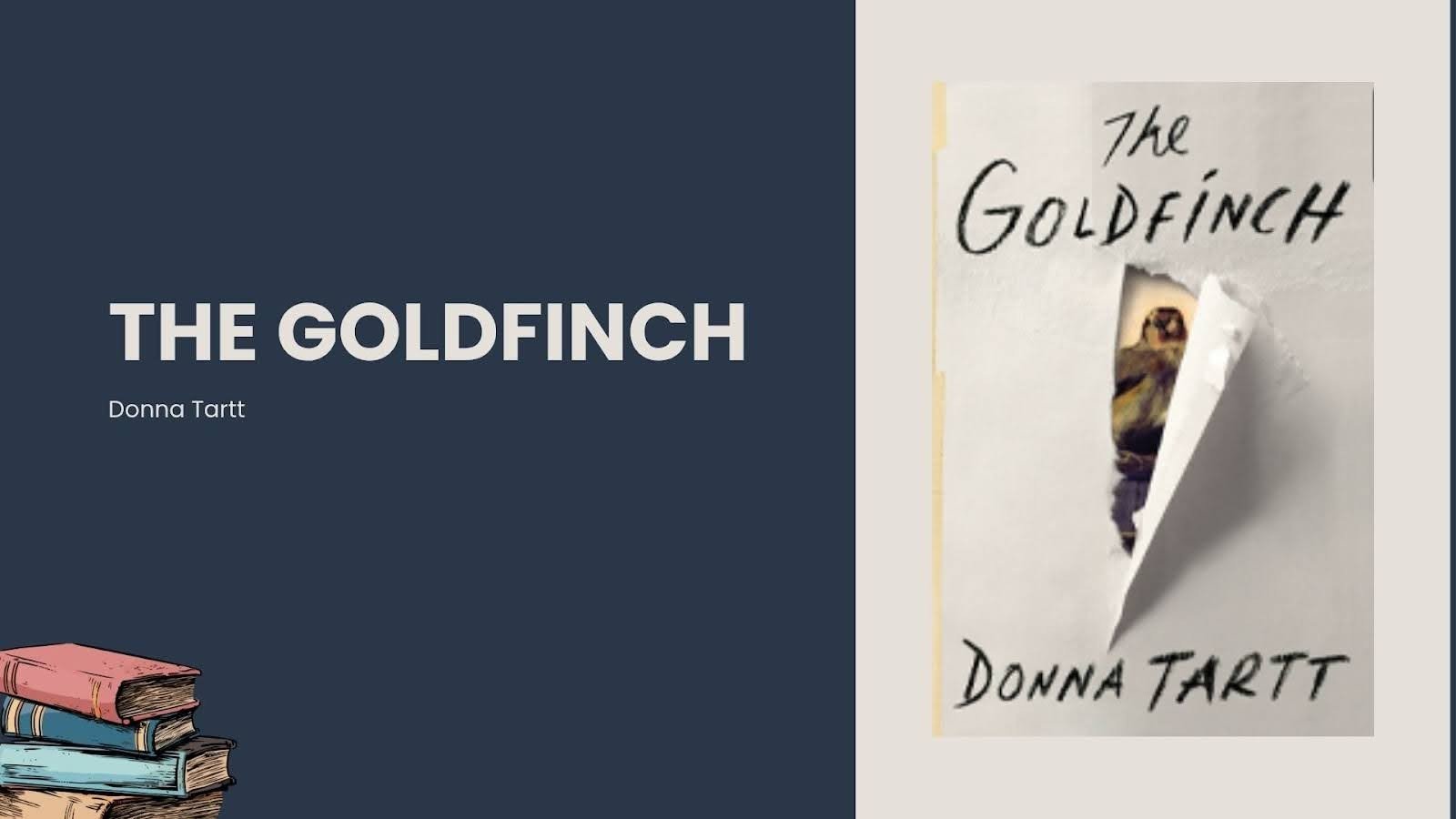
Have you heard about The Goldfinch? This Pulitzer Prize winner seems to split readers right down the middle. Some people call it a masterpiece. Others say it’s overrated. So what’s the real story?
I wanted to find out for myself. This review brings together what readers think, what critics say, and my own take after finishing all 771 pages.
If you’re wondering whether to pick up this chunky novel, stick around. Let’s figure out if The Goldfinch deserves a spot on your reading list.
Quick Summary: What The Goldfinch Is About (No Spoilers)

Theo Decker is just 13 years old when a bombing at the Metropolitan Museum of Art kills his mother. In the chaos and confusion, he walks out with a small Dutch painting called The Goldfinch. This one moment changes everything about his life.
The painting becomes Theo’s secret. He can’t let it go, even though keeping it puts him in danger. As he grows up, the artwork connects him to his past and his mother.
It also pulls him into a world of art dealers, criminals, and people who want what he has. The painting isn’t just a stolen object. It becomes part of who Theo is.
The story looks at how we deal with grief and trauma. Theo struggles to find his place in the world after losing everything.
The book asks big questions about art and what makes life worth living. It shows how one terrible event can shape a person’s entire future.
Through Theo’s story, we see what happens when beauty and tragedy collide.
Literary Analysis: What Makes The Goldfinch Stand Out
This section breaks down Tartt’s writing style, the novel’s structure, and the deeper meanings behind the famous painting.
A Modern Bildungsroman with Classical Echoes
The Goldfinch is a coming-of-age story, but it’s not your typical one. Donna Tartt takes the classic Bildungsroman format and gives it a dark, modern twist.
We follow Theo from age 13 to his late twenties, watching him grow through trauma, addiction, and moral confusion.
The book has echoes of Charles Dickens and Fyodor Dostoevsky. Like those classics, it shows how childhood experiences shape who we become as adults.
Tartt’s Intricate Prose and Atmospheric World-Building
Tartt’s writing style sets this book apart. She doesn’t rush anything. Her sentences are long and detailed, painting vivid pictures of every room, every character, every feeling. Some readers love this rich, atmospheric approach.
Others find it slow. The New York settings feel real and lived-in. The Las Vegas chapters have a hazy, desperate quality that matches Theo’s state of mind. Tartt builds entire worlds with her words.
Symbolism of the Goldfinch Painting as a Tether to Love and Memory
The painting itself carries deep meaning throughout the story. For Theo, The Goldfinch represents his mother and the last normal moment of his life. It’s his connection to love, beauty, and everything he lost.
But it’s also a burden. The painting traps him just like the chained bird in the artwork. This layered symbolism gives the novel its emotional weight. The Goldfinch isn’t just a stolen painting. It’s a mirror of Theo’s soul.
Character Exploration: Complex, Flawed, Unforgettable
Meet the characters who make this story memorable, from the troubled hero to his chaotic best friend.
Theo Decker: A protagonist shaped by grief and poor choices
Theo is not an easy character to love. He makes bad decisions, lies constantly, and struggles with addiction. After losing his mother, he spends years trying to survive in a world that feels empty.
He’s smart and sensitive, but trauma has twisted him. Some readers find him frustrating. Others see a damaged person doing his best.
Boris: Chaotic charm and the novel’s moral provocateur
Boris is the wild card. He drinks, does drugs, and lives without rules. But he’s also loyal, funny, and oddly wise.
Boris challenges everything Theo thinks about right and wrong. Many readers say Boris is their favorite character. He brings energy and unpredictability to the story.
Pippa, Hobie & the Barbours: Stability, longing, and emotional contrast
These characters represent different versions of the life Theo could have had. Pippa survived the same bombing, and Theo feels deeply connected to her.
Hobie is the kind furniture restorer who becomes like a father. The Barbours are the wealthy family who takes him in but never quite makes him feel like he belongs.
The Mixed Reception – Why Readers and Critics Disagree
The Goldfinch won major awards but also sparked heated debates. Here’s what people loved and hated about it.
Praise: Emotional depth, atmospheric writing, and psychological realism
Fans praise the book’s emotional power. They say Tartt captures grief and trauma in ways that feel true to life. The settings come alive on the page.
Many readers connect deeply with Theo’s psychological struggles. They appreciate how the book doesn’t offer easy answers.
Criticism: Overly long passages, heavy detail, and philosophical digressions
Critics argue the book is too long. Some say Tartt includes too much description and not enough action. The Las Vegas section drags for many readers.
Others find the philosophical discussions at the end preachy. Some literary critics called it melodramatic and overrated.
Comparing perspectives
Different reviewers had wildly different takes. Amina’s Bookshelf called it an emotional masterpiece. Christopher Willard called it bloated and overrated.
On Goodreads, the ratings show this split clearly. The book has thousands of five-star reviews and thousands of one-star reviews.
Some readers call it their favorite book ever. Others say they couldn’t finish it. This divide makes The Goldfinch one of the most polarizing novels in recent memory.
Themes Worth Discussing – What the Story Really Tries to Say
Beyond the plot, these big ideas give The Goldfinch its lasting impact and meaning.
- Grief sits at the center of this book. Theo loses his mother suddenly, and he never really recovers. The story shows how grief doesn’t follow a neat timeline.
- Theo’s entire sense of self comes from trauma. The stolen painting becomes part of his identity, connecting him to his mother and to beauty.
- The final chapters get philosophical, asking whether art can save us or just make life bearable.
- Tartt questions whether our lives follow fate or random chance.
- The book suggests that humans survive by holding onto small pieces of beauty, even when life feels meaningless.
The Goldfinch in Popular Culture & Literary Significance
How this novel earned its place in modern literature and why the movie fell flat.
Why the novel won the Pulitzer Prize
The Goldfinch won the 2014 Pulitzer Prize for Fiction. The judges praised its ambitious scope and emotional depth.
But the win was controversial. Some critics felt the book was too commercial for a Pulitzer. Still, the award cemented it as an important work in contemporary American literature.
Movie Adaptation Reception vs. Book Reception
The 2019 movie was a major disappointment. Critics and audiences gave it poor reviews. The film tried to compress 700 pages into two and a half hours, and it didn’t work. Important character development got cut.
The movie has a 24% rating on Rotten Tomatoes. Meanwhile, the book maintains a 4.0 rating on Goodreads and 4.5 stars on Amazon. The failure actually strengthened appreciation for the novel. It showed that Tartt’s detailed prose wasn’t a flaw but essential to what makes the story work.
Who Should Read The Goldfinch?
This book isn’t for everyone. Here’s who will love it and who might want to skip it.
This book works best for readers who love atmospheric, character-driven stories. If you enjoy slow-burn narratives with philosophical depth, you’ll appreciate what Tartt does here.
But if you prefer fast-paced plots or minimal description, this isn’t your book. The lengthy passages will feel exhausting.
Readers who loved Dickens or Dostoevsky will recognize the style. Those who want quick, action-packed stories should look elsewhere.
About the Author – Who Is Donna Tartt?

Donna Tartt is a critically acclaimed American novelist known for taking her time with her craft.
She spends about a decade writing each book, which shows in her meticulous attention to detail. She won the Pulitzer Prize and Carnegie Medal for The Goldfinch.
Her other notable works include The Secret History and The Little Friend. Tartt’s signature style features richly descriptive prose, psychologically complex characters, and influences from classical literature.
Her careful, old-fashioned approach to storytelling sets her apart in modern fiction. This same style sparks debate among readers and critics, creating both devoted fans and harsh critics.
Conclusion
I finished The Goldfinch feeling both exhausted and moved. Yes, it’s too long in places. Yes, some sections drag. But something about this book stays with you.
Tartt creates characters who feel painfully real. Theo’s struggle with grief and guilt hit me harder than I expected. The book isn’t perfect, but its imperfections feel human.
It asks big questions about art, loss, and how we keep going when life breaks us. Would I recommend it? If you have patience and love literary fiction, absolutely.
Just know what you’re getting into. This book demands your time and attention, but it gives something back.
Frequently Asked Questions
Is The Goldfinch based on a true story?
No, The Goldfinch is entirely fictional. However, the painting at the center of the story is real and hangs in the Mauritshuis museum in the Netherlands.
How long does it take to read The Goldfinch?
Most readers finish it in 15 to 25 hours of reading time. The book has 771 pages, so it depends on your reading speed and how much you connect with the story.
Is The Goldfinch appropriate for young readers?
The book contains mature themes including drug use, violence, and trauma. It’s best suited for older teens and adults who can handle heavy emotional content.
Should I read the book or watch the movie?
Read the book. The 2019 movie adaptation received poor reviews and failed to capture the depth and complexity of the novel.
Why is The Goldfinch so controversial?
Readers are split between loving and hating it. Some find it beautifully written and emotionally powerful. Others think it’s too long, slow, and overly detailed.