
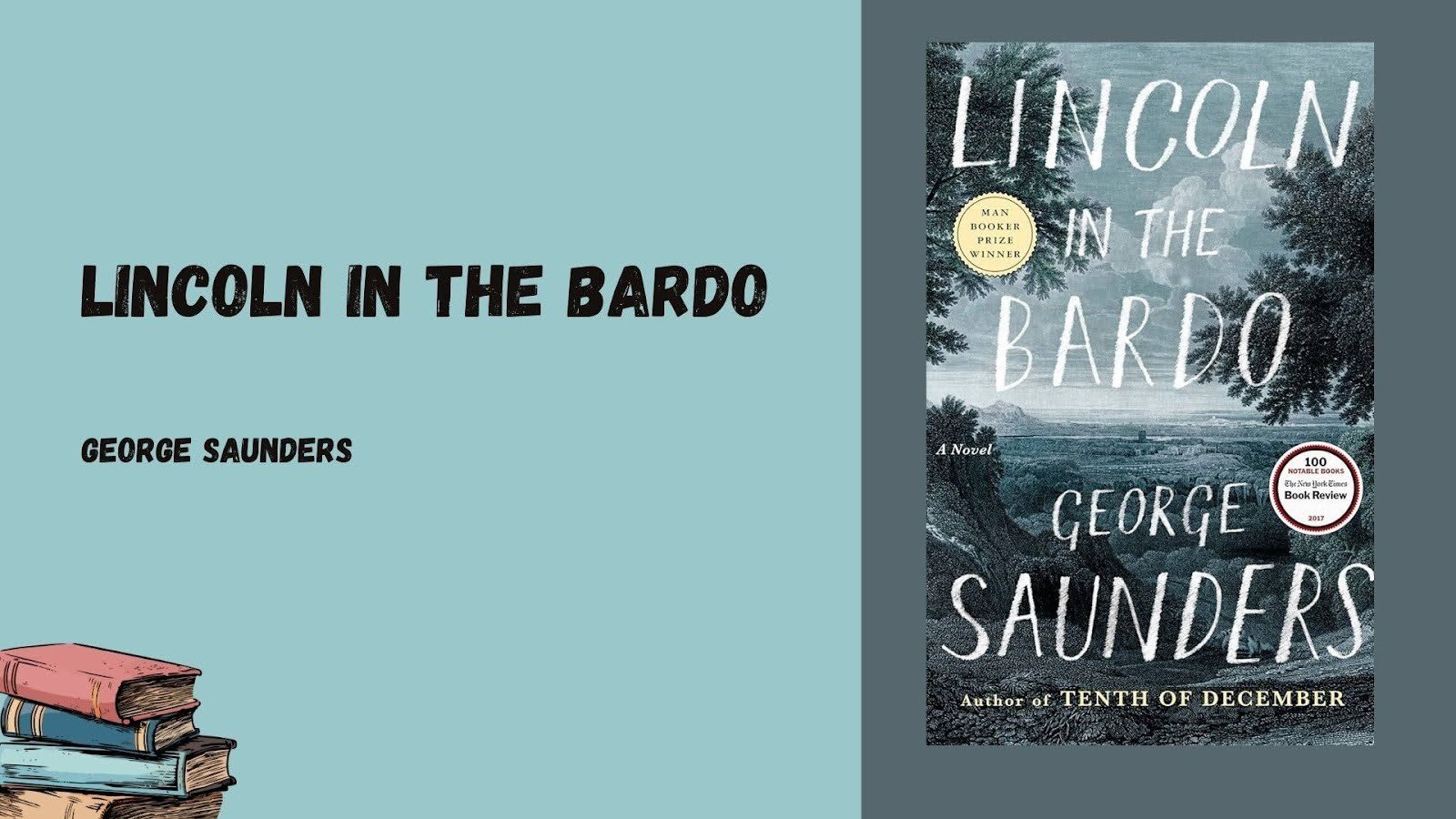
I’ve read hundreds of novels. George Saunders’ Lincoln in the Bardo left me speechless. This Lincoln in the bardo review gives you the real story before you buy. I’ll share what worked and what didn’t.
You’ll learn about the plot, the weird structure, the themes, and why critics loved it. I’ll cover the writing style, the awards it won, and who should read it.
I know you’re wondering if this experimental book is worth your money and time. I’ve been exactly where you are.Trust me to give you straight answers.
Let’s figure this out together.
Quick Summary of Lincoln in the Bardo
The story unfolds in a graveyard during one night in 1862. President Abraham Lincoln visits the crypt where his son Willie lies dead. Willie was just eleven when fever took him. The bardo is a Buddhist concept. It’s the space between death and what comes next.
Ghosts inhabit this cemetery. They don’t realize they’re dead. They call their graves “sick boxes” and refuse to move on. These spirits witness Lincoln’s grief.
They interact with Willie’s ghost. The novel uses hundreds of voices to tell this story. Some voices are historical records. Others belong to the ghosts themselves.
My Reading Experience

From confusion to clarity, how this strange book won me over.
First Impressions
I picked up this book expecting a traditional novel. Page one shocked me. The text jumps between different speakers constantly. At first, I felt lost. Names appear before each snippet of dialogue.
Hans Vollman speaks, then Roger Bevins III, then someone else entirely. I almost put it down. But something kept me reading. After twenty pages, the rhythm clicked.
The fragmented voices started to feel natural. They created a chorus effect. This wasn’t confusion. It was an intentional design.
The Emotional Impact
Grief sits at the heart of everything here. Lincoln’s sorrow feels raw and real. Saunders doesn’t tell us Lincoln is sad. He shows us a father returning to touch his son’s body. That image gutted me. I thought about my own losses while reading.
The ghosts mirror Lincoln’s inability to let go. They cling to their old lives. They make excuses for staying. This book made me cry twice. Once for Willie. Once for all the spirits trapped by their own regrets.
Characters That Stand Out
Roger Bevins III is memorable for his humor and sadness. He died young and can’t accept it. Hans Vollman waits for his wife, not knowing decades have passed. The Reverend adds philosophical depth.
Each ghost carries specific regrets. Some are funny. Some are heartbreaking. Together, they feel like a complete community. Their voices blend to move the plot forward. They become invested in Willie’s fate. Through them, Saunders explores what we hold onto when we die.
Themes and Messages
What this book really wants to tell you about life, death, and letting go.
Grief and Loss
Lincoln’s mourning drives the entire narrative. He returns to the cemetery against all advice. He opens Willie’s coffin. He holds his son’s body. This act of desperate love defines the book. The ghosts reflect our human struggle with death.
They refuse to move forward. They build elaborate stories about why they must stay. Saunders asks: when do we finally let go? The answer isn’t simple.
Life, Death, and the In-Between
The bardo represents liminal space. It’s neither here nor there. The ghosts exist in denial. They believe they’re just temporarily sick or resting. This creates both comedy and tragedy. Saunders uses this setting to examine mortality.
What happens when we die? Do we resist? Do we accept? The novel doesn’t preach answers. It raises questions through the story.
Empathy and Human Connection
Multiple voices tell this tale. Historical documents blend with ghost testimony. This structure emphasizes our shared humanity. Everyone experiences loss. Everyone fears death.
The overlapping narratives create empathy. We see how pain connects us across time and circumstance. Even in death, these spirits need each other.
Writing Style and Structure
Why does this book look nothing like what you’re used to reading?
Experimental Narrative Form:
Saunders uses a polyphonic approach. That means many voices speak. Some sections are just a few words. Others run longer. Historical excerpts appear between ghost dialogues. Real accounts of Lincoln’s grief mix with invented characters.
This forces active reading. You piece the story together yourself. It feels like assembling a puzzle. Some readers love this. Others find it frustrating. I found it brilliant after I adjusted.
Blending History with Fiction:
Real historical texts appear throughout. Letters, newspaper accounts, and memoirs provide factual grounding. Then Saunders invents emotional truths. He imagines Lincoln’s inner world.
He creates ghosts who witnessed that night. This blend makes the story feel authentic yet dreamlike. You can’t always tell what’s real and what’s imagined. That’s the point.
Critical Reception & Awards
Critics praised this book widely. It won the Man Booker Prize in 2017. Major publications called it innovative and moving. The New York Times featured it prominently. Literary circles discussed its experimental form.
Some traditional readers struggled with the structure. But most agreed Saunders achieved something special.
The book has gained status as a modern classic. It appears on “best of” lists regularly. Teachers use it in creative writing courses.
Notable Reviews & Ratings
Goodreads: 3.83/5 Around 38% gave it 5 stars and 28% gave it 4 stars. The book shows divided reader response with experimental structure praised by some and challenging for others.
Amazon US: 4.2/5 Based on 4,200+ reviews for the hardcover edition. Readers appreciate the emotional depth though some struggle with the format.
Amazon India: 4.3/5 From 1,240 ratings. The international response shows consistent appreciation for Saunders’ ambitious storytelling.
What Reviewers Are Saying:
- Readers on Goodreads praised the emotional core of the story. One reviewer stated “this book broke my heart in the best way” and appreciated how Saunders “made history feel alive and personal.” Many noted the experimental structure required patience but rewarded careful reading.
- The New York Times highlighted the novel’s ambition as “a wild gambit” that succeeds through “Saunders’ deep humanity and careful craft.” They recognized how the polyphonic voices create “a chorus of American experience centered on one father’s grief.”
- The Guardian emphasized the book’s innovation, calling it “unlike anything else in contemporary fiction.” While acknowledging the challenging format, they praised how “Saunders turns a historical moment into something profound and universal.”
- The consistent praise across platforms shows readers and critics value Saunders’ experimental approach and emotional honesty, though some find the structure difficult initially.
Personal Thoughts
This book suits readers who enjoy literary experiments. If you love traditional narratives, you might struggle. The structure demands patience. But that patience pays off.
Strengths: emotional depth, innovative form, historical resonance, memorable characters. The novel stays with you long after finishing.
I still think about certain scenes months later. It’s not an easy read. It’s a rewarding one. Anyone interested in grief, Lincoln, or pushing literary boundaries should read this.
It remains important because it dares to be different. Saunders takes real risks here. They mostly work.
About the Author: George Saunders

George Saunders is known for short stories. He writes with dark humor and deep empathy. His work often includes satirical elements. Technology and capitalism appear as targets. But humanity always shines through. Before Lincoln in the Bardo, he’d never written a novel.
That makes this achievement more impressive. His stories appear in The New Yorker frequently. He teaches creative writing at Syracuse University.
Students describe him as generous and insightful. This novel fits his larger themes perfectly. He cares about kindness, loss, and human connection.
Conclusion
I finished Lincoln in the Bardo at 2 AM, unable to put it down. The way Saunders writes about grief still sits with me months later.
This Lincoln in the Bardo review reflects my honest experience with a book that challenges you but rewards that effort.
If you’ve read it, I’m curious which part hit you hardest. Drop a comment and let’s talk about it. Haven’t picked it up yet? Maybe now’s the time. Share this with a friend who loves books that take risks.
Frequently Asked Questions
Is Lincoln in the Bardo based on a true story?
Willie Lincoln’s death and Abraham Lincoln’s cemetery visits are historical facts. The ghosts and their conversations are entirely fictional.
Why is the book called Lincoln in the Bardo?
The bardo is a Buddhist transitional state between death and rebirth. Both Willie and Lincoln are emotionally stuck between states.
Is Lincoln in the Bardo hard to read?
The fragmented structure challenges readers at first. Give it thirty pages and the rhythm becomes natural.
How long does it take to read Lincoln in the Bardo?
The book is 340 pages. Most readers finish it in 4-6 hours.
Do I need to know about Buddhism to understand the book?
No. Saunders explains the bardo concept through context, and the story works on emotional levels alone.