
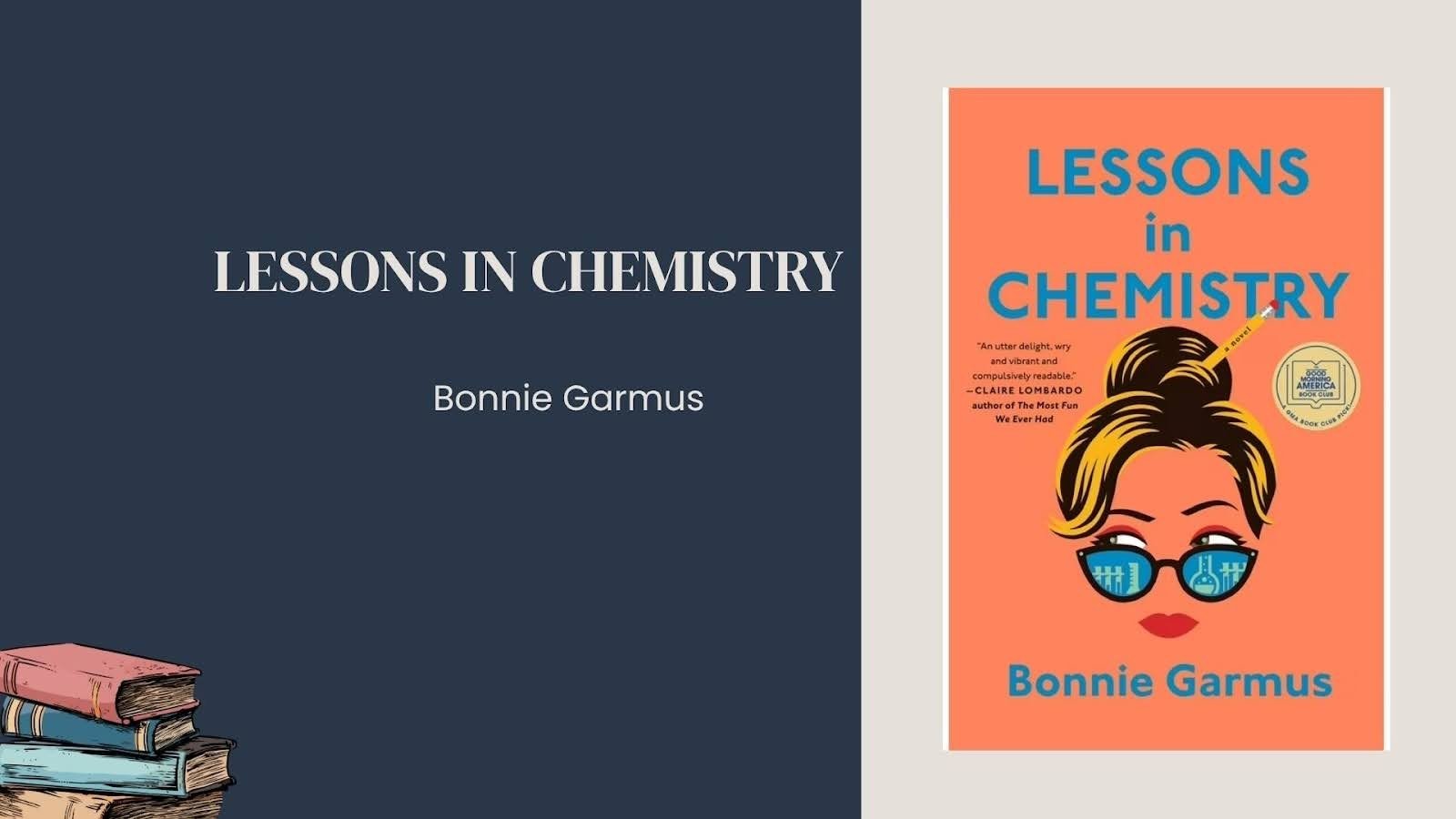
I recently finished reading Lessons in Chemistry, and I need to share my thoughts with you. This 2022 bestseller by Bonnie Garmus took the literary world by storm.
It even landed an Apple TV+ adaptation with Brie Larson.In this review, I’ll cover everything about this feminist historical novel.
You’ll learn about the plot, characters, writing style, and themes. I’ll discuss what works and what doesn’t. I’ll also compare the book to the TV series.
I spent weeks analyzing this book. I want to give you an honest, thorough breakdown. This helps you decide if it’s worth your time.
I’ll focus on what matters most: is it a good read?
My goal is simple. Help you understand if Lessons in Chemistry fits your taste. Let’s get into it.
Book Overview

Lessons in Chemistry mixes historical fiction with touches of magical thinking. It’s set in the 1960s and follows one woman’s fight for respect.
The story centers on Elizabeth Zott. She’s a chemist who refuses to play by society’s rules. After losing her lab job, she becomes an unlikely cooking show host.
But she treats cooking like chemistry. Her show becomes a platform for women’s empowerment.Elizabeth faces workplace discrimination, single motherhood, and societal expectations.
The book includes whimsical elements like a talking dog. Serious moments mix with humor. The pacing keeps you engaged throughout.
Key Characters
The unforgettable people (and dog) who shape Elizabeth Zott’s extraordinary journey.
Elizabeth Zott

Elizabeth Zott is the heart of the story. She’s brilliant, stubborn, and fiercely independent. She sees the world differently than everyone else.
Her refusal to compromise her values drives the entire narrative. She approaches every situation with scientific logic and brutal honesty.
Dr. Calvin Evans

Dr. Calvin Evans enters her life as a colleague. He becomes her partner in work and love. He respects her mind first.
Their relationship challenges typical 1960s romance dynamics. His support helps Elizabeth believe in herself even more.
Harriet Sloane

Harriet Sloane lives next door. She’s an activist and becomes Elizabeth’s closest friend. Their friendship grounds the story.
She provides support and perspective when Elizabeth needs it most. Her own struggles with civil rights activism mirror Elizabeth’s fight for equality.
Six-Thirty

Six-Thirty is Elizabeth’s dog. He narrates some chapters. Yes, you read that right. The dog thinks in full sentences.
His philosophical observations add unexpected depth and humor. He understands human nature better than most people in the book.
Writing Style and Narrative Techniques
Garmus writes with clarity and punch. Her copywriting background shows in every chapter. Sentences flow smoothly. Paragraphs stay short and readable.
Prose and Readability
The writing feels conversational. You don’t need a dictionary nearby. Complex ideas become simple through Elizabeth’s scientific explanations.
The pacing keeps you engaged without rushing. Garmus structures scenes like good advertisements. She hooks you immediately. Then delivers the payoff.
Narrative Devices
The story switches perspectives. Sometimes you’re in Elizabeth’s head. Other times you read Six-Thirty’s thoughts. This dog narrates with wisdom and humor.
The blend creates something unique. Realistic struggles mix with whimsical touches.
Heavy topics like workplace harassment and assault appear alongside funny moments. This balance doesn’t always work perfectly. But it creates memorable reading.
Themes and Overall Reception
Lessons in Chemistry tackles big ideas through one woman’s story. The themes resonate with modern readers.
Feminism sits at the core as Elizabeth fights for equal treatment. Resilience drives her through setbacks. Motherhood gets examined honestly. Science becomes a metaphor for transformation.
Female friendships provide crucial support.The book became an instant bestseller. Critics praised the engaging narrative and memorable protagonist.
It sparked conversations about women in STEM.Some reviewers noted problems. Perspective shifts felt jarring. The tone changed abruptly.
Historical accuracy wasn’t perfect. The TV adaptation differed from the book in tone and plot.
Strengths of the Book
Elizabeth Zott stands out immediately. She feels like someone you’d want to know. Her refusal to compromise makes her admirable. The supporting cast adds depth.
Female friendships get real attention. Harriet and Elizabeth’s relationship develops naturally. This bond matters as much as any romance.
Garmus balances emotions skillfully. Funny scenes make you laugh. Tragic moments hit hard. Triumphant endings feel earned.
The book includes quotable lines. Elizabeth’s observations stick with you. Her chemistry metaphors create memorable moments.
They work as metaphors for bigger truths. Many readers shared these quotes online.
Critiques and Weaknesses
The perspective shifts don’t always work smoothly. You’re reading from Elizabeth’s viewpoint, then suddenly you’re inside the dog’s mind.
These transitions can feel abrupt. Some readers found them confusing.Heavy themes sit alongside light humor.
Sexual assault and workplace harassment appear in the story. These serious topics sometimes clash with the whimsical tone. The balance feels off occasionally.
Historical accuracy takes liberties. Some plot developments feel too convenient for the 1960s setting.
Elizabeth’s success happens faster than reality might allow. This makes the story feel optimistic rather than authentic.
Religious characters sometimes lack depth. They can seem one-dimensional. Not every reader noticed this, but some felt it weakened certain scenes.
How It Was Adapted for the Series
The Apple TV+ adaptation with Brie Larson takes a more grounded, dramatic approach.
Six-Thirty’s philosophical narration gets significantly reduced, while Harriet Sloane’s character receives expanded screen time.
Several plot points change for television pacing, but the core story of Elizabeth’s fight for equality remains intact.
The book offers quirky charm the show delivers realistic drama. Both versions have merit.
Rating
On Goodreads”Lessons in Chemistry” has an average rating of 4.28 out of 5 stars, based on over 1.7 million ratings and 153,000 reviews.
It won the Goodreads Choice Award for Debut Novel in 2022 and was also a nominee for Goodreads Choice Award for Historical Fiction.
On Amazon “Lessons in Chemistry” has an average rating of 4.6 out of 5 stars.
About The Author

Bonnie Garmus is an American author who published her bestselling debut novel Lessons in Chemistry in her sixties after working in advertising.
The 2022 novel follows a 1960s female chemist who becomes a cooking show host while challenging gender norms. It was adapted into an Apple TV+ series starring Brie Larson in 2023.
Conclusion
I genuinely enjoyed Lessons in Chemistry despite its flaws. The story kept me reading late into the night. Elizabeth Zott stuck with me long after I finished.
This book works best if you want a character-driven story with heart. The feminist themes feel relevant today. Historical fiction fans will appreciate the 1960s setting.
I recommend trying both the book and series. Each offers something different. The book has more whimsy. The show feels more grounded.
Give it a shot if strong female characters appeal to you. You might find yourself quoting Elizabeth too. Let me know in the comments which version you prefer.
Frequently Asked Questions
Are Lessons in Chemistry based on a true story?
No, it’s completely fictional. However, Bonnie Garmus drew inspiration from real challenges women faced in 1960s science fields. The workplace discrimination Elizabeth experiences reflects historical realities.
Does the dog really narrate parts of the book?
Yes, Six-Thirty shares his perspective in several chapters. He thinks in complete sentences and offers philosophical observations. This adds whimsical elements to the otherwise serious story.
How does the TV show differ from the book?
The series reduces Six-Thirty’s role significantly and expands Harriet Sloane’s character. Some plot points change for television pacing. The tone shifts slightly more dramatic and less whimsical overall.
Is this book appropriate for young readers?
The book includes mature themes like sexual assault and workplace harassment. It’s best suited for adult readers or mature teens. Parents should review content warnings before sharing with younger audiences.
Should I read the book or watch the series first?
Either works well, but reading first gives you the full story. The book includes more internal thoughts and whimsical elements. Watching first won’t spoil your reading experience though.