
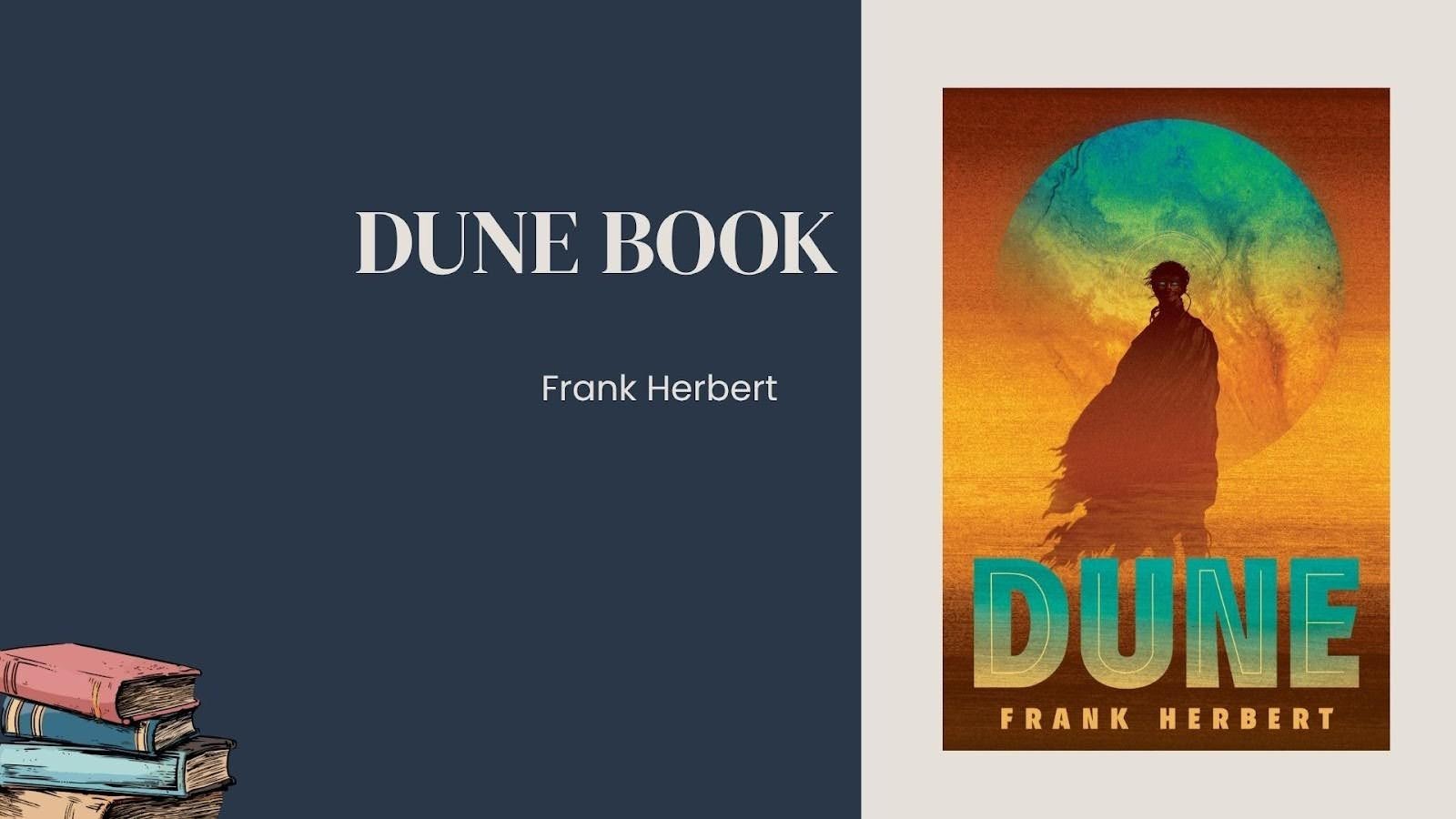
I’ve spent years reading science fiction, and few books have shaped the genre like Dune by Frank Herbert. This novel stands as one of the most important works in sci-fi history.
In this review, I’ll break down what makes this book special and help you decide if it’s right for you.I’ll cover the plot, characters, and major themes that made Dune a classic.
You’ll learn about the desert planet Arrakis, the political conflicts, and Paul Atreides’ story. I’ll also share honest thoughts about what works and what doesn’t.
This isn’t just another book review. I want to give you real insights based on my own reading experience.
You’ll understand why Dune matters and what to expect when you pick it up.
Book Overview

Dune tells the story of power, survival, and prophecy on a hostile desert world.
The book takes place far in the future among warring noble families. At the center is Arrakis, a harsh desert planet that produces spice.
This substance extends life, expands consciousness, and makes space travel possible. Everyone wants control of it.Paul Atreides is the young heir of House Atreides.
His family takes control of Arrakis but faces betrayal from their enemies. Paul must survive in the desert and learn from the Fremen people who live there.
The Fremen see Paul as their prophesied leader. He grows into this role while struggling with what it means for his future. The story mixes political strategy with personal growth and survival.
Plot Summary
The story follows political betrayal, resource wars, and one young man’s transformation into a legendary figure.
Three great powers clash for control of Arrakis. The Emperor secretly plans House Atreides’ destruction with help from the brutal Harkonnens.
The plot moves through schemes and betrayals.Spice is the most valuable substance in the universe. It grants longer life and makes space travel possible.
The Fremen dream of transforming their desert world. This mirrors real conflicts over scarce resources.
Paul fits the “chosen one” template. He sees possible futures and struggles with the consequences of his choices. Herbert questions whether destiny can be changed.
Character Analysis
The characters serve as vehicles for big ideas rather than deeply personal stories.
Paul Atreides

Paul works better as a symbol than as a person you’ll deeply connect with. He represents the dangers of messianic figures and blind faith. His abilities make him powerful but isolated.
His fear drives many decisions. He sees terrible futures and tries to avoid them. This creates interesting moral questions about leadership and responsibility.
I found him fascinating to think about but hard to emotionally invest in. Your experience may differ.
Lady Jessica

Jessica is Paul’s mother and a member of the Bene Gesserit sisterhood. This group trains women in mental and physical disciplines that border on the supernatural.
She’s brilliant, capable, and politically skilled. Yet she lives as a concubine rather than a wife. The Fremen later see her as a religious figure, but she remains constrained by gender expectations.
Jessica shows how talented women navigate societies that limit their power. She’s one of the stronger characters in the book.
Themes and Social Commentary
Herbert packed this novel with commentary on power, resources, and human nature.The book shows how leaders use myths and prophecies as tools.
Paul exploits planted religious beliefs for power. Scarce resources drive every conflict. Herbert warns about charismatic leaders and blind faith.
The Fremen plan to transform Arrakis over generations, thinking in centuries rather than years. This ecological thinking was rare in 1965. Herbert understood that environments shape cultures.
Women have incredible abilities but face constant limits. The book contains “white savior” elements where Paul leads an indigenous people’s revolution.
Some character portrayals include offensive stereotypes that harm the story’s impact.
How Dune Adapted as a Movie or Series Category
Frank Herbert’s Dune has been adapted multiple times across both film and television formats.
The first major adaptation was David Lynch’s 1984 film Dune, which received mixed reviews but has since gained a cult following.
More recently, director Denis Villeneuve created a two-part film series with:
Dune: Part One released in 2021 and Dune: Part Two in 2024.
These films have been critically acclaimed and commercially successful. On the television side, the Syfy channel produced Frank Herbert’s Dune in 2000, a three-part miniseries that covered the first novel.
This was followed by Frank Herbert’s Children of Dune in 2003, another three-part miniseries
that adapted the second and third books in the series.
Writing Style and Narrative Structure
Herbert built a complex world but sometimes sacrificed readability for ideas.
The world-building remains impressive decades later. Herbert created detailed systems for politics, ecology, religion, and economics.
He uses excerpts from in-universe books at chapter starts, adding depth and historical feel.The prose can be repetitive and slow.
Characters often think through the same ideas multiple times. Herbert focuses so much on themes that characters feel like idea delivery systems rather than real people.
The story slows for philosophy then rushes through action. This uneven pacing affects emotional engagement.
Iconic and Memorable Elements
Certain aspects of Dune have become legendary in science fiction.
Technology
Stillsuits recycle body moisture in the desert. Ornithopters fly with flapping wings. Personal shields stop fast objects but let slow ones through. Spice harvesters mine the desert sands.
These inventions still influence science fiction today. They feel practical rather than flashy. Herbert thought through how technology shapes society.
Sandworms
Giant sandworms rule the desert. They produce spice through their life cycle. They’re dangerous but essential to Arrakis.
The Fremen learn to ride them using hooks and rhythm. This practice shows their mastery of their environment. The worms work as both creatures and symbols of nature’s power.
Overall Impact and Reception
Dune changed science fiction and influenced countless stories that followed.
The book won major awards and became a bestseller. It showed that sci-fi could handle complex themes and adult ideas. Publishers took the genre more seriously after Dune.
You can see its influence in Star Wars, Game of Thrones, and many other popular stories. The desert planet, the chosen one, the political scheming, all became templates for future works.
I respect Dune more for what it accomplished than for how much I enjoyed reading it.
The ideas fascinate me. The characters kept me at a distance. Your priorities will determine how you respond to it.
Ratings
Dune by Frank Herbert has a rating of approximately 4.29 out of 5 stars on Goodreads, based on over 1.6 million ratings.
This rating places it as a highly-regarded science fiction novel, with its success also evidenced by numerous reviews and readers wanting to read it.
Dune by Frank Herbert has a rating of approximately 4.5 out of 5 stars on Amazon.
About The Author

Frank Herbert (1920-1986) was an American science fiction writer best known for his novel Dune (1965), which became one of the best-selling and most influential science fiction books ever written.
Herbert worked as a journalist before turning to fiction writing. Dune won both the Hugo and Nebula Awards and spawned five sequels that he wrote himself, creating an expansive universe exploring themes of politics, religion, ecology, and human evolution.
The complex world-building and philosophical depth of the Dune series set it apart from much of the science fiction of its era. Beyond Dune, Herbert wrote over 20 other novels, though none achieved the same level of success.
His work often explored ecological and philosophical themes, reflecting his interest in systems thinking and human potential.
Herbert’s influence on science fiction and popular culture has been profound, with Dune inspiring numerous adaptations including films, TV series, and video games.
Conclusion
After finishing Dune, I understood why it’s required reading for any serious sci-fi fan. The political complexity and environmental themes still resonate.
But I connected more with Herbert’s concepts than his characters.If you want big ideas and intricate world-building, read this book.
Go in knowing it prioritizes themes over personal stories. That’s not a flaw, just a choice.I’d love to hear your thoughts if you’ve read it.
What did you think of Paul’s transformation? Share your take in the comments below.
Frequently Asked Questions
Is Dune hard to read?
Yes, it can be challenging. The prose is dense and includes many made-up terms. The first hundred pages require patience as Herbert introduces his world. Stick with it and the pieces start connecting.
Do I need to read the sequels?
The first book stands alone with a complete story. The sequels expand and complicate the themes, sometimes in surprising ways. Start with the first and see if you want more.
Is Dune appropriate for young readers?
The book contains violence, political manipulation, and some dated offensive content. I’d recommend it for mature teens and adults. The reading level and themes suit older audiences better.
How accurate are the movie adaptations?
Denis Villeneuve’s recent films stay close to the book’s plot and tone. David Lynch’s 1984 version takes more creative liberties. The book still offers depth no adaptation fully captures.
Why is Dune considered so influential?
It proved sci-fi could handle serious themes like ecology, politics, and religion. The detailed world-building set new standards. Countless books, movies, and games borrowed from Herbert’s template. Its impact on the genre is massive.