
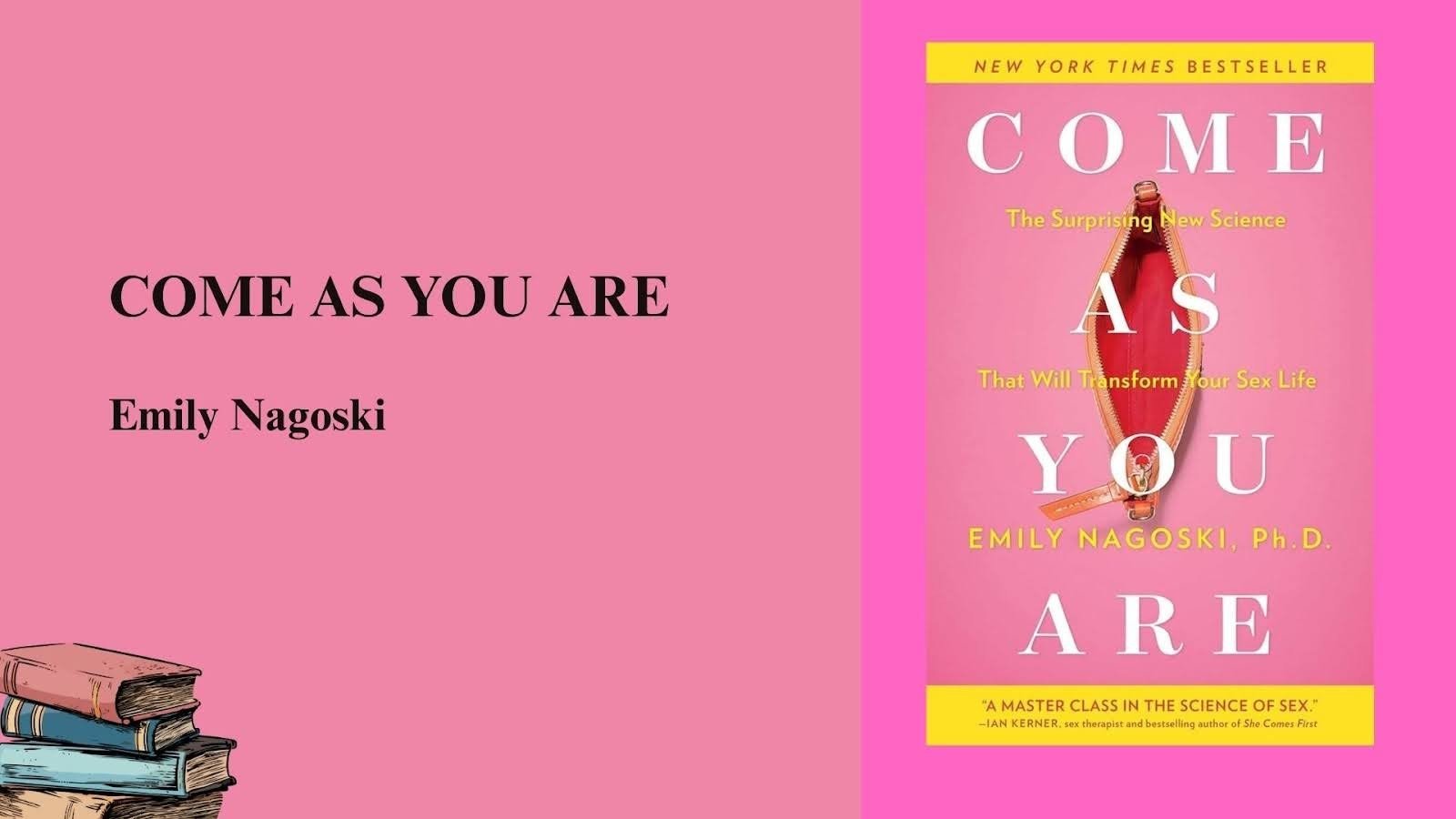
I’ve read dozens of self-help books. Emily Nagoski’s Come As You Are stopped me in my tracks. This Come As You Are book review gives you the real story before you buy. I’ll share what worked and what didn’t.
You’ll learn about the science, the main concepts, the themes, and why so many readers call it life-changing. I’ll cover the writing style, the reception it got, and who should read it.
I know you’re wondering if this book about sexuality is worth your money and time. I’ve been exactly where you are. Trust me to give you straight answers.
Let’s figure this out together.
Quick Summary of Come As You Are
The book examines women’s sexuality through science. Dr. Emily Nagoski explains that every woman’s sexuality is unique. There’s no single “normal” way to experience desire or arousal.
Women vary more than men in how their bodies respond. The book introduces key concepts like the dual control model. This model explains sexual accelerators and brakes. Context matters more than you think.
Stress, mood, trust, and body image aren’t side issues. They’re central to sexual wellbeing. Nagoski uses research, case studies, and accessible language. She wants women to understand their bodies without shame. The core message is simple. You’re not broken. You’re normal.
My Reading Experience

From skepticism to understanding, how this science book changed my perspective on sexuality.
First Impressions
I picked up this book feeling uncertain. The bright pink cover felt almost too bold. Page one introduced scientific concepts right away. I worried it would feel like a textbook.
The tone surprised me. Nagoski writes like a friendly teacher. She uses metaphors and stories to explain research. After the first chapter, I felt engaged. The conversational style made complex ideas clear. I stopped worrying about jargon. I started learning.
The Emotional Impact
This book validates feelings I didn’t know needed validation. Nagoski addresses shame and confusion around sexuality. She explains why you might not match cultural expectations. That’s because cultural expectations are often wrong.
Reading about arousal nonconcordance hit me hard. Your body’s response doesn’t always match your mental state. That’s completely normal. I felt seen in ways I didn’t expect. The chapter on stress and context made me rethink my entire approach. This isn’t just a sex book. It’s about understanding yourself.
Concepts That Stand Out
The dual control model is brilliant. Sexual response has accelerators and brakes. Accelerators pick up on turn-ons. Brakes notice potential threats. Everyone has different sensitivity levels. Some people have sensitive brakes. Others have responsive accelerators.
Understanding this changed how I view desire. Responsive versus spontaneous desire is another key concept. Most people think desire should come first. But for many women, arousal comes before desire. That’s normal too. These concepts feel revolutionary because nobody teaches them.
Themes and Messages
What this book really wants to tell you about bodies, science, and accepting yourself.
You Are Normal
Nagoski repeats this throughout the book. Women vary dramatically in anatomy and response. Comparing yourself to others is pointless. Your sexuality is like a fingerprint. It’s unique to you.
This message fights against decades of shame. The media and culture tell us there’s one right way. Science says otherwise. Nagoski provides the research to back this up. She makes you believe it.
Context Is Everything
Sex doesn’t happen in a vacuum. Your environment matters. Your stress levels matter. Your relationship quality matters. How you feel about your body matters.
Nagoski calls this creating the right context. You can’t just flip a switch. You need to address the factors that activate your brakes. This reframes sexuality as holistic. It’s not just about technique. It’s about your whole life.
Science Over Shame
The book dismantles myths with research. There’s no “normal” amount of desire. There’s no single path to pleasure. Orgasm isn’t the only goal.
Nagoski uses science to fight shame. She shows how cultural messages harm women. She provides language to talk about your experience. This empowers readers to reject harmful narratives.
Writing Style and Structure
Why this book feels different from typical self-help or science books.
Accessible Science:
Nagoski has a PhD in health behavior. She could have written a dense academic text. Instead, she chose clarity. She explains research in plain language.
She uses metaphors throughout. The “garden” metaphor for cultivating sexuality appears often. Some readers find the repetition helpful. Others find it excessive. I appreciated having concepts reinforced. Complex ideas become easier to remember.
Case Studies and Stories:
The book includes fictional composite characters. These are based on real students and clients. We follow their progress throughout chapters.
This makes abstract concepts concrete. You see how the dual control model applies to real situations. These stories add warmth to the science. They prevent the book from feeling clinical.
Structured Learning:
Each chapter ends with a summary. Nagoski calls these “TLDR” sections. They recap main points quickly. This helps with retention.
The book includes worksheets and exercises. Some readers complete them. Others skip them. The exercises make the book interactive. They encourage self-reflection.
Critical Reception & Awards
The book became a New York Times bestseller. It gained widespread praise from sex educators and therapists. John Gottman called it essential reading for couples. Major publications featured positive reviews.
Refinery29 called it empowering and accessible. Salon praised it for going beyond quick fixes. The Guardian recognized its achievement in blending science with self-help.
The book appears regularly on recommended reading lists. Sex therapists recommend it to clients. Teachers use it in human sexuality courses. It’s considered a modern essential in sex education.
Some traditional readers found the structure repetitive. Others wanted more diversity in research subjects. But most agreed Nagoski created something important.
Notable Reviews & Ratings
Goodreads: 4.13/5 from over 152,000 ratings. The book shows strong positive response with approximately 50% giving it 5 stars and 25% giving it 4 stars. Some readers found it basic or repetitive.
Amazon US: 4.3/5 based on thousands of reviews across different editions. Readers praise the scientific approach and validation. Some note the conversational tone isn’t for everyone.
Amazon UK: 4.4/5 with consistent international appreciation. Readers across countries find the science applicable and the message powerful.
What Reviewers Are Saying:
- Many readers on Goodreads described the book as life-changing. One stated they want to buy copies for everyone they know and hand them out at bridal showers. Readers appreciated how the book validated their experiences and taught them they aren’t broken.
- Amazon reviewers frequently mentioned feeling less alone after reading. Many called it the best sex book they’ve ever read. The science-based approach resonated strongly. Several noted they wish they’d had this information earlier in life.
- Salon recognized the book for addressing deeper psychological and emotional factors rather than offering quick bedroom tricks. Professional reviews highlighted Nagoski’s ability to make research accessible without oversimplifying.
Personal Thoughts
This book suits anyone curious about women’s sexuality. If you’ve ever felt broken or abnormal, read this. If you’re struggling with desire differences in a relationship, this helps. If you want to understand how sexuality actually works, this provides answers.
Strengths include scientific accuracy, compassionate tone, and practical applications. The book validates diverse experiences and provides language for discussing sexuality. Weaknesses might include repetition of concepts and limited diversity in research subjects.
I found it genuinely helpful. The concepts stick with you. I still think about the dual control model regularly. This book fills a gap in education most of us never received. It’s not a quick fix book. It’s a foundation-building book with insights that apply beyond the bedroom.
About the Author: Emily Nagoski

Emily Nagoski has a PhD in Health Behavior. She specialized in human sexuality at Indiana University. She also holds a master’s degree in counseling. She completed a clinical internship at the Kinsey Institute.
She taught human sexuality for years. She understands how to communicate complex ideas. Before this book, she focused on teaching and shorter writing. Come As You Are was her first major book.
She’s known for compassionate, evidence-based approaches. She appears frequently in media. She gives talks on sexuality and wellbeing. She later co-wrote Burnout with her sister. That book examines stress cycles. Her work focuses on helping women live confidently in their bodies.
Conclusion
I finished Come As You Are feeling validated in ways I didn’t expect. The way Nagoski explains sexuality through science removes so much shame.
This Come As You Are book review reflects my honest experience with a book that educates while empowering.
If you’ve read it, I’m curious what concept resonated most with you. Drop a comment and let’s talk about it. Haven’t picked it up yet? Maybe now’s the time. Share this with someone who’d benefit from understanding their body better.
Frequently Asked Questions
Is Come As You Are only for women?
The research focuses on women’s sexuality, but the concepts apply to all genders. Many readers find the information valuable regardless of their identity.
Do I need a science background to understand this book?
No science background is needed. Nagoski explains everything in simple language with metaphors and examples that anyone can follow.
Is this book appropriate for younger readers?
The content is educational and science-based, discussing sexuality frankly but respectfully. Parents should preview the material before deciding if it’s appropriate for teens.
How long does it take to read Come As You Are?
The book is 400 pages and most readers finish it in 6 to 8 hours. Some take longer if they complete the worksheets and exercises included.
Will this book help with relationship issues?
It helps if issues relate to sexuality, desire, or misunderstanding your body’s responses. Many couples report that it opens important conversations about intimacy.