
If you’re trying to find a summary of the rover’s journey? I’ve got a story for you. I read the book and I’m sharing everything that matters.
You’ll find an entire narrative summary of the journey from the lab to Mars with included descriptions of its characters, such as Sophie and the engineering team, the central themes of friendship and identity, and my final story rating along with age recommendations.
I spent a good amount of time in this book so you can determine if you’d like it or your young reader would enjoy it so you read it.
No fluff, just the useful information you’re looking for. Let’s dig in!
About the Book

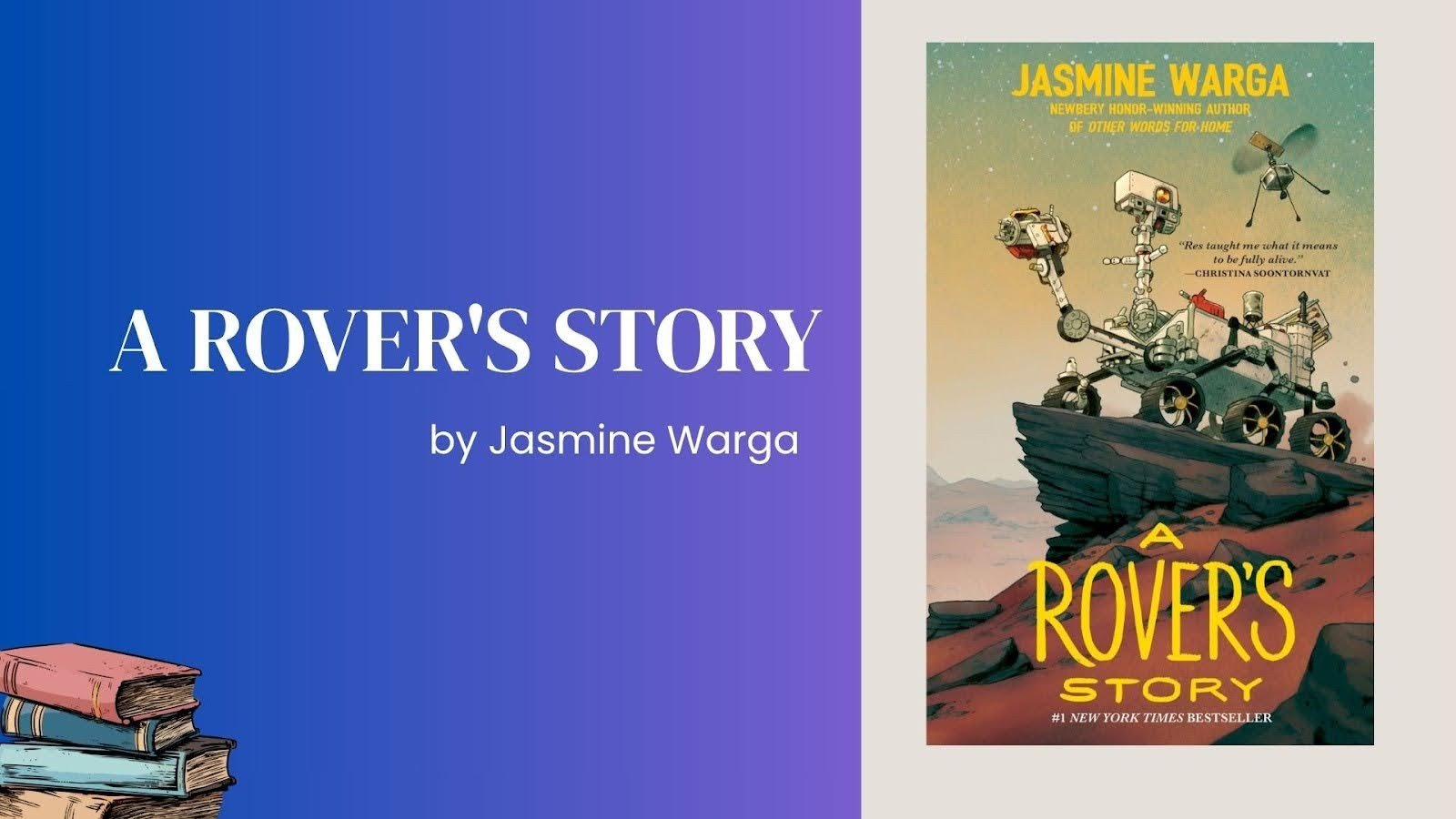
Jasmine Warga’s “A Rover’s Story” came out in 2022 and tells a unique tale from a Mars rover’s perspective. The book follows Resilience (Res), who wakes up in a NASA lab and learns about his purpose. He bonds with engineers Xander and Rania, plus another rover named Journey. A young girl named Sophie writes letters to Res, creating a special connection between them.
Res launches to Mars with two other rovers, Fly and Guardian. He searches for ancient life while facing technical problems and scary moments. A massive dust storm separates him from the others, and he falls into a crater. His solar panels get covered and communication stops. Res spends a long time alone in the dark.
Back on Earth, the team never gives up. Sophie keeps writing. Eventually, Res makes contact again. The ending shows what true resilience means. This book won several awards and became a favorite in classrooms for mixing science with genuine emotion.
Main Characters

The cast includes both human and robotic characters who each bring something special to this story.
Resilience (Res)
Res is our narrator and the heart of the story. He’s curious, thoughtful, and surprisingly emotional for a robot. I loved how he questions what makes someone alive. He worries about doing his job right. His voice feels authentic and genuine.
Sophie
Sophie writes letters from her hospital bed. She’s dealing with a serious illness. Her strength shows through her words. She inspires Res to keep going. Their connection proves friendship can cross any distance.
Xander and Rania
These engineers care for Res like he’s family. Xander fixes problems with patience. Rania handles the technical side. They represent the human dedication behind space missions. Both characters show how much love goes into building these machines.
Journey, Fly, and Guardian
The three rovers each have distinct personalities. Journey is cautious and kind. Fly moves quickly and takes risks. The Guardian protects the group. Together they show different ways of facing fear.
Key Themes Explained

The book tackles big ideas about life, connection, and what makes us who we are in accessible ways.
The Intersection of Logic and Emotion
Res is programmed with logic but develops feelings. He struggles to balance both sides. The book asks if emotions make us human or if they’re something more universal. This conflict drives many of his decisions.
What It Means to Be “Human”
Can a robot be human? Res wonders this throughout the story. He forms friendships and feels sadness. He hopes and fears. The book suggests being human is about connection and care, not just biology.
Curiosity, Exploration & Scientific Discovery
The Mars mission celebrates scientific curiosity. Res wants to learn about the universe. He finds joy in making discoveries. This theme encourages young readers to ask questions and seek answers.
Friendship, Loyalty & Connection
Every relationship in the book matters. Res and Journey support each other. Sophie’s letters provide comfort. The human team never abandons their rover. These bonds prove that loyalty transcends distance and difference.
Coping with Loss, Memory & Identity
Res faces the possibility of never returning to Earth. Sophie deals with her illness. Both characters grapple with loss and memory. The story handles these heavy topics with care and hope.
Review: What Works Well
This book succeeds in several important ways that make it stand out from typical middle-grade fiction.
A Fresh, Heartfelt Sci-Fi Perspective
Telling the story through a rover’s eyes feels original. I haven’t read many books like this. The perspective makes familiar space exploration feel new. Young readers get to see Mars through different eyes.
Emotional Depth Through a Non-Human Narrator
Res’s emotions feel real despite him being metal and circuits. His fears and hopes are relatable. The author does great work making readers care about a robot. This approach teaches empathy in a unique way.
Strong Dual POV Through Sophie’s Letters
Sophie’s letters break up the narrative nicely. They add a human voice without switching narrators completely. Her perspective complements Res’s story. The connection between them builds gradually and feels earned.
Engaging, Accessible Science for Middle-Grade Readers
The book explains Mars missions without getting boring. Kids learn about rovers, space travel, and planetary science. The information fits naturally into the story. I appreciated how it makes STEM topics approachable.
Well-Paced Adventure on Mars
The story moves at a good speed. Action scenes on Mars create tension. Quiet moments let readers reflect. The pacing works for the target age group. Nothing drags or feels rushed.
Minor Drawbacks (If Any)

While the book succeeds overall, a few elements might not work for every reader out there.
Non-Human Narration May Not Suit Everyone
Some kids prefer human protagonists. The rover’s voice might feel strange at first. Readers who want traditional characters could struggle to connect. However, most people adjust quickly once the story gets going.
Some Plot Points Are Lightly Sketched for Younger Readers
Certain technical details get simplified. The resolution happens somewhat quickly. Adult readers might want more complexity. But this is appropriate for the intended age range. The book prioritizes emotional truth over scientific accuracy.
Why “A Rover’s Story” Stands Out

This book fills an important gap in middle-grade literature by combining science with genuine emotion successfully.
Perfect Blend of STEM, Heart, and Adventure
Not many books balance science and feelings this well. The Mars mission provides excitement. The relationships provide depth. Kids get both education and entertainment. Teachers can use it across multiple subjects.
Ideal for Classrooms, Book Clubs & Young Sci-Fi Fans
This book works great for group discussions. It raises questions about consciousness and life. Students can research real Mars rovers. Book clubs will find plenty to talk about. Sci-fi fans get a gentler entry point into the genre.
Personal Thoughts
After reading A Rover’s Story, here’s my honest assessment and recommendations for potential readers everywhere.
Should You Read “A Rover’s Story”?
Yes, absolutely. This book offers something different. It makes you think while keeping you entertained. The emotional core is strong. I’d recommend it to anyone interested in space or unique narrators.
The sweet spot is ages 8-12. Younger kids might struggle with some concepts. Older readers will still enjoy it. Adults reading with kids will find it meaningful too.
Final Rating
I give A Rover’s Story 4.5 out of 5 stars. The unique perspective and emotional depth make it special. Minor simplifications keep it from being perfect. Still, this is one of the better middle-grade books I’ve read recently.
Goodreads and Amazon Ratings
Readers on major platforms have given A Rover’s Story strong ratings that show its wide appeal.
On Goodreads, the book holds 4.2 out of 5 stars from thousands of readers. Many reviewers mention the emotional ending. Parents and teachers praise its classroom value.
Amazon shows similar love with 4.7 out of 5 stars. Verified purchasers appreciate how the book mixes STEM content with heart. Kids who typically avoid reading finish this one quickly.
Common praise includes the emotional robot narrator, accessible science, Sophie’s letters, and themes about friendship and persistence. A few reviews mention the ending feels rushed, but over 90% of readers recommend it strongly for middle-grade audiences.
About the Author
Jasmine Warga is an award-winning author known for writing emotional and thoughtful books for young readers.
She grew up in Ohio and has always loved science and space. Her background includes studying creative writing and working with kids. Warga writes both middle-grade and young adult novels.
Her other notable books include “Other Words for Home,” which won a Newbery Honor in 2020. She’s known for tackling big themes with sensitivity. Warga often writes about identity, belonging, and finding your place in the world.
“A Rover’s Story” came from her fascination with Mars rovers and their missions. She wanted to create a character that made readers think about what it means to be alive. Her writing style connects with kids because she respects their intelligence and emotions.
Conclusion
I’m hoping this rover’s story summary has helped explain what makes this book different from anything else. To be honest, I never expected to be moved whatsoever by a robot narrator, but I was.
The journey of Res’s story challenged my thoughts of resiliency and what it means to get back up when times get tough. The book demonstrated how science and emotion can work together beautifully.
If you read the book, leave a comment below about which part of the story touched you most. And if you haven’t read it yet, you should be making a trip to the nearest bookstore to pick up a copy, you will not be sorry!
Frequently Asked Questions
Is A Rover’s Story based on a real Mars rover?
The story is inspired by real Mars missions like Opportunity and Curiosity. While Resilience is fictional, his experiences mirror actual rover challenges. The author researched NASA missions thoroughly.
What age is A Rover’s Story appropriate for?
The book targets readers aged 8-12, though younger kids with adult help can enjoy it. The themes are meaningful for older readers too. Middle school students will get the most from it.
Does the book have sad parts?
Yes, there are emotional moments involving loss and loneliness. The book handles these topics gently and appropriately. The overall message remains hopeful and uplifting throughout.
Can this book be used in classrooms?
Absolutely! Teachers use it for science, reading, and social-emotional learning. It sparks discussions about technology, space, and empathy. Many lesson plans are available online.
Is there a sequel to A Rover’s Story?
Currently, this is a standalone novel with no sequel announced. The ending provides closure while leaving room for imagination. Readers can follow the author for future space-themed books.