
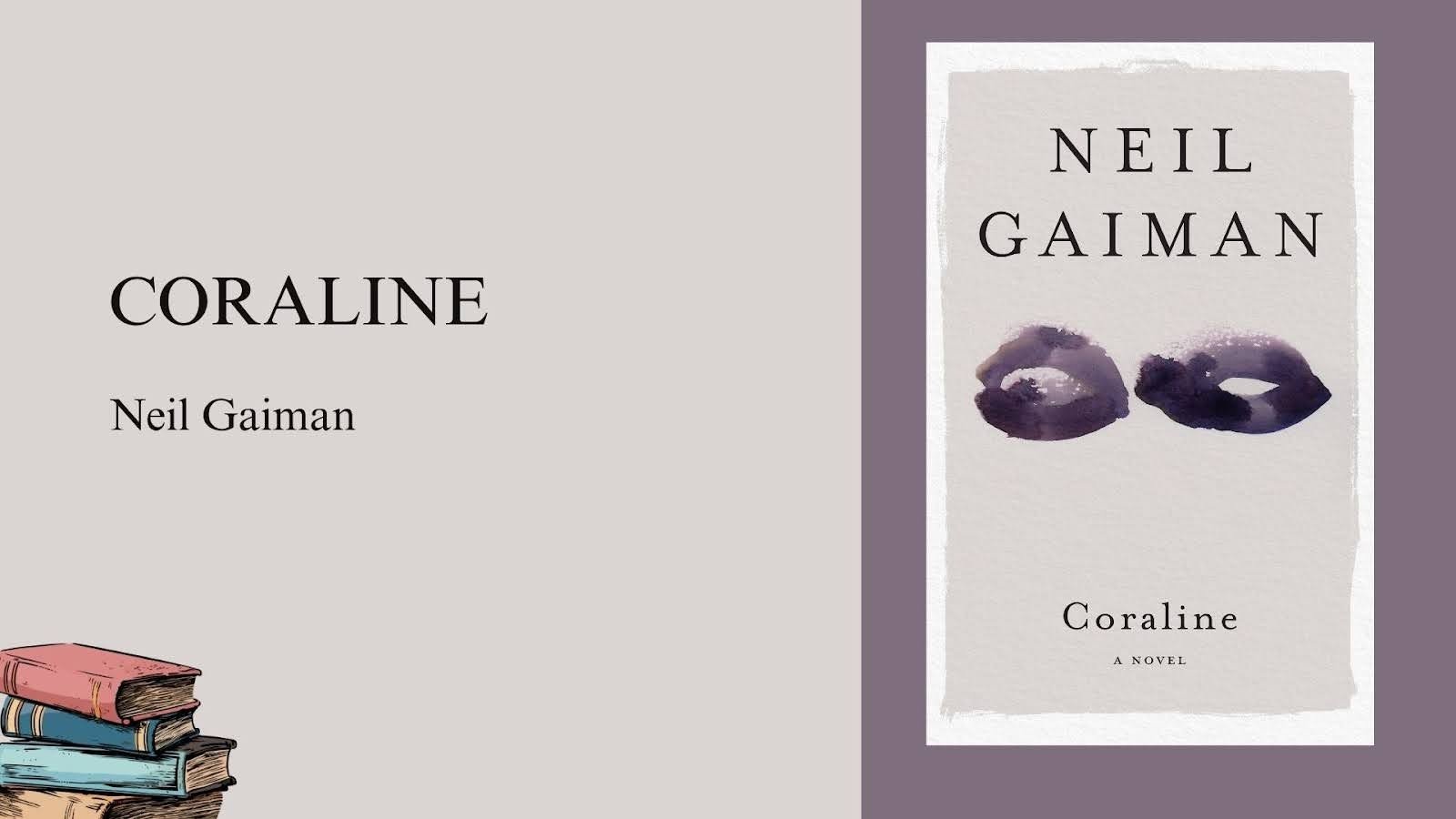
I’ve read countless children’s books. Neil Gaiman’s Coraline still gives me chills. This Coraline book review gives you the real story before you buy. I’ll share what worked and what didn’t.
You’ll learn about the plot, the dark tone, the themes, and why it became a classic. I’ll cover the writing style, the awards it won, and who should read it.
I know you’re wondering if this creepy book is appropriate and worth your time. I’ve been exactly where you are. Trust me to give you straight answers.
Let’s figure this out together.
Quick Summary of Coraline
The story follows Coraline Jones, a curious girl who moves to a new home. She finds a locked door in her apartment. Behind it lies a parallel world. This other world mirrors her own but seems better at first.
Her other mother has button eyes. So does her other father. They offer her everything she wants. They promise she can stay forever. But there’s a terrible price.
Coraline must use her bravery and wit to escape. She faces creatures that want to trap her. The book examines courage, identity, and what makes a home real. Gaiman writes this tale with beautiful darkness. It works as both children’s literature and adult horror.
My Reading Experience

Personal reactions from first page confusion to emotional investment in Coraline’s terrifying world.
First Impressions
I picked up this book expecting a simple children’s story. Page one proved me wrong. Gaiman starts with everyday boredom. Coraline walks through her new building on a rainy day.
Nothing scary happens yet. But something feels off. That slow build hooked me. By page twenty, I couldn’t stop reading.
The Emotional Impact
This book scared me. I’m an adult and it scared me. The other mother creates perfect dread. Those button eyes haunt my thoughts. Coraline’s courage moved me deeply.
She’s terrified but keeps going. The book made me remember what real fear felt like. It reminded me that bravery means acting despite being scared.
Characters That Stand Out
Coraline feels real and flawed. She gets bored easily but grows throughout the story. The cat provides wisdom when needed. His advice saves Coraline repeatedly.
The other mother stands as one of literature’s best villains. She manipulates with false kindness. The ghost children add heartbreak. Even minor characters like the neighbors feel fully realized.
Themes and Messages
Central ideas about courage, gratitude, and identity run deep beneath the surface scares.
Bravery and Self-Reliance
Coraline must save herself. No adults can help. She faces the other mother alone. Gaiman shows that bravery isn’t fearlessness.
It’s doing what’s necessary despite terror. The book teaches children that courage lives inside them. They need determination and clever thinking.
Appreciating What You Have
Coraline starts dissatisfied with her life. Her parents work too much. Her home feels boring. The other world offers everything she thinks she wants. But perfect things hide terrible truths.
Gaiman gently shows that imperfect reality beats beautiful lies. Coraline learns to appreciate authentic love.
The Nature of Identity
The other mother creates perfect copies. But they’re hollow. The button eyes symbolize this emptiness. Coraline’s struggle becomes about claiming her identity.
Fighting back means asserting her realness. Her flaws make her genuine. The book celebrates authentic existence over perfect imitation.
Writing Style and Structure
Simple prose masks sophisticated horror that works on multiple reading levels simultaneously.
Deceptively Simple Prose:
Gaiman’s sentences flow easily. He uses simple words. A child can follow every line. But simplicity creates power. Short sentences build tension. He trusts readers to understand implications.
The other mother’s true nature emerges through small details. This restraint makes everything creepier. Your imagination fills the gaps.
Perfect Pacing and Atmosphere:
The book moves quickly. Chapters stay short. Each one ends with hooks. Gaiman alternates between worlds perfectly. Real world scenes ground the story. Other world scenes deliver scares. The atmosphere feels thick and oppressive.
Even happy moments in the other world feel wrong. Colors seem too bright. Food tastes too perfect. This consistent tone makes the book unforgettable.
Critical Reception & Awards
Critics praised this book universally. It won the Hugo Award in 2003. It also won the Nebula Award. The British Fantasy Society gave it their prize. Major publications called it a modern classic.
Children and adults both loved it. Teachers use it in classrooms. Libraries recommend it constantly. The book launched Gaiman to new levels of fame. It proved he could write beyond short stories and comics.
The story became a beloved film. That adaptation won more awards. But readers agree the book works better. It appears on best children’s book lists regularly. Twenty years later, it remains constantly popular.
The Movie Adaptation

Henry Selick directed the 2009 stop-motion film, bringing Gaiman’s vision to life with incredible artistry. The animation style fits the story’s creepy tone perfectly.
Dakota Fanning voices Coraline with just the right mix of curiosity and determination. The film adds a character named Wybie who doesn’t exist in the book, giving Coraline someone to talk to on screen.
Fans debate which version works better. I love both for different reasons. The movie earned an Oscar nomination and introduced countless new readers to the original story. Watching it after reading adds another layer of appreciation.
Notable Reviews & Ratings
Goodreads: 4.13/5 Based on over 670,000 ratings. Around 54% gave it 5 stars and 27% gave it 4 stars. Readers praise the creepy atmosphere and brave protagonist. Most agree it works for multiple age groups.
Amazon US: 4.7/5 Based on 22,000+ reviews across various editions. Parents appreciate the quality while some debate appropriate age ranges. Most call it perfectly scary.
What Reviewers Are Saying:
- Readers on Goodreads called it “the perfect creepy book for brave kids.” One reviewer wrote “I read this as an adult and it terrified me in the best way.” Many praised how Gaiman “respects his young audience while delivering genuine scares.”
- The New York Times called it “a master class in children’s horror” that “never condescends while delivering sophisticated frights.” They noted how “Gaiman creates dread through implication rather than explicit gore.”
- The Guardian described it as “a modern fairy tale that understands darkness matters.” They appreciated how “the book teaches courage through genuine peril rather than manufactured conflict.”
Personal Thoughts
This book suits readers who enjoy intelligent scares. If you want safe, gentle stories, look elsewhere. The darkness here feels real. But it serves a purpose. The book builds genuine courage.
Strengths: perfect pacing, memorable villain, authentic protagonist, beautiful prose, meaningful themes. The novel sticks with you forever. I still think about those button eyes. It’s not a comfortable read. It’s an important one.
Anyone interested in children’s literature, fairy tales, or psychological horror should read this. Parents should preview before sharing with sensitive kids. But brave readers will treasure it. It earns its classic status. Gaiman takes real risks. They all work.
About the Author: Neil Gaiman

Neil Gaiman started in journalism and comics. He wrote the Sandman series for DC Comics. That work earned cult status. He brings mythology and fairy tale sensibilities to everything.
His writing blends genres freely. Fantasy meets horror meets literary fiction. But he never loses sight of the story. Character always comes first. Before Coraline, he wrote American Gods and Stardust.
He understands childhood fears deeply. He respects young readers. He doesn’t talk down to them. This novel proves his range. He teaches writing occasionally. Fans describe him as thoughtful and kind. His work consistently examines courage, story, and myth.
Conclusion
I finished Coraline in one sitting, unable to put it down. The way Gaiman writes about childhood fears still resonates years later.
This Coraline book review reflects my honest experience with a book that respects young readers while delivering real scares.
If you’ve read it, I’m curious which part scared you most. Drop a comment and let’s talk about it. Haven’t picked it up yet? Maybe now’s the time. Share this with a friend who loves books that embrace darkness.
Frequently Asked Questions
Is Coraline too scary for kids?
It depends on the child. The book contains genuine scares but avoids gore. Most readers ages 10 and up handle it well. Sensitive younger readers might find it intense.
Is Coraline based on a true story?
No. Gaiman invented the entire story. He drew inspiration from fairy tales and his own daughter’s experiences moving into a new home.
Why does the other mother have button eyes?
The button eyes symbolize her emptiness. She mimics humanity but lacks genuine emotion. Buttons see without truly perceiving.
How long does it take to read Coraline?
The book is about 160 pages. Most readers finish it in 2-4 hours. Many complete it in one sitting.
Is the book better than the movie?
Both work beautifully. The book allows more imagination. The movie adds visuals. Reading the book first enhances the film experience.