

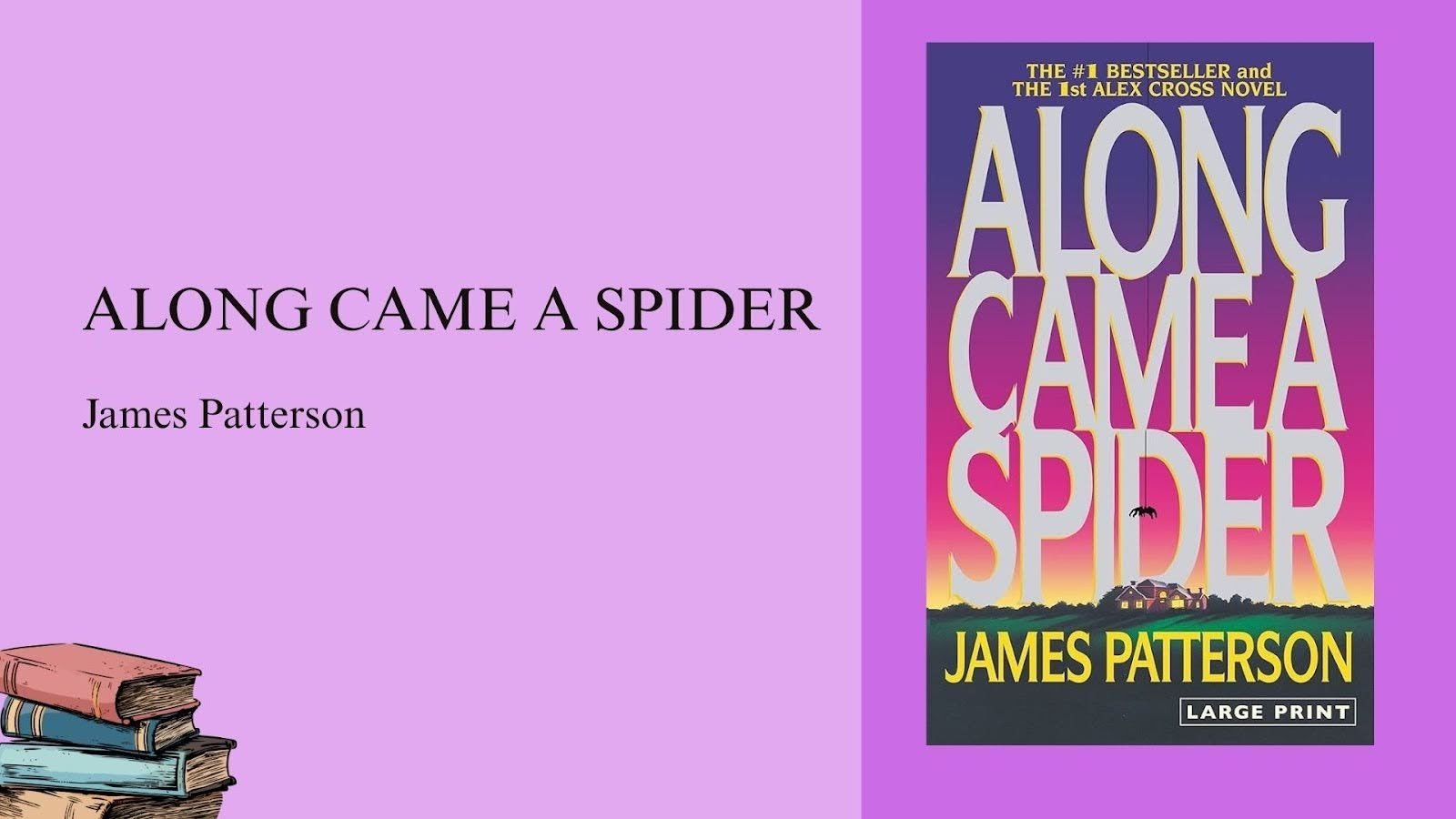
I’ve read hundreds of thrillers. James Patterson’s Along Came a Spider kept me up past midnight turning pages. This Along Came a Spider review gives you the real story before you buy. I’ll share what worked and what didn’t.
You’ll learn about the plot, the characters, the themes, and why this launched a massive series. I’ll cover the writing style, the criticisms, and who should read it.
I know you’re wondering if this 1993 thriller still holds up today. I’ve been exactly where you are. Trust me to give you straight answers.
Let’s figure this out together.
Quick Summary of Along Came a Spider
The story unfolds in Washington D.C. when two children vanish from an elite private school. One is a senator’s daughter. The other is the secretary of the treasury’s son. The kidnapping shocks the nation.
Detective Alex Cross enters the investigation. He’s a psychologist and homicide detective who understands criminal minds. Gary Soneji orchestrated the kidnapping. He’s brilliant, patient, and craves legendary status above all else.
The novel follows Cross as he hunts Soneji. The kidnapper plays psychological games. He stays several steps ahead. Cross must think like his prey to catch him.
Patterson uses short chapters and multiple perspectives. The pace never stops. Twists arrive frequently. This first Alex Cross novel set the template for over 30 books that followed.
My Reading Experience

Patterson’s fast-paced thriller grabbed me from page one and kept me reading until 2 AM with short chapters and relentless momentum.
First Impressions
I picked up this book on a friend’s recommendation. The opening chapter grabbed me immediately. Patterson throws you straight into the action.
The chapters shocked me with their brevity. Some run just two pages. Instead of feeling choppy, it created momentum. Each chapter ends with a hook. I kept telling myself “just one more chapter” until suddenly it was 2 AM.
The writing felt accessible and direct. Patterson doesn’t waste words. This isn’t literary fiction. It’s pure entertainment done right.
The Emotional Impact
The kidnapped children made this personal. Patterson doesn’t show graphic violence against them. But the fear in their scenes hit hard.
Cross’s dedication moved me. He’s not just doing a job. He connects with the victims personally. His background as a psychologist makes him see these children as real people.
The relationship between Cross and his family grounded the story. His grandmother Nana Mama provides warmth. These scenes balance the darkness.
Characters That Stand Out
Alex Cross became instantly likeable. He’s smart without being arrogant. He has flaws and makes mistakes. His psychology background gives him unique investigative tools.
Gary Soneji disturbed me in the best way. Patterson gives him chapters from his perspective. You see his twisted logic. He has motivations, even if they’re warped. This makes him more frightening.
Jezzie Flanagan added complexity as the Secret Service agent. Her interactions with Cross felt real. I won’t spoil anything, but her character surprised me.
Sampson brought loyalty and friendship. His relationship with Cross felt authentic.
Themes and Messages
Patterson examines crime psychology, morality, and media influence throughout this gripping detective story.
The Psychology of Crime
Cross approaches investigations scientifically. He builds profiles and studies patterns. Patterson shows how understanding psychology helps solve crimes.
The book examines what creates criminals. Nature versus nurture appears repeatedly. Soneji’s backstory reveals how childhood trauma shaped him. Patterson doesn’t excuse the crimes. He just shows the roots.
Duality of Good vs. Evil
The line between hunter and hunted blurs sometimes. Cross admits to dark thoughts. He understands criminals because he can think like them.
Soneji has human moments that make him relatable. Then he does something monstrous. Patterson plays with reader sympathy.
Media Sensationalism and Public Fear
The press turns tragedy into entertainment. They camp outside the school. Patterson critiques this behavior sharply.
Public fear drives investigation decisions. Politicians demand results. Cross must work within this circus while trying to save lives.
Morality in Law Enforcement
Cross faces ethical choices constantly. Following rules might let criminals escape. Breaking rules might save lives. Where’s the line?
The book questions police methods. Sometimes the system protects the guilty. Patterson doesn’t provide easy answers. He just shows the complexity.
Writing Style and Structure
Patterson’s distinctive approach creates an addictive reading experience through short chapters, multiple perspectives, and direct prose.
Patterson’s Signature Short Chapters:
Most chapters run two to four pages maximum. This technique was revolutionary in 1993. The short format creates natural breaks. But those breaks become cliffhangers. You can’t stop reading.
It felt cinematic. Like watching a television show. Scenes change quickly. Traditional longer chapters would slow the momentum.
Multiple Perspectives Build Suspense:
We see through Cross’s eyes primarily. Then Patterson switches to Soneji’s viewpoint. This creates dramatic irony.
You know things Cross doesn’t. You watch him work toward conclusions you already reached. It’s frustrating and thrilling simultaneously.
Accessible, Direct Prose:
Patterson writes simply. Short sentences. Clear language. Some critics call this simplistic. I call it effective.
This isn’t literature for literature’s sake. It’s storytelling focused on plot and pace. Patterson trusts his story enough to let it speak plainly.
Critical Reception & Awards
The book became an immediate bestseller. It launched Patterson’s career into the stratosphere. Publishers Weekly praised the pacing and character development. The New York Times featured it on their bestseller list for months.
Critics were divided. Some praised the innovation and entertainment value. Others dismissed it as commercial fiction lacking depth. The reading public didn’t care about critical debates. They bought millions of copies.
The book spawned a movie adaptation in 2001 starring Morgan Freeman. While the film changed significant elements, it introduced Cross to wider audiences. The novel’s legacy lies in creating modern thriller conventions. Short chapters and fast pacing became industry standard partly because of this book.
The Movie Adaptation

The 2001 film adaptation brought Patterson’s thriller to the big screen. Lee Tamahori directed the Paramount Pictures production.
Morgan Freeman stars as Alex Cross with commanding presence. Monica Potter plays Jezzie Flanagan with strong chemistry opposite Freeman. Michael Wincott brings chilling intensity to Gary Soneji’s character.
The film takes significant liberties with the original plot. Major story elements and the ending differ from the book. Critics gave mixed reviews but praised Freeman’s performance universally. The movie introduced Alex Cross to wider audiences beyond readers.
Notable Reviews & Ratings
Goodreads: 4.13/5 from 480,000+ ratings. The book shows strong reader response with consistent appreciation for Alex Cross as a protagonist and the fast-paced storytelling despite some noting predictable elements.
Amazon US: 4.5/5 from 25,000+ reviews across various editions. Readers consistently praise the pacing and character of Alex Cross. Some note the dated technology references from the 1993 setting.
Amazon India: Reviews are available but specific aggregate ratings are not clearly documented across all editions. International readers appreciate the psychological depth and fast-moving plot, with the detective story’s appeal translating well globally.
What Reviewers Are Saying:
- Readers on Goodreads frequently mention the addictive pacing. One reviewer wrote “I finished this in one sitting because I couldn’t put it down” and appreciated how Patterson “makes you care about the characters while keeping you on edge.”
- Publishers Weekly called it “a novel of terrifying suspense” and praised how the book “sets a new standard for thriller pacing.”
- The consistent praise across platforms shows readers value Patterson’s storytelling abilities and character creation, though some critics dismiss the simple prose style.
Personal Thoughts
This book reminded me why I fell in love with thrillers. Patterson knows exactly when to reveal information and when to hold back. The twist with Jezzie caught me completely off guard.
I admire how the novel balances dark subject matter with moments of warmth through Cross’s family life.
While some aspects feel dated now, the core story remains powerful. This is comfort food for thriller fans,familiar but satisfying every time.
About the Author: James Patterson

James Patterson worked in advertising before becoming a full-time writer. That background shows in his punchy, commercial style. He understands what grabs attention and holds it.
Along Came a Spider was his breakthrough novel. He’d written other books before, but this one connected with readers massively. The success let him quit his advertising job and write full-time.
Patterson now collaborates with co-authors on many projects. He’s published over 200 books across multiple genres. The Alex Cross series remains his most famous work. Love or hate his style, his influence on publishing is massive. He changed how thrillers get written and marketed.
Conclusion
I finished Along Came a Spider in two sittings, unable to stop reading. The way Patterson builds tension and develops Alex Cross still impresses me.
This Along Came a Spider review reflects my honest experience with a book that prioritizes entertainment and succeeds completely.
If you’ve read it, I’m curious what you thought of the Soneji character. Drop a comment and let’s talk about it. Haven’t picked it up yet? Maybe now’s the time. Share this with a friend who loves detective thrillers.
Frequently Asked Questions
Is Along Came a Spider based on a true story?
No, the plot and characters are entirely fictional. Patterson created Alex Cross and the kidnapping case from his imagination.
Do I need to read the Alex Cross books in order?
No, each book works as a standalone thriller. However, starting with Along Came a Spider gives you Cross’s origin story and character development.
Is Along Came a Spider appropriate for young readers?
The book contains violence, mature themes, and disturbing content. It’s best suited for readers 16 and older who can handle intense crime fiction.
How long does it take to read Along Came a Spider?
The book is 435 pages long. Most readers finish it in 5-8 hours due to the fast pacing and short chapters.
How does the book compare to the movie?
The 2001 film starring Morgan Freeman changes significant plot elements and character details. The book provides more depth and complexity.