


Medical words can stop you cold if you don’t know them. I’ve been there.
Sitting in a clinic, reading a report, and feeling completely lost. That’s exactly why I started looking into the right medical terminology online course.
I reviewed courses across Coursera, Udemy, edX, and Penn Foster to put this guide together.
I cover the best specific courses you can enroll in today, what they teach, how long they take, and which careers they open up.
I also break down free vs paid options and how to pick what fits your goals.
If you want to work in healthcare and communicate with confidence, this guide is for you.
What Is a Medical Terminology Online Course?
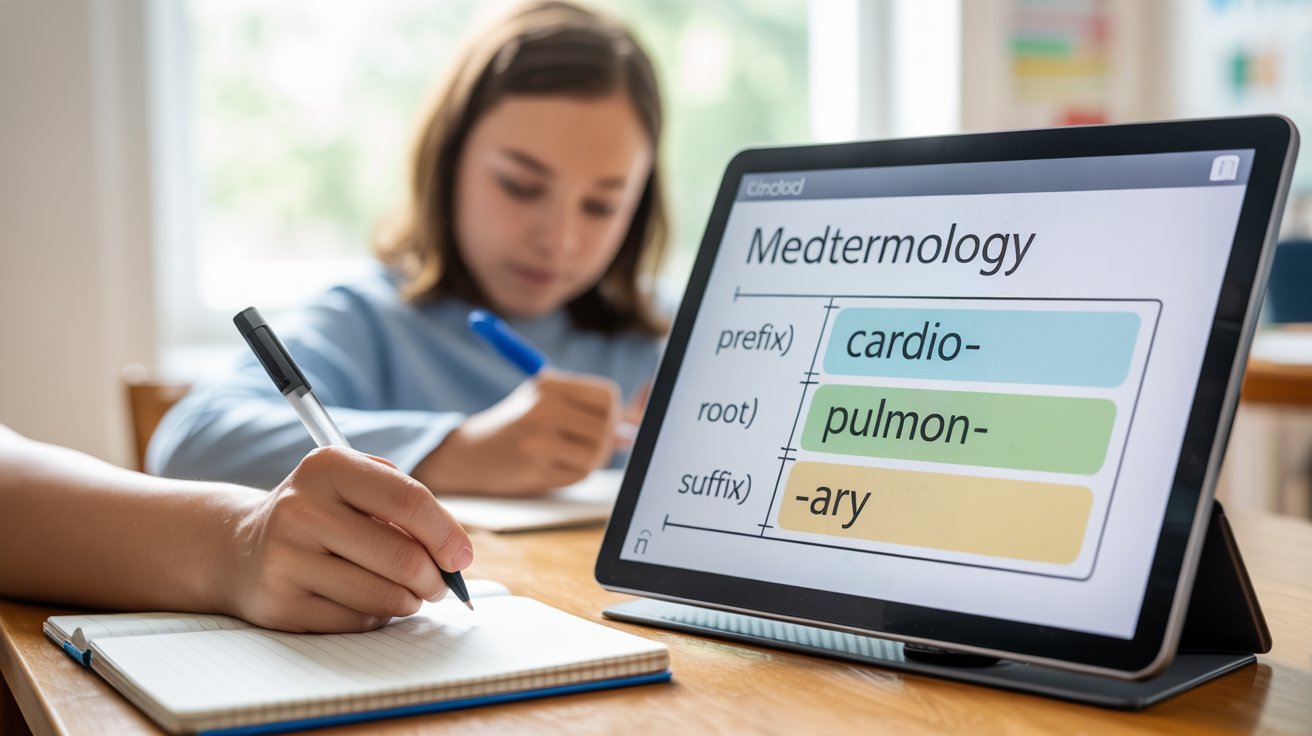
A medical terminology online course teaches you the language used in healthcare.
You learn word roots, prefixes, and suffixes. You also learn how those parts combine to form clinical terms used in hospitals, clinics, and insurance offices.
These courses are available on major learning platforms and can be done at your own pace. Some follow a fixed weekly schedule. Others let you move as fast or slow as you need.
They work well for nursing students, medical coders, health administrators, and anyone starting out in a healthcare-related role.
Why Take a Medical Terminology Online Course?
Healthcare runs on language. When you don’t know the terms, you miss critical details. That creates real problems on the job.
Doctors, nurses, and coders all use the same vocabulary. Knowing it helps you communicate faster, read reports accurately, and reduce errors.
It also helps you get hired. Many employers prefer candidates who already understand the basics. It signals that you’re prepared and serious.
Most courses are flexible too, so you can study around a job or other commitments without any issues.
Medical Terminology Online Course: Enroll to Build Real Healthcare Skills
This is not just about memorizing words. A solid medical terminology online course teaches you a system.
Once you learn how word parts work together, new terms become much easier to figure out on your own.
These courses also prepare you for U.S. certifications in medical coding and billing. Programs like the Certified Professional Coder (CPC) exam by AAPC and the CCS credential by AHIMA both require a strong terminology foundation.
If you want to work in a hospital, clinic, or health insurance company, this is one of the smartest first steps you can take.
Top Features to Look for in a Medical Terminology Online Course
Not all courses are worth your time.
Here’s what I check before recommending one:
- Clear structure from lesson one. You should know what you’ll cover and in what order.
- Regular quizzes and practice tests. Testing yourself often is one of the best ways to retain information.
- Audio content and pronunciation guides. Knowing how to say a term matters just as much as spelling it.
- A certificate on completion. Employers and certification boards ask for proof.
- Access to an instructor or student community. Having support when you’re stuck makes a real difference.
Don’t settle for a course that only checks one or two of these. You want the full package.
Best Medical Terminology Online Courses: Top Picks
This is where most guides stop at platforms. I went further.
Here are actual course recommendations based on my review of options:
Medical Terminology by UC San Diego on Coursera. One of the most thorough courses available. It covers all major body systems and includes graded assessments. Backed by a real university.
Complete Medical Terminology Course on Udemy by Barbara Janson. Over 10,000 students enrolled. Affordable, self-paced, and covers roots, prefixes, suffixes, and body systems in clear modules.
Medical Terminology for Health Professions on edX by Des Moines University. Built for people entering clinical or administrative healthcare roles. Strong academic foundation.
Penn Foster Medical Terminology Program. A standalone program from one of the most recognized U.S. career schools. Comes with an official transcript.
Introduction to Medical Terminology on Alison. A free option that covers the basics without any cost. Good starting point before investing in a paid program.
Not sure which one fits you? The table below makes it easy to compare at a glance.
|
Course |
Platform |
Cost |
Certificate |
Best For |
|
UC San Diego |
Coursera |
$$ |
Yes |
Academic depth |
|
Barbara Janson |
Udemy |
$ |
Yes |
Beginners |
|
Des Moines Univ. |
edX |
$$ |
Yes |
Career prep |
|
Penn Foster |
Penn Foster |
$$$ |
Yes |
Formal training |
|
Alison |
Alison |
Free |
Optional |
Basics |
Each of these has been used by thousands of learners and has clear, measurable outcomes you can act on right away.
Free vs Paid Medical Terminology Online Courses: Which One Is Better?
I’ve used both. Here’s the honest breakdown.
Free courses like the Alison option are solid for beginners. You get the basic vocabulary and a feel for how medical language works. But they don’t go deep. No graded assessments. No certificate. No support.
Paid courses give you structure, feedback, and proof of completion. Prices on Udemy often drop to $15 to $20 during sales. Coursera courses run around $50 to $100, and many offer financial aid.
If you’re working toward a certification or a job, pay for a course. The return on that investment is clear when you look at healthcare salaries in the $38,000 to $75,000 range depending on your role.
What You Will Learn in a Medical Terminology Online Course
Most courses cover these core areas:
- Word roots, prefixes, and suffixes. These are the building blocks of the whole system.
- Body systems and related terms for the heart, lungs, kidneys, and more.
- Medical procedures and diagnostic terms used in clinical records and EHR systems.
- Common abbreviations used in real clinical settings, including ICD-10 and CPT-related terms.
- Correct spelling and pronunciation of medical words as used in professional settings.
By the end of a solid course, you can read a medical report and understand most of what it says.
How to Choose the Right Medical Terminology Online Course
Start by getting clear on your goal. Are you going into nursing? Medical coding? Healthcare admin?
A nursing student needs deeper clinical content. A billing coder needs focus on procedures and code-related terminology tied to AAPC or AHIMA standards.
Then read the reviews. Past student feedback tells you more than any course description ever will.
Check if it’s accredited or affiliated with a recognized institution. That matters when you apply for jobs or certifications.
Look at the structure. Is there a schedule or is it self-paced? Does it include a certificate? Is support available?
Match the course to your specific goal, not just your budget.
How Long Does It Take to Complete a Medical Terminology Online Course?
Most courses take two weeks to three months. It depends on the depth of the content and how much time you put in daily.
A basic course can be finished in two to four weeks at 30 to 60 minutes a day. A more detailed program tied to a certification may take up to 12 weeks.
I completed a mid-level course in six weeks while working part-time. I studied for about 45 minutes each morning. It was consistent, not intense.
Build a daily study habit. Even 30 minutes a day moves you forward faster than one long session on weekends.
Career Opportunities After Completing a Medical Terminology Online Course
This course opens more doors than most people expect.
Here are roles you can work toward:
- Medical coder and biller.
- Health information technician.
- Medical transcriptionist.
- Healthcare administrator.
- Medical receptionist or front desk coordinator.
- Pharmacy technician.
- Insurance claims processor.
Some of these roles need additional training. But knowing medical terminology gives you a clear advantage during hiring. Employers notice when you already know the language before day one.
Tips to Succeed in an Online Medical Terminology Course
Here’s what worked for me and what I’ve seen work for others:
- Study daily, even for short sessions. Spacing learning out helps it stick far better than cramming.
- Use flashcard apps like Anki or Quizlet. Both are free and widely used by medical students.
- Say words out loud. Pronunciation matters in clinical settings, not just spelling.
- Connect new terms to real scenarios or cases. Context makes words easier to remember.
- Never skip the quizzes. They show you exactly where your weak spots are.
- Consistency is everything in online learning. Show up daily and the material adds up fast.
Common Mistakes to Avoid When Taking a Medical Terminology Online Course
I’ve seen these patterns come up again and again:
- Trying to learn every term at once. That leads to burnout and poor retention.
- Skipping word roots and jumping straight to full terms. You lose the logic that holds the system together.
- Ignoring pronunciation practice. You’ll recognize words on paper but struggle to use them verbally.
- Picking a course based only on price. Cheap courses without structure will slow you down.
- Not applying what you learn. Use new terms in practice notes, study groups, or mock cases.
- Avoiding these mistakes will cut your learning time significantly.
Conclusion
Medical terminology is not something you need to fear. Once the word-building system clicks, it starts to feel like a code you can crack every time.
I reviewed courses and put this guide together to save you the research time.
Start with a beginner course on Coursera or Udemy today. Build from there. The healthcare field moves fast, and getting this foundation in place early puts you ahead of most candidates walking into interviews.
Stay consistent, test yourself often, and don’t rush the process. The skills you build here will follow you through your entire career.
So, which of the top course picks from this list are you starting with this week?
Frequently Asked Questions
Which medical terminology online course is best for complete beginners?
The Complete Medical Terminology Course on Udemy by Barbara Janson is a great starting point. It’s affordable, self-paced, and covers everything from word roots to full clinical terms.
Is a free medical terminology online course good enough for a healthcare job?
Free courses are useful for learning the basics, but most U.S. employers and certification bodies prefer candidates who have completed a paid, certified program.
How many hours a day do I need to study medical terminology online?
Thirty to sixty minutes a day is enough for most people. At that pace, you can finish a solid beginner course in four to six weeks without burning out.
Do online medical terminology courses count toward certification exams like CPC or CCS?
Some do. Courses from accredited institutions like Des Moines University or Penn Foster carry more weight. Always check the specific requirements of the certification body before enrolling.
Can I take a medical terminology online course while working full time?
Yes, most courses are self-paced and built for working adults. You can study early mornings, evenings, or weekends without affecting your current schedule.


