

Looking for an honest House of Earth and Blood book summary? You are in the right place.
Sarah J. Maas’s first Crescent City novel is the kind of book that pulls you in hard and then refuses to let go even after the final page.
I read it across three sittings and spent days afterward thinking about grief, justice, and what it means to truly belong.
In this summary, I will walk you through the plot, central themes, key characters, and share my personal response.
Let us get into it.
Synopsis of House of Earth and Blood
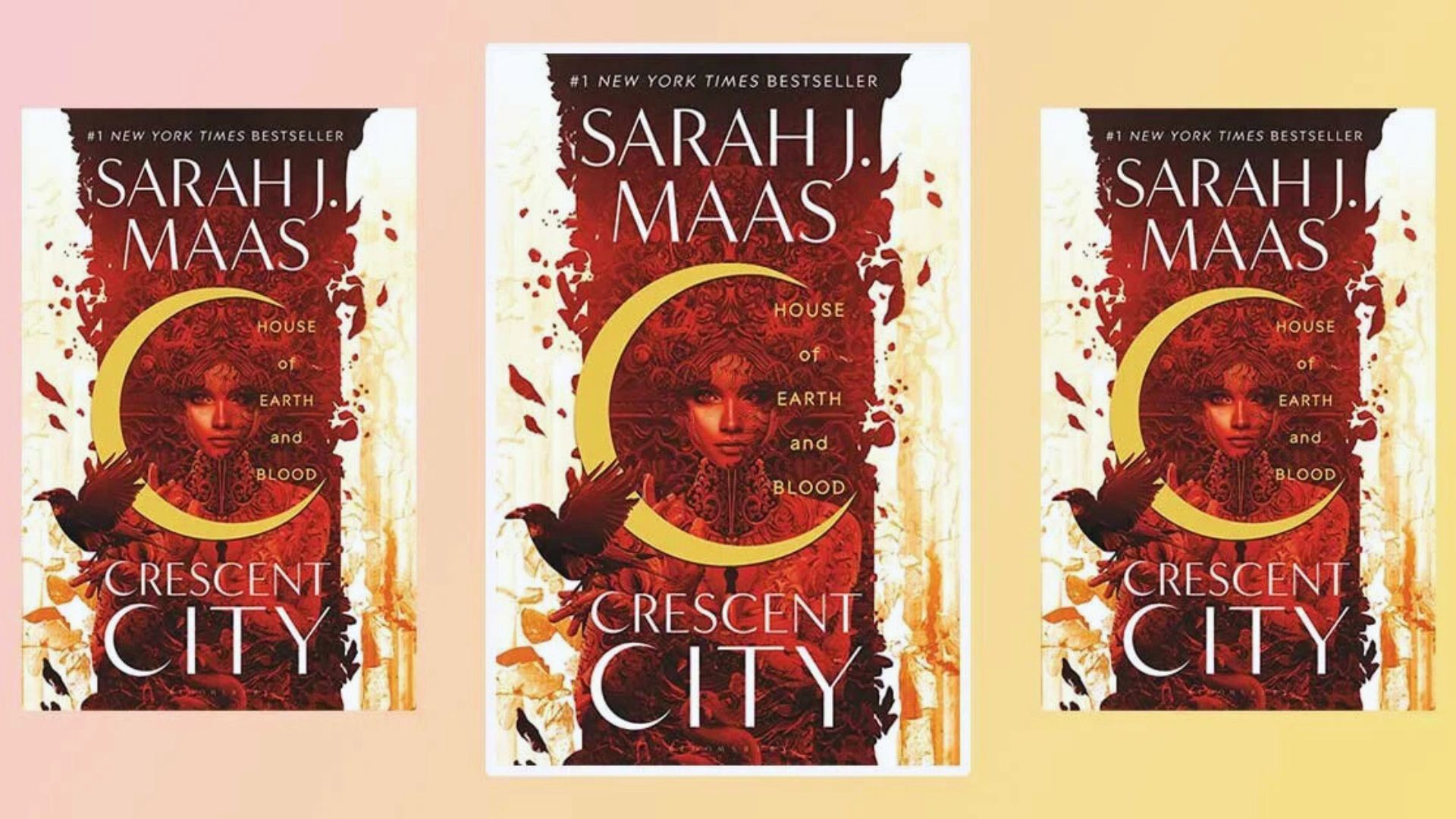
The novel opens in Crescent City, a modern metropolis where humans, Fae, angels, and shifters coexist under an uneasy order controlled by the powerful Vanir.
At the center is Bryce Quinlan, a half-Fae young woman whose life collapses when her best friend Danika and her entire wolf pack are brutally murdered.
Two years later, similar killings pull Bryce back into an investigation she buried along with her grief.
Forced to work alongside Hunt Athalar, a fallen angel serving the Archangels who rule the city, Bryce must face the past, the conspiracy behind it, and everything she has been avoiding ever since.
Themes Discussed in House of Earth and Blood
A raw and propulsive examination of grief, systemic power, chosen family, and the price of survival in a world built to keep certain people down.
Grief and Its Cost
The novel argues that grief cannot be outrun. Bryce drinks, deflects, and keeps the world at arm’s length until the investigation forces her to stop and feel what she has buried.
That reckoning sits at the heart of everything.
Power, Corruption, and Systemic Injustice
The Vanir hierarchy keeps humans and half-breeds vulnerable while institutions serve the powerful.
Both Bryce and Hunt have been used and discarded by this system, and their partnership is built on that shared understanding.
Chosen Family and Loyalty
Bryce’s bonds with Danika and her remaining friends are complicated and painful but entirely real.
The novel insists, quietly and consistently, that the people you choose matter as much as anything else in your life.
Character Analysis
Through survivors, assassins, and grieving women who refuse to stay broken, the novel traces how love, loss, and identity reshape themselves across catastrophe and time.
Bryce Quinlan
Sharp, funny, and self-destructive, Bryce uses humor and indifference as armor. What makes her compelling is not her power but the fierce intensity with which she loves the people she lets in.
Hunt Athalar
A fallen angel working as an assassin in exchange for a distant promise of freedom. He carries real damage and real anger, and his dynamic with Bryce is built on friction, honesty, and mutual respect.
Danika Fendyr
Present mostly through memory and flashback, Danika is fierce, loving, and hiding something significant. Her absence registers as a specific, weighted loss throughout the entire novel.
Ruhn Danaan
Bryce’s half-brother and a Fae prince, Ruhn sits uncomfortably between royal duty and genuine affection for Bryce. He adds political depth and emotional complication in equal measure.
Writing Style and Narrative Voice
With propulsive pacing, a richly built urban setting, and emotional directness, the novel constructs a fantasy world that feels inhabited rather than assembled.
Maas’s Control
The prose is confident and purposeful. At over eight hundred pages, the book earns its length through character detail and world-building rather than plot inflation.
The dual timeline structure creates genuine momentum, pulling you forward with the need to understand what happened and why it mattered.
Atmosphere and World-Building
Crescent City feels like a real place. It has its own geography, social tensions, music, food, and nightlife.
The hierarchies function as actual systems rather than background detail, and the contrast between the city’s glittering surface and its structural cruelty lands with real weight.
The pre-tragedy flashbacks carry their own warmth, making the loss feel fully earned.
Critical Reception
House of Earth and Blood was published in March 2020 and became one of the most commercially successful fantasy releases of that year.
It debuted at number one on the New York Times bestseller list and remained there for multiple weeks, introducing Sarah J. Maas to an even wider readership than her previous series had built.
The novel has since become one of the most widely discussed entries in adult fantasy fiction, praised for its ambition, its emotional depth, and its willingness to take the genre seriously as a space for complex storytelling.
Its impact on the fantasy landscape has been considerable and lasting.
Notable Reviews and Ratings
Goodreads: 4.45 out of 5 stars based on over 600,000 ratings
Amazon: 4.6 out of 5 stars across hundreds of thousands of reviews
Awards and Recognition: New York Times number one bestseller; Waterstones fantasy pick; voted a top fantasy of the year across multiple major reading platforms
My Personal Reading Experience
House of Earth and Blood was not the book I expected, and I mean that entirely as a compliment.
I assumed it would be primarily a romance with a fantasy backdrop, the kind where plot exists to serve the central relationship.
What I found instead was a novel about grief, specifically the grief of losing someone whose absence reshapes your sense of who you are.
Bryce’s sections affected me most deeply. Maas writes her bond with Danika with a rawness that makes the emotional argument feel lived rather than constructed.
The mystery and romance both work, but the friendship at the center gives the book its real weight.
About the Author Sarah J. Maas

Sarah J. Maas is an American author based in Philadelphia. She began publishing her Throne of Glass series in 2012, which she had originally developed as a story posted online in her teens.
The A Court of Thorns and Roses series, which began in 2015, brought her to a significantly wider audience and established her as one of the most commercially dominant voices in adult fantasy fiction.
House of Earth and Blood marked the beginning of her Crescent City series and demonstrated both her ambition and her ability to build entirely distinct worlds within the same prolific career.
Conclusion
I hope this House of Earth and Blood book summary gave you what you needed. This is a novel that works on multiple levels at once, gripping as a mystery, emotionally serious as an inquiry into loss and loyalty, and formally confident enough to sustain its considerable length.
It stayed with me well beyond the reading itself, which is the clearest measure I know of how much a book has genuinely done its work.
If you are looking for something that takes both the imagination and the heart seriously, this one is absolutely worth your time.
Frequently Asked Questions
Is House of Earth and Blood based on a true story?
No, it is fiction. Maas drew on real anxieties about grief, systemic injustice, and the cost of survival to build a story that feels emotionally grounded throughout.
How long does it take to read House of Earth and Blood?
The novel is approximately 803 pages. Most readers complete it in ten to fifteen hours across several sittings, depending on pace.
What age is appropriate for reading House of Earth and Blood?
The book suits adult readers aged 18 and up. It contains explicit content, significant violence, and mature themes that are not suited to younger readers.
Did House of Earth and Blood win any literary awards?
It debuted at number one on the New York Times bestseller list and has received recognition across major fantasy and readers’ choice platforms, though it has not pursued traditional literary award circuits.
Is there a film or television adaptation of House of Earth and Blood?
As of now, no adaptation has been officially confirmed, though the series has been widely discussed as a strong candidate for screen development given its fanbase and commercial reach.